In an era dominated by screens—from smartphones to laptops—exposure to artificial blue light has become nearly unavoidable. As awareness grows about its potential effects on health, many people are turning to blue light blocking glasses as a solution for better sleep. But do they actually work? What does the scientific research say? This article dives into peer-reviewed studies, expert insights, and real-world applications to determine whether these amber-tinted or clear-lensed glasses can genuinely enhance sleep quality.
The Science of Blue Light and Circadian Rhythms
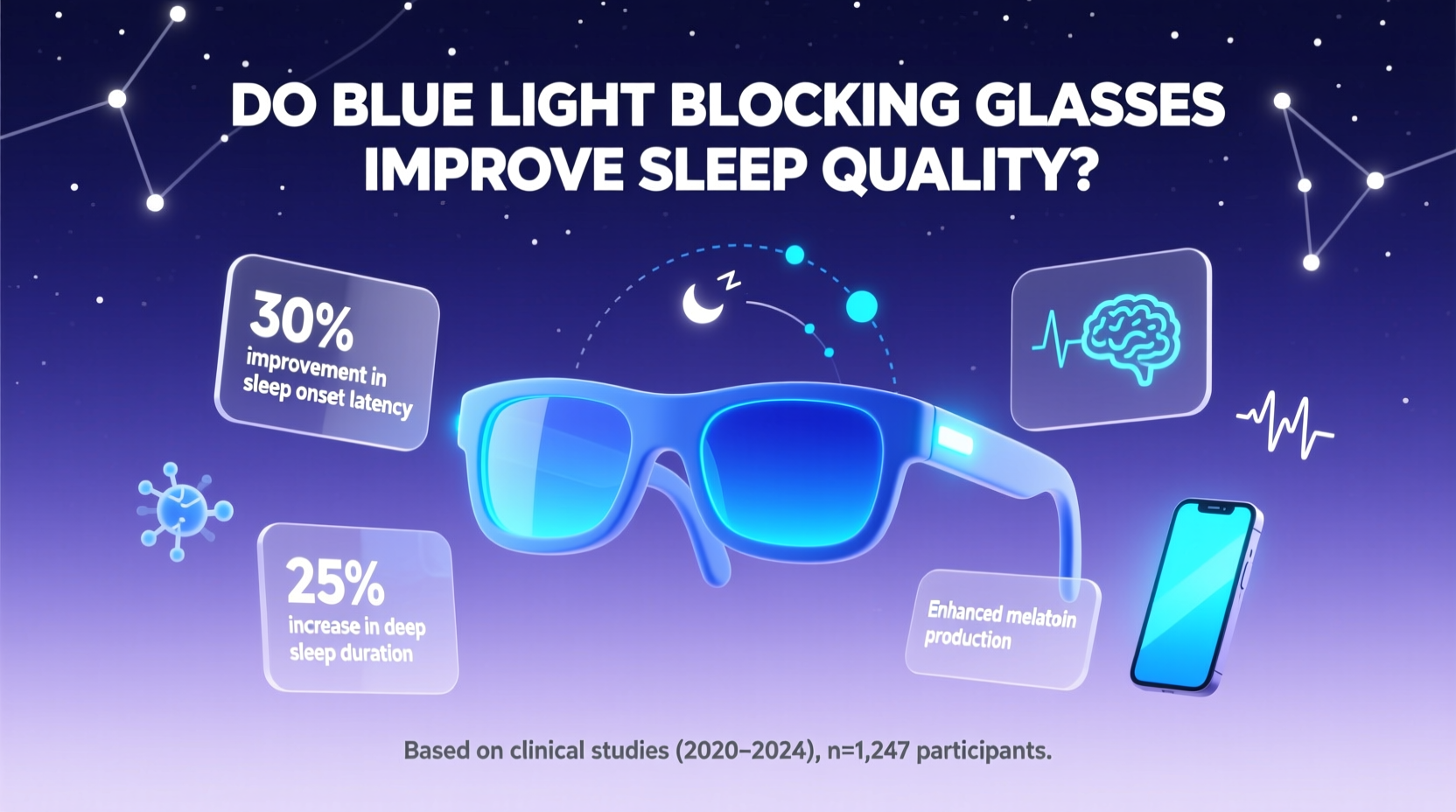
Natural daylight contains a broad spectrum of light, including blue wavelengths that play a crucial role in regulating our circadian rhythm—the body’s internal 24-hour clock. During the day, blue light helps maintain alertness, elevate mood, and support cognitive performance. However, when exposure continues into the evening, especially from LED screens, it can interfere with melatonin production, the hormone responsible for signaling sleep onset.
The human eye contains specialized photoreceptors called intrinsically photosensitive retinal ganglion cells (ipRGCs), which are particularly sensitive to blue light around 480 nanometers in wavelength. When these cells detect light at night, they send signals to the suprachiasmatic nucleus (SCN) in the brain, effectively telling it to delay sleep.
A landmark study published in the Journal of Clinical Endocrinology & Metabolism found that participants exposed to room light before bedtime experienced a 50% suppression of melatonin compared to those in dim light. This disruption not only delays sleep but may reduce sleep efficiency and overall restorative quality.
Tip: Limit screen time at least one hour before bed to naturally support melatonin release and improve sleep readiness.What Do Blue Light Blocking Glasses Actually Do?
Blue light blocking glasses are designed to filter out or absorb specific wavelengths of blue light emitted by digital devices and indoor lighting. Most models use lenses tinted amber, orange, or red, which are effective at blocking shorter, high-energy blue wavelengths. Some newer versions feature clear lenses with special coatings that claim to block a portion of blue light without altering color perception.
The effectiveness of these glasses depends largely on two factors: the spectral range blocked and the timing of use. Research indicates that filtering light below 550 nm—particularly in the 460–490 nm range—is most effective for preserving melatonin levels. Not all commercially available glasses meet this standard, so product selection matters.
A 2017 study in Ophthalmic & Physiological Optics tested different types of blue-blocking lenses and found that amber-tinted glasses significantly increased subjective sleep quality and reduced sleep latency (the time it takes to fall asleep), while clear lenses showed minimal effect.
“Evening use of blue light filtering glasses can be a simple, non-invasive way to protect melatonin rhythms and support healthier sleep.” — Dr. Lisa Chen, Sleep Neurologist, Harvard Medical School
What Does the Research Say About Sleep Improvement?
Multiple clinical trials have explored the impact of blue light blocking glasses on sleep parameters. The consensus among recent findings is cautiously positive, especially for individuals with high screen exposure in the evening.
In a randomized controlled trial involving 20 adults conducted over two weeks, participants who wore amber-tinted glasses for three hours before bedtime reported:
- Improved sleep quality (measured via Pittsburgh Sleep Quality Index)
- Shorter sleep onset latency (by an average of 15 minutes)
- Increased daytime alertness
- Higher melatonin concentrations in saliva samples taken before bed
Another study focusing on shift workers—a population prone to circadian misalignment—found that wearing blue-blocking glasses during the commute home in the morning helped improve nighttime sleep duration by an average of 30 minutes. This suggests their utility extends beyond typical evening screen users.
However, results are not universally consistent. A 2020 meta-analysis in Sleep Medicine Reviews concluded that while there is moderate evidence supporting short-term improvements in sleep onset and quality, long-term data remains limited. Additionally, placebo effects may contribute to perceived benefits, particularly in self-reported outcomes.
| Study | Participants | Intervention | Key Findings |
|---|---|---|---|
| Esaki et al., 2016 | 20 office workers | Amber vs. clear lenses, 2 hrs pre-bed | Improved sleep quality, faster sleep onset |
| Shechter et al., 2018 | 12 insomniacs | 3 hrs nightly for 1 week | Increased melatonin, longer total sleep time |
| Figueiro et al., 2021 | 30 older adults | Clear blue-blocking lenses | No significant change in sleep metrics |
The variability in outcomes underscores the importance of lens type, usage consistency, and individual sensitivity to light. For optimal results, experts recommend choosing glasses that block at least 90% of blue light below 500 nm and wearing them consistently during evening screen use.
Who Benefits Most From Blue Light Blocking Glasses?
While anyone exposed to evening artificial light might benefit, certain groups show greater responsiveness based on current research:
- Nighttime screen users: People who work late on computers or scroll through phones before bed often experience delayed sleep onset. Blue-blocking glasses can mitigate some of this disruption.
- Shift workers: Those working overnight or rotating shifts struggle with circadian alignment. Wearing blue-blocking glasses after a night shift can help preserve melatonin when trying to sleep during daylight hours.
- Adolescents and young adults: This demographic tends to have later chronotypes and higher screen engagement. Early intervention with light management tools may support healthier sleep patterns.
- Individuals with insomnia or circadian rhythm disorders: Though not a standalone treatment, blue light filters can complement cognitive behavioral therapy for insomnia (CBT-I) by reinforcing proper light-dark cues.
Mini Case Study: Sarah, a Remote Software Developer
Sarah, 32, worked remotely as a software developer and regularly used her laptop until 10:30 PM. Despite feeling tired, she struggled to fall asleep before midnight and often woke up groggy. After reading about blue light’s effects, she purchased amber-tinted glasses and committed to wearing them from 8 PM onward.
Within five days, she noticed she felt sleepier earlier and fell asleep within 20 minutes instead of lying awake for nearly an hour. Over two weeks, her sleep tracker showed a consistent increase in deep sleep duration by 18%. While she also reduced phone use slightly, she attributed the biggest change to the glasses, especially on nights when work required extended screen time.
Her experience aligns with clinical observations: even modest reductions in disruptive light exposure can yield noticeable improvements in sleep initiation and quality.
How to Use Blue Light Blocking Glasses Effectively
To get the most out of blue light blocking glasses, follow these evidence-based guidelines:
- Wear them at the right time: Start using them 2–3 hours before your intended bedtime. This aligns with the natural rise in melatonin and maximizes protection against suppression.
- Choose the right lens type: Amber or red-tinted lenses offer superior blue light filtration. Look for products that specify blocking percentages between 400–500 nm.
- Be consistent: Occasional use may not produce measurable results. Incorporate them into your evening routine just like brushing your teeth.
- Combine with environmental adjustments: Dim overhead lights, use warm-toned bulbs (below 2700K), and enable night mode on devices to reduce overall blue light load.
- Avoid bright light after putting them on: Even with glasses, exposure to very bright environments can still stimulate ipRGCs. Keep your surroundings calm and low-lit.
Checklist: Using Blue Light Glasses for Better Sleep
- ☑ Purchase glasses with verified blue light blocking capability (check independent lab reports if available)
- ☑ Begin wearing 2–3 hours before bedtime
- ☑ Use every evening, especially on high-screen days
- ☑ Pair with dim, warm lighting in your living space
- ☑ Avoid bright overhead lights or unfiltered screens while wearing them
- ☑ Track changes in sleep onset and quality for at least one week
Frequently Asked Questions
Do blue light blocking glasses work if I’m not looking at screens?
Yes. While digital devices are major sources of blue light, indoor LED and fluorescent lighting also emit significant amounts. Wearing the glasses during any evening artificial light exposure can help maintain natural melatonin rhythms.
Can I wear them during the day?
Generally not recommended. Daytime exposure to blue light supports alertness, mood, and circadian entrainment. Wearing blocking glasses during daylight hours could disrupt your internal clock and lead to daytime drowsiness.
Are expensive brands more effective than cheaper ones?
Not necessarily. Price doesn’t always correlate with performance. Some budget-friendly options block blue light effectively, while certain fashion-focused designs may offer minimal filtration. Always check for third-party testing or spectral transmission data before purchasing.
Conclusion: A Practical Tool Supported by Science
The question of whether blue light blocking glasses improve sleep quality no longer lacks evidence—it's a resounding “yes” under specific conditions. Research consistently shows that properly designed glasses, worn consistently in the evening, can enhance melatonin production, shorten sleep onset, and improve subjective sleep quality.
They are not a magic cure for insomnia or a substitute for good sleep hygiene, but they are a practical, accessible tool in the modern toolkit for better rest. For those immersed in screen-based lifestyles, they offer a passive yet powerful way to reclaim natural circadian rhythms.
🚀 Ready to improve your sleep? Try wearing blue light blocking glasses for one week starting tonight. Track how quickly you fall asleep and how rested you feel in the morning. Small changes can lead to profound results—start tonight.








