
In a market saturated with synthetic fragrances, parabens, and questionable preservatives, finding a truly clean body lotion can feel like searching for a needle in a haystack. Yet, as awareness grows about what we absorb through our skin, demand for safe, effective, and transparent skincare has surged. A clean body lotion isn’t just free from harmful ingredients—it’s also formulated to deliver deep hydration, support skin health, and align with ethical values like sustainability and cruelty-free practices.
This guide explores what defines a “clean” lotion, highlights top-performing products backed by dermatologists and users alike, and provides practical steps to integrate these lotions into your daily routine for optimal results.
What Makes a Body Lotion \"Clean\"?
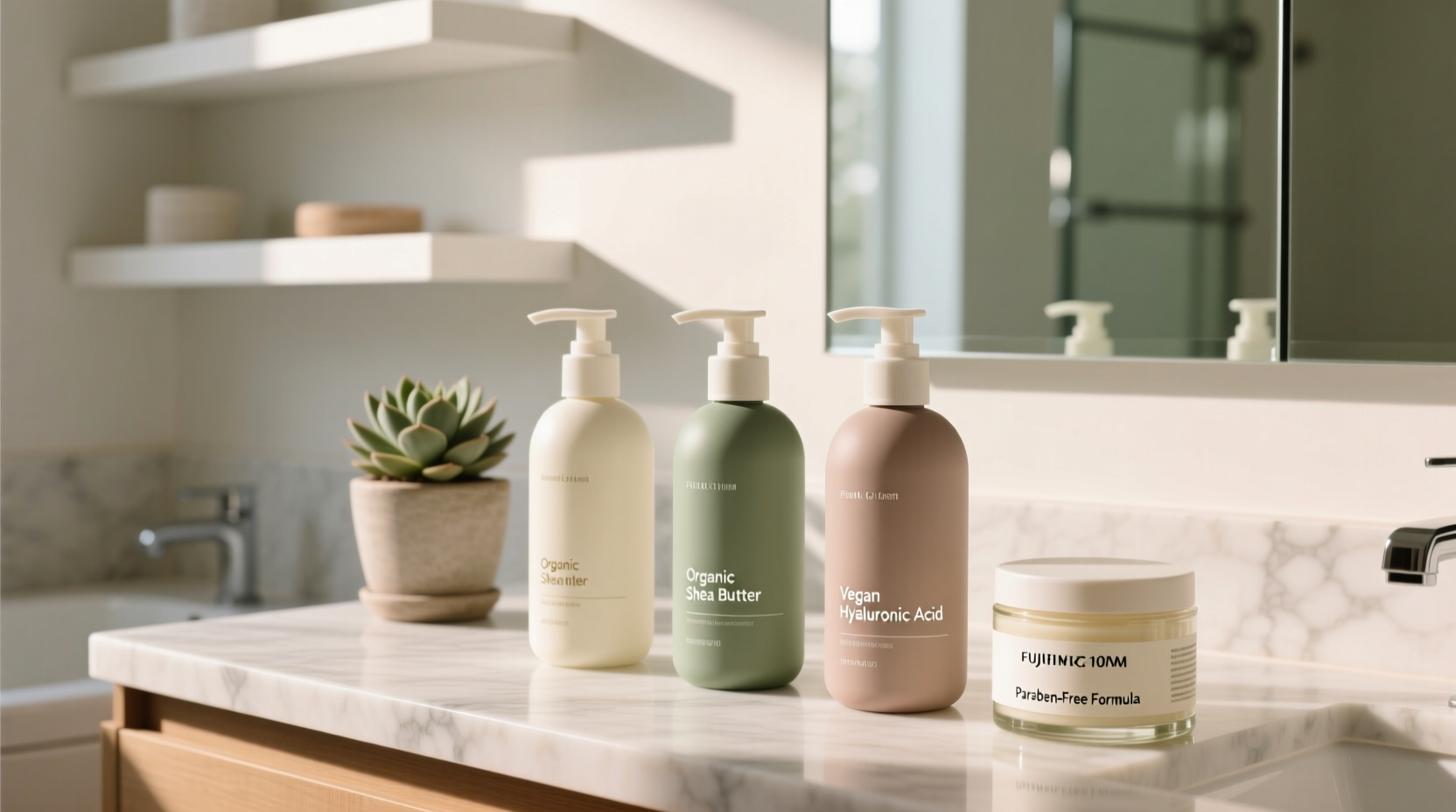
The term “clean beauty” lacks a standardized definition, but in practice, it refers to products made without ingredients linked to health or environmental concerns. When evaluating a clean body lotion, consider the following criteria:
- No parabens, phthalates, or sulfates: These common preservatives and surfactants have been associated with hormone disruption and skin irritation.
- Free from synthetic fragrances: Often listed simply as “fragrance,” these can contain dozens of undisclosed chemicals. Opt for fragrance-free or naturally scented with essential oils.
- Non-toxic sourcing: Clean brands prioritize ingredient transparency and avoid known allergens or irritants.
- Sustainable packaging: Glass, aluminum, or recyclable plastics reflect a commitment to reducing environmental impact.
- Certifications: Look for USDA Organic, EWG Verified, Leaping Bunny (cruelty-free), or MADE SAFE seals.
Top 5 Clean Body Lotions That Deliver Results
After reviewing clinical data, user feedback, and formulation standards, these five lotions stand out for efficacy, safety, and sensory experience.
| Product | Key Ingredients | Best For | Notable Feature |
|---|---|---|---|
| Pipette Whole Body Lotion | Squalane (sugarcane-derived), glycerin, ceramides | Daily use, sensitive skin | Eco-friendly packaging; pediatrician-tested |
| Attitude Moisturizing Body Lotion | Oatmeal, shea butter, sunflower oil | Eczema-prone skin | EWG Verified, hypoallergenic |
| Acure Seriously Soothing Blue Tansy & Shea Butter Lotion | Blue tansy, shea butter, argan oil | Calming irritated skin | Fragrance-free version available |
| Alba Botanica Very Emollient Body Lotion | Aloe vera, coconut oil, vitamin E | Dry to very dry skin | 100% vegetarian, biodegradable formula |
| Farmacy Honey Halo Ultra-Hydrating Body Cream | Bee propolis, manuka honey, shea butter | Intensive hydration | Natural humectants lock in moisture |
How to Choose the Right Clean Lotion for Your Skin Type
Not all clean lotions are created equal. Matching the formula to your skin’s needs ensures better absorption and long-term benefits.
- Dry or Flaky Skin: Look for occlusive agents like shea butter, cocoa butter, or plant-based squalane that seal in moisture.
- Sensitive or Reactive Skin: Choose fragrance-free, minimal-ingredient formulas with calming components such as colloidal oatmeal or chamomile.
- Oily or Acne-Prone Skin: Lightweight, non-comedogenic lotions with ingredients like jojoba oil or hyaluronic acid prevent clogged pores.
- Mature Skin: Prioritize lotions with antioxidants (vitamin C, E) and peptides to support elasticity and repair.
- Active Lifestyles: Water-resistant or fast-absorbing lotions with cooling menthol or eucalyptus can enhance post-workout recovery.
“Switching to a clean lotion isn’t just about avoiding toxins—it’s about giving your skin the nutrients it needs to thrive.” — Dr. Lena Torres, Board-Certified Dermatologist
Real-World Example: Sarah’s Transition to Clean Skincare
Sarah, a 34-year-old teacher from Portland, struggled with persistent redness and itching on her arms and legs for years. Over-the-counter lotions provided temporary relief but often worsened irritation over time. After consulting a dermatologist, she learned she had a sensitivity to synthetic fragrances and propylene glycol—common in many mass-market moisturizers.
She switched to Attitude’s Oatmeal & Shea Butter Lotion, drawn by its EWG certification and simple ingredient list. Within two weeks, her flare-ups decreased significantly. “I didn’t realize how much my old lotion was aggravating my skin,” she said. “Now I check labels everywhere—not just skincare.”
Sarah’s experience underscores a growing trend: many chronic skin issues stem not from underlying conditions, but from repeated exposure to irritating ingredients.
Step-by-Step Guide to Incorporating Clean Lotion Into Your Routine
Using a clean body lotion effectively requires more than just application—it’s about timing, technique, and consistency.
- Shower Smart: Use lukewarm water and a gentle, sulfate-free cleanser. Hot water strips natural oils.
- Pat Dry, Don’t Rub: Leave skin slightly damp to lock in moisture when applying lotion.
- Apply Immediately: Within 3 minutes of drying off, massage lotion into skin using upward circular motions.
- Focus on Problem Areas: Elbows, knees, heels, and hands need extra attention due to thicker, drier skin.
- Reapply as Needed: Carry a travel-sized bottle for reapplication after handwashing or prolonged sun exposure.
- Track Reactions: Keep a simple log for the first month to note improvements or sensitivities.
Checklist: Is Your Body Lotion Truly Clean?
Use this checklist before purchasing or continuing to use any body lotion:
- ✅ Free from parabens, phthalates, and formaldehyde donors
- ✅ No synthetic fragrances or dyes
- ✅ Contains recognizable, plant-based ingredients
- ✅ Packaged in recyclable or refillable materials
- ✅ Cruelty-free and not tested on animals
- ✅ Third-party certified (e.g., EWG, MADE SAFE, Leaping Bunny)
- ✅ Transparent about sourcing and manufacturing
Frequently Asked Questions
Can clean body lotions be as hydrating as conventional ones?
Absolutely. Many clean lotions use advanced plant-based emollients like squalane, shea butter, and hyaluronic acid derived from fermentation. These ingredients provide deep, lasting hydration without relying on silicones or mineral oil.
Are clean lotions more expensive?
They can be slightly higher in price due to premium ingredients and ethical production, but cost per ounce is often comparable when you consider concentration and effectiveness. Some brands, like Pipette and Acure, offer affordable clean options under $15.
How do I know if a brand is truly “clean” and not just marketing?
Look beyond buzzwords like “natural” or “green.” Check for third-party certifications, full ingredient disclosure, and independent lab testing. Brands that publish their safety standards online are more likely to be trustworthy.
Final Thoughts: Make the Switch with Confidence
Choosing the best clean body lotion isn’t just a skincare decision—it’s a wellness choice. Your skin absorbs what you put on it, and over time, repeated exposure to harmful chemicals can accumulate. By opting for clean, thoughtfully formulated lotions, you protect your body, support sustainable innovation, and invest in long-term skin health.
The best part? You don’t need to sacrifice luxury for purity. Modern clean brands deliver silky textures, subtle scents, and real results—without compromising your values.
🚀 Ready to transform your skincare routine? Start by replacing one conventional product with a clean alternative today. Share your favorite finds or ask questions in the comments—let’s build a healthier, more informed community together.








