
Stepping into a stream of icy water first thing in the morning may sound like self-punishment to some. Yet, an increasing number of people are embracing cold showers not as a test of endurance, but as a deliberate practice to enhance mental clarity, emotional regulation, and psychological resilience. The immediate jolt — gasping breath, racing heart, skin tightening — triggers a cascade of physiological responses that, over time, appear to rewire how we respond to stress. But is this daily dose of discomfort truly beneficial for mental health? And more importantly, does the short-term shock justify the long-term payoff?
The science behind cold exposure suggests it does. From boosting dopamine levels to reducing symptoms of depression and anxiety, cold showers have emerged as a low-cost, accessible tool in the mental wellness toolkit. What makes this practice particularly compelling is its simplicity: no prescription, no equipment, just willingness to face discomfort head-on.
The Neurobiology of Cold Exposure
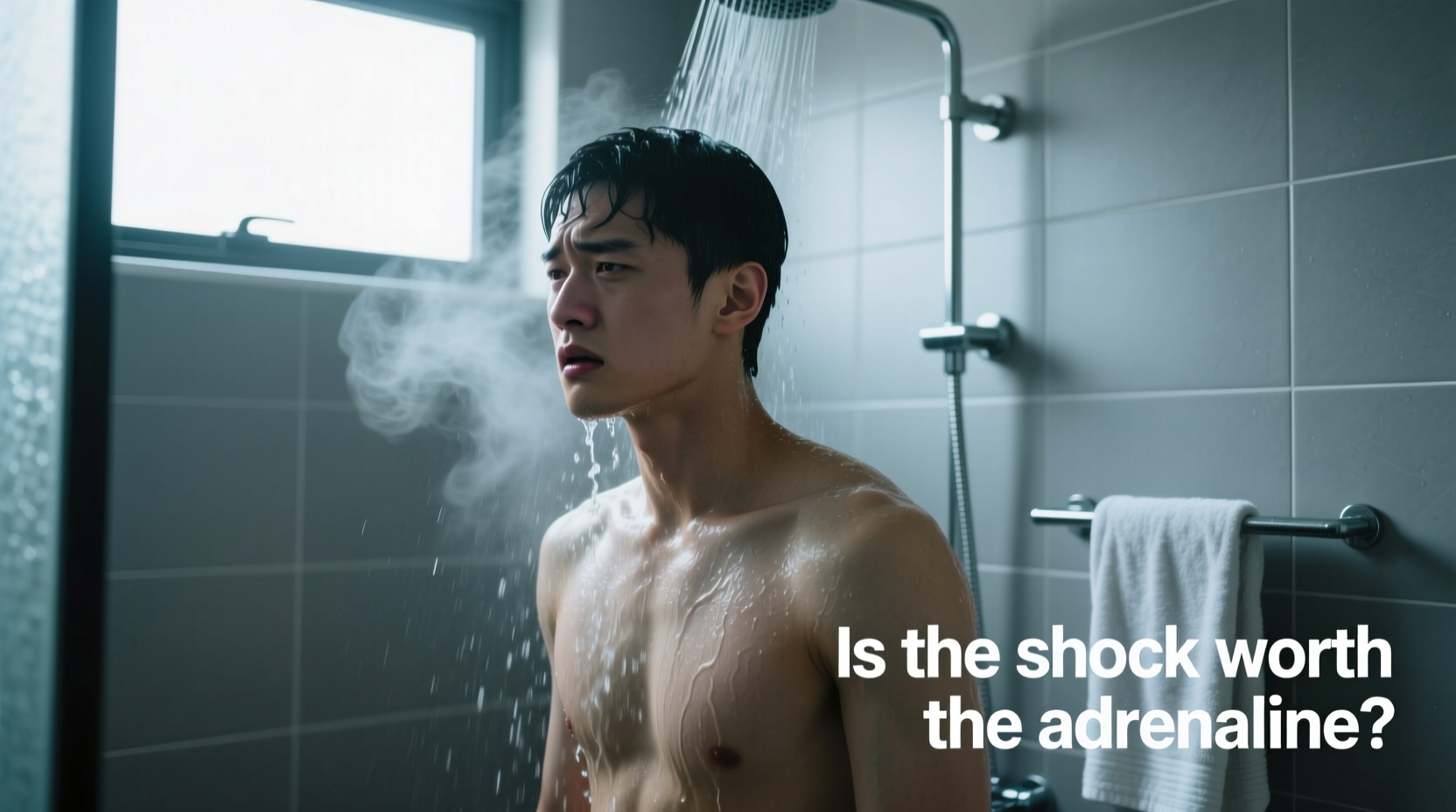
When your body is suddenly exposed to cold water, it initiates a series of rapid neurological and hormonal shifts. One of the most significant is the activation of the sympathetic nervous system — the same network responsible for the \"fight or flight\" response. This leads to an immediate surge in norepinephrine, a neurotransmitter linked to alertness, focus, and mood regulation.
Studies show that cold exposure can increase norepinephrine levels by up to 530% in some cases. This chemical spike doesn't just make you feel awake; it can elevate mood and reduce feelings of lethargy commonly associated with depression. Additionally, cold water immersion has been shown to stimulate the release of endorphins and beta-endorphins, natural painkillers that also contribute to a sense of well-being.
Another key player is dopamine. Research from the Thrombosis Research Institute in England found that repeated cold exposure led to sustained increases in dopamine levels — sometimes lasting for several hours after the shower ended. Unlike the fleeting dopamine spikes from social media or sugar, this rise supports sustained motivation and mental energy.
“Cold water immersion acts like a natural antidepressant by modulating brain chemistry in ways that promote resilience and emotional balance.” — Dr. Rhonda Patrick, Biomedical Scientist
Mental Health Benefits Backed by Evidence
While anecdotal reports abound, clinical research is beginning to validate many of the claimed psychological benefits of regular cold showers:
- Reduced Anxiety: A 2018 study published in Mental Health and Physical Activity found that participants who took regular cold showers reported lower levels of self-perceived stress and anxiety after six weeks.
- Improved Mood and Depression Symptoms: A controlled trial in the Netherlands showed that individuals who combined cold showers with regular physical activity experienced a 29% greater reduction in depressive symptoms compared to the control group.
- Enhanced Cognitive Function: The sharp increase in norepinephrine improves attention, processing speed, and working memory — effects particularly noticeable in the morning.
- Greater Emotional Resilience: Repeatedly choosing to face discomfort builds tolerance to stressors beyond the bathroom, translating into improved coping mechanisms in high-pressure situations.
These findings suggest that cold showers don’t merely provide a temporary buzz — they may contribute to lasting changes in how the brain manages stress and regulates emotion.
Tip: Start with 30 seconds of cold water at the end of your regular shower. Gradually increase duration and intensity over weeks to build tolerance without overwhelming your system.Is the Shock Worth It? Understanding the Adrenaline Trade-Off
The initial shock of cold water is undeniably intense. Heart rate spikes, breathing becomes shallow, and the instinct to flee is powerful. This reaction is driven by adrenaline (epinephrine), which floods the bloodstream within seconds of exposure. While adrenaline is often associated with fear or panic, in controlled doses — such as during a brief cold shower — it can be harnessed productively.
The key lies in reframing the experience. Instead of interpreting the rapid heartbeat and quickened breath as signs of distress, practitioners learn to recognize them as signals of activation — a primed nervous system ready for action. Over time, this recalibration helps reduce hypervigilance to stress cues in everyday life.
Moreover, the predictable nature of the cold shower creates a safe environment to practice emotional regulation. Each session becomes a micro-challenge: Can you stay present? Can you breathe deeply despite discomfort? These small victories accumulate, reinforcing a mindset of agency and control.
However, it’s important to acknowledge that cold showers aren’t universally beneficial. Individuals with cardiovascular conditions, uncontrolled hypertension, or severe anxiety disorders should consult a physician before attempting cold therapy. For these populations, the adrenaline surge could pose risks rather than rewards.
Step-by-Step Guide to Building a Sustainable Cold Shower Practice
Adopting cold showers shouldn’t feel like punishment. A gradual, intentional approach yields better adherence and greater long-term benefits. Follow this timeline to integrate cold exposure safely and effectively:
- Week 1–2: Acclimatization Phase
At the end of your normal warm shower, turn the dial to cold for 15–30 seconds. Focus on steady breathing. Exit if you feel dizzy or overly tense. - Week 3–4: Duration Extension
Increase cold exposure to 1–2 minutes. Try starting the entire shower with cold water for 30 seconds before warming up, then finishing cold again. - Week 5–6: Full Cold Showers (Optional)
Aim for 2–3 sessions per week where the entire shower is cold. Use breathwork (e.g., box breathing) to manage discomfort. - Week 7+: Maintenance & Mindset
Integrate cold showers into your routine as a form of mental training. Reflect post-shower: How did you handle discomfort? What did you learn about your reactions?
Consistency matters more than intensity. Even 60 seconds of cold water three times a week can produce measurable psychological benefits over time.
Real-World Example: Alex’s Journey Through Post-Pandemic Burnout
After two years of remote work, isolation, and chronic stress, Alex, a 34-year-old software developer, found himself battling persistent fatigue, irritability, and lack of motivation. Medication helped slightly, but he wanted a more proactive solution. On a podcast, he heard about the mental clarity benefits of cold exposure.
Skeptical but desperate, he started with 20-second cold bursts at the end of his evening shower. The first few days were brutal — he’d rush out shivering, cursing the idea. But by day ten, something shifted. He noticed he wasn’t dreading the cold as much. By week four, he began taking full two-minute cold showers in the morning.
Within six weeks, Alex reported improved sleep quality, fewer afternoon energy crashes, and a renewed sense of agency. “It’s not that I suddenly became fearless,” he said. “But facing that cold water every morning reminded me I could choose discomfort for a purpose. That mindset spilled over into my work and relationships.”
His experience isn’t unique. Many report that the ritual of the cold shower becomes symbolic — a daily reminder that growth lies just beyond comfort.
Do’s and Don’ts of Cold Shower Practice
| Do’s | Don’ts |
|---|---|
| Start gradually — even 10 seconds is a win | Jump straight into freezing water for 5 minutes |
| Focus on deep, rhythmic breathing during exposure | Hold your breath or tense up unnecessarily |
| Use cold showers as a mindfulness exercise | Treat them solely as a physical challenge or punishment |
| Listen to your body — stop if you feel faint or chest pain | Push through extreme discomfort, especially if you have heart issues |
| Pair with other healthy habits like exercise and hydration | Rely on cold showers alone to fix serious mental health conditions |
Expert Insight: Cold Exposure as Mental Training
Dr. Andrew Huberman, neuroscientist at Stanford University, emphasizes that cold exposure is less about the cold itself and more about what it teaches the mind.
“The act of voluntarily enduring cold activates neural circuits tied to focus and perseverance. When done regularly, it trains your brain to stay calm under stress — not just in the shower, but in life.” — Dr. Andrew Huberman, Huberman Lab Podcast
This perspective positions cold showers not as a wellness fad, but as a form of cognitive conditioning. Like strength training for the mind, each session strengthens the ability to remain composed when faced with adversity.
Frequently Asked Questions
Can cold showers replace antidepressants?
No. While cold showers may support mood regulation and reduce mild depressive symptoms, they are not a substitute for professional treatment in cases of clinical depression. They work best as a complementary practice alongside therapy, medication (if prescribed), and lifestyle changes.
How soon will I notice mental health benefits?
Some people report increased alertness and mood elevation immediately after their first cold shower. However, sustained psychological benefits — such as reduced anxiety or improved stress resilience — typically become noticeable after 3–6 weeks of consistent practice.
Are cold showers safe for people with anxiety?
For many, yes — but with caution. The initial adrenaline rush can mimic anxiety symptoms, so it’s essential to start slowly and focus on controlled breathing. If cold exposure exacerbates panic attacks or obsessive thoughts, discontinue and consult a mental health professional.
Checklist: Building Your Cold Shower Routine
Use this checklist to establish a safe, effective cold shower habit:
- ☐ Consult your doctor if you have heart conditions or hypertension
- ☐ Begin with 15–30 seconds of cold water at the end of your regular shower
- ☐ Practice slow, deep breathing during exposure (inhale 4 sec, hold 4 sec, exhale 4 sec)
- ☐ Aim for consistency — 3–4 times per week minimum
- ☐ Track subjective changes in mood, energy, and stress levels weekly
- ☐ Avoid cold showers right before bed if they disrupt sleep
- ☐ Combine with other wellness practices: movement, sunlight, hydration
Conclusion: Embrace the Discomfort, Transform the Mind
The question isn’t whether the shock of a cold shower is uncomfortable — it clearly is. The real question is whether that discomfort serves a purpose. For growing numbers, the answer is a resounding yes. Cold showers offer more than a wake-up call; they provide a daily opportunity to confront fear, regulate the nervous system, and cultivate mental toughness.
The adrenaline rush, once interpreted as danger, becomes a signal of aliveness. The gasp for air turns into a conscious breath. And over time, the person stepping out of the shower — dripping, invigorated, victorious — is not just colder, but clearer, calmer, and more capable.
🚀 Ready to transform your mornings? Start tomorrow with just 20 seconds of cold water. Notice how you breathe, how you react, how you grow. Share your journey — your story might inspire someone else to brave the chill.








