Stepping into icy water might sound like something only extreme athletes or wellness fanatics would do—but cold plunging has surged in popularity among everyday people seeking better recovery, sharper focus, and improved resilience. While influencers tout its transformative effects, many average individuals wonder: are the benefits real, and more importantly, is the initial shock actually worth enduring?
This article breaks down the science, separates hype from reality, and provides a balanced analysis of cold plunge therapy—specifically tailored to the average, healthy adult with no elite performance goals. We’ll explore physiological impacts, psychological effects, safety concerns, and offer actionable guidance on whether—and how—to incorporate cold immersion into your routine.
The Science Behind Cold Plunging
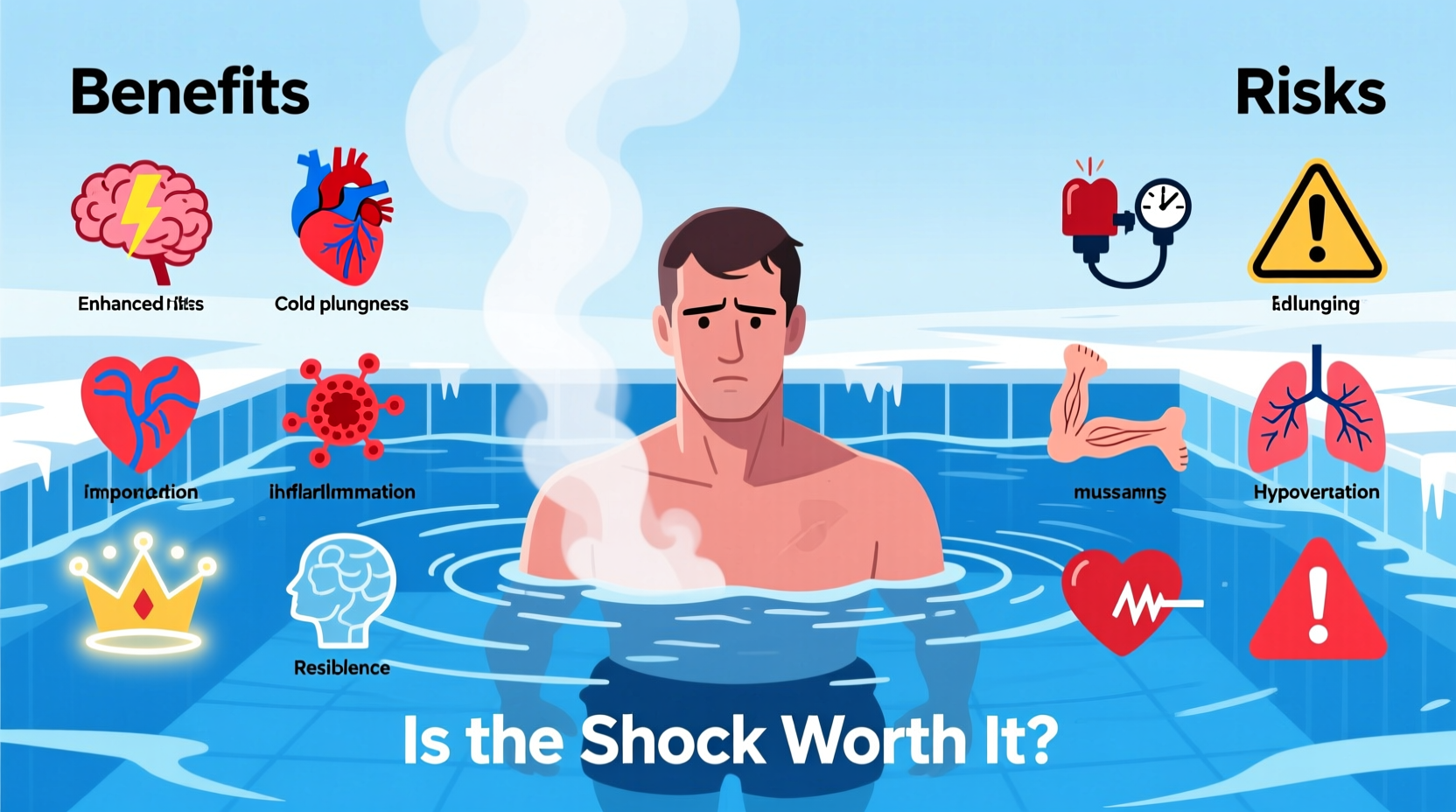
Cold water immersion (CWI), commonly known as cold plunging, involves submerging the body—typically up to the neck—in water ranging from 50°F to 59°F (10°C to 15°C) for short durations, usually 1 to 5 minutes. The practice triggers a cascade of physiological responses designed to protect the body from rapid heat loss.
When exposed to cold, blood vessels constrict (vasoconstriction), reducing blood flow to extremities and preserving core temperature. This response also helps decrease inflammation and swelling, which is why athletes have long used cold baths post-exercise. Simultaneously, the nervous system activates the sympathetic “fight-or-flight” response, releasing adrenaline and noradrenaline—hormones linked to alertness, energy, and mood elevation.
Over time, repeated exposure may lead to adaptations such as improved circulation, increased brown fat activation (a type of fat that burns calories to generate heat), and enhanced stress resilience through hormesis—the concept that mild stressors can strengthen biological systems.
“Repeated cold exposure trains the autonomic nervous system to respond more efficiently to stress, both physical and mental.” — Dr. Craig Heller, Professor of Biology, Stanford University
Proven Benefits of Cold Plunging for the Average Person
While much research focuses on athletes or clinical populations, several benefits apply directly to non-athletes looking to improve daily well-being:
- Reduced muscle soreness and faster recovery: Even if you’re not training intensely, daily activities or weekend hikes can leave you stiff. Cold immersion reduces delayed onset muscle soreness (DOMS) by limiting inflammatory markers.
- Improved mood and mental clarity: The surge in norepinephrine during cold exposure has been associated with reduced symptoms of depression and increased focus. Some users report a sustained “afterglow” of calm energy lasting hours after a plunge.
- Enhanced immune function: Studies suggest regular cold exposure increases white blood cell count and boosts antioxidant activity, potentially reducing susceptibility to common illnesses.
- Better sleep quality: The sharp rise and subsequent drop in body temperature post-plunge can signal the body to initiate deep sleep, especially when done in the evening (though timing matters—see tips below).
- Increased metabolic rate: Activation of brown adipose tissue (BAT) leads to thermogenesis—burning calories to produce heat—which may support modest metabolic improvements over time.
Potential Risks and Who Should Avoid It
Despite its appeal, cold plunging isn’t universally safe. For the average person, especially those with underlying health conditions, the risks can outweigh the benefits.
The most immediate danger is cold shock response—a sudden gasp reflex followed by hyperventilation upon entering cold water. This can lead to drowning if submerged unexpectedly or cause cardiac strain in susceptible individuals. People with cardiovascular issues, hypertension, or arrhythmias are particularly at risk due to the abrupt increase in heart rate and blood pressure.
Other potential complications include:
- Hypothermia: Prolonged exposure—even beyond 5–10 minutes—can lower core body temperature dangerously.
- Reduced muscle strength and performance: If done before strength training or high-intensity workouts, cold immersion may impair gains by blunting anabolic signaling pathways.
- Exacerbation of Raynaud’s phenomenon: Individuals with poor peripheral circulation may experience prolonged numbness or pain in fingers and toes.
- Mental distress: Not everyone adapts positively; some report anxiety, panic, or aversion that undermines intended mental health benefits.
Who Should Avoid Cold Plunges?
| Condition | Risk Level | Recommendation |
|---|---|---|
| Heart disease or history of heart attack | High | Avoid unless cleared by cardiologist |
| Uncontrolled hypertension | High | Not advised |
| Pregnancy | Moderate | Consult physician; avoid full-body immersion |
| Diabetes with neuropathy | Moderate | Limited sensation increases frostbite risk |
| Anxiety disorders or PTSD | Variable | Proceed cautiously; monitor emotional response |
Real-World Example: A Desk Worker’s Journey
Mark, a 42-year-old accountant from Portland, began cold plunging three times a week after hearing about its mental clarity benefits. He had no athletic background but struggled with afternoon fatigue and low motivation.
Starting with lukewarm showers ending in 30 seconds of cold water, he progressed over six weeks to two-minute plunges in a 55°F tub at home. Within a month, he noticed he felt more awake in the mornings and less reactive to work stress. His sleep improved, and he reported fewer colds during flu season.
However, after increasing frequency to daily plunges, he developed persistent joint stiffness and irritability. Upon pausing the routine, symptoms resolved. Mark concluded that moderation was key—he now plunges twice weekly and combines it with stretching and mindfulness.
His experience illustrates both the potential upside and the importance of listening to your body. What works initially may not scale indefinitely.
How to Start Safely: A Step-by-Step Guide
If you're considering cold plunging, follow this structured approach to minimize risks and maximize benefits:
- Evaluate your health status: Consult your doctor if you have heart conditions, respiratory issues, or chronic illness.
- Begin with cold showers: End your regular shower with 30–60 seconds of cold water. Focus on controlled breathing to manage the shock.
- Gradually extend duration: Add 10–15 seconds per session until you reach 2–3 minutes.
- Transition to a plunge: Use a bathtub filled with cold water and ice, or visit a wellness center offering cryotherapy pools.
- Limit initial sessions: Stay in for 1–2 minutes maximum. Never push through severe discomfort or shivering.
- Warm up properly afterward: Dry off quickly, wear warm clothes, and engage in light movement—avoid saunas immediately after, as extreme temperature shifts strain the heart.
- Track your response: Keep a journal noting mood, energy, sleep, and any adverse effects.
Checklist: Is Cold Plunging Right for You?
Answer these questions honestly before starting:
- ✅ Do I have no history of heart problems or uncontrolled high blood pressure?
- ✅ Am I willing to start slowly and respect my body’s limits?
- ✅ Can I access clean, temperature-controlled water safely?
- ✅ Am I doing this for general wellness—not as a replacement for medical treatment?
- ✅ Have I discussed this with my healthcare provider if I’m pregnant, elderly, or managing chronic illness?
If you answered “no” to any of these, reconsider or seek professional advice first.
Frequently Asked Questions
Can cold plunging help with weight loss?
Indirectly, yes. Cold exposure activates brown fat, which burns calories to generate heat. However, the effect is modest—likely burning an extra 100–250 calories per session. It should not be relied upon as a primary weight-loss strategy but may complement diet and exercise.
Is it better to cold plunge in the morning or evening?
Morning plunges can boost alertness and set a resilient tone for the day. Evening plunges may improve sleep for some, but the initial adrenaline spike could disrupt others. Experiment cautiously and observe your personal rhythm. Many find mid-day or late afternoon optimal.
Do I need expensive equipment to start?
No. A standard bathtub filled with cold water and a few bags of ice is sufficient. Cost-effective alternatives include natural bodies of water (lakes, oceans) in safe conditions. Commercial units offer convenience and consistent temps but aren’t necessary for beginners.
Weighing the Shock: Is It Worth It?
For the average person, cold plunging offers tangible benefits—improved recovery, sharper focus, better mood, and possibly stronger immunity. But these come at the cost of acute discomfort, time investment, and non-trivial risks if misused.
The “shock” of cold immersion is not just physical—it’s neurological and psychological. Learning to stay calm under stress, even self-imposed stress, can build mental resilience that extends beyond the plunge itself. That said, the same stimulus can overwhelm someone predisposed to anxiety or cardiovascular vulnerability.
The key lies in intentionality. Cold plunging shouldn’t be a trend to chase but a tool to test and refine. When approached with patience, awareness, and respect for individual limits, it can become a valuable part of a holistic wellness routine. But if it feels punitive, excessive, or dangerous, it’s not worth the trade-off.
“The goal isn’t to suffer more, but to become more capable of handling life’s inevitable stresses—with grace and strength.” — Wim Hof, Cold Exposure Advocate & Method Creator
Conclusion: Take the Plunge—But Wisely
Cold plunging isn’t magic, nor is it mandatory for good health. But for many average individuals, the evidence suggests it can be a powerful addition to a balanced lifestyle—if done safely and thoughtfully.
You don’t need to emulate extreme protocols to benefit. Even brief, consistent exposures can yield noticeable improvements in energy, recovery, and emotional regulation. The real value isn’t in enduring suffering, but in cultivating discipline, presence, and adaptability.
💬 Ready to explore cold therapy? Start with a 30-second cold shower tomorrow. Track how you feel. Share your journey or questions in the comments—let’s learn together what works, what doesn’t, and how to make wellness sustainable for real people.








