When it comes to iconic American snack foods, few are as instantly recognizable as Classic Lays Potato Chips. Found in lunchboxes, vending machines, party platters, and pantry shelves across the country, these golden, paper-thin crisps represent the gold standard for potato-based snacks. While often enjoyed casually, understanding their flavor composition, nutritional profile, and place in modern eating habits offers valuable insight—especially for those balancing taste with dietary awareness. This article provides a comprehensive analysis of Classic Lays, covering everything from ingredient breakdown and sensory characteristics to health implications and culinary versatility.
Definition & Overview
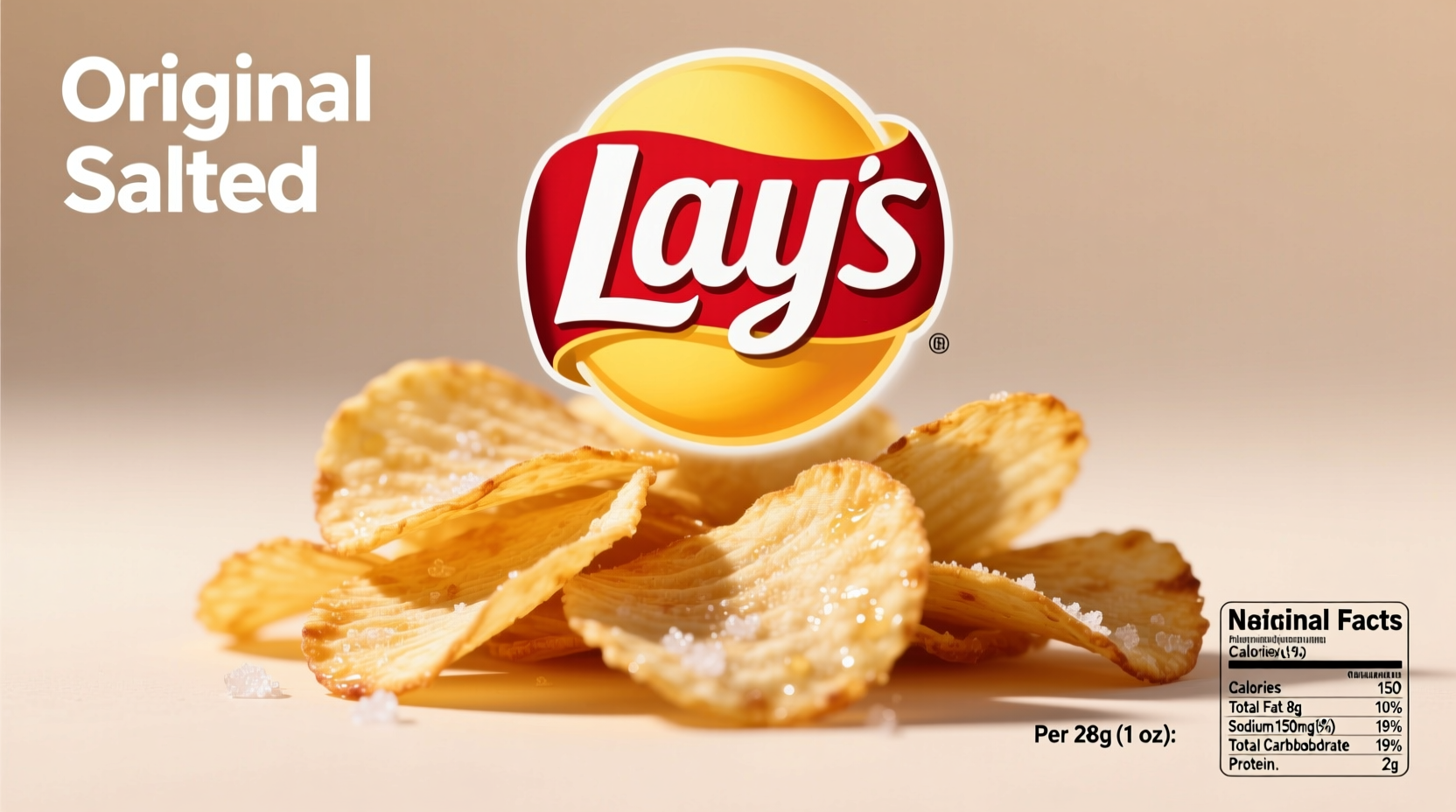
Classic Lays Potato Chips are a mass-market, salted potato chip produced by Frito-Lay, a subsidiary of PepsiCo. Introduced in 1932 by Herman W. Lay, the brand pioneered large-scale potato chip manufacturing in the United States. The “Classic” variety refers specifically to the original, unflavored version: made from potatoes, vegetable oil (typically a blend of sunflower, corn, and/or canola), and salt. Unlike flavored variants such as Sour Cream & Onion or BBQ, this version emphasizes simplicity and purity of taste—crisp texture, clean potato flavor, and balanced salinity.
The chips fall into the category of extruded and fried savory snacks, though unlike corn-based tortilla chips, Lays are made from whole peeled potatoes that are thinly sliced, fried, and seasoned. Their cultural significance extends beyond mere snacking; they are embedded in American food culture as a benchmark for crunch, freshness, and nostalgic satisfaction. Despite their processed nature, their ingredient list remains relatively short compared to many ultra-processed competitors, contributing to their enduring popularity.
Key Characteristics
The appeal of Classic Lays lies in a carefully engineered balance of physical and sensory traits. These characteristics are not accidental but the result of decades of product refinement aimed at maximizing consumer preference.
| Attribute | Description |
|---|---|
| Flavor Profile | Clean, mildly sweet potato base with pronounced saltiness and subtle roasted notes from frying. |
| Aroma | Toasty, oily, with hints of warm potato skin and seared starch. |
| Texture | Crackling crispness with immediate shatter; thin and uniform (approximately 0.8–1.2 mm thick). |
| Color | Pale gold to light amber; consistent across batches due to controlled frying temperatures. |
| Salt Level | High—contains 170 mg sodium per 1-ounce (28g) serving, designed to trigger appetite and repeat consumption. |
| Culinary Function | Primarily a standalone snack; also used as a textural garnish or ingredient in recipes like casseroles and salads. |
| Shelf Life | Approximately 6–9 months when unopened; degrades rapidly after exposure to air due to oil oxidation. |
Practical Usage
While most commonly eaten straight from the bag, Classic Lays have a surprising range of applications in both home and professional kitchens. Their neutral yet savory profile makes them adaptable beyond casual snacking.
Everyday Snacking
The primary use is, of course, direct consumption. A single serving (about 15 chips) provides quick energy and satisfies salt cravings. For mindful eating, pairing them with protein-rich dips like hummus, Greek yogurt-based ranch, or guacamole helps moderate glycemic impact and increases satiety.
Cooking & Recipe Integration
Chefs and home cooks alike repurpose crushed Classic Lays as a coating or topping:
- Breading substitute: Crushed chips work well as a crust for baked chicken tenders, fish fillets, or pork chops. They adhere better than breadcrumbs when mixed with egg wash and provide a buttery, salty crunch.
- Casserole topping: Sprinkled over green bean casserole, mac and cheese, or scalloped potatoes before baking, they add texture contrast without requiring additional seasoning.
- Salad enhancer:
- Dip vehicle: Ideal for scooping chunky salsas, spinach-artichoke dip, or pimento cheese due to their rigidity and surface area.
Professional Culinary Applications
In restaurant settings, some chefs use Classic Lays as a component in elevated bar snacks or deconstructed dishes. Examples include:
- Serving miniature turkey sandwiches on halved chips as hors d'oeuvres.
- Layering crushed chips with crème fraîche and smoked salmon for a modern take on blinis.
- Using chip dust (leftover crumbs) to season popcorn or rim cocktail glasses for savory Bloody Marys.
Pro Tip: To revive stale chips, spread them on a baking sheet and toast in a 350°F (175°C) oven for 5–7 minutes. This re-crisps them by driving off moisture without burning. Avoid microwaving, which can make them leathery.
Variants & Types
While “Classic” denotes the original salted version, Lays offers numerous variations that differ in ingredients, texture, and target audience. Understanding these distinctions helps consumers make informed choices based on flavor preference and dietary needs.
| Variant | Key Features | Best For |
|---|---|---|
| Lays Wavy | Thicker cut, ridged surface holds more seasoning; slightly chewier bite. | Dipping, bold flavors like Sour Cream & Onion. |
| Lays Kettle Cooked | Harder crunch, deeper browning, less uniform shape; cooked in batches. | Those preferring artisanal texture and stronger potato flavor. |
| Lays Baked | Reduced fat (45% less than classic), lower calorie, softer texture. | Calorie-conscious eaters; lacks signature crunch. |
| Lays Stax | Extruded from dough rather than sliced from potatoes; uniform shape, stackable. | Portion control, vending machines, long shelf life. |
| Lays Poppables | Miniature chips (half the size); marketed as portion-controlled snacking. | Children’s snacks, party favors, low-volume grazing. |
Despite these alternatives, the original Classic Lays remain the benchmark for flavor authenticity and textural consistency. None of the variants replicate the delicate balance of thinness, crispness, and oil saturation found in the classic version.
Comparison with Similar Ingredients
Several snack products occupy a similar space in the market, but key differences set Classic Lays apart.
| Product | Similarities | Differences |
|---|---|---|
| Pringles | Salty, crunchy, widely available. | Made from dehydrated potato flakes and flour; not from whole potatoes. Uniform shape, metallic taste from can lining. Higher in carbohydrates and preservatives. |
| Kettle Brand (Kettle Cooked) | Whole potato, simple ingredients, no artificial additives. | Thicker, less uniformly shaped, higher price point. More pronounced browning and caramelization. |
| Ruffles | Frito-Lay brand, similar oil blend. | Ridged for dipping; typically more heavily seasoned. Not available in an exact “plain” version. |
| Homemade Fried Potato Chips | Same core ingredient: fresh potatoes. | Fresher taste, customizable thickness and salt level. Lower shelf life. Oil choice (e.g., olive, avocado) affects nutrition and smoke point. |
The defining advantage of Classic Lays is consistency. Every bag delivers the same sensory experience, a feat achieved through industrial precision in slicing, frying, and seasoning. Competitors may offer richer flavor or healthier profiles, but rarely match this level of uniformity.
Practical Tips & FAQs
Are Classic Lays gluten-free?
Yes. Classic Lays contain only potatoes, vegetable oil, and salt—all naturally gluten-free. However, always check packaging for allergen statements, as production lines may process other products containing gluten.
How much sodium is too much in a serving?
One ounce (28g) contains 170 mg sodium, about 7% of the recommended daily limit (2,300 mg). While moderate in isolation, frequent consumption can contribute to high blood pressure, especially when combined with other processed foods.
Can I eat Classic Lays on a diet?
In moderation, yes. A single serving fits within most balanced diets. For weight management, consider pre-portioning (e.g., 15 chips in a bowl) to avoid mindless overeating. Pairing with fiber or protein slows digestion and reduces insulin spikes.
What oils are used, and are they healthy?
Lays uses a blend of sunflower, corn, and/or canola oil—common in commercial frying due to high smoke points and low cost. These oils are high in omega-6 fatty acids. While not inherently harmful, excessive omega-6 intake without sufficient omega-3s may promote inflammation. Opt for brands using olive or avocado oil if seeking a healthier fat profile.
Do they contain MSG or artificial flavors?
No. Classic Lays do not include monosodium glutamate (MSG) or artificial flavors. The savory taste comes entirely from natural potato flavor enhanced by salt and frying. This distinguishes them from flavored varieties, which may contain yeast extract or disodium inosinate.
How should I store opened bags?
Transfer remaining chips to an airtight container or resealable plastic bag, pressing out excess air. Stored properly, they stay crisp for 3–5 days. Avoid humid environments, which accelerate staleness.
Are there organic or non-GMO versions?
Frito-Lay offers “Simply Lays,” made with sunflower and rice bran oils and labeled non-GMO. However, they are not USDA-certified organic. For fully organic options, consider brands like Late July or Jackson’s Honest.
Expert Insight: “The brilliance of Classic Lays isn’t just in the recipe—it’s in the psychology of craveability. The combination of salt, fat, and crunch hits what food scientists call the ‘bliss point.’ But that doesn’t mean they can’t be part of a balanced diet. It’s about intentionality: enjoying them as a treat, not a staple.” — Dr. Elena Torres, Food Behavior Researcher, Cornell University
Summary & Key Takeaways
Classic Lays Potato Chips are more than a snack—they are a cultural artifact of American food engineering. Their enduring success stems from a precise balance of flavor, texture, and accessibility. Made from just three ingredients, they deliver a satisfying combination of crispness, mild potato sweetness, and salinity that appeals across demographics.
Nutritionally, they are high in calories and sodium relative to volume, but free from artificial additives, MSG, and gluten. When consumed in measured amounts and paired with nutrient-dense foods, they can fit into a varied diet. Their culinary utility extends beyond snacking, serving as a functional ingredient in coatings, toppings, and appetizers.
Among the various Lays iterations, the original Classic remains unmatched in consistency and simplicity. While alternatives like Baked or Kettle Cooked cater to specific dietary goals, none replicate the sensory hallmark of the thin, golden, salt-kissed chip that launched a billion bags.
Ultimately, understanding what goes into Classic Lays—both literally and figuratively—empowers consumers to make informed decisions. Whether enjoyed during movie night, crumbled over a casserole, or served alongside dip at a gathering, they represent a timeless intersection of pleasure and practicality in snack form.
Next time you open a bag of Classic Lays, take a moment to appreciate the craftsmanship behind each chip—and savor it intentionally.









