
For serious cyclists, vision is everything. Whether navigating high-speed descents, tracking power metrics, or staying aware in dense traffic, the right eyewear can mean the difference between a smooth ride and a dangerous situation. In recent years, two categories have gained traction: Bluetooth-enabled smart sports glasses and traditional prescription cycling glasses. While both aim to enhance the riding experience, they differ significantly in design, function, and—critically—safety. Understanding these differences helps riders make informed decisions that prioritize performance without compromising well-being.
The Rise of Smart Eyewear in Cycling
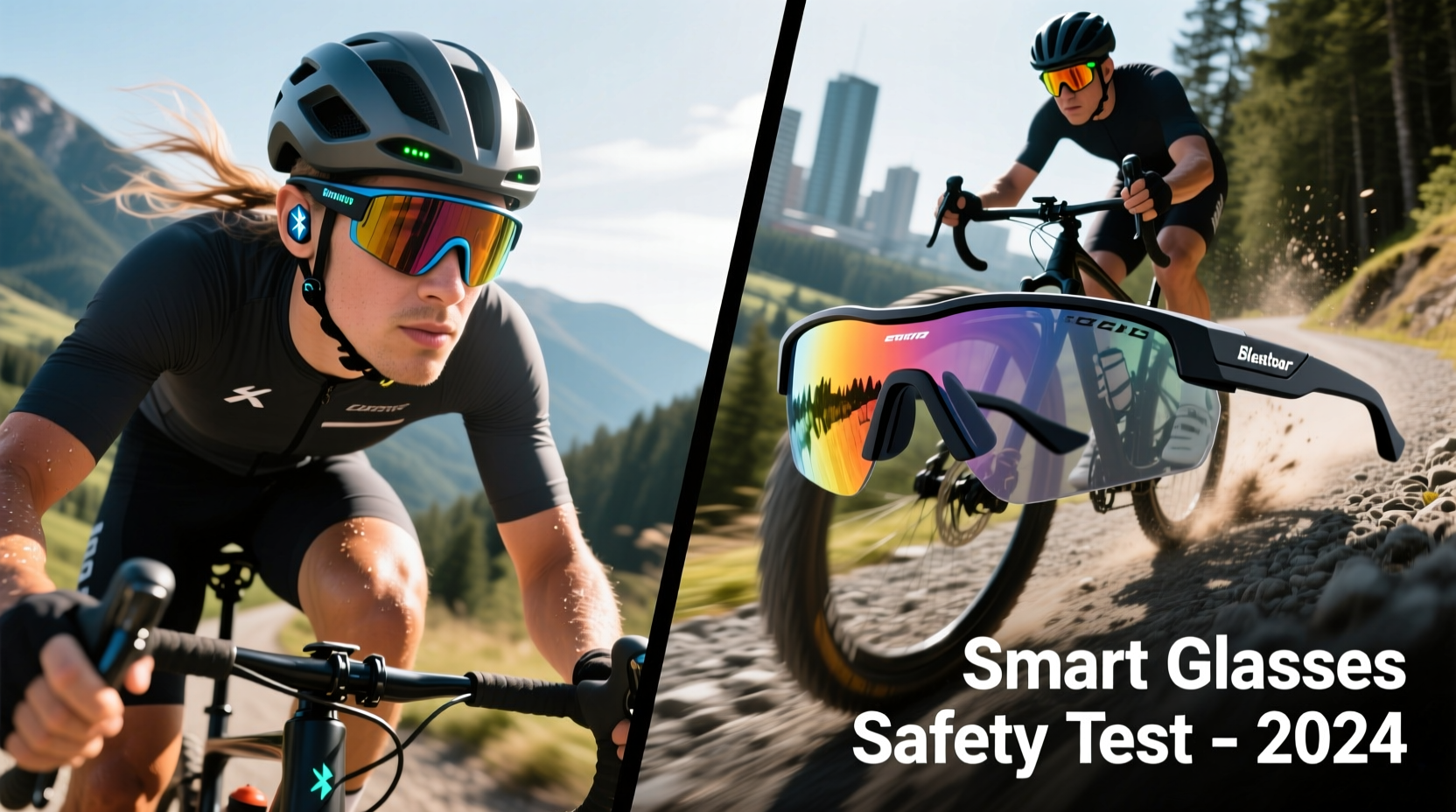
Smart glasses equipped with Bluetooth audio, heads-up displays (HUDs), and voice control have entered the athletic market with promises of convenience and connectivity. Brands like Bose, Oakley (with their RadarEV with Prizm Audio), and Ray-Ban Meta now offer sleek designs that integrate music, navigation prompts, and call handling directly into sunglasses. For casual riders or commuters, this technology offers hands-free access to information while maintaining situational awareness.
However, for serious cyclists—those logging long distances, training at high intensity, or racing—the integration of digital distractions raises valid concerns. Unlike passive eyewear, smart glasses introduce cognitive load through auditory cues, interface interactions, and potential device malfunctions. The question isn’t just about functionality, but whether these features support or undermine focus during critical moments on the road.
Tip: If using smart glasses, disable non-essential notifications before starting your ride to minimize auditory interruptions.Safety Considerations: Distraction vs. Awareness
Cycling demands constant environmental scanning. A split-second lapse in attention can lead to collisions, especially at intersections or when drafting in groups. Traditional prescription cycling glasses are designed solely to correct vision and protect eyes from UV rays, wind, debris, and glare—all without introducing additional stimuli.
In contrast, Bluetooth sports glasses often deliver audio directly into the ears via open-ear speakers or bone conduction. While this avoids full ear canal blockage, studies suggest that even low-volume audio cues can reduce auditory perception of ambient sounds such as approaching vehicles, sirens, or fellow riders calling out warnings.
“Any form of multitasking—even listening to turn-by-turn directions—can fragment attention. For elite athletes, minimizing cognitive load is key to peak performance and safety.” — Dr. Lena Torres, Sports Cognitive Psychologist, University of Colorado Boulder
Moreover, reliance on HUDs or voice commands may encourage glancing down or mentally processing data rather than focusing ahead. In group rides or pelotons, where micro-movements and hand signals dictate flow, divided attention increases risk.
Performance Comparison: Functionality vs. Focus
To evaluate which option serves serious cyclists better, consider core needs:
- Optical clarity and visual correction
- UV and impact protection
- Comfort during extended wear
- Environmental awareness
- Data accessibility (e.g., speed, cadence, route)
Prescription cycling glasses excel in the first four categories. Custom-tinted lenses (like photochromic or polarized options) adapt to changing light, while frame ergonomics ensure stability over rough terrain. They do not interfere with hearing or mental focus.
Smart glasses attempt to add value through embedded tech. Some models display real-time stats via tiny projectors near the lens edge. Others stream music synced with workout playlists. However, accessing this data requires either auditory processing or subtle eye shifts—both of which detract from forward vision.
| Feature | Bluetooth Sports Glasses | Prescription Cycling Glasses |
|---|---|---|
| Vision Correction | Limited (some offer inserts) | Full custom Rx available |
| Auditory Awareness | Reduced due to audio output | Unimpeded |
| Digital Distractions | Possible (notifications, voice prompts) | None |
| Battery Dependency | Yes (3–8 hours typical) | No |
| Impact Resistance | Moderate (plastic frames) | High (polycarbonate lenses, ANSI Z87.1 rated) |
| Data Integration | Yes (via app/audio) | No (requires separate device) |
Real-World Scenario: A Century Ride Gone Awry
Consider Mark, an experienced amateur cyclist preparing for his first 100-mile century. Training with new Bluetooth-enabled glasses, he appreciated turn-by-turn navigation during solo routes. On race day, however, things shifted. Midway through the event, his glasses began vibrating to signal an upcoming left turn—just as he was maneuvering through a tight pack near a busy intersection.
Distracted by the haptic alert and trying to process the verbal cue over wind noise, Mark drifted slightly into another rider’s wheel. The contact caused a minor crash, resulting in bruised ribs and a DNF. Post-event analysis revealed GPS signal bounce had triggered a false navigation prompt. Had he relied on pre-memorized cues or a handlebar-mounted bike computer, the incident might have been avoided.
This case illustrates how even reliable technology can fail under dynamic conditions—and why simplicity often wins in endurance sports.
When Smart Glasses Make Sense—and When They Don’t
Smart glasses aren't inherently unsafe. Their utility depends on context:
- Commuting or urban riding: Audio alerts for navigation can reduce the need to glance at phones.
- Solo training rides: Listening to coaching cues or music may boost motivation.
- Racing or group events: Any external input beyond essential communication increases risk.
For serious cyclists, particularly those involved in competitive disciplines, minimizing variables is paramount. A dropped connection, drained battery, or misheard instruction shouldn’t jeopardize safety. In contrast, prescription cycling glasses offer predictable, consistent performance—no firmware updates, pairing issues, or software bugs.
Checklist: Choosing the Right Eyewear for Serious Cycling
- Assess whether you require vision correction (if yes, prioritize Rx-compatible models).
- Evaluate your typical riding environment (urban, rural, group, solo).
- Determine if real-time data access is essential—or if a handlebar mount suffices.
- Test any smart glasses in low-risk settings before using them in traffic.
- Prioritize optical quality, lens tint versatility, and frame durability.
- Avoid devices that emit frequent sounds or lights during rides.
- Ensure compliance with ANSI or CE safety standards for impact resistance.
Frequently Asked Questions
Can I get prescription lenses in Bluetooth sports glasses?
Most current models do not support built-in prescription lenses. Some brands offer magnetic clip-ins or third-party adapters, but these can compromise fit, seal, and optical alignment. For optimal clarity and comfort, dedicated prescription cycling glasses remain the superior choice.
Are bone conduction headphones safer than regular earbuds for cycling?
Bone conduction keeps the ear canal open, allowing ambient sound to pass through. This improves awareness compared to traditional earbuds. However, any audio input still competes for cognitive attention. At high speeds or in complex traffic, silence or minimal audio feedback is safest.
Do professional cyclists use smart glasses?
Very few elite racers use smart glasses during competition. Most rely on team radios (in sanctioned events) or pre-planned strategies. Data comes from head units or coaching staff, not wearable displays. Their gear choices emphasize weight savings, aerodynamics, and unobstructed senses.
Conclusion: Prioritizing Safety Without Sacrificing Performance
Technology continues to evolve, and smart glasses will likely become more intuitive and less intrusive. But for today’s serious cyclist, the safest choice remains clear: uncompromised vision, maximum awareness, and zero distractions. Prescription cycling glasses fulfill these needs reliably, without dependency on batteries or software.
If you choose to use Bluetooth sports glasses, reserve them for low-risk scenarios—commutes, recovery spins, or solo trail rides. Never let convenience override caution when sharing roads or riding at pace. Ultimately, the best tool for a serious cyclist isn’t the most advanced gadget, but the one that keeps them focused, protected, and in control.
🚀 Ready to optimize your ride? Audit your current gear: Is it enhancing performance—or adding risk? Share your thoughts or experiences with cycling eyewear in the comments below.








