Seasonal shifts, long winter nights, or even indoor-centric lifestyles can leave you feeling sluggish, low on energy, or emotionally flat. For many, the solution isn’t medication or drastic lifestyle changes—it’s light. Therapeutic light boxes simulate natural sunlight and are clinically proven to help regulate circadian rhythms, elevate mood, and increase alertness. Choosing the right one, however, requires more than just brightness; it involves understanding intensity, spectrum, safety, and usage patterns.
How Light Therapy Works
Natural sunlight plays a crucial role in regulating the body’s internal clock, also known as the circadian rhythm. When daylight diminishes—especially during fall and winter—the brain may produce more melatonin, the hormone responsible for sleepiness, leading to fatigue, low mood, and difficulty concentrating. This condition, often diagnosed as Seasonal Affective Disorder (SAD), affects millions worldwide.
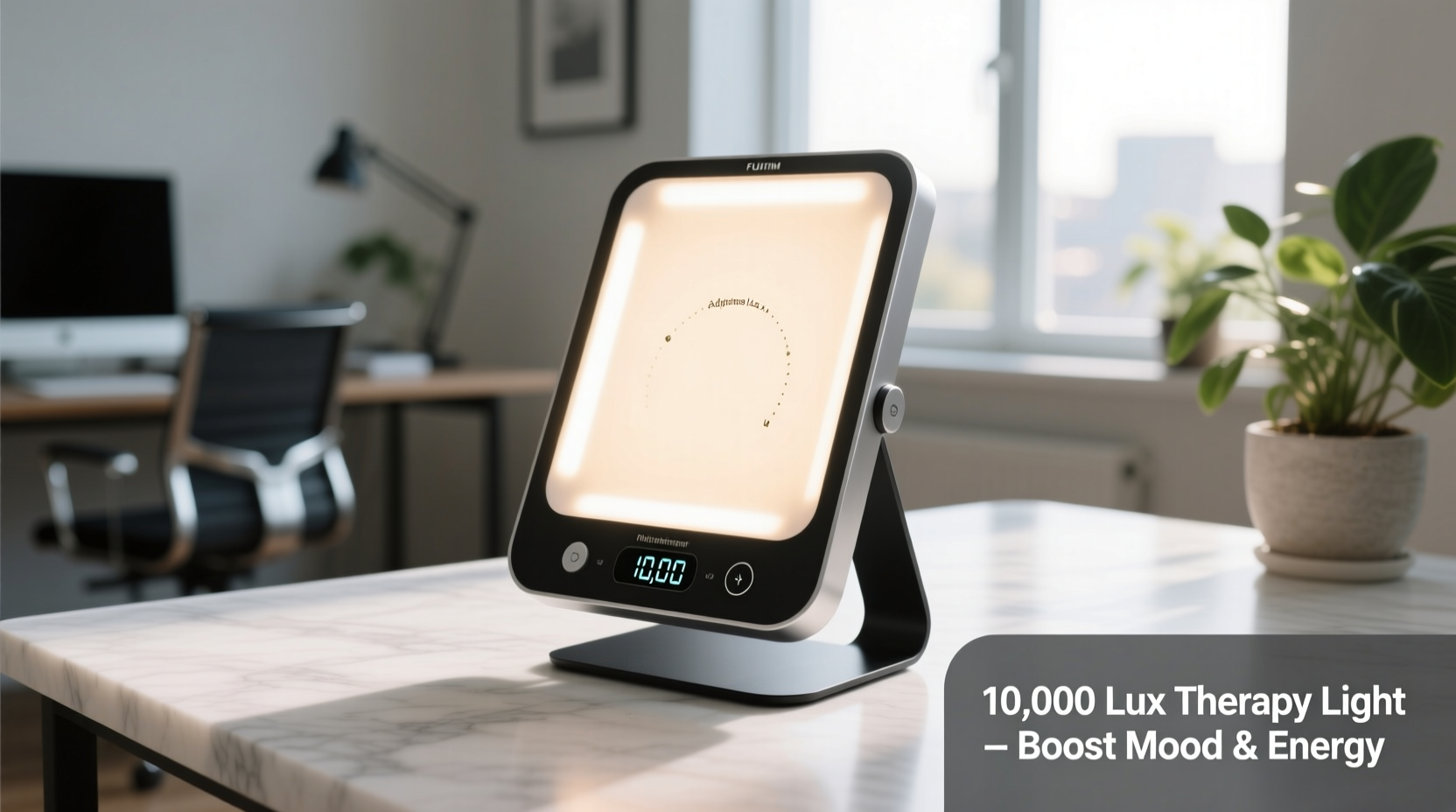
Light therapy boxes emit bright, full-spectrum light that mimics outdoor daylight without harmful UV rays. Exposure to this light in the morning helps suppress melatonin production, signaling the brain to wake up and feel alert. It also stimulates serotonin, a neurotransmitter linked to feelings of well-being and happiness.
“Daily exposure to 10,000 lux of bright white light for 20–30 minutes each morning can significantly improve symptoms of seasonal depression and daytime fatigue.” — Dr. Rebecca Turner, Sleep and Mood Specialist at the National Institute of Circadian Health
Key Features of the Best Therapeutic Light Box
Not all light boxes are created equal. To ensure effectiveness and safety, consider these essential criteria when selecting a device:
- Lux output: The best devices deliver 10,000 lux, the standard intensity used in clinical studies.
- UV filtration: Ensure the box filters out 99% of UVA and UVB rays to protect skin and eyes.
- Light spectrum: Look for full-spectrum or daylight-balanced white light (5000K–6500K color temperature).
- Size and portability: Larger surface areas allow indirect viewing while working, reading, or eating breakfast.
- Glare reduction: Diffused lighting or adjustable angles reduce eye strain.
- Certifications: FDA-cleared or medically recommended models offer higher credibility.
Top-Rated Light Boxes Compared
| Model | Lux Output | UV Protection | Portability | Special Features |
|---|---|---|---|---|
| Verilux HappyLight Luxe | 10,000 lux | Yes (99.3%) | Compact, desk-friendly | Dawn simulation mode, multiple brightness settings |
| Philips SmartSleep HF3600/01 | 10,000 lux | Yes (UV-free) | Slim, wall-mountable | Smart sensor adjusts brightness based on ambient light |
| Amazon Basics LED Light Therapy Lamp | 10,000 lux | Yes | Lightweight, foldable stand | Budget-friendly, minimal design |
| carex Day-Light Classic Plus | 10,000 lux | Yes (UV shield) | Bulkier, stationary | Widest light field—ideal for group or side-by-side use |
| Beurer TL 70 | 10,000 lux | Yes | Medium size, stable base | Timer function, glare-free diffuser |
The Verilux and Philips models consistently receive top marks for user experience, build quality, and advanced features like automatic dimming and dawn simulation. For budget-conscious buyers, the Amazon Basics option offers strong performance at a fraction of the cost.
Step-by-Step Guide to Using Your Light Box Effectively
Using a light therapy box correctly is just as important as choosing the right model. Follow this daily routine for optimal results:
- Choose your time: Use the light box within the first hour of waking, ideally between 6:00–8:00 AM.
- Set the distance: Place the box 16–24 inches from your face. Do not look directly at it—glance toward it occasionally while reading or having breakfast.
- Start slow: Begin with 10–15 minutes per day. Gradually increase to 20–30 minutes over a week.
- Maintain consistency: Use it daily, especially during darker months. Skipping days can reduce benefits.
- Monitor response: Track mood, energy, and sleep patterns in a journal. Most people notice improvements within 1–2 weeks.
- Adjust as needed: If you experience headaches or agitation, reduce duration or increase distance. Morning use helps avoid insomnia.
Real-World Example: Sarah’s Winter Transformation
Sarah, a 38-year-old graphic designer in Seattle, struggled every winter with low energy and irritability. She’d sleep longer but still feel groggy by mid-afternoon. Her doctor suggested she try light therapy after ruling out thyroid issues and vitamin deficiencies.
She purchased the Philips SmartSleep HF3600 and began using it daily at 7:00 AM while drinking her coffee and checking emails. Within five days, she noticed she was waking up more easily. By the second week, her afternoon slumps diminished, and she felt more motivated to exercise after work. After a month, her partner commented she seemed “lighter” and more engaged. Sarah now uses the lamp year-round on cloudy days and keeps it on her home office desk for quick boosts.
Common Mistakes to Avoid
- Using it too late in the day: Evening exposure can disrupt sleep by delaying melatonin release.
- Staring directly at the light: This can cause eye strain or discomfort. Peripheral exposure is sufficient.
- Inconsistent timing: Irregular use reduces effectiveness. Treat it like a daily supplement.
- Choosing a low-lux model: Devices under 5,000 lux require much longer sessions and are less effective.
- Ignoring side effects: Headaches or jitteriness usually subside, but if they persist, adjust usage or consult a professional.
Frequently Asked Questions
Can I use a light box if I don’t have SAD?
Absolutely. Many people use light therapy to combat general fatigue, improve focus, regulate sleep schedules, or offset the effects of shift work or frequent travel across time zones.
Is it safe for people with eye conditions?
Most modern light boxes are safe for individuals with corrected vision or mild eye issues. However, those with macular degeneration, glaucoma, or retinal diseases should consult an ophthalmologist before starting therapy.
How soon will I see results?
Some users report increased alertness after the first session. Noticeable mood improvements typically occur within 3–7 days, with full effects seen in 2–4 weeks of consistent use.
Checklist: Choosing and Using Your Light Box
- ☐ Select a 10,000 lux device with UV protection
- ☐ Read verified customer reviews and medical endorsements
- ☐ Place the box on a stable surface at eye level or slightly above
- ☐ Use for 20–30 minutes each morning within one hour of waking
- ☐ Keep eyes open but avoid direct gaze into the light
- ☐ Track mood and energy levels weekly
- ☐ Discontinue use if you experience persistent side effects
- ☐ Store in a dry place and clean the surface regularly with a soft, damp cloth
Conclusion: Shine a Light on Better Days
A high-quality therapeutic light box is more than a seasonal tool—it’s a powerful ally for mental clarity, emotional balance, and sustained energy. Whether you’re navigating the winter blues, adjusting to a new schedule, or simply seeking a natural way to feel more awake and positive, the right light therapy device can make a measurable difference. The key lies in informed selection, consistent use, and realistic expectations. Start today, stick with it, and let the light guide you toward brighter, more energized mornings.
💬 Have you tried light therapy? Share your experience or questions below—your story could help someone find their own light.








