Color-treated hair demands more than just a standard shampoo. After investing time and money into achieving the perfect shade—whether it’s platinum blonde, rich burgundy, or balayage caramel—maintaining that vibrancy becomes essential. One of the most critical steps in protecting your color is choosing the right shampoo. Sulfates, commonly found in many drugstore formulas, are harsh detergents that strip away natural oils and artificial pigments alike, leading to rapid fading and dryness.
Sulfate-free shampoos have emerged as a game-changer for those with chemically treated hair. They cleanse gently without compromising color integrity, helping your hue stay bold and glossy between salon visits. But not all sulfate-free options are created equal. Some lack sufficient cleansing power, while others miss key hydrating ingredients needed to restore moisture balance after coloring. The best ones strike a delicate balance: effective cleansing, color protection, and nourishment—all without sulfates.
Why Sulfate-Free Matters for Color-Treated Hair
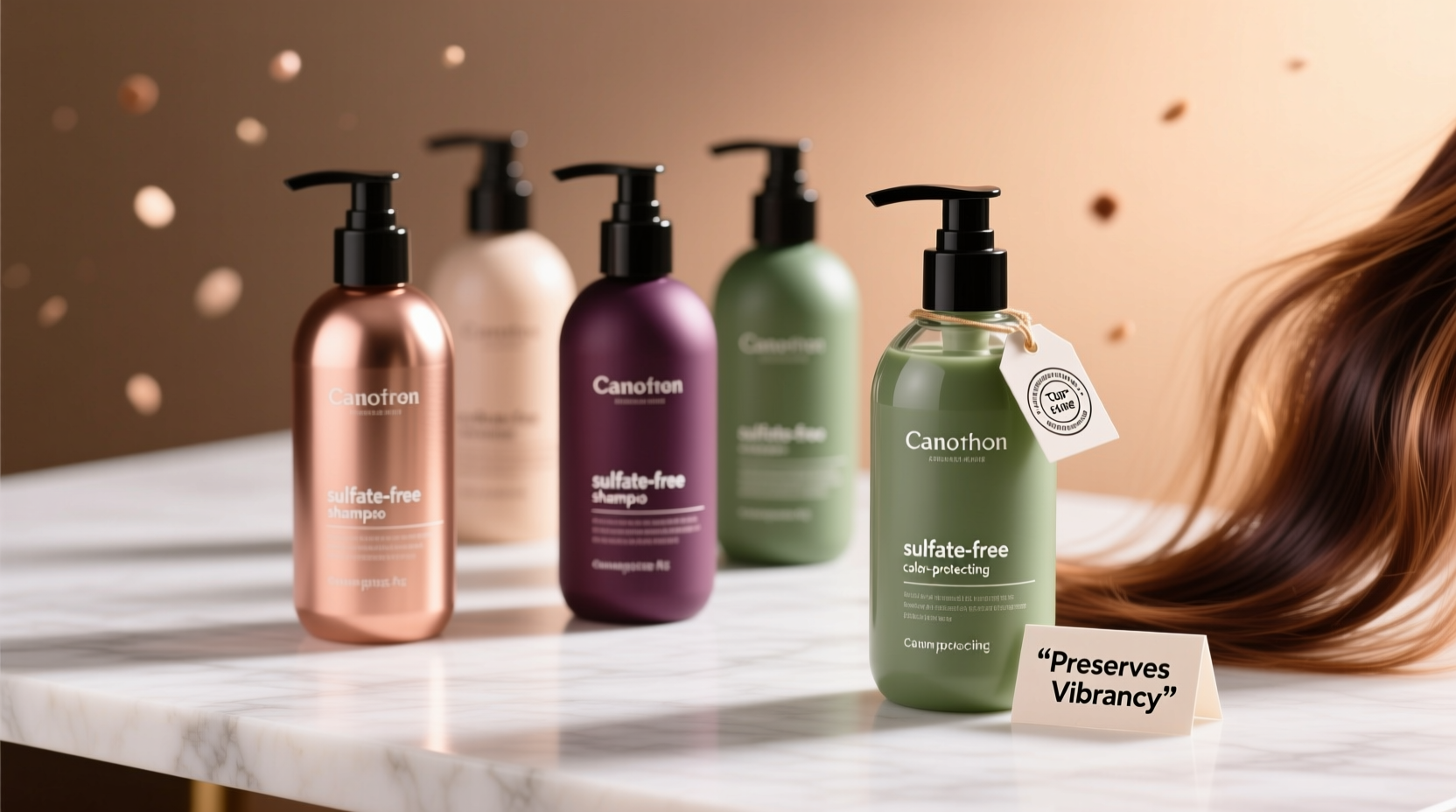
Sulfates like sodium lauryl sulfate (SLS) and sodium laureth sulfate (SLES) are powerful surfactants designed to create a rich lather and remove oil and buildup. While effective for oily scalps, they’re too aggressive for processed hair. When you color your hair, the cuticle lifts to allow pigment penetration. This makes strands more porous and vulnerable to environmental stressors and chemical exposure.
Washing with sulfates accelerates the breakdown of dye molecules, especially in oxidative tints like permanent color. Water temperature compounds this issue—hot showers open the cuticle further, allowing color to rinse out faster when paired with sulfate-laden cleansers. Over time, this leads to dullness, brassy undertones, and uneven fading.
“Switching to a sulfate-free formula can extend the life of your color by up to 50%. It’s one of the simplest yet most impactful changes a client can make.” — Dr. Lena Torres, Trichologist & Hair Care Scientist
Beyond color preservation, sulfate-free shampoos support overall hair health. They reduce frizz, improve shine, and minimize breakage by retaining essential lipids and moisture within the cortex. For anyone who colors their hair regularly, this shift isn’t just cosmetic—it’s structural.
Top 7 Sulfate-Free Shampoos That Protect Color Vibrancy
After reviewing dermatologist recommendations, salon feedback, ingredient profiles, and user reviews across multiple platforms, these seven shampoos consistently stand out for their ability to clean effectively while preserving color intensity and enhancing manageability.
| Shampoo | Key Benefits | Notable Ingredients | Best For |
|---|---|---|---|
| Olaplex No. 4 Bond Maintenance Shampoo | Repairs bonds, prevents breakage, enhances shine | Bis-Aminopropyl Diglycol Dimaleate, Coconut Oil | All color types, especially bleached or highlighted hair |
| Redken Color Extend Magnetics Shampoo | Extends color retention, pH-balanced | Citric Acid, Sunflower Seed Extract, Amino Acids | Fine to medium hair, frequent washers |
| Living Proof Perfect Hair Day Color Safe Shampoo | Builds resilience over time, removes buildup without stripping | Healthy Hair Molecule (OFPMA), Glycerin | Daily use, all hair textures |
| Kérastase Chroma Captive Shampoo | Anti-fade technology, luxurious lather | Hyaluronic Acid, Edelweiss Extract | Luxury seekers, thick or coarse hair |
| Pureology Hydrate Sheer Shampoo | Lightweight hydration, UV protection | Aloe Vera, Green Tea, Antioxidants | Fine or thin color-treated hair |
| Verb Ghost Shampoo | Gentle cleansing, clarifies without drying | Coconut-Derived Cleansers, Peppermint Oil | Curly or wavy hair, low-porosity strands |
| Christophe Robin Cleansing Mask with Sea Salt | Scalp detox, adds volume, deeply cleanses | Sea Salt, Camellia Oil, Seaweed Extract | Infrequent washers, oily roots/dry ends |
Each of these products avoids sulfates entirely and incorporates protective elements such as UV filters, antioxidants, and cuticle-sealing agents. Many also include violet pigments (in purple variants) to neutralize brassiness in lightened hair, offering dual-action benefits.
Tip: Apply shampoo only to the scalp and roots. Let the suds run through the lengths during rinsing to avoid over-cleansing already fragile ends.How to Maximize Color Longevity: A Step-by-Step Routine
Using the right shampoo is only part of the equation. To truly preserve vibrancy, integrate a full care strategy. Follow this timeline-based routine for optimal results:
- Wash Every 3–4 Days: Overwashing increases exposure to water and product, accelerating fade. If needed, use dry shampoo between washes.
- Rinse with Cool Water: Cold water seals the cuticle, locking in color and boosting shine. Finish each wash with a 30-second cool rinse.
- Pre-Treat Before Swimming: Wet hair with clean water and apply a leave-in conditioner before entering chlorinated or saltwater pools. Chlorine binds to dry hair, causing oxidation and discoloration.
- Use Weekly Color-Depositing Masks: Incorporate a color-depositing mask (like Redken Color Extend Blondage or Fanola No Yellow) once a week to refresh tone and counteract brassiness.
- Limit Heat Styling: Flat irons and curling wands above 350°F degrade dye molecules. Always apply a heat protectant with UV filters.
- Sleep on Silk Pillowcases: Cotton absorbs moisture and creates friction, leading to cuticle damage. Silk reduces snagging and helps retain hydration.
This regimen supports both immediate vibrancy and long-term hair strength. Consistency matters more than perfection—small habits compound into lasting results.
Real-World Example: How Sarah Extended Her Rose Gold Hue by 8 Weeks
Sarah, a graphic designer from Portland, had her hair professionally colored rose gold last spring. She loved the result but noticed fading within three weeks. Frustrated, she consulted her colorist, who reviewed her routine and discovered several issues: daily washing, hot showers, and continued use of her old volumizing shampoo containing SLS.
She switched to Olaplex No. 4 shampoo and followed a revised care plan: washing every four days, using cool water, applying a UV-protective spray daily, and sleeping on a silk pillowcase. She also started using the Olaplex No. 3 treatment weekly.
Over the next few months, her colorist noted significantly less fading during touch-ups. Instead of needing a correction every six weeks, Sarah maintained her rose gold tone for nearly 14 weeks before requiring a refresh. “I didn’t realize how much my routine was working against me,” she said. “Now my hair feels stronger and looks salon-fresh longer.”
Checklist: Building Your Color-Safe Hair Care System
To ensure you're fully equipped to protect your color, follow this actionable checklist:
- ✅ Replace all shampoos with sulfate-free, color-safe formulas
- ✅ Choose conditioners and masks with ceramides or panthenol
- ✅ Install a shower filter to reduce chlorine and mineral buildup
- ✅ Use a heat protectant with UV filters before styling or sun exposure
- ✅ Limit washing frequency to 2–3 times per week
- ✅ Store hair products away from direct sunlight to prevent ingredient degradation
- ✅ Schedule monthly deep conditioning treatments at home or in-salon
- ✅ Trim split ends every 8–10 weeks to prevent upward damage
This checklist ensures holistic protection—not just surface-level shine, but internal resilience. Think of it as preventive maintenance for your color investment.
Frequently Asked Questions
Do sulfate-free shampoos lather less?
Yes, they typically produce less foam because sulfates are responsible for high lather. However, lather doesn’t correlate with cleaning power. Modern sulfate-free formulas use gentle coconut-derived surfactants that cleanse effectively without excessive bubbling. If you miss the foamy feel, try massaging your scalp longer or using a silicone scrubber to boost suds.
Can I use sulfate-free shampoo on oily hair?
Absolutely. Many sulfate-free shampoos are formulated specifically for oily scalps. Look for lightweight options like Living Proof Perfect Hair Day or Verb Ghost, which remove sebum without overdrying. Avoid heavy silicones or oils if you’re prone to greasiness. Clarifying sulfate-free shampoos (such as Kérastase Specifique Bain Clarifiant) can be used once a week to reset buildup.
How soon after coloring should I wait to wash my hair?
Wait at least 48 to 72 hours after coloring before your first wash. This allows the cuticle to close and the dye molecules to stabilize within the hair shaft. Washing too soon can flush out unbound pigment, resulting in premature fading. During this period, avoid sweating heavily or getting your hair wet unnecessarily.
Expert Insight: What Dermatologists Look for in a Color-Safe Formula
When evaluating shampoos for patients with color-treated hair, board-certified dermatologists prioritize specific criteria beyond the absence of sulfates.
“The ideal formula includes mild surfactants, a slightly acidic pH (between 4.5 and 5.5), and added humectants like glycerin or hyaluronic acid. These help maintain the scalp’s microbiome while preventing transepidermal water loss in the fiber.” — Dr. Anika Patel, Cosmetic Dermatologist
She also warns against overly fragranced products, which may cause scalp irritation in sensitive individuals. “Fragrance is the number one allergen in haircare,” she notes. “Opt for ‘fragrance-free’ or naturally scented options if you have a history of reactions.”
pH balance is particularly crucial. Alkaline shampoos (above pH 7) lift the cuticle, making it easier for color to escape. Acidic formulas seal it shut, trapping moisture and pigment inside. Check labels or use pH strips to test unfamiliar products.
Final Thoughts: Make Every Wash Work for Your Color
Your shampoo shouldn’t just clean—it should protect, strengthen, and enhance. With the right sulfate-free formula, you can dramatically slow down color fade, reduce damage, and enjoy vibrant, healthy-looking hair between salon appointments. The best options combine science-backed ingredients with sensory appeal, making the switch both effective and enjoyable.
Don’t underestimate the cumulative impact of daily choices. From water temperature to washing frequency, every detail contributes to how long your color lasts. By selecting a high-performance, sulfate-free shampoo and pairing it with mindful habits, you take control of your hair’s appearance and longevity.
💬 Have a favorite sulfate-free shampoo that kept your color looking fresh? Share your experience in the comments—your tip could help someone else find their holy grail product!








