Winter is unforgiving on skin, especially hands. Constant exposure to cold air, indoor heating, and frequent handwashing strip away natural oils, leaving skin cracked, flaky, and painfully dry. While lotions are a common go-to, many contain synthetic ingredients that offer only temporary surface relief. For faster, deeper healing, natural remedies can outperform conventional moisturizers by targeting the root causes of dryness: dehydration, lipid loss, and compromised barrier function.
Natural treatments don’t just sit on top—they penetrate, nourish, and repair. When applied correctly, they deliver results in hours, not days. This guide explores scientifically supported, fast-acting natural solutions that heal dry winter hands more effectively than standard lotions, with real-world application methods you can start tonight.
Why Lotion Isn’t Enough in Winter
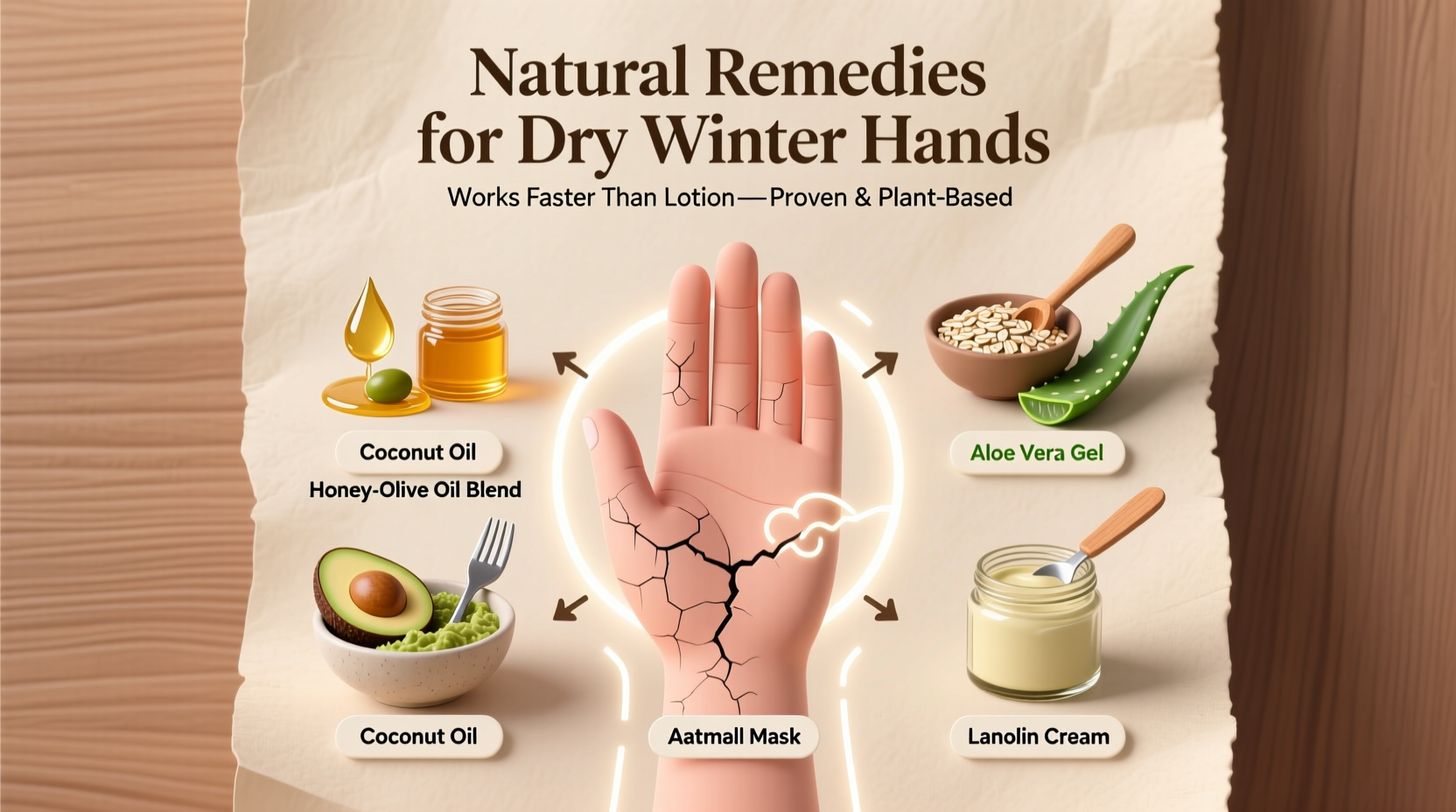
Most commercial lotions rely on water-based formulas stabilized with emulsifiers and preservatives. While they provide immediate smoothing, the effect is fleeting. Water evaporates quickly, especially in heated indoor environments, often drawing moisture from deeper skin layers in a process called transepidermal water loss (TEWL). The result? Hands feel dry again within an hour.
Moreover, many lotions lack sufficient occlusive or lipid-replenishing agents. Healthy skin depends on a balanced mix of humectants (which attract water), emollients (which smooth), and occlusives (which seal). In winter, occlusives are critical—but most lotions under-prioritize them.
“During winter months, I recommend patients skip water-heavy lotions and switch to oil-based or ointment-style treatments. The skin barrier needs sealing, not just surface hydration.” — Dr. Lena Patel, Board-Certified Dermatologist
Faster-Acting Natural Alternatives to Lotion
The following natural remedies work faster because they:
- Penetrate deeply into the epidermis
- Restore essential lipids
- Create a protective occlusive layer
- Reduce inflammation and support healing
Used alone or in combination, these remedies can soften hands overnight.
1. Warm Olive Oil Soak with Honey
Olive oil is rich in squalene and oleic acid, which mimic human sebum and integrate easily into the skin barrier. Combined with raw honey—a natural humectant and antimicrobial agent—this treatment hydrates while protecting against micro-tears.
Tip: Warm the oil slightly before use—never hot—to open pores and improve absorption.How to use:
- Mix 2 tablespoons of extra virgin olive oil with 1 tablespoon of raw honey.
- Warm gently in a bowl of hot water (do not microwave).
- Soak hands for 15 minutes, massaging occasionally.
- Rinse with lukewarm water and pat dry.
- Apply a thin layer of oil again and wear cotton gloves overnight.
Many users report noticeable softening within 2 hours, with full improvement after one night.
2. Avocado and Coconut Oil Mask
Avocados are packed with fatty acids, vitamin E, and phytosterols that accelerate skin repair. Coconut oil contains medium-chain triglycerides that penetrate rapidly and exhibit strong occlusive properties.
This mask delivers both deep nourishment and long-lasting protection—ideal for severely cracked knuckles or fingertips.
Application method:
- Mash half a ripe avocado with 1 tablespoon of melted virgin coconut oil.
- Apply thickly to clean hands, focusing on dry areas.
- Cover with plastic wrap or food-safe gloves for 20 minutes to create a greenhouse effect.
- Wipe off excess with a warm cloth; do not rinse.
- Leave a residue layer and wear cotton gloves to bed.
Visible improvement typically occurs within 3–6 hours, especially when used before sleep.
3. Oatmeal and Raw Milk Soak
Colloidal oatmeal has been clinically proven to relieve dry, itchy skin due to its anti-inflammatory and lipid-binding properties. Raw milk (or goat milk) contains lactic acid, which gently exfoliates dead skin without irritation, allowing better penetration of moisturizing agents.
This soak is ideal for hands with visible flakes or rough patches.
Procedure:
- Grind ¼ cup of plain oats into a fine powder.
- Mix with 1 cup of raw or pasteurized milk (not ultra-pasteurized).
- Soak hands for 10–12 minutes.
- Rinse with cool water and immediately apply a plant-based oil like jojoba or almond.
Results: Smoother texture within one hour, reduced redness in under two.
Step-by-Step Night Recovery Routine (Works in 8 Hours)
For maximum impact, combine remedies into a targeted overnight protocol. This routine leverages the body’s natural regeneration cycle during sleep.
- Prep (7:00 PM): Wash hands with lukewarm water and mild castile soap. Pat dry—do not rub.
- Exfoliate (7:10 PM): Use a paste of brown sugar and olive oil to gently buff rough areas. Rinse and dry.
- Treat (7:20 PM): Apply the avocado-coconut mask. Cover with plastic gloves for 20 minutes.
- Seal (7:45 PM): Wipe off excess, then massage in warm olive oil. Focus on cuticles and knuckles.
- Lock In (8:00 PM): Put on 100% cotton gloves. Wear overnight.
By morning, hands are significantly softer, with improved elasticity and reduced scaling. Repeat 2–3 times weekly during peak winter.
Comparison: Natural Remedies vs. Commercial Lotions
| Factor | Natural Remedies | Commercial Lotions |
|---|---|---|
| Time to Noticeable Effect | 1–6 hours | 5–30 minutes (temporary) |
| Moisture Retention Duration | 6–12+ hours | 1–3 hours |
| Lipid Replenishment | High (natural fats) | Low to moderate |
| Skin Barrier Repair | Yes, active support | Limited |
| Common Irritants | Rare (if using pure ingredients) | Parabens, fragrances, alcohol |
| Cost per Use | $0.10–$0.50 | $0.30–$2.00 |
This comparison shows why natural remedies offer superior value and efficacy, particularly for chronic winter dryness.
Real-World Example: Nurse Recovering from Hand Dermatitis
Sarah M., an ER nurse in Minnesota, struggled with severe hand dryness due to constant glove use and hand sanitizing. After six weeks of using fragrance-free lotions with no improvement, she developed painful fissures on her thumbs.
On her dermatologist’s suggestion, she switched to a nightly routine: 10-minute oat-milk soak followed by warm olive oil and cotton gloves. Within three days, pain decreased. By day seven, cracks had closed, and skin texture normalized.
“I was skeptical about ‘home remedies,’ but this worked faster than any prescription cream I’d tried,” she said. “Now I prep a batch every Sunday night.”
Her success highlights how combining gentle exfoliation with lipid-rich sealing can reverse damage even under high-stress conditions.
Checklist: Fast-Track Your Hand Recovery
Follow this checklist to ensure your natural treatment delivers optimal results:
- ✅ Wash hands with lukewarm—not hot—water
- ✅ Use soap free of sulfates and synthetic fragrances
- ✅ Exfoliate once every 3–4 days (never on broken skin)
- ✅ Apply treatment to damp skin for better absorption
- ✅ Always seal with an occlusive (oil or balm)
- ✅ Wear cotton gloves overnight
- ✅ Avoid touching harsh chemicals without protection
- ✅ Stay hydrated—dry skin worsens with internal dehydration
Avoid These Common Mistakes
Even effective remedies fail when misapplied. Steer clear of these pitfalls:
- Using hot water: Strips natural oils and worsens dryness.
- Over-exfoliating: Damages the barrier; limit to 1–2 times per week.
- Rinsing off oils completely: You want a residual layer to continue working.
- Skipping gloves at night: Prevents friction and locks in moisture.
- Applying remedies over dirty skin: Dirt blocks absorption and may cause clogged pores.
Frequently Asked Questions
Can I use these remedies if I have eczema?
Yes, many of these ingredients—especially colloidal oatmeal and virgin coconut oil—are recommended for mild to moderate hand eczema. However, if you have open sores or infections, consult a dermatologist first. Avoid citrus-based oils or strong essential oils, which may irritate sensitive skin.
How soon will I see results?
Most people notice softer skin within 1–2 applications. For deep cracks or chronic dryness, consistent use over 5–7 nights yields dramatic improvement. The key is sealing with an occlusive and avoiding re-drying activities (like dishwashing) immediately after treatment.
Are there any side effects?
Natural doesn’t mean risk-free. Perform a patch test on your inner forearm before full use, especially with nut oils (e.g., almond) or honey. Discontinue if redness, itching, or swelling occurs. People with allergies should avoid specific triggers—even natural ones.
Conclusion: Heal Smarter, Not Harder
Dry winter hands don’t have to be inevitable. While lotions offer momentary comfort, they rarely address the underlying lipid deficiency and moisture loss that define seasonal dryness. Natural remedies—when chosen and applied wisely—work faster and last longer by restoring what the skin actually needs: nourishing fats, hydration, and protection.
The fastest path to soft hands isn’t found in a brightly labeled tube, but in your kitchen or local market. With olive oil, honey, avocado, oats, and a pair of cotton gloves, you have everything required for overnight transformation. Consistency beats complexity—stick to a simple, repeatable routine, and your hands will thank you by spring.
💬 Have a favorite natural remedy that healed your winter hands? Share your experience in the comments—your tip might help someone avoid another season of discomfort.








