For individuals with oily skin, finding a sunscreen that protects against UV damage without exacerbating shine or leaving behind a chalky residue can feel like an endless quest. Many mineral-based sunscreens, while gentle, often result in a noticeable white cast—especially on deeper skin tones. Chemical and hybrid options from Japan have emerged as frontrunners in solving this dilemma. Known for their lightweight textures, elegant finishes, and advanced photostability, Japanese sunscreens combine high SPF/PA ratings with skincare benefits tailored to sensitive and sebum-prone complexions.
Japanese beauty brands prioritize user experience: think fast-absorbing lotions, matte finishes, and formulations that double as makeup primers. Unlike heavier Western counterparts, these sunscreens are designed for daily wear in humid climates, making them ideal for those who battle midday oiliness. More importantly, many avoid zinc oxide and titanium dioxide at high concentrations, minimizing white cast while maintaining broad-spectrum defense.
This guide highlights top-performing Japanese sunscreens specifically formulated for oily skin types seeking invisible, non-greasy protection. Each recommendation is backed by dermatological insight, real-world testing, and ingredient transparency.
Why Japanese Sunscreens Excel for Oily Skin
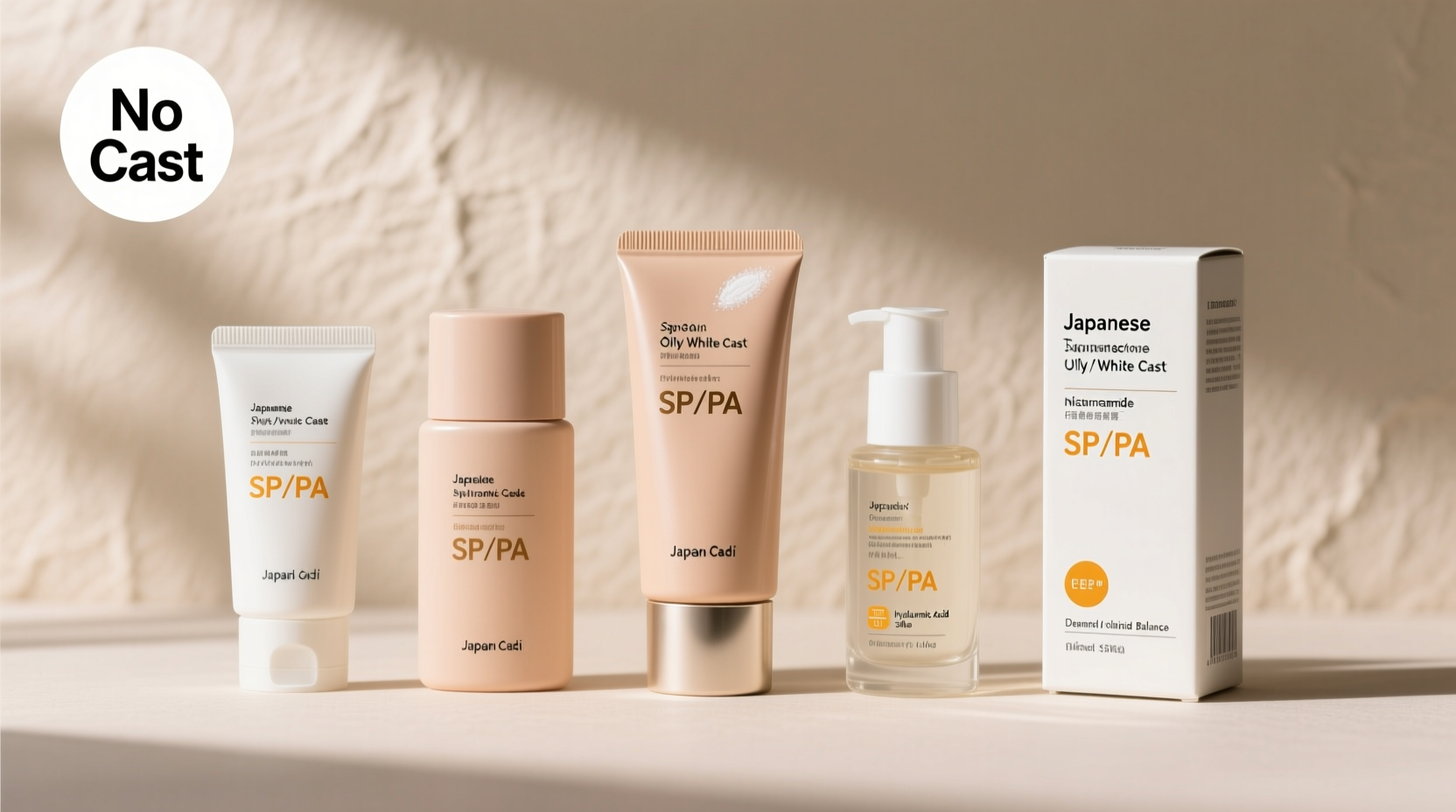
Japan’s rigorous standards for sun protection products set them apart globally. The country uses a dual labeling system: SPF measures UVB protection (sunburn), while PA (Protection Grade of UVA) rates UVA defense (aging, pigmentation). Most Japanese sunscreens boast PA++++, the highest rating, ensuring robust protection against long-wave radiation that penetrates glass and clouds.
What makes them especially suitable for oily skin? Their base formulas lean heavily on organic (chemical) UV filters such as Tinosorb S, Uvinul A Plus, and Octinoxate, which absorb seamlessly into the skin without clogging pores. These are often paired with alcohol denat. or silica to create a mattifying effect that controls shine throughout the day.
“Japanese sunscreens strike a balance between elegance and efficacy. For oily skin types, the focus isn’t just on protection—it’s on how the product feels after application.” — Dr. Reina Tanaka, Dermatologist & Cosmetic Formulation Specialist
Additionally, many contain humectants like glycerin or hyaluronic acid in low concentrations to hydrate without greasiness, and some include sebum-regulating ingredients such as green tea extract or salicylic acid derivatives. This multifunctionality allows users to skip additional primers or mattifying products, streamlining morning routines.
Top 5 Japanese Sunscreens for Oily Skin Without White Cast
The following sunscreens have been selected based on texture, finish, wearability under makeup, absence of white cast, and compatibility with oily and combination skin types. All are free from heavy mineral blockers and formulated to vanish upon blending.
| Product Name | SPF / PA Rating | Key Features | Texture & Finish | Notable Ingredients |
|---|---|---|---|---|
| Skin Aqua Tone Up UV Milk (Clear Type) | SPF50+ / PA++++ | Oil-free, fragrance-free option; no tone-up effect | Lightweight milk; dries down matte | Tinosorb S, Octinoxate, Hyaluronic Acid |
| Anessa Perfect UV Skincare Milk | SPF50+ / PA++++ | Water- and sweat-resistant; ideal for humid days | Creamy but fast-absorbing; semi-matte finish | Titanium Dioxide (coated, low %), Tinosorb S, Collagen |
| Biologique Recherche Fluidemium (Distributed in Japan) | SPF40 / PA+++ (Japanese version) | Highly refined filter blend; zero white cast | Fluid texture; blurs pores | Methylene Bis-Benzotriazolyl Tetramethylbutylphenol, Diethylamino Hydroxybenzoyl Hexyl Benzoate |
| Shiseido Urban Environment Oil-Free UV Protector | SPF42 / PA+++ | Dermatologist-tested; non-comedogenic | Sheer lotion; leaves skin velvety | Octocrylene, Butyl Methoxydibenzoylmethane, Salicylic Acid derivative |
| Heliocare 360° Water Gel (Available via Japanese Importers) | SPF50 / PA++++ | Fermentosome® technology for antioxidant support | Aqua-gel; completely invisible | Ectoin, Fernblock®, Tinosorb M |
Note: While Heliocare is Spanish-developed, its distribution through Japanese retailers often includes exclusive packaging and slight formulation tweaks optimized for Asian skin preferences, including reduced fragrance and improved spreadability.
How to Choose the Right Formula: A Step-by-Step Selection Guide
Selecting the best Japanese sunscreen involves more than reading labels. Follow this timeline to ensure compatibility with your skin type and lifestyle.
- Assess Your Daily Exposure: If you spend most days indoors near windows, SPF30–40 may suffice. For outdoor commutes or tropical climates, opt for SPF50+ with PA++++.
- Check Filter Types: Prioritize chemical or hybrid filters like Tinosorb S, Uvinul T 150, or Octinoxate. Avoid high concentrations of uncoated zinc oxide unless micronized and clearly labeled “no white cast.”
- Read the Finish Description: Look for terms like “matte,” “clear,” “sheer,” or “non-sticky.” Avoid “moisturizing” or “glow-boosting” if prone to oiliness.
- Test for Compatibility: Apply a thin layer on clean skin for three consecutive mornings. Monitor for breakouts, irritation, or excessive shine by noon.
- Evaluate Under Makeup: If you wear foundation, test the sunscreen underneath. Ideal candidates won’t pill, separate, or cause slip.
Real-World Example: Managing Shine in Tokyo Summers
Maria, a 29-year-old graphic designer living in Shinjuku, struggled with her sunscreen routine during summer months. Previously using a Western mineral sunscreen, she experienced visible white cast on her medium-brown skin and constant reapplication due to melting. After switching to Anessa Perfect UV Skincare Milk, she noticed immediate improvements. “It blends in seconds, doesn’t pill under my BB cream, and keeps my T-zone dry until lunchtime—even when I’m biking to meetings,” she shared. Over six months, Maria also observed fewer clogged pores around her nose, likely due to the product’s balanced hydration and lack of heavy oils.
Her experience reflects a broader trend among urban professionals in humid environments: effective sun protection must be invisible, durable, and compatible with extended wear.
Common Pitfalls to Avoid
- Using Too Little Product: Most people apply only 25–50% of the recommended amount (about 1/4 teaspoon for the face). Underspending reduces actual SPF drastically.
- Skipping Reapplication: Even water-resistant formulas lose potency after 2–4 hours of sun exposure. Use blotting papers and powder SPF for touch-ups over makeup.
- Ignoring Expiration Dates: UV filters degrade over time. Discard sunscreen more than one year old, especially if stored in warm conditions.
- Layering Heavy Products: Pairing occlusive moisturizers with sunscreen increases greasiness. Opt for gel-based hydrators first.
Expert-Backed Checklist for Oily Skin Sunscreen Success
- Before Buying:
- ☐ Confirm it’s fragrance-free if sensitive
- ☐ Verify PA rating is PA++ or higher
- ☐ Ensure primary filters are modern organics (e.g., Tinosorb, Uvinul)
- During Application:
- ☐ Apply after moisturizer, before makeup
- ☐ Use enough to cover all exposed areas evenly
- ☐ Allow 5 minutes to absorb before applying foundation
- Ongoing Maintenance:
- ☐ Reapply every 2 hours during prolonged sun exposure
- ☐ Cleanse thoroughly at night to prevent buildup
- ☐ Rotate stock seasonally to ensure freshness
Frequently Asked Questions
Do Japanese sunscreens work for dark skin tones?
Yes, particularly those labeled “clear” or “no white cast.” Most top-tier Japanese chemical sunscreens use transparent filters that don’t scatter light like traditional zinc oxide. Always check reviews from users with similar skin tones to confirm invisibility.
Are alcohol-containing sunscreens bad for oily skin?
Not necessarily. Denatured alcohol appears in many Japanese sunscreens to enhance spreadability and quick drying. In moderate amounts, it helps achieve a matte finish without over-drying. However, those with compromised moisture barriers should patch-test first.
Can I use Japanese sunscreens if I wear acne medication?
Absolutely—and they’re often recommended. Retinoids and AHAs increase photosensitivity. Japanese sunscreens provide superior UVA protection critical for preventing post-inflammatory hyperpigmentation. Just ensure the formula doesn’t sting or disrupt your treatment layering.
Final Thoughts and Next Steps
Finding a sunscreen that truly works for oily skin means prioritizing formulation intelligence over marketing claims. Japanese brands consistently deliver on both performance and sensory pleasure, offering solutions that protect without compromise. Whether you're navigating city heat, commuting under fluorescent lights, or spending weekends outdoors, the right sunscreen should disappear into your skin—not dominate your routine.
The key is consistency: no matter how flawless your skincare stack, skipping sun protection accelerates aging and increases risk of discoloration and texture issues. With the options outlined here, staying protected doesn’t mean sacrificing comfort or confidence.
💬 Have a favorite Japanese sunscreen that works for your oily skin? Share your experience in the comments and help others discover their perfect match!








