
As signs of aging become more visible—fine lines, loss of elasticity, dullness—many turn to clinical treatments or invasive procedures. But advances in at-home skincare technology now offer powerful alternatives. The right facial rejuvenation device can stimulate collagen, improve circulation, tighten skin, and deliver a radiant complexion over time. Unlike fleeting fixes, these tools promote long-term structural changes when used consistently. This guide explores the most effective devices backed by science, practical usage tips, and real-world outcomes to help you make an informed decision.
How Facial Rejuvenation Devices Work
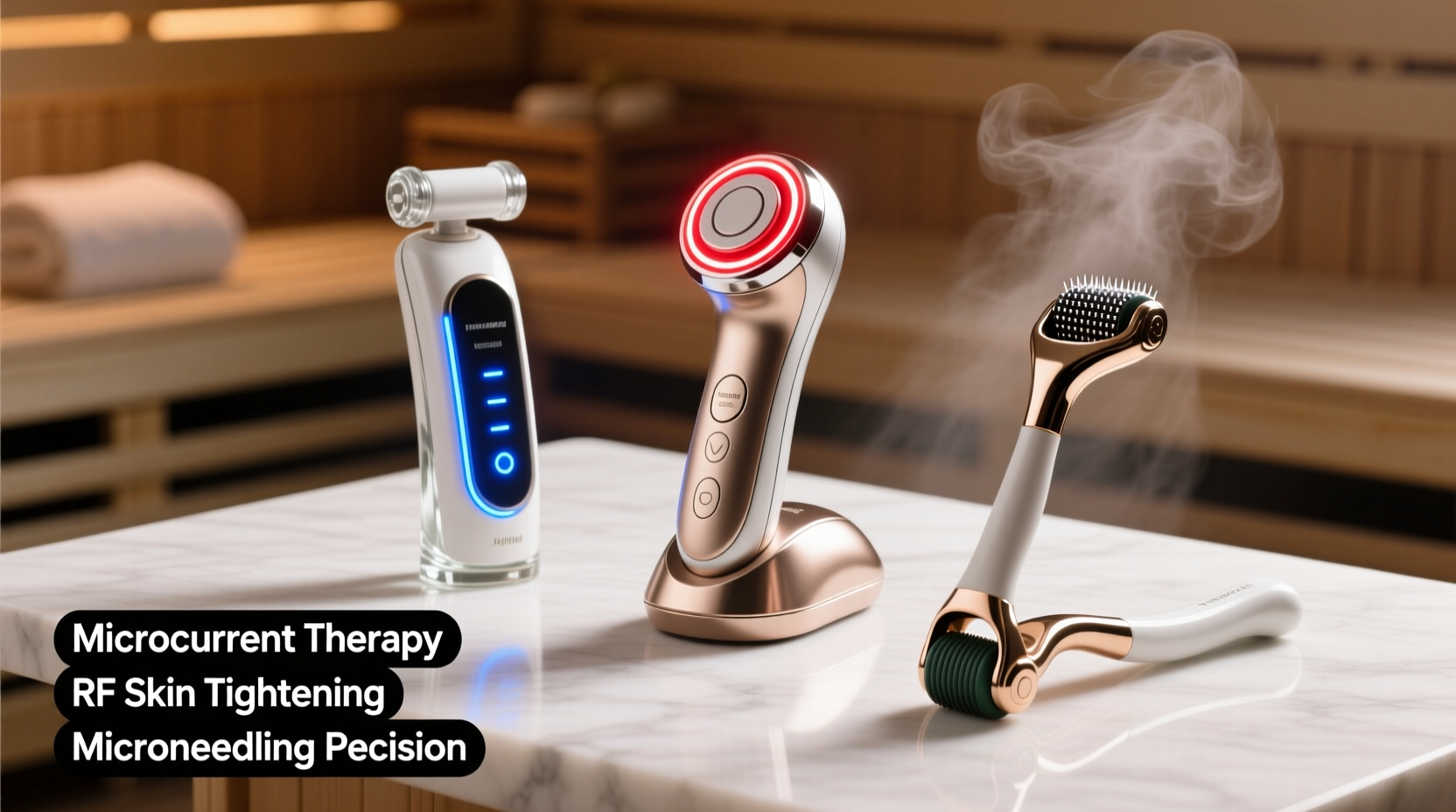
Facial rejuvenation devices operate on principles of biostimulation—using energy forms like light, heat, microcurrents, or ultrasound to trigger the skin’s natural repair mechanisms. These technologies enhance cellular turnover, boost collagen and elastin production, and improve product absorption. Unlike topical creams that work on the surface, devices penetrate deeper layers where structural change occurs.
Key mechanisms include:
- Microcurrent stimulation: Mimics the body’s natural electrical currents to tone facial muscles and support firmness.
- Red and near-infrared light therapy (LED): Reduces inflammation and stimulates mitochondrial activity for cell regeneration.
- Radiofrequency (RF): Delivers controlled heat to the dermis, tightening tissue and encouraging collagen remodeling.
- Ultrasound: Penetrates deep into subcutaneous layers to lift and firm sagging areas.
- Vacuum and massage functions: Improve lymphatic drainage and circulation, reducing puffiness and enhancing glow.
Top 5 Facial Rejuvenation Devices Compared
Choosing the right device depends on your skin goals, budget, and tolerance for complexity. Below is a comparison of leading devices based on efficacy, safety, ease of use, and scientific backing.
| Device | Technology | Best For | Treatment Time | Price Range |
|---|---|---|---|---|
| Ziip Halo | Microcurrent + Nanocurrent + LED | Firming, lifting, radiance | 10–15 min | $500–$600 |
| Foreo Bear | Microcurrent | Jawline definition, muscle toning | 5 min | $250 |
| CurrentBody Skin LED Light Therapy Mask | Red (633nm) & Near-Infrared (830nm) | Anti-aging, acne reduction, glow | 10 min | $350 |
| NEWA Skin Tightening Device | Radiofrequency (RF) | Collagen stimulation, wrinkle reduction | 8 min per area | $400 |
| Silk’n Titan | RF + LED + Vacuum | Overall lifting, texture improvement | 15 min | $300 |
The Ziip Halo stands out for combining multiple technologies in one system, offering both immediate lifting effects and long-term renewal. Meanwhile, the Foreo Bear excels in simplicity and targeted jawline sculpting. For those prioritizing non-contact treatment, LED masks like CurrentBody provide gentle yet effective photobiomodulation without irritation.
Step-by-Step Guide to Maximizing Results
To get the most from your facial rejuvenation device, follow this structured routine:
- Cleanse thoroughly: Remove makeup, oil, and debris so the device glides smoothly and energy transfers effectively.
- Apply conductive gel or serum: Most microcurrent and RF devices require a medium to transmit current. Use recommended gels or water-based serums.
- Divide face into zones: Treat forehead, cheeks, jawline, and neck separately with upward motions.
- Follow device-specific technique: For example, microcurrent tools should be moved slowly in precise directions to align with facial muscle fibers.
- Use consistent pressure: Avoid pressing too hard—let the technology do the work.
- Finish with moisturizer: Lock in hydration and support skin barrier recovery post-treatment.
- Track progress monthly: Take front-facing photos under consistent lighting to assess changes in firmness and glow.
Real User Experience: A 12-Week Transformation
Sarah, a 44-year-old marketing executive, began noticing slackness along her jawline and increased fine lines around her eyes. She started using the NEWA RF device three times a week after researching non-surgical options. Following the manufacturer’s protocol, she applied the included gel, treated each facial zone for eight minutes, and followed up with a peptide-rich moisturizer.
After four weeks, Sarah observed tighter skin and improved makeup application. By week eight, friends commented on her “glow.” At 12 weeks, a dermatologist assessing her skin via imaging noted a measurable increase in dermal density—consistent with new collagen formation. Sarah continues maintenance sessions twice weekly and reports feeling more confident without resorting to injectables.
Expert Insight on Safety and Efficacy
While at-home devices are generally safe, proper usage is critical. Overuse or incorrect technique can lead to irritation or diminished results.
“Home devices have come a long way, but they’re not replacements for professional treatments in advanced cases. However, when used correctly, radiofrequency and microcurrent tools can deliver meaningful improvements in skin firmness and tone over 8–12 weeks.” — Dr. Lena Patel, Board-Certified Dermatologist and Cosmetic Specialist
Dr. Patel emphasizes starting slowly, especially with microcurrent devices, which may cause temporary tingling. She also advises avoiding use on broken skin, active acne, or if you have pacemakers or neuromuscular conditions.
Checklist: Choosing the Right Device for You
Before purchasing, ask yourself the following:
- ✅ What is my primary concern? (e.g., sagging, wrinkles, dullness)
- ✅ Do I prefer hands-free operation (like LED masks) or manual control?
- ✅ Am I willing to commit to regular sessions (3–5 times/week)?
- ✅ Does the device have FDA clearance or independent clinical studies?
- ✅ Is it compatible with my skin type and sensitivities?
- ✅ Does it require ongoing costs (gels, replacement parts)?
- ✅ Does the brand offer customer support and a return policy?
Frequently Asked Questions
How soon will I see results?
Most users notice subtle improvements in skin texture and radiance within 2–4 weeks. Visible firming and wrinkle reduction typically appear after 8–12 weeks of consistent use.
Can I use these devices with other skincare treatments?
Yes, but avoid combining with strong exfoliants (like retinoids or acids) on the same day, as this may increase sensitivity. Space treatments by at least 12 hours. Also, wait at least two weeks after chemical peels or laser treatments before resuming device use.
Are facial devices safe for sensitive skin?
Many are, especially LED and low-intensity microcurrent tools. However, start with shorter sessions and lower settings. Avoid RF devices if you have rosacea or extreme sensitivity unless approved by a dermatologist.
Final Thoughts: Invest in Your Skin’s Longevity
A radiant, firm complexion isn’t just about genetics or expensive creams—it’s about intelligent, consistent care. The best facial rejuvenation devices empower you to take control of your skin’s structure and vitality from home. Whether you choose microcurrent for lifting, LED for renewal, or RF for deep collagen stimulation, the key lies in patience and routine. With realistic expectations and proper technique, these tools can deliver lasting glow and resilience that no filter can replicate.
🚀 Ready to transform your skincare routine? Choose one evidence-backed device, commit to a 90-day trial, and document your journey. Share your experience with others looking to achieve healthy, luminous skin—because real results start with real effort.








