
As awareness of environmental impact grows, more consumers are rethinking everyday choices—including how they brush their teeth. The shift toward sustainable living has brought two popular options to the forefront: bamboo toothbrushes and electric toothbrushes. Both claim environmental benefits, but which one delivers on true eco-friendliness without compromising oral health? This article examines the lifecycle, effectiveness, carbon footprint, and long-term sustainability of each option, offering a clear comparison grounded in real-world data and expert insights.
The Environmental Cost of Oral Care
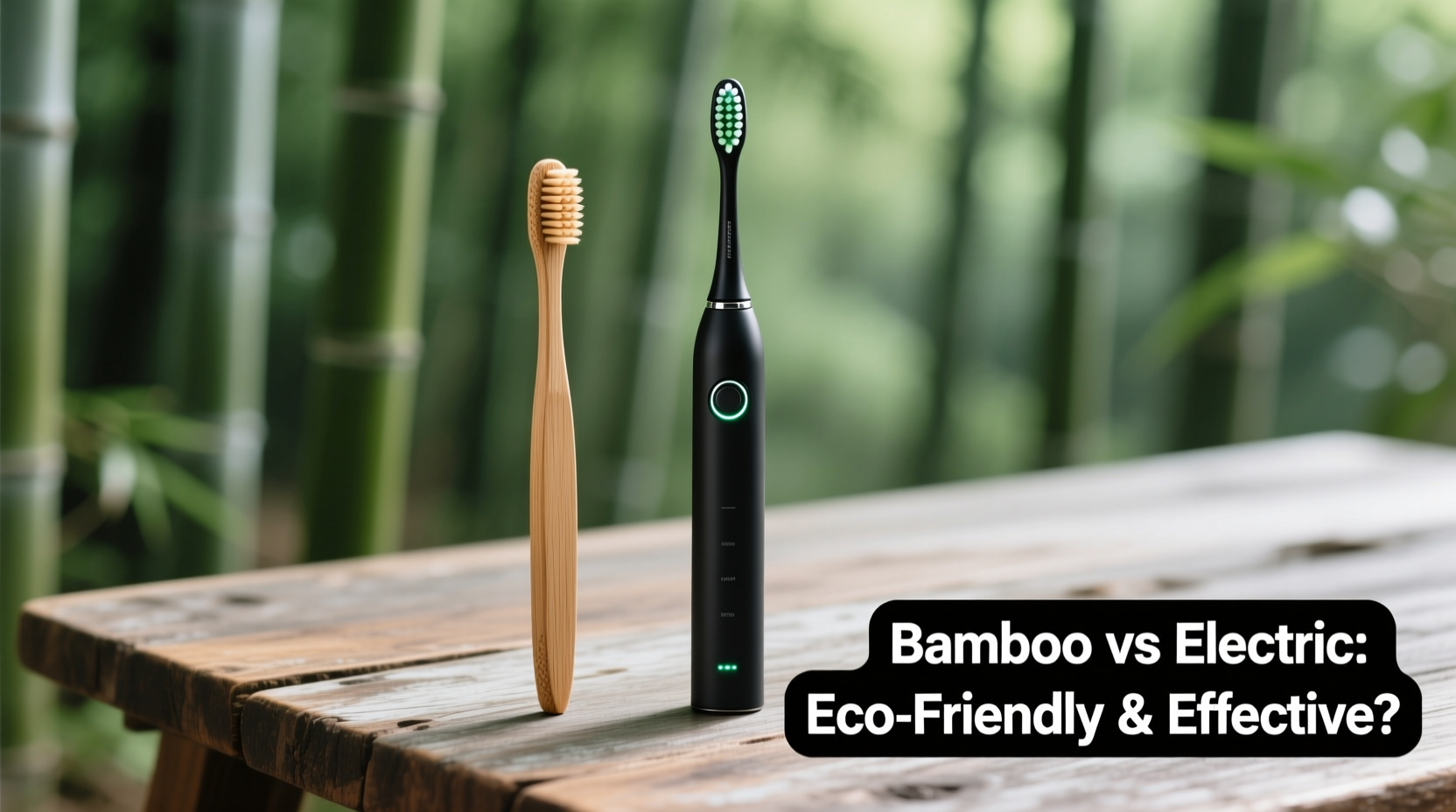
Over 3.5 billion plastic toothbrushes are discarded annually in the U.S. alone, most ending up in landfills or oceans where they take over 400 years to decompose. Traditional plastic brushes contribute significantly to microplastic pollution. As a result, eco-conscious consumers are turning to alternatives—bamboo and electric models being the most common. But while both aim to reduce waste, their environmental profiles differ dramatically.
Bamboo toothbrushes are marketed as zero-waste, biodegradable tools made from rapidly renewable resources. Electric toothbrushes, on the other hand, promise superior cleaning efficiency and reduced manual effort, with claims of lower lifetime waste due to replaceable heads. However, their electronic components and manufacturing complexity raise sustainability concerns.
Tip: When evaluating eco-friendliness, consider the entire product lifecycle—from raw materials to disposal—not just the visible parts.Bamboo Toothbrushes: Natural Appeal with Caveats
Bamboo is one of the fastest-growing plants on Earth, requiring no fertilizers, pesticides, or irrigation. Its natural antibacterial properties make it an appealing material for hygiene products. Most bamboo toothbrush handles are fully compostable under industrial conditions, and many brands use plant-based bristles (though not all).
However, not all bamboo brushes are created equal. Many still use nylon-6 or nylon-4 bristles, which are petroleum-based and non-biodegradable. These must be removed before composting the handle—a step most users skip. Additionally, transportation emissions from overseas production (most bamboo brushes originate in Asia) can offset some of their environmental benefits.
From a performance standpoint, bamboo toothbrushes function like standard manual brushes. Their effectiveness depends on brushing technique, frequency, and duration rather than the tool itself. Dentists agree that proper brushing with any soft-bristled brush removes plaque effectively when done correctly for two minutes twice daily.
“Natural materials like bamboo reduce reliance on fossil fuels, but we must ensure the entire product aligns with circular economy principles.” — Dr. Lena Torres, Sustainable Dentistry Researcher, University of British Columbia
Electric Toothbrushes: Efficiency vs. Environmental Trade-offs
Electric toothbrushes, particularly oscillating-rotating and sonic models, have been clinically proven to remove more plaque and reduce gingivitis compared to manual brushing. Studies show a 21% reduction in plaque and 11% reduction in gingivitis over three months with consistent electric use.
Their design relies on a reusable handle with replaceable brush heads—typically changed every three months. While this reduces the number of full units discarded, the handles contain lithium-ion batteries, circuitry, and plastics that are difficult to recycle. Most end up in e-waste streams, where toxic components can leach into soil and water.
Manufacturing an electric toothbrush requires significantly more energy and raw materials than a bamboo alternative. A single electric unit generates approximately 7–10 kg of CO₂ during production—equivalent to driving a car 30 miles. Over a five-year lifespan with quarterly head replacements, the cumulative environmental cost becomes substantial.
Yet, if used for its full lifespan and paired with recyclable head programs (offered by select brands), an electric toothbrush can offer a middle ground between clinical effectiveness and moderate sustainability.
Comparative Analysis: Bamboo vs. Electric
| Factor | Bamboo Toothbrush | Electric Toothbrush |
|---|---|---|
| Material Source | Rapidly renewable bamboo (biodegradable) | Plastics, metals, lithium batteries (non-renewable) |
| Lifespan | 2–3 months per brush | Handle: 3–5 years; Heads: replaced quarterly |
| Waste Output (5 years) | ~20 brushes (mostly compostable if processed properly) | 1 handle + 20 heads (mostly non-recyclable) |
| Carbon Footprint (approx.) | 0.2 kg CO₂ per brush (total ~4 kg over 5 years) | ~8 kg CO₂ for handle + 0.5 kg per head (total ~18 kg) |
| Clinical Effectiveness | Depends on user technique | Proven superior plaque removal with consistent use |
| End-of-Life Disposal | Handle compostable; bristles often require removal | Most components go to e-waste; limited recycling |
| Cost (5 years) | $20–$40 (depending on brand) | $120–$200 (device + replacement heads) |
Real-World Example: Sarah’s Switch to Sustainable Brushing
Sarah, a 34-year-old teacher from Portland, used an electric toothbrush for over a decade. Concerned about her growing pile of plastic waste, she switched to a bamboo model after watching a documentary on ocean plastic. Initially skeptical about effectiveness, she noticed no change in her dental checkup results after six months. Her dentist confirmed her gums were healthy and plaque levels stable.
What surprised Sarah was the ritual change: slowing down her brushing, focusing on technique, and feeling more connected to her routine. She now uses a bamboo brush with charcoal-infused bristles and stores it in a dry bamboo holder. When it's time to replace it, she clips out the bristles with pliers (using a magnet to collect nylon bits) and composts the handle in her city’s green bin program.
“I didn’t expect such a small change to feel meaningful,” she says. “It’s not just about the brush—it’s about being mindful of what I bring into my home.”
How to Maximize Eco-Friendliness Regardless of Choice
No single toothbrush is perfect, but informed habits can significantly reduce environmental impact. The key is extending product life, minimizing waste, and choosing responsibly sourced options.
Step-by-Step Guide to Sustainable Brushing
- Assess your needs: If you have mobility issues or gum disease, an electric brush may offer therapeutic benefits worth the trade-off.
- Choose wisely: For bamboo, select brands using compostable bristles (e.g., castor bean or bio-nylon). For electric, opt for models with recyclable heads or take-back programs.
- Extend lifespan: Rinse thoroughly after use and store upright to prevent bacterial growth and bristle degradation.
- Dispose properly: Remove non-compostable bristles from bamboo brushes before composting. Recycle electric brush heads through manufacturer programs when available.
- Brush mindfully: Two minutes, twice daily with fluoride toothpaste remains the gold standard—regardless of tool.
Eco-Friendly Oral Care Checklist
- ☐ Choose a toothbrush with minimal, recyclable, or compostable packaging
- ☐ Verify bristle material—avoid conventional nylon when possible
- ☐ Support brands with transparent sourcing and carbon-neutral shipping
- ☐ Replace only when bristles fray or splay (not automatically every 3 months)
- ☐ Use a non-toxic, low-waste toothpaste (e.g., tablets or metal tins)
- ☐ Participate in brush recycling or take-back programs if available
- ☐ Maintain good brushing technique to maximize effectiveness of any tool
Frequently Asked Questions
Are bamboo toothbrushes really better for the environment?
Yes, overall—but with qualifications. Bamboo handles are biodegradable and grown sustainably, but many still have non-biodegradable bristles. If those aren't removed before disposal, the environmental benefit is reduced. When paired with responsible disposal and ethical sourcing, bamboo brushes offer a significantly lower ecological footprint than plastic or electric models.
Can electric toothbrushes be recycled?
Most local recycling programs do not accept electric toothbrushes due to mixed materials and batteries. However, some manufacturers like Philips and Oral-B offer mail-in recycling programs for used handles and heads. Check your brand’s website for take-back options. Without proper recycling, these devices contribute to e-waste.
Which toothbrush cleans better?
Clinically, electric toothbrushes—especially oscillating and sonic types—outperform manual brushing in plaque removal and gum health improvement. However, a bamboo toothbrush used with proper technique (angling at 45 degrees, brushing for two minutes, covering all surfaces) can achieve excellent results. The tool matters less than consistency and method.
Conclusion: Balancing Ecology and Effectiveness
The debate between bamboo and electric toothbrushes isn’t about declaring a single winner—it’s about aligning personal health goals with planetary responsibility. Bamboo toothbrushes offer a genuinely low-impact solution for most people, especially when sourced responsibly and disposed of correctly. Electric models provide measurable oral health advantages but come with higher environmental costs that shouldn’t be ignored.
The most sustainable toothbrush is the one used well and kept in circulation as long as possible. Whether you choose bamboo, electric, or even a hybrid approach—such as using an electric brush with fully recyclable heads—what matters most is intentionality. By questioning convenience, researching brands, and adopting mindful habits, you turn a daily routine into an act of environmental stewardship.
💬 Ready to rethink your oral care routine? Start by auditing your current brush: Where was it made? What’s it made of? How will it be disposed of? Share your journey or tips in the comments below—your choice might inspire someone else to make a greener switch.








