Weighted blankets have surged in popularity over the past decade, becoming a staple in wellness routines and influencer-endorsed bedrooms alike. Marketed as tools for better sleep, reduced stress, and even symptom relief for conditions like anxiety and ADHD, they promise comfort through deep pressure stimulation. But with rising prices and bold claims, it’s fair to ask: are these blankets truly effective, or are they simply another overhyped product riding the wave of self-care trends?
The answer isn’t a simple yes or no. While research supports certain therapeutic benefits—particularly for individuals with sensory processing differences or mild anxiety—the effectiveness varies significantly from person to person. Understanding how weighted blankets work, who benefits most, and what the science really says can help separate genuine utility from marketing hype.
How Weighted Blankets Are Supposed to Work
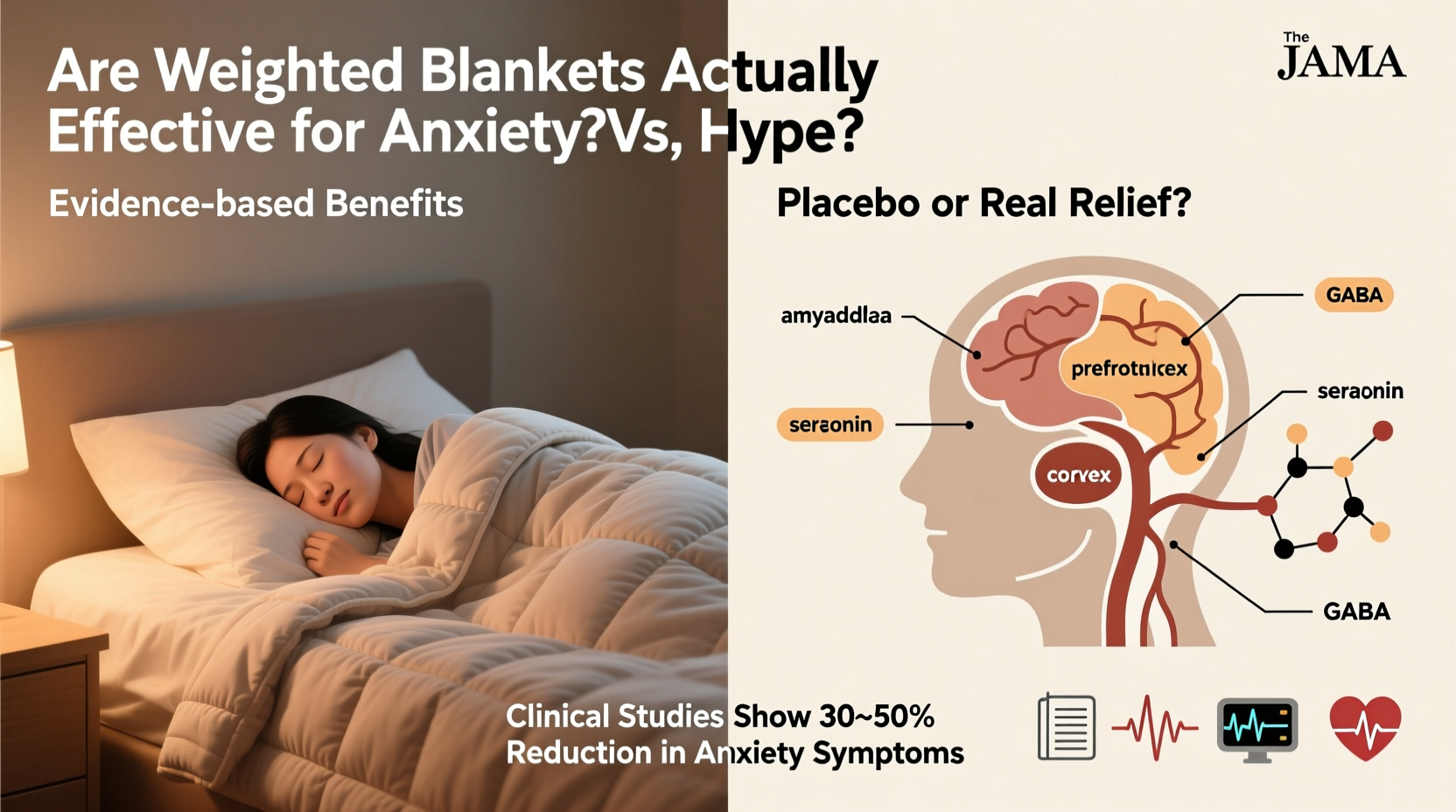
At their core, weighted blankets apply gentle, distributed pressure across the body—similar to a firm hug or swaddling. This sensation is known as deep pressure touch stimulation (DPTS), a form of tactile input that has been studied in occupational therapy for decades.
DPTS is believed to influence the autonomic nervous system by calming the sympathetic (“fight-or-flight”) response and activating the parasympathetic (“rest-and-digest”) branch. This shift may lead to reduced heart rate, lower cortisol levels, and increased production of serotonin and melatonin—neurochemicals linked to mood regulation and sleep onset.
A 2020 study published in Frontiers in Psychiatry found that participants using a 6–8 kg (13–18 lb) weighted blanket reported significantly lower anxiety scores after just one hour of use compared to a control group with light blankets. Brain imaging in some trials also shows decreased activity in regions associated with arousal and emotional reactivity.
“Deep pressure can be incredibly regulating for the nervous system, especially in people who are hyperaroused or easily overwhelmed.” — Dr. Rebecca Turner, Clinical Psychologist and Sleep Specialist
However, while physiological changes are measurable in controlled settings, real-world results depend on individual sensitivity, proper weight selection, and consistency of use.
Who Benefits Most from Weighted Blankets?
Not everyone experiences the same level of benefit. Research and clinical observations suggest that certain groups tend to respond more positively:
- Individuals with generalized anxiety disorder (GAD): Many report feeling “grounded” when using a weighted blanket during periods of rumination or panic.
- People with autism spectrum disorder (ASD): Occupational therapists often recommend them to help manage sensory overload and improve sleep quality.
- Those with insomnia or restless leg syndrome (RLS): The pressure may reduce nighttime movement and promote faster sleep onset.
- ADHD sufferers: Some find the tactile feedback helps quiet mental restlessness, especially when trying to wind down.
Still, responses vary widely. A person with high sensory sensitivity might find the weight comforting, while someone else could feel restricted or claustrophobic. Effectiveness often depends on personal neurology, not just psychological state.
Tip: Start with shorter sessions—15 to 30 minutes while reading or watching TV—to assess tolerance before using the blanket overnight.Scientific Evidence vs. Anecdotal Hype
While user testimonials often rave about “life-changing” effects, the scientific literature presents a more nuanced picture. Several randomized controlled trials support the use of weighted blankets for anxiety reduction and improved sleep continuity, but many studies suffer from small sample sizes, short durations, or lack of blinding (participants know which blanket they’re using).
A 2015 trial in the Journal of Sleep Medicine & Disorders showed that 63% of participants experienced reduced anxiety after using a weighted blanket, with 78% preferring it over standard bedding. Yet, the placebo effect cannot be ruled out—believing something will help often makes it more effective.
Moreover, much of the early research focused on clinical populations (e.g., psychiatric inpatients or children with developmental disorders), making it difficult to generalize findings to otherwise healthy adults experiencing everyday stress.
In contrast, a 2022 meta-analysis in Sleep Science and Practice concluded that while weighted blankets show modest improvements in subjective sleep quality and anxiety, objective measures like sleep efficiency (measured via actigraphy) showed minimal change. This suggests perceived benefits may outweigh measurable physiological ones for many users.
Do They Work for Everyone?
No. In fact, some people report worsened symptoms. Individuals with obstructive sleep apnea, respiratory issues, circulatory problems, or mobility limitations should consult a physician before use. The added weight can restrict breathing or exacerbate discomfort, particularly in hot climates or when used improperly.
Additionally, children under 10, pets, and frail elderly individuals are generally advised against using adult-weighted blankets due to suffocation risks. Pediatric versions exist but require careful supervision.
Choosing the Right Weighted Blanket: A Practical Guide
Selecting an effective blanket involves more than picking the heaviest option. Too light, and you won’t feel the intended pressure; too heavy, and it becomes uncomfortable or unsafe.
Step-by-Step Selection Process
- Calculate your body weight: Experts typically recommend a blanket weighing approximately 10% of your body weight. For example, a 150-pound person would benefit from a 15-pound blanket.
- Consider fill material: Common options include plastic poly pellets, glass beads, or steel shot. Glass beads are quieter and more evenly distributed but often cost more. <3> Check breathability: If you sleep hot, opt for cotton, bamboo, or moisture-wicking covers. Avoid synthetic fabrics that trap heat.
- Look for removable covers: Machine-washable outer layers make maintenance easier and extend the life of the inner blanket.
- Test the distribution: Ensure the weight is evenly dispersed in small compartments to prevent shifting and pooling.
| Body Weight | Recommended Blanket Weight | Notes |
|---|---|---|
| 100–130 lbs | 10–13 lbs | Lighter end ideal for sensitive users |
| 130–170 lbs | 15 lbs | Most common size for average adults |
| 170–200 lbs | 20 lbs | May require dual-layer or custom design |
| 200+ lbs | 20–30 lbs | Consult doctor if mobility or health concerns exist |
Real-World Example: Sarah’s Experience with Anxiety and Sleep
Sarah, a 34-year-old graphic designer from Portland, struggled with chronic anxiety and difficulty falling asleep. After months of poor sleep hygiene and failed attempts with white noise machines and herbal teas, she purchased a 15-pound bamboo-covered weighted blanket based on a friend’s recommendation.
Initially skeptical, she began using it only during evening relaxation, lying on the couch for 30 minutes with low lighting. Within two weeks, she noticed her pre-sleep racing thoughts diminished. She gradually transitioned to using it in bed and reported falling asleep 20 minutes faster on average.
“It’s not magic,” she said. “But it gives me a physical signal that it’s time to slow down. When my mind starts spiraling, pulling the blanket up feels like hitting a reset button.”
However, during summer months, she switched to a lighter version due to overheating—a common issue she hadn’t anticipated. Her experience underscores both the potential benefits and practical limitations of long-term use.
Common Misconceptions and Limitations
Despite growing popularity, several myths persist about what weighted blankets can do:
- Myth: They cure anxiety. Reality: They may help manage symptoms but are not a substitute for therapy, medication, or lifestyle changes.
- Myth: Heavier is always better. Reality: Exceeding 10–12% of body weight can cause discomfort or strain.
- Myth: Safe for all ages. Reality: Not recommended for infants, toddlers, or those unable to remove the blanket independently.
- Myth: Work instantly. Reality: It can take days or weeks of consistent use to notice effects, if any.
Furthermore, the market is flooded with low-quality products that use uneven filling, non-breathable materials, or misleading weight claims. Consumers should prioritize reputable brands with transparent sourcing and safety certifications.
Frequently Asked Questions
Can I use a weighted blanket if I have sleep apnea?
No, it’s generally not recommended. The added chest pressure could interfere with breathing, especially during REM sleep when muscle tone is already reduced. Always consult your doctor first.
How long does it take to see results for anxiety?
Some people feel calmer within minutes; others need consistent use over several nights. Studies suggest noticeable effects may appear within 1–2 weeks of regular use, though individual timelines vary.
Are there alternatives to weighted blankets?
Yes. Weighted vests, lap pads, or compression garments provide similar deep pressure without full-body coverage. Tactile alternatives like fidget tools or mindfulness practices may also help regulate the nervous system.
Final Checklist Before Buying
- ✅ Determine your ideal weight (10% of body weight)
- Ensures optimal pressure without risk
- ✅ Choose breathable fabric (cotton, bamboo, jersey)
- Prevents overheating, especially important for hot sleepers
- ✅ Confirm washability and cover removal
- Makes cleaning easier and maintains hygiene
- ✅ Read independent reviews and check return policy
- Helps avoid low-quality or misrepresented products
- ✅ Consult your healthcare provider if you have medical conditions
- Especially relevant for respiratory, circulatory, or mobility issues
Conclusion: A Tool, Not a Cure
Weighted blankets are neither miracle cures nor meaningless wellness props. For many, they serve as valuable tools in managing anxiety and improving sleep quality through scientifically grounded mechanisms. However, their effectiveness hinges on correct usage, realistic expectations, and individual compatibility.
They work best as part of a broader self-care strategy—not as standalone solutions. Pairing a weighted blanket with good sleep hygiene, cognitive behavioral techniques, and professional support offers the strongest path toward lasting improvement.
If you're considering one, approach it with curiosity rather than expectation. Test it thoughtfully, respect your body’s signals, and remember that true relief often comes from layered, consistent efforts—not single products.
🚀 Ready to explore whether a weighted blanket fits your routine? Start by tracking your current sleep and anxiety patterns, then test one mindfully for at least two weeks. Share your experience in the comments—your insights could help others navigate this growing wellness trend wisely.








