
In recent years, shelves in beauty stores have filled with serums, moisturizers, and cleansers boasting “probiotic” ingredients. From fermented extracts to live bacterial cultures, these products claim to rebalance the skin, calm irritation, and even prevent breakouts. But with so much marketing noise, it’s fair to ask: are probiotic skincare products genuinely beneficial, or are they simply another fleeting wellness fad?
The truth lies somewhere in between hype and hope. While not every product labeled “probiotic” delivers on its promises, there is growing scientific evidence that supporting the skin’s microbiome—its community of microorganisms—can lead to healthier, more resilient skin. Understanding how probiotics work topically, what the research says, and which formulations make a real difference can help you decide whether to incorporate them into your routine.
Understanding the Skin Microbiome
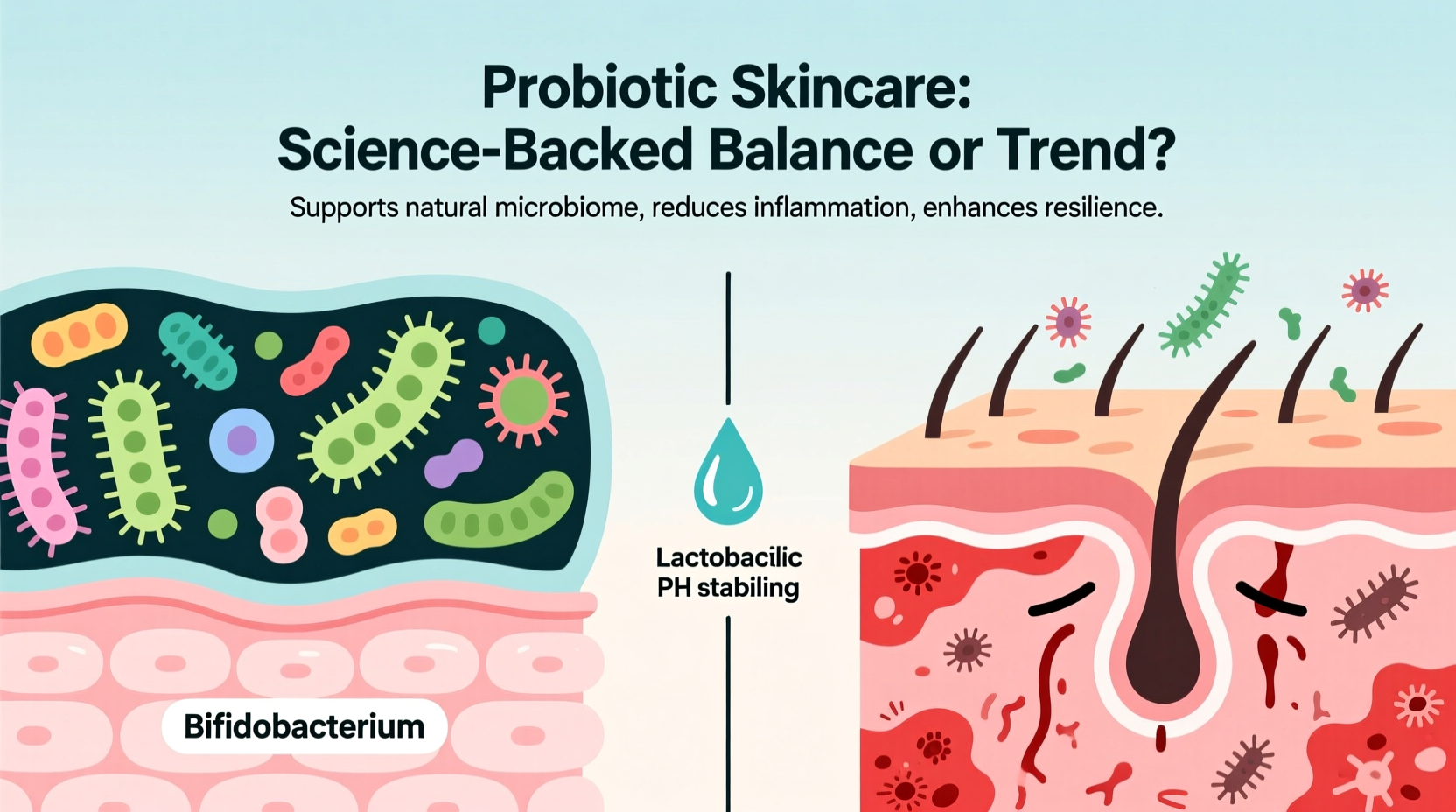
The human body hosts trillions of bacteria, fungi, and viruses—most of which are not only harmless but essential for health. The skin, as the body’s largest organ and first line of defense, has its own complex microbial ecosystem known as the skin microbiome. This invisible layer plays a critical role in protecting against pathogens, regulating inflammation, and maintaining the skin’s moisture barrier.
A balanced microbiome is dominated by beneficial microbes like Staphylococcus epidermidis and Corynebacterium species, which help fend off harmful invaders and support immune function. When this balance is disrupted—by harsh cleansers, pollution, antibiotics, or stress—dysbiosis occurs. This imbalance is linked to conditions such as acne, eczema, rosacea, and increased sensitivity.
“Just like the gut, the skin thrives when its microbial residents are in harmony. Topical probiotics aren’t about adding ‘good’ bacteria alone—they’re about restoring equilibrium.” — Dr. Lena Patel, Dermatologist and Skin Microbiome Researcher
How Probiotic Skincare Works
Unlike oral probiotics, which are ingested to support gut health, topical probiotic skincare aims to influence the skin’s surface environment. These products typically fall into three categories:
- Live Probiotics: Formulations containing live bacterial strains (e.g., Lactobacillus). These are less common due to stability challenges but are used in some refrigerated or freshly activated products.
- Postbiotics: Byproducts of probiotic fermentation, including lactic acid, peptides, and enzymes. These are more stable and increasingly popular in skincare.
- Prebiotics: Ingredients like oligosaccharides or inulin that feed existing beneficial bacteria on the skin, helping them thrive.
These components don’t necessarily colonize the skin permanently. Instead, they interact with immune cells and resident microbes to modulate inflammation, strengthen the skin barrier, and inhibit the growth of pathogenic bacteria. For example, certain lactic acid-producing bacteria can lower the skin’s pH, creating an environment where acne-causing Propionibacterium acnes struggles to proliferate.
Tip: Look beyond the word “probiotic” on labels. Focus on products with postbiotics (like lysates or ferment filtrates) or prebiotic fibers, which are more stable and proven effective in clinical studies.Scientific Evidence: What Does the Research Say?
While consumer enthusiasm has outpaced regulation, peer-reviewed studies are beginning to validate some claims. A 2020 review published in the International Journal of Molecular Sciences found that topical application of Lactobacillus strains reduced redness and improved hydration in individuals with sensitive skin. Another study in JAMA Dermatology showed that a cream containing Staphylococcus hominis lysate significantly reduced flare-ups in children with atopic dermatitis.
One of the most compelling mechanisms is the production of antimicrobial peptides (AMPs). Beneficial bacteria can stimulate skin cells to produce these natural defenders, which selectively target harmful microbes without disrupting the overall microbiome—unlike traditional antibiotics, which often wipe out both good and bad bacteria.
However, not all studies show consistent results. Some trials report minimal improvement, particularly in healthy individuals with already balanced skin. This suggests that probiotic skincare may be most effective for those with compromised barriers or inflammatory conditions rather than as a universal anti-aging solution.
Case Study: Managing Rosacea with Postbiotic Therapy
Sophie, a 34-year-old graphic designer, struggled with persistent facial redness and occasional pustules diagnosed as mild rosacea. After years of using steroid creams and antibiotic gels—with temporary relief and recurring side effects—she consulted a dermatologist who recommended a postbiotic serum containing Lactobacillus ferment lysate and prebiotic sugars.
Within six weeks of daily use, Sophie noticed reduced flushing and fewer breakouts. Her skin felt less reactive to temperature changes and wind. Over time, she was able to reduce her reliance on prescription treatments. While not a cure, the product helped stabilize her skin’s tolerance and decreased flare-up frequency.
This mirrors clinical observations: probiotic-based products may not eliminate symptoms overnight, but they can improve skin resilience over time, especially when used consistently alongside gentle cleansing and sun protection.
Do’s and Don’ts of Using Probiotic Skincare
| Do | Don’t |
|---|---|
| Pair probiotic products with low-pH cleansers to support microbiome health | Use harsh exfoliants (like high-concentration AHAs/BHAs) immediately after applying probiotics |
| Store live probiotic products as directed—some require refrigeration | Expect immediate results; microbiome rebalancing takes weeks |
| Introduce one new probiotic product at a time to monitor reactions | Mix multiple “microbiome-boosting” products without understanding their active ingredients |
| Look for products with clinical testing or third-party validation | Assume all fermented ingredients are probiotics—fermentation doesn’t always mean live cultures |
Choosing Effective Products: A Practical Checklist
Navigating the crowded probiotic skincare market requires discernment. Use this checklist to identify formulations with real potential:
- Check the ingredient list: Look for terms like “lysate” (e.g., Lactobacillus ferment lysate), “filtrate,” or “postbiotic complex.” These indicate bioactive byproducts.
- Avoid unnecessary irritants: Even if a product contains probiotics, added fragrances, alcohol, or sulfates can negate benefits by damaging the skin barrier.
- Consider formulation stability: Live bacteria degrade easily. Unless the product is refrigerated or freshly activated, it likely contains postbiotics.
- Seek clinical backing: Brands conducting independent studies or publishing results in dermatology journals tend to be more credible.
- Start slow: Introduce the product every other day to assess tolerance, especially if you have sensitive or acne-prone skin.
Common Misconceptions About Probiotic Skincare
Despite growing awareness, several myths persist:
- Myth: Probiotic skincare adds “good bacteria” that stay on your face forever.
Reality: Most topical applications don’t lead to permanent colonization. Their benefit comes from transient signaling to skin cells and existing microbes. - Myth: More bacteria = better results.
Reality: Overloading the skin with microbial ingredients can overwhelm the system, especially in compromised skin. Balance is key. - Myth: Probiotic products replace moisturizers or actives.
Reality: They complement routines but don’t substitute for proven ingredients like ceramides, hyaluronic acid, or sunscreen.
Additionally, regulatory oversight remains limited. The term “probiotic” is not strictly defined in cosmetics, allowing brands to use it loosely. This makes informed shopping essential.
FAQ
Can probiotic skincare cause breakouts?
It’s possible, though rare. Some people experience initial purging or sensitivity when introducing new bioactive ingredients. If breakouts persist beyond two weeks, discontinue use. Always patch-test new products behind the ear or on the jawline.
Is probiotic skincare safe for acne-prone skin?
Yes, and it may be particularly beneficial. Certain strains inhibit P. acnes and reduce inflammation without drying the skin. However, avoid heavy, occlusive formulas that could clog pores. Opt for lightweight serums or gels with postbiotics.
Do I need probiotics if my skin is already healthy?
Not necessarily. Healthy skin already maintains a balanced microbiome. Probiotic products may offer subtle improvements in resilience and glow, but they’re not essential for everyone. Think of them as preventive support, similar to dietary supplements for overall wellness.
Conclusion: Beyond the Hype, Toward Informed Use
Probiotic skincare is more than a passing trend—it’s a reflection of evolving science that recognizes the skin as a dynamic ecosystem. While not every product lives up to its claims, the foundational principle is sound: supporting the skin’s microbiome can enhance barrier function, reduce inflammation, and improve tolerance to environmental stressors.
The most effective approach isn’t chasing buzzwords but understanding what your skin needs. For those dealing with sensitivity, eczema, rosacea, or recurrent breakouts, incorporating well-formulated postbiotic or prebiotic products may provide meaningful benefits. For others, a gentle, non-disruptive routine may be sufficient to maintain balance.
Rather than viewing probiotic skincare as a miracle fix, consider it a tool within a broader philosophy of skin health—one that prioritizes balance, protection, and long-term resilience over quick fixes.
💬 Have you tried probiotic skincare? Share your experience or questions in the comments—your insights could help others navigate this evolving space with confidence.








