
Acne is one of the most persistent and emotionally taxing skin concerns, affecting millions across age groups. As traditional treatments like topical creams and oral medications come with side effects or inconsistent results, consumers are turning to innovative solutions—among them, LED face masks. These glowing devices have flooded social media, endorsed by celebrities and dermatologists alike. But behind the sleek design and viral marketing, a critical question remains: Are LED face masks truly effective for acne, or are they simply another overhyped beauty gimmick?
The answer isn’t a simple yes or no. It lies in understanding how light therapy works, what clinical evidence supports it, and how realistic expectations should be when using at-home devices.
How LED Light Therapy Works on Acne
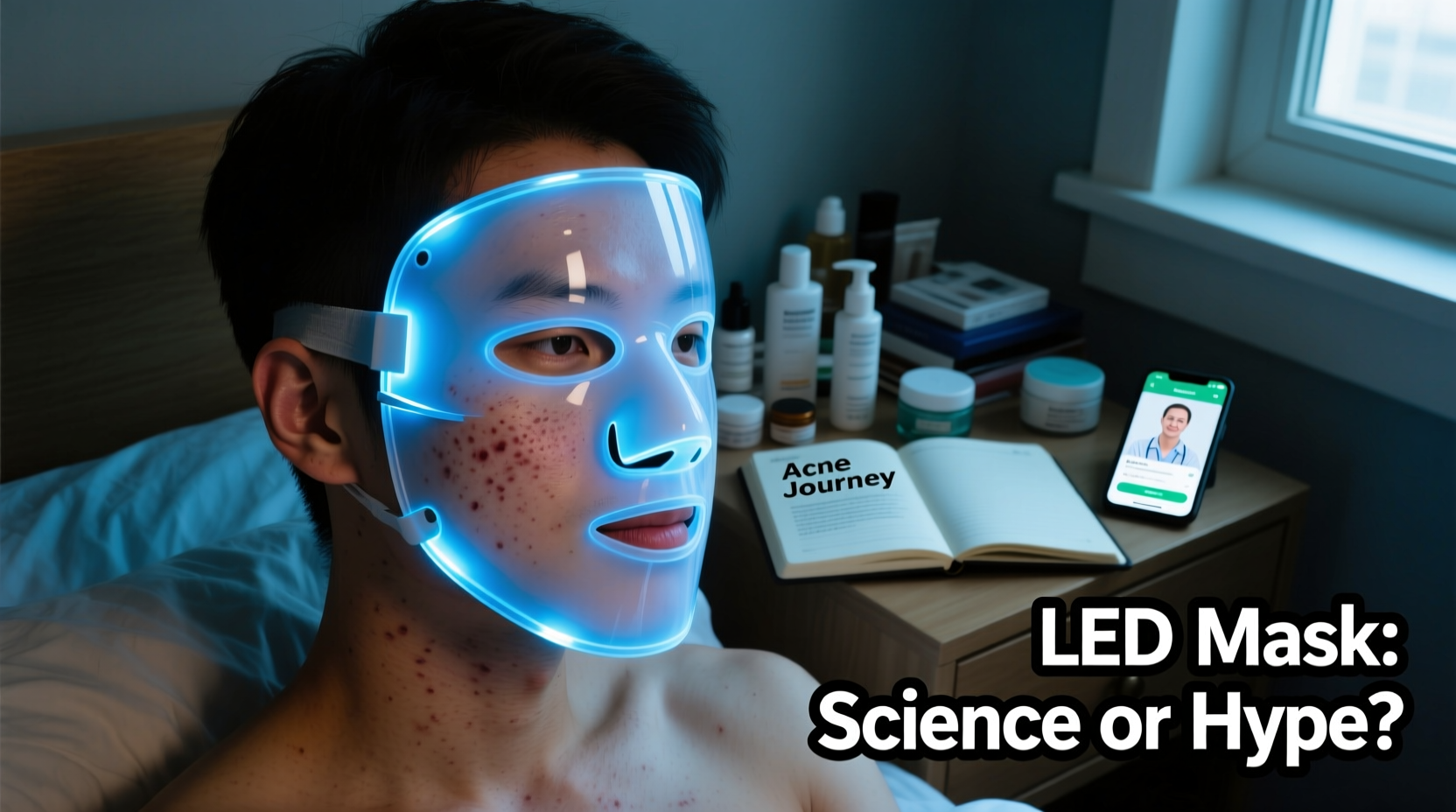
LED (light-emitting diode) therapy uses specific wavelengths of light to penetrate the skin at varying depths. Unlike UV light, which damages skin, LED light is non-invasive and does not emit harmful radiation. Instead, it delivers targeted photobiomodulation—stimulating cellular activity without heat or discomfort.
Different colors of LED light have different effects:
- Blue light (405–420 nm): Targets *Propionibacterium acnes* (P. acnes), the bacteria responsible for inflammatory acne. Blue light activates porphyrins within the bacteria, producing free radicals that destroy them.
- Red light (630–700 nm): Penetrates deeper into the dermis, reducing inflammation and stimulating collagen production. This helps heal existing acne lesions and may prevent scarring.
- Amber and near-infrared light: Often included in multi-wavelength masks, these support circulation and tissue repair, potentially accelerating healing.
In professional dermatology clinics, LED treatments have been used for over two decades. The FDA has cleared certain LED devices for treating mild to moderate acne, lending credibility to their medical basis. However, at-home masks vary significantly in power output, wavelength accuracy, and treatment consistency—factors that directly impact efficacy.
“Photodynamic therapy using blue and red light has measurable anti-inflammatory and antibacterial effects. When properly calibrated, it’s a legitimate adjunctive treatment for acne.” — Dr. Lena Patel, Board-Certified Dermatologist
What Does the Research Say?
Scientific studies provide compelling—but nuanced—support for LED therapy. A 2019 meta-analysis published in the *Journal of Cosmetic Dermatology* reviewed 17 clinical trials involving over 1,000 participants. It concluded that blue and red LED combination therapy reduced acne lesions by an average of 60–70% after 4 to 8 weeks of consistent use.
Another double-blind, placebo-controlled study from 2016 found that subjects using a home-based LED mask for 12 weeks experienced a 53% reduction in inflammatory acne compared to 21% in the control group.
However, limitations exist. Most studies are funded or conducted by device manufacturers, raising potential bias. Additionally, results are typically seen with daily or near-daily use over several weeks—far from the “overnight miracle” some influencers suggest.
Furthermore, LED therapy is most effective for mild to moderate inflammatory acne. It shows limited benefit for hormonal cystic acne or comedonal (blackhead/whitehead) acne unless combined with other treatments like retinoids or exfoliants.
Tip: For best results, use your LED mask immediately after cleansing—when pores are clear and skin can absorb light more efficiently.At-Home Masks vs. In-Office Treatments
While both use the same core technology, there’s a significant difference in intensity and precision between clinical and consumer-grade devices.
| Feature | In-Office LED Therapy | At-Home LED Masks |
|---|---|---|
| Light Intensity | High (medical-grade) | Moderate to low |
| Treatment Duration | 15–30 minutes per session | 10–20 minutes |
| Frequency | Weekly (4–8 sessions) | Daily or every other day |
| Cost | $75–$150 per session | $100–$400 upfront |
| Efficacy Timeline | Visible in 2–4 weeks | 6–8 weeks with consistency |
| Professional Supervision | Yes | No |
Professional treatments deliver stronger, more focused light, often combined with other modalities like oxygen therapy or chemical prep. At-home masks offer convenience and long-term cost savings but require strict adherence to usage protocols. Skipping sessions or inconsistent timing can drastically reduce effectiveness.
A Realistic Case: Sarah’s Experience with an LED Mask
Sarah, a 28-year-old graphic designer, struggled with recurring jawline acne for years. She’d tried benzoyl peroxide, salicylic acid, and even a round of antibiotics—all with temporary relief and dry, irritated skin as side effects.
After researching non-invasive options, she invested in a dual-red-and-blue LED mask priced at $220. Her routine: cleanse, apply a hydrating serum, wear the mask for 10 minutes every evening.
For the first three weeks, she saw no change. By week five, her active breakouts began drying up faster. After eight weeks, her dermatologist noted a 60% reduction in inflammatory lesions and improved skin texture. “It didn’t cure my acne,” Sarah said, “but it gave me control. I now use it twice a week for maintenance.”
Her success hinged on consistency and pairing the mask with a gentle skincare regimen—no harsh scrubs or over-exfoliation. She also avoided touching her face and prioritized sleep and hydration, recognizing that no single device replaces holistic skin health.
Choosing the Right LED Mask: A Buyer’s Checklist
Not all LED masks are created equal. To avoid wasting money on underpowered or poorly designed products, consider the following before purchasing:
- ✅ FDA-cleared or clinically tested (check manufacturer website)
- ✅ Dual wavelengths (blue + red at minimum)
- ✅ Adjustable settings or timers
- ✅ Comfortable fit (silicone or flexible material)
- ✅ Reputable brand with verifiable customer reviews
- ✅ Safety certifications (e.g., CE, RoHS)
- ✅ Transparent specifications (wavelengths in nanometers, not just “blue” or “red”)
Beware of masks that promise “instant results” or rely solely on celebrity endorsements. Look for third-party lab testing or peer-reviewed studies referenced in product documentation.
Tip: Start with shorter sessions (5–10 minutes) to assess skin tolerance. Some users report mild warmth or tingling, but pain or redness means you should stop immediately.Step-by-Step Guide to Using an LED Mask Effectively
To maximize benefits and minimize risks, follow this practical routine:
- Cleanse thoroughly: Remove makeup, oil, and debris so light can penetrate the skin unimpeded.
- Pat skin dry: Moisture can scatter light and reduce efficiency.
- Remove contact lenses and protect eyes: Close your eyes or use the provided eye covers. Never look directly into LEDs.
- Position the mask securely: Ensure full contact with forehead, cheeks, and chin. Gaps reduce coverage.
- Set timer and start: Begin with 10-minute sessions if new; gradually increase to manufacturer-recommended duration.
- Stay still: Movement disrupts consistent exposure. Use this time to relax or meditate.
- Follow with skincare: Apply a soothing moisturizer or antioxidant serum post-treatment. Avoid actives like retinol or acids immediately after unless advised by a dermatologist.
- Use consistently: Aim for 3–5 times per week for at least 6 weeks before evaluating results.
Do not use LED therapy if you are pregnant, photosensitive, or taking medications like isotretinoin (Accutane), which increases light sensitivity.
Frequently Asked Questions
Can LED masks make acne worse?
LED masks themselves don’t cause breakouts, but improper use might. If you apply heavy creams or oils before treatment, clogged pores could result. Also, sharing masks without cleaning can introduce bacteria. Always use clean skin and sanitize the mask surface weekly with a soft cloth and alcohol-free wipe.
How long until I see results?
Most users notice changes within 4 to 8 weeks of consistent use. Initial improvements include reduced redness and faster healing of active pimples. Full results depend on acne severity, skin type, and adherence to the routine.
Can I use an LED mask with other acne treatments?
Yes—and often, it’s recommended. LED therapy complements topical treatments like benzoyl peroxide or niacinamide. However, avoid combining it with aggressive exfoliants (e.g., high-concentration AHAs/BHAs) on the same day, as this may irritate sensitive skin. Space out treatments or consult a dermatologist for a personalized plan.
Final Verdict: Legit Treatment or Fad?
LED face masks are not a magic cure, nor are they purely cosmetic theater. They represent a legitimate, science-backed approach to managing mild to moderate inflammatory acne—especially when used correctly and consistently.
The key distinction lies in expectations. These masks won’t replace prescription medication for severe acne, nor will they deliver dramatic changes overnight. But as part of a broader skincare strategy, they offer a safe, non-invasive way to reduce breakouts, calm inflammation, and support skin healing without the dryness or irritation common with topical agents.
Like any tool, effectiveness depends on quality and usage. A well-designed, properly used LED mask can be a valuable addition to an acne-fighting routine. But it’s not a standalone solution. Pairing it with good hygiene, a balanced diet, stress management, and professional guidance yields the best outcomes.
“I tell patients that light therapy is a marathon, not a sprint. It won’t replace Accutane, but it can reduce reliance on harsh topicals and improve overall skin resilience.” — Dr. Marcus Tran, Clinical Dermatologist
Take Action: Is an LED Mask Right for You?
If you’re tired of harsh acne treatments that strip your skin or leave it red and flaky, an LED face mask might be worth exploring. Focus on devices with proven wavelengths, realistic claims, and strong user feedback. Commit to at least six weeks of regular use before judging results.
And remember: healthy skin isn’t built on gadgets alone. Consistency, patience, and a holistic approach matter most. Whether you choose an LED mask or not, the goal remains the same—clearer, calmer, more confident skin.
💬 Have you tried an LED mask for acne? Share your experience in the comments below—your story could help someone else decide whether to give it a try.








