
Wearing braces is a common step toward achieving a straighter, healthier smile—but it also brings new challenges to oral hygiene. Brackets, wires, and elastic bands create tight spaces where food particles and plaque can easily accumulate. This raises an important question: should you switch to an electric toothbrush, or can a manual one get the job done just as effectively?
The answer isn’t straightforward. Both electric and manual toothbrushes can work well with braces, but their effectiveness depends on brushing technique, consistency, and personal habits. This article breaks down the science, practicality, and real-world performance of each option to help you make an informed decision.
How Braces Change Your Brushing Needs
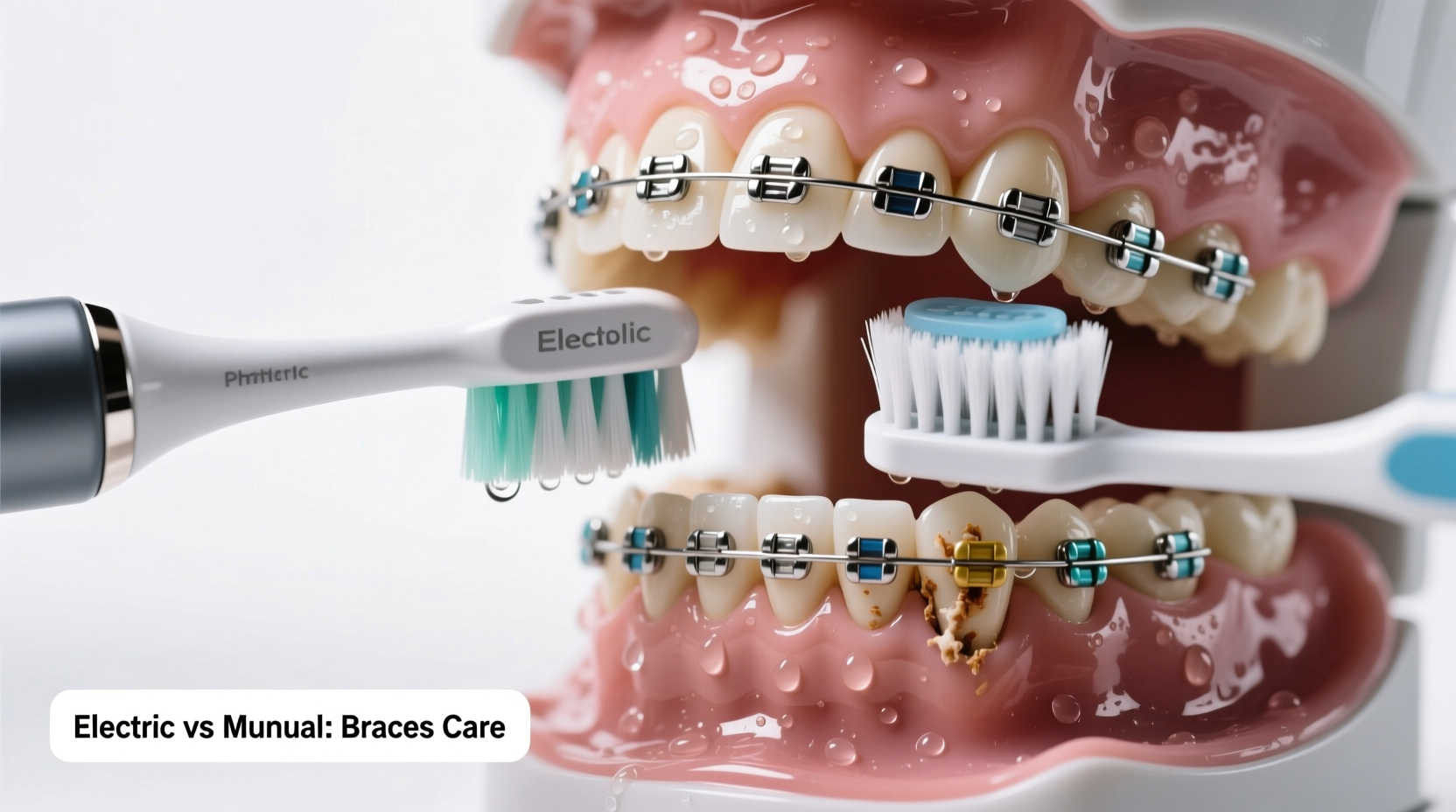
Traditional metal or ceramic braces introduce physical barriers that complicate routine dental care. The brackets are bonded directly to the front surfaces of your teeth, and archwires run through them, forming a network that traps food debris—especially after meals. Plaque buildup around these areas increases the risk of decalcification (white spots), gingivitis, and even cavities if not managed properly.
Because of this, orthodontists emphasize not just brushing frequency, but also thoroughness. The American Association of Orthodontists recommends brushing after every meal and before bed—a total of three to four times daily when wearing braces.
This elevated standard means your choice of toothbrush matters more than ever. It’s not just about removing surface stains; it’s about disrupting biofilm in hard-to-reach zones without damaging soft tissues or hardware.
Electric Toothbrushes: Advantages and Limitations with Braces
Electric toothbrushes have gained popularity over the past two decades due to their consistent motion, built-in timers, and ability to reduce user error. For people with braces, certain models offer features specifically designed to enhance cleaning efficiency.
Key Benefits of Electric Brushes for Braces Wearers
- Oscillating or sonic action: Rotating-oscillating and sonic brushes generate thousands of brushstrokes per minute—far more than manual brushing allows. This helps dislodge plaque from around brackets and under wires.
- Timers and pressure sensors: Many electric models include quadrant timers (30 seconds each) to ensure full coverage and pressure indicators to prevent gum irritation—a common issue when brushing too hard near sensitive orthodontic hardware.
- Ease of use: For children, teens, or adults with limited dexterity, electric brushes require less effort to achieve effective results.
- Specialized ortho brush heads: Some brands like Philips Sonicare and Oral-B offer orthodontic-specific attachments with contoured bristles designed to surround brackets and clean beneath wires.
Potential Drawbacks
Despite their advantages, electric brushes aren’t perfect for everyone. Some users report discomfort when high-frequency vibrations interact with sore gums or newly tightened braces. Additionally, improper positioning can cause bristles to skip over key areas, especially if the brush head is too large for narrow gaps.
Battery life, cost of replacement heads, and travel inconvenience are other considerations. However, most modern models address these issues with long battery life, compact travel cases, and affordable refill programs.
“Patients with fixed appliances benefit significantly from powered brushing, particularly those prone to inconsistent technique. The mechanical action compensates for human variability.” — Dr. Linda Chen, Board-Certified Orthodontist
Manual Toothbrushes: Can They Keep Up?
Manual toothbrushes remain widely used—and for good reason. They’re inexpensive, portable, and don’t require charging. When used correctly, they can be highly effective at cleaning teeth with braces.
The success of a manual brush hinges entirely on technique. Orthodontists often recommend the modified Bass technique: angling the bristles at 45 degrees toward the gumline and using small circular motions. With braces, this must be repeated above and below the wire on each tooth.
Best Practices for Manual Brushing with Braces
- Use a soft-bristled brush to avoid gum recession and enamel wear.
- Divide your mouth into sections (upper right, upper left, lower right, lower left) and spend at least 30 seconds on each.
- Floss daily using a floss threader or orthodontic flosser to reach between teeth.
- Supplement with interdental brushes (like proxy brushes) to clean under wires and between brackets.
- Rinse with an antimicrobial mouthwash to reduce bacteria in unreachable areas.
A major limitation of manual brushing is inconsistency. Studies show that many people brush for less than one minute and miss up to 60% of tooth surfaces—even without braces. Add brackets into the mix, and the margin for error grows substantially.
Real Example: A Teenager’s Experience
Consider 15-year-old Marcus, who was fitted with traditional metal braces. His orthodontist recommended an electric toothbrush, but his family opted for a manual one due to budget concerns. Over six months, Marcus brushed diligently twice a day but skipped post-lunch brushing and avoided flossing.
At his next check-up, the orthodontist noticed early signs of white spot lesions near the gumlines of several upper teeth—evidence of demineralization caused by lingering plaque. After switching to an electric brush and adding interdental tools, Marcus improved his scores on plaque index tests within three months.
This case illustrates that while manual brushes can work, they demand near-perfect compliance to match the outcomes seen with powered alternatives.
Comparing Performance: Electric vs. Manual with Braces
To clarify the differences, here's a side-by-side comparison based on clinical findings and patient feedback:
| Feature | Electric Toothbrush | Manual Toothbrush |
|---|---|---|
| Plaque Removal Efficiency | High – studies show 7–21% greater reduction | Moderate – depends heavily on technique |
| Ease Around Brackets | Excellent with ortho brush heads | Challenging without proper angle control |
| Gum Irritation Risk | Low – with pressure sensors | Higher – due to excessive force |
| Cost Over Time | Higher initial and replacement costs | Low – very affordable |
| Consistency of Results | High – automated motion reduces variation | Variable – technique-dependent |
A 2021 meta-analysis published in the *Journal of Clinical Orthodontics* reviewed 12 randomized controlled trials and concluded that powered toothbrushes led to significantly better plaque control and reduced gingival inflammation in orthodontic patients compared to manual brushing—especially among adolescents.
Step-by-Step Guide: Optimizing Your Brushing Routine with Braces
No matter which brush you choose, following a structured routine maximizes results. Here’s how to do it right:
- Start with a pre-rinse: Swish with water or mouthwash to loosen debris.
- Inspect your brush: Ensure bristles are soft and undamaged. Replace every 3 months.
- Brush at angles: Tilt the brush up to clean under the upper wire, then down for the lower wire. Spend 10 seconds per tooth.
- Clean all surfaces: Outer, inner, and chewing surfaces—don’t forget behind the back molars.
- Use interdental tools: Insert a proxy brush or floss threader between teeth and under wires. <6> Finish with fluoride rinse: Helps remineralize enamel and fight acid attacks.
- Check your work: Run your tongue over teeth—if they feel smooth and squeaky, you’ve done well.
Frequently Asked Questions
Can I damage my braces by brushing too hard?
Yes. Excessive pressure can irritate gums, wear down enamel, and even loosen brackets over time. Use gentle, circular motions rather than aggressive scrubbing. Electric brushes with pressure sensors help prevent this issue.
Do I still need to floss if I use an electric toothbrush?
Absolutely. No toothbrush—electric or manual—can fully clean between teeth where food and plaque hide. Flossing with a threader or using a water flosser is essential for preventing gum disease and cavities during orthodontic treatment.
Which electric toothbrush model is best for braces?
Top picks include the Oral-B iO Series 9 (with orthodontic mode), Philips Sonicare ProtectiveClean 6100, and Fairywill FW507 (budget-friendly with ortho head). Look for models offering adjustable intensity, timers, and specialized brush heads.
Checklist: Choosing the Right Brush for Your Braces
- ☐ Assess your brushing habits—are you consistent and thorough?
- ☐ Consider dexterity needs—do you struggle with hand movement?
- ☐ Set a budget—including replacement heads over 18–24 months
- ☐ Try both types if possible—many brands offer trial periods
- ☐ Consult your orthodontist—they may provide samples or discounts
- ☐ Prioritize soft bristles regardless of brush type
- ☐ Commit to brushing after meals and before bed
Conclusion: Matching the Tool to Your Lifestyle
So, are electric toothbrushes better for braces? The evidence leans strongly in their favor. Clinical studies, orthodontic professionals, and real-world results consistently show that electric brushes provide superior plaque removal, reduce gum inflammation, and support better long-term outcomes for people in orthodontic treatment.
That said, a manual toothbrush is not obsolete. If you're disciplined, use proper technique, and supplement with interdental tools, you can maintain excellent oral health without spending extra on technology.
The real takeaway isn’t about brand loyalty or gadget preference—it’s about consistency. Whether powered or manual, your toothbrush only works if you use it correctly and frequently. Braces demand more, and your hygiene routine should rise to meet that challenge.
💬 Ready to upgrade your braces hygiene? Try an electric toothbrush for two weeks and compare how your mouth feels. Share your experience with your orthodontist—and encourage others to take control of their oral health journey.








