
Eggs have long been a staple in diets around the world—affordable, versatile, and packed with nutrients. But for decades, their yolks have drawn suspicion due to their high cholesterol content. With growing concern over heart disease and blood lipid levels, many people wonder: are egg yolks truly harmful to your health? The answer isn’t as straightforward as “yes” or “no.” Modern research has reshaped our understanding of dietary cholesterol, and the role of egg yolks is more nuanced than once believed.
The Cholesterol Debate: What We Used to Believe
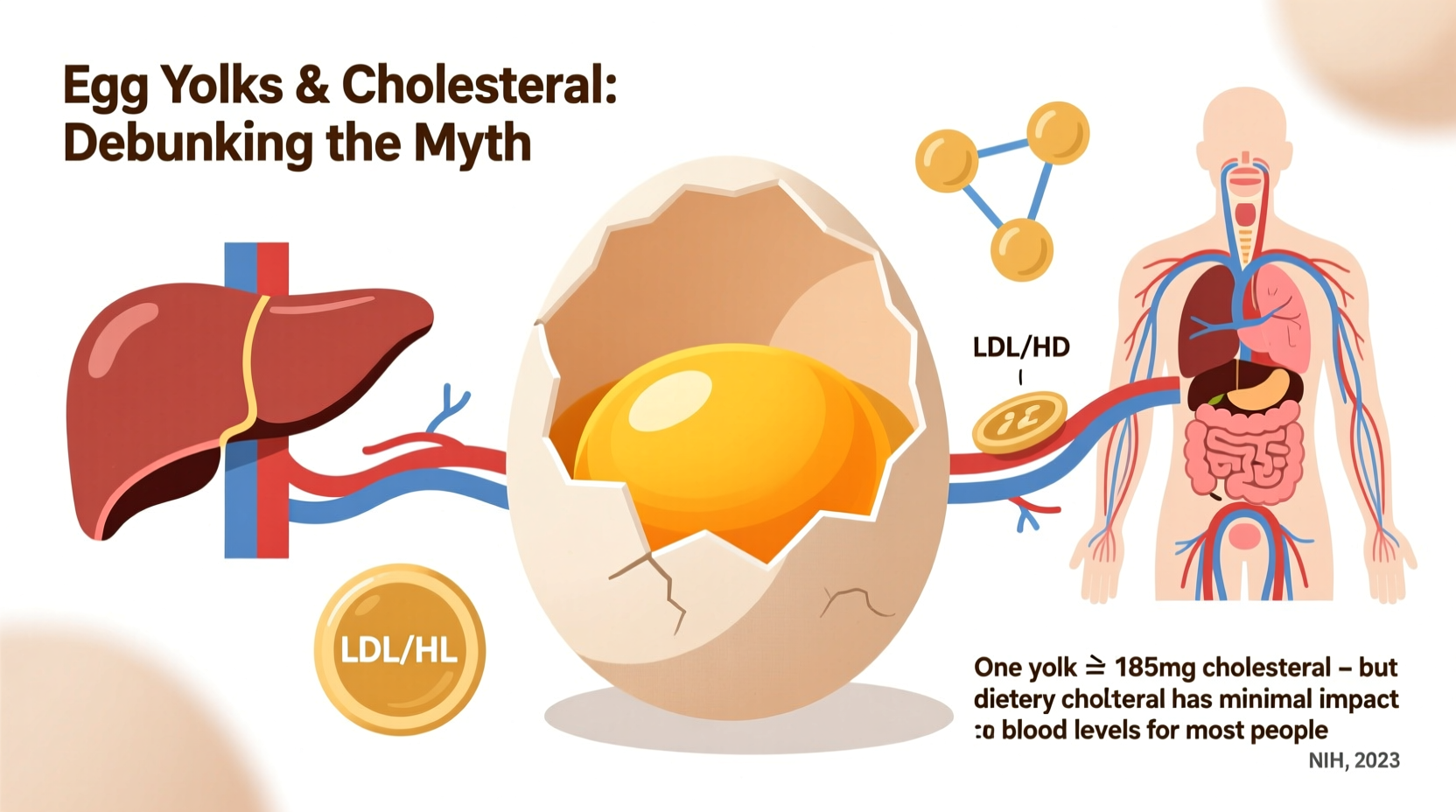
For much of the 20th century, public health guidelines warned against consuming foods high in cholesterol, including egg yolks. One large egg yolk contains about 185 milligrams of cholesterol—more than half the previously recommended daily limit of 300 mg. This led to widespread advice to limit whole eggs or consume only the whites.
The logic was simple: eat cholesterol → blood cholesterol rises → risk of heart disease increases. However, this linear model didn’t account for how the human body regulates cholesterol internally. Most of the cholesterol in your bloodstream is produced by the liver, not derived from food. When you eat more dietary cholesterol, your liver often compensates by producing less.
“Dietary cholesterol has a much smaller impact on blood cholesterol than we once thought. For most people, saturated fat plays a far greater role.” — Dr. Frank Sacks, Professor of Cardiovascular Disease Prevention, Harvard T.H. Chan School of Public Health
What Science Says Today About Egg Yolks and Heart Health
Recent studies have challenged the idea that egg yolks significantly raise the risk of cardiovascular disease in healthy individuals. A 2020 meta-analysis published in the American Journal of Clinical Nutrition reviewed data from over 300,000 participants and found no consistent link between moderate egg consumption (up to one egg per day) and increased risk of heart disease in the general population.
However, the story differs slightly for certain groups:
- People with type 2 diabetes may experience a modest increase in cardiovascular risk when consuming high amounts of eggs.
- Those with genetic predispositions, such as familial hypercholesterolemia, may be more sensitive to dietary cholesterol.
- Individuals with existing high LDL (“bad”) cholesterol should monitor intake and consult a healthcare provider.
In short, context matters. For most people, eating one whole egg daily does not negatively affect cholesterol levels or heart health—especially when part of a balanced diet low in processed foods and trans fats.
Tip: Pair eggs with fiber-rich vegetables and whole grains instead of bacon or white toast to maximize heart-healthy benefits.Nutritional Powerhouse: What Egg Yolks Actually Provide
Beyond cholesterol, egg yolks are rich in essential nutrients that support brain function, eye health, and metabolism. Discarding the yolk means missing out on some of the most valuable components of the egg.
| Nutrient | Amount per Yolk (Large Egg) | Health Benefit |
|---|---|---|
| Choline | 147 mg | Supports brain development and liver function |
| Lutein & Zeaxanthin | 250+ mcg | Protect eye health and reduce risk of macular degeneration |
| Vitamin D | 41 IU | Supports bone health and immune function |
| Vitamin B12 | 0.3 mcg | Essential for nerve function and red blood cell production |
| Healthy Fats | 4.5 g (mostly unsaturated) | Fuel cells and aid absorption of fat-soluble vitamins |
Choline, in particular, is under-consumed in typical Western diets. Pregnant women especially benefit from adequate choline intake, which supports fetal brain development. One egg yolk provides nearly a quarter of the daily recommended amount.
Real-Life Example: John’s Cholesterol Journey
John, a 48-year-old office worker, was alarmed when his annual blood test showed elevated LDL cholesterol. His doctor advised reducing saturated fat and dietary cholesterol. John immediately eliminated eggs, switching to egg-white-only omelets.
After six months, his LDL remained high. Frustrated, he consulted a registered dietitian who reviewed his full diet. She discovered John was consuming large amounts of cheese, processed meats, and baked goods—sources of saturated and trans fats. Meanwhile, he’d lost the nutritional benefits of whole eggs.
The dietitian suggested reintroducing one whole egg daily while cutting back on processed snacks and fatty meats. Within three months, John’s HDL (“good”) cholesterol improved, and his LDL dropped slightly—not because of the eggs, but because his overall diet quality increased.
This case illustrates a key point: focusing on single foods like egg yolks can distract from broader dietary patterns that have a greater impact on health.
Practical Guidelines: How Many Eggs Are Safe?
There is no universal number that fits everyone. Individual responses to dietary cholesterol vary—a phenomenon known as “hyper-responders” versus “hypo-responders.” Still, evidence-based guidelines offer helpful benchmarks.
- Healthy adults: Up to 1 whole egg per day is generally safe and can be part of a heart-healthy diet.
- Older adults without heart disease: Eggs may even be beneficial due to high-quality protein and nutrient density, supporting muscle and cognitive health.
- People with diabetes or at high cardiovascular risk: Limit to 3–4 whole eggs per week and emphasize plant-based proteins and fiber.
- Those managing high cholesterol: Focus on reducing saturated fat (found in butter, red meat, full-fat dairy) before eliminating eggs.
Frequently Asked Questions
Does eating egg yolks raise my blood cholesterol?
For most people, moderate egg consumption has little effect on blood cholesterol levels. The liver adjusts its production based on dietary intake. Saturated fat has a stronger influence on LDL cholesterol than dietary cholesterol itself.
Are brown eggs healthier than white eggs?
No. Shell color depends on the breed of hen and has no impact on nutritional value or cholesterol content. Nutrition is similar across egg types unless the hens are fed fortified diets (e.g., omega-3 enriched).
Can I eat eggs every day if I’m trying to lose weight?
Yes. Eggs are high in protein and promote satiety, helping control appetite. Just prepare them using healthy methods—boiled, poached, or scrambled with minimal oil—and pair with vegetables, not high-calorie sides.
Action Checklist: Making Smarter Egg Choices
- ✔ Eat whole eggs in moderation—as part of a balanced diet rich in fruits, vegetables, and whole grains.
- ✔ Prioritize reducing saturated and trans fats over eliminating dietary cholesterol.
- ✔ Monitor your overall dietary pattern, not just one ingredient.
- ✔ Consult your doctor or dietitian if you have diabetes, heart disease, or high cholesterol.
- ✔ Choose cooking methods that don’t add unhealthy fats—steaming, boiling, or sautéing with olive oil.
Final Thoughts: Rethinking Food Fears
The fear of egg yolks is rooted in outdated science. While they are high in cholesterol, they also deliver vital nutrients that are hard to replace. Eliminating them unnecessarily may do more harm than good—especially when the real culprits behind poor heart health are often ultra-processed foods, excess sugar, and unhealthy fats.
Rather than fixating on isolated nutrients, focus on the bigger picture: a diet centered on whole, minimally processed foods. In that context, egg yolks aren’t the enemy—they’re a nutritious ally.
💬 What’s your take on eggs? Have you cut out yolks—or welcomed them back? Share your experience and help others make informed choices about cholesterol and diet.








