
In recent years, adaptogens have become a staple in the wellness world—promised to reduce stress, boost energy, and enhance mental clarity. Found in everything from morning tonics to nighttime capsules, these herbal compounds are marketed as nature’s answer to modern burnout. But with little regulation and a surge of influencer-driven claims, it's worth asking: Are adaptogen supplements actually safe and effective, or are they just another cleverly branded trend capitalizing on our collective anxiety?
The truth lies somewhere in between. While some adaptogens have deep roots in traditional medicine and emerging scientific support, others lack rigorous clinical evidence. More importantly, their safety profile isn’t universal. What works for one person might cause side effects—or even interact dangerously—with medications in another.
What Are Adaptogens—and Where Do They Come From?
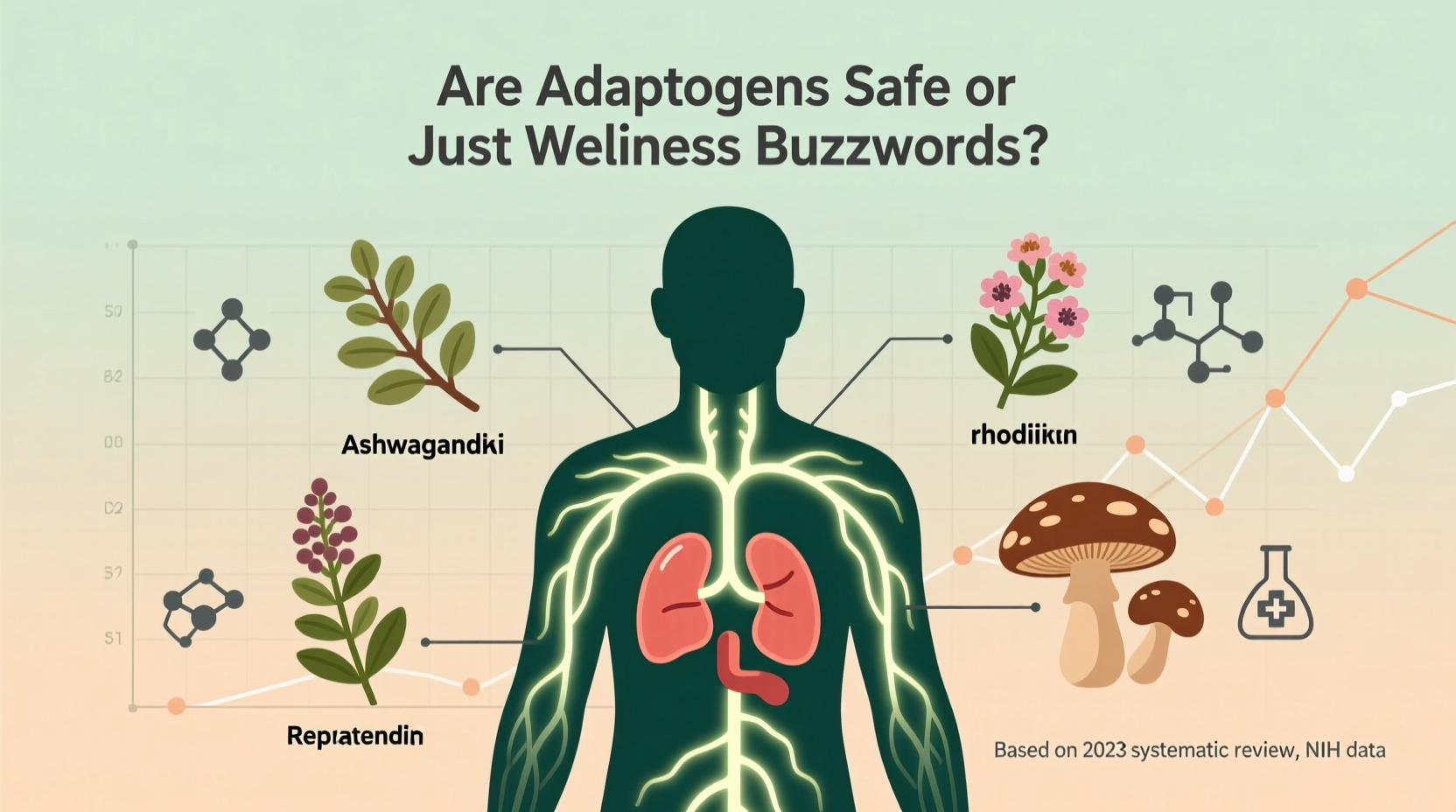
Adaptogens are a category of natural substances, primarily plant-based, believed to help the body resist physical, chemical, and biological stressors. The term was first coined in the 1940s by Russian scientist Nikolai Lazarev, who studied how certain herbs could improve endurance and resilience in lab animals. Later, researcher Israel Brekhman expanded this work, identifying key criteria for an herb to qualify as an adaptogen:
- It must be non-toxic at normal doses.
- It should produce a nonspecific response that increases resistance to multiple types of stress (e.g., fatigue, heat, cold).
- It must help normalize physiological functions, regardless of the direction of imbalance.
Traditional systems like Ayurveda and Traditional Chinese Medicine have used many of these plants for centuries. For example, ashwagandha has been used in India for over 3,000 years to promote vitality and calm the mind, while rhodiola rosea was historically consumed by Siberian hunters and soldiers to endure harsh climates and prolonged exertion.
“Adaptogens aren’t magic bullets, but some do show genuine promise in modulating the stress response—especially when used appropriately.” — Dr. Emily Tan, Integrative Pharmacologist
The Science Behind Common Adaptogens
Not all adaptogens are created equal in terms of research backing. Some have dozens of human trials supporting their use; others rely mostly on animal studies or anecdotal reports. Below is a comparison of popular adaptogens based on current scientific understanding.
| Adaptogen | Primary Use | Evidence Level | Common Side Effects |
|---|---|---|---|
| Ashwagandha | Stress reduction, improved sleep, thyroid support | High – multiple RCTs show cortisol reduction | Drowsiness, stomach upset, potential hormone interaction |
| Rhodiola Rosea | Mental fatigue, endurance, mood support | Moderate – improves cognitive performance under stress | Insomnia (if taken late), dry mouth, dizziness |
| Eleuthero (Siberian Ginseng) | Energy, immune modulation | Low-Moderate – limited human data | Headache, insomnia, blood pressure changes |
| Holy Basil (Tulsi) | Anxiety, blood sugar balance | Moderate – shows anti-anxiety effects in small trials | Nausea, potential anticoagulant effect |
| Maca Root | Hormonal balance, libido | Low – mostly animal studies; mixed human results | Bloating, menstrual changes |
While ashwagandha and rhodiola stand out for having relatively strong human trial support, many other so-called adaptogens lack robust clinical validation. This gap allows marketers to make broad claims without sufficient proof—such as labeling a mushroom blend as “stress-fighting” simply because it contains reishi, despite minimal direct evidence for systemic adaptation.
Tip: Look for standardized extracts (e.g., \"ashwagandha root extract, 5% withanolides\") rather than whole powders—this ensures consistent potency and better aligns with study dosages.Safety Concerns and Hidden Risks
Just because something is “natural” doesn’t mean it’s safe for everyone. Adaptogens can interact with medications, affect hormone levels, or exacerbate underlying conditions. For instance:
- Ashwagandha may stimulate thyroid activity, which can be risky for people with hyperthyroidism or those taking thyroid medication.
- Rhodiola acts as a mild MAO inhibitor, potentially causing issues when combined with antidepressants like SSRIs or SNRIs.
- Some adaptogens affect liver enzymes involved in drug metabolism (like CYP3A4), altering how medications are processed.
Additionally, contamination and mislabeling remain serious concerns in the supplement industry. A 2020 review published in Frontiers in Pharmacology found that nearly 30% of herbal supplements tested contained unlisted ingredients, including allergens or fillers. Without third-party testing, consumers often have no way to verify what’s actually in the bottle.
Who Should Avoid Adaptogens?
Certain populations should exercise caution or avoid adaptogens altogether:
- Pregnant or breastfeeding women (due to lack of safety data)
- People with autoimmune diseases (some adaptogens may stimulate immune function)
- Individuals on psychiatric medications, blood thinners, or diabetes drugs
- Those preparing for surgery (due to potential bleeding or blood pressure risks)
“I had a patient develop severe insomnia after starting a ‘calming’ adaptogen blend—turns out it contained stimulating eleuthero. Always read labels and consult your doctor.” — Dr. Lena Patel, Functional Medicine Physician
Marketing Hype vs. Realistic Expectations
The rise of adaptogens parallels the broader trend of “biohacking” and self-optimization. Social media influencers tout them as essential tools for productivity, glowing skin, and emotional balance—often without disclosing sponsorship or scientific limitations.
Wellness brands frequently use vague language like “supports adrenal health” or “promotes calm focus,” which are technically allowed under FDA regulations because they don’t claim to treat or cure disease. However, such phrasing can mislead consumers into believing these products offer clinically proven benefits.
Consider a popular adaptogenic coffee blend advertised as “your daily armor against stress.” In reality, combining stimulants like caffeine with stimulating adaptogens (e.g., rhodiola) might increase anxiety in sensitive individuals—exactly the opposite of the intended effect.
Mini Case Study: Sarah’s Experience with Ashwagandha
Sarah, a 34-year-old project manager, began taking an ashwagandha supplement after reading online reviews praising its ability to “reset your nervous system.” She took 600 mg daily for three weeks and initially felt more relaxed. But soon, she noticed increased fatigue, weight gain, and hair thinning. After seeing her endocrinologist, blood tests revealed elevated TSH levels—indicating early hypothyroidism.
Her doctor suspected the ashwagandha was influencing her thyroid function. Upon discontinuation, her symptoms gradually improved. While not every user will experience this, Sarah’s case highlights how even well-researched adaptogens can have unintended consequences depending on individual biochemistry.
Tip: Start with a low dose and monitor your body’s response over 2–4 weeks. Keep a symptom journal to track changes in sleep, mood, energy, and digestion.How to Use Adaptogens Wisely: A Practical Checklist
If you're considering trying adaptogens, follow this checklist to minimize risk and maximize benefit:
- Consult your healthcare provider, especially if you have a medical condition or take prescription medications.
- Choose reputable brands that provide third-party lab testing (look for NSF, USP, or ConsumerLab certification).
- Read ingredient labels carefully—avoid proprietary blends with hidden amounts or unnecessary additives.
- Start with single-ingredient formulas rather than complex blends to identify what works (or doesn’t).
- Track your response using a simple daily log noting energy, mood, sleep quality, and any side effects.
- Take breaks periodically—continuous long-term use may reduce effectiveness or lead to dependency signals.
- Discontinue use before surgery or major medical procedures, typically two weeks prior.
Frequently Asked Questions
Can I take adaptogens every day?
Some adaptogens, like ashwagandha and rhodiola, are generally considered safe for daily use in recommended doses for up to 3–6 months. However, long-term safety beyond that period hasn't been thoroughly studied. Cycling—using for 6–8 weeks followed by a 1–2 week break—is often recommended to prevent tolerance or hormonal feedback disruption.
Do adaptogens really reduce stress?
For certain individuals, yes—but the effect is subtle and cumulative. Unlike pharmaceutical anxiolytics, adaptogens don’t provide immediate relief. Instead, they may help modulate the hypothalamic-pituitary-adrenal (HPA) axis over time, leading to lower baseline cortisol and improved stress resilience. Results vary widely based on lifestyle, diet, and individual physiology.
Are there natural ways to get the same benefits?
Absolutely. Regular exercise, adequate sleep, mindfulness practices, and balanced nutrition all support the body’s natural stress-response systems. In fact, these foundational habits are far more impactful than any supplement. Adaptogens should complement—not replace—a healthy lifestyle.
Conclusion: Proceed with Curiosity, Not Certainty
Adaptogen supplements occupy a gray zone between ancient wisdom and modern marketing. While some—like ashwagandha and rhodiola—show legitimate promise in managing stress and fatigue, many others ride the coattails of popularity without solid evidence. Their safety depends heavily on individual health status, dosage, product quality, and concurrent medication use.
Instead of viewing adaptogens as miracle cures, consider them potential tools within a broader strategy for well-being. Approach them with informed skepticism: research the science, vet the source, listen to your body, and never substitute professional medical care for a supplement trend.
🚀 Ready to explore adaptogens safely? Start by discussing your options with a trusted healthcare provider—and share your journey in the comments below to help others navigate the noise.








