
Combining alcohol and antibiotics is a common but risky behavior. Many people assume that having a drink while on medication is harmless—especially if they feel well enough to socialize or relax with a glass of wine. However, this combination can lead to serious health consequences, ranging from intensified side effects to long-term organ damage. While not every antibiotic reacts dangerously with alcohol, the potential for harm is significant enough that medical professionals universally advise against mixing the two.
The interaction between alcohol and antibiotics depends on several factors: the type of antibiotic, the amount of alcohol consumed, individual metabolism, and overall health. Some combinations trigger immediate and severe reactions, while others subtly undermine treatment effectiveness. Understanding these risks empowers patients to make safer choices during recovery.
How Alcohol Interferes with Antibiotic Function
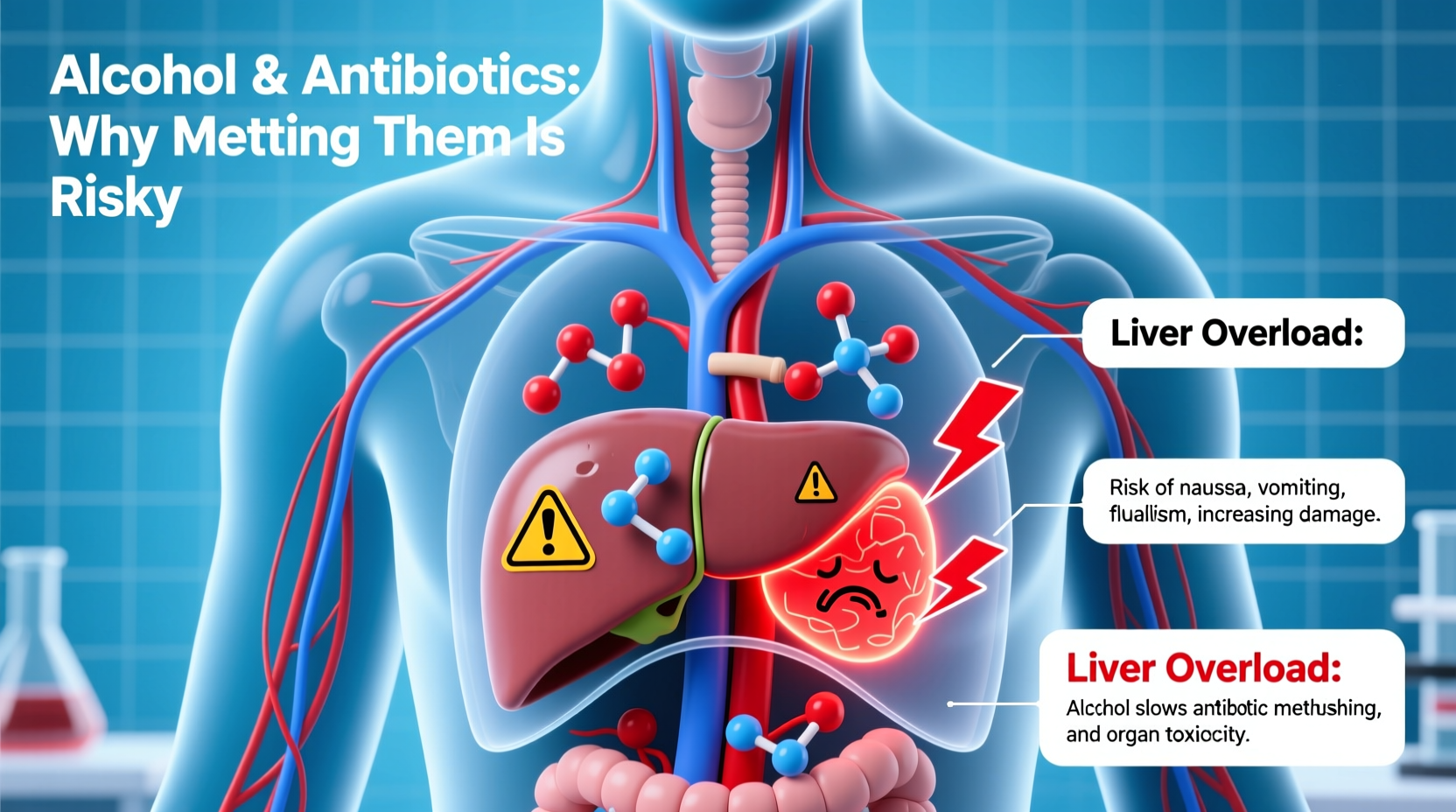
Antibiotics work by either killing bacteria or inhibiting their growth. For these drugs to be effective, they must maintain consistent levels in the bloodstream and remain metabolically active. Alcohol can interfere with this process in multiple ways:
- Liver strain: Both alcohol and many antibiotics are processed by the liver. When consumed together, the organ faces increased metabolic demand, potentially slowing antibiotic breakdown and prolonging drug presence in the body.
- Reduced immune response: Alcohol suppresses immune system activity, counteracting the body’s natural ability to fight infection—exactly when it needs all available support.
- Impaired absorption: In some cases, alcohol alters stomach pH or intestinal motility, affecting how well an antibiotic is absorbed into the bloodstream.
- Dehydration: Alcohol is a diuretic, increasing urine output. Dehydration can reduce circulation efficiency and hinder the delivery of antibiotics to infected tissues.
Even moderate drinking may compromise treatment outcomes. A study published in the journal *Alcohol Research & Health* found that alcohol use during illness delays healing and increases susceptibility to secondary infections.
Tip: Wait at least 48–72 hours after finishing your antibiotic course before consuming alcohol, especially if you’ve been prescribed metronidazole, tinidazole, or linezolid.High-Risk Antibiotics: Which Ones React Dangerously?
Not all antibiotics carry the same level of risk when combined with alcohol. Certain classes trigger acute, even life-threatening reactions. The most notable include:
| Antibiotic | Common Uses | Risks with Alcohol |
|---|---|---|
| Metronidazole (Flagyl) | Bacterial vaginosis, parasitic infections, dental abscesses | Severe nausea, vomiting, rapid heartbeat, flushing, low blood pressure — similar to disulfiram reaction |
| Tinidazole (Tindamax) | Same as metronidazole | Even more prolonged interaction; avoid alcohol for up to 72 hours after last dose |
| Linezolid (Zyvox) | Resistant bacterial infections like MRSA | Dangerous spike in blood pressure when combined with alcoholic beverages, especially red wine or beer |
| Isoniazid (for tuberculosis) | TB treatment | Increased risk of liver toxicity and hepatitis |
These medications inhibit enzymes responsible for breaking down acetaldehyde, a toxic byproduct of alcohol metabolism. When this compound accumulates, it causes a “disulfiram-like” reaction—named after a drug used to treat alcohol dependence due to its unpleasant side effects.
“Patients on metronidazole should treat alcohol like poison. Even a small amount can trigger debilitating symptoms.” — Dr. Lena Patel, Infectious Disease Specialist, Cleveland Clinic
Less Obvious Risks: When Symptoms Overlap
Some antibiotics don’t cause dramatic reactions but still pose dangers through overlapping side effects. For example:
- Doxycycline and azithromycin may cause dizziness or gastrointestinal upset—symptoms worsened by alcohol.
- Ciprofloxacin can affect the central nervous system; adding alcohol increases the risk of confusion, lightheadedness, or impaired coordination.
- Sulfamethoxazole-trimethoprim (Bactrim) may already stress the liver; alcohol exacerbates this effect, raising the chance of hepatotoxicity.
In these cases, the danger isn't always immediate, but cumulative. A person might feel only mildly unwell after one drink, but repeated exposure over several days can delay recovery or require hospitalization.
Real Example: A Weekend Complication
Consider Mark, a 34-year-old recovering from a urinary tract infection treated with ciprofloxacin. Feeling better by day three, he attended a friend’s birthday party and had two beers. Within hours, he experienced intense dizziness, nausea, and heart palpitations. He assumed it was food poisoning but later learned from his doctor that alcohol amplified the neurologic side effects of the antibiotic. His recovery stalled, and he required additional rest and hydration to stabilize.
This scenario illustrates how seemingly minor decisions can have tangible health impacts—even with antibiotics not considered “high-risk.”
Step-by-Step Guide: How to Safely Manage Alcohol During Treatment
To protect your health and ensure your antibiotic works effectively, follow this practical timeline:
- Day 1 – Prescription Start: Review the medication guide. Identify whether your antibiotic interacts with alcohol. Ask your pharmacist if unsure.
- Days 2–N – Active Treatment: Avoid all forms of alcohol—including beer, wine, spirits, and even alcohol-based mouthwashes or cough syrups.
- Hydration Focus: Replace alcoholic drinks with water, herbal teas, or electrolyte solutions to support detoxification and immune function.
- Last Dose Day: Note the time of your final pill. Set a reminder for 48–72 hours later before considering alcohol.
- Post-Treatment Check-In: Assess how you feel. If symptoms linger or liver values were borderline, consult your doctor before resuming drinking.
Frequently Asked Questions
Can I have just one drink while on antibiotics?
It’s best to avoid any alcohol—even one drink—especially with high-risk antibiotics like metronidazole or tinidazole. With others, minimal consumption might not cause acute harm, but it still increases side effect risks and may weaken your recovery. When in doubt, wait.
Does alcohol make antibiotics completely ineffective?
Not always, but it can reduce effectiveness. Alcohol impairs immune function and may alter drug metabolism, meaning your body takes longer to clear the infection. In some cases, incomplete treatment leads to antibiotic resistance.
How long after finishing antibiotics can I drink alcohol?
Wait at least 48 hours for most antibiotics. For metronidazole or tinidazole, extend this to 72 hours. Linezolid users should avoid alcohol throughout treatment and for two weeks after due to blood pressure concerns.
Checklist: Staying Safe on Antibiotics
- ✔️ Read the patient information leaflet included with your prescription
- ✔️ Ask your doctor or pharmacist about alcohol interactions
- ✔️ Avoid all alcoholic beverages during treatment
- ✔️ Skip alcohol-containing foods (e.g., rum cake,酒酿) and products (mouthwash, cold syrups)
- ✔️ Hydrate well with water and non-caffeinated fluids
- ✔️ Wait 2–3 days after your last dose before drinking
- ✔️ Monitor for signs of liver stress: yellow eyes, dark urine, abdominal pain
Final Thoughts: Prioritize Healing Over Habit
Your body needs every advantage when fighting an infection. Introducing alcohol during antibiotic treatment adds unnecessary stress to vital organs and undermines medical efforts. While abstinence may seem inconvenient, it’s a short-term sacrifice with long-term benefits. Recovery is faster, complications are rarer, and you regain full health with fewer setbacks.
Medication adherence isn’t just about taking pills on time—it’s about supporting your body holistically. That means rest, nutrition, hydration, and avoiding substances that interfere with healing. By choosing caution today, you invest in a stronger, healthier tomorrow.
💬 Have questions about your current medication? Talk to your healthcare provider before making any decisions. Share this article to help others understand the real risks of mixing alcohol and antibiotics.








