Neutrogena Rainbath has long been a cult-favorite in the world of bath and body products. Its refreshing blend of citrus and herbal notes, combined with a silky lather, makes it a sensory indulgence for many. But compared to standard shower gels or body washes, its price point stands out. At first glance, paying $10–$15 for a bottle may seem steep when mass-market alternatives are available for under $5. So why is Neutrogena Rainbath considered expensive? The answer lies not in marketing hype alone, but in a combination of formulation quality, brand strategy, supply chain dynamics, and consumer psychology.
The Premium Perception Behind a Classic Formula
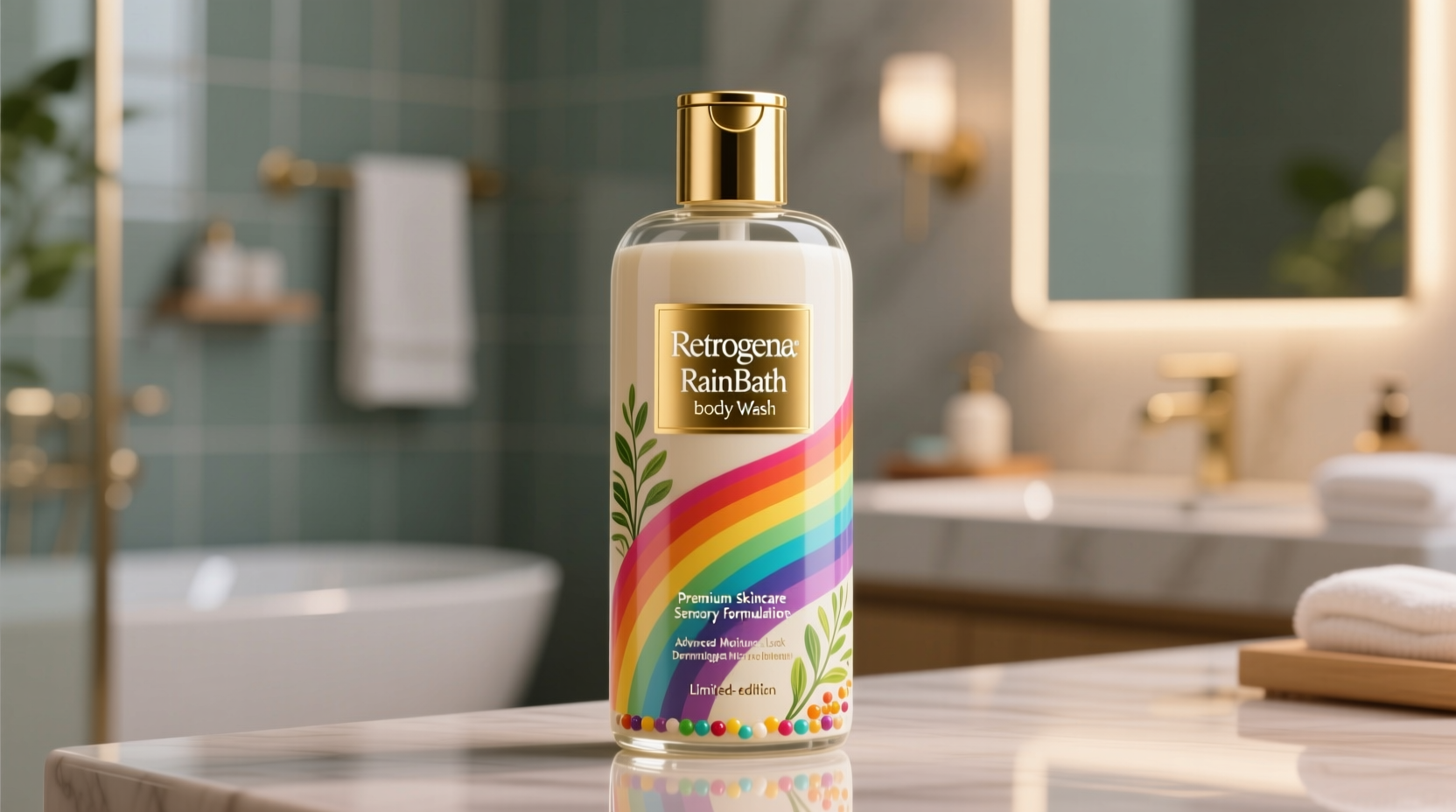
Rainbath isn’t just a body wash—it’s positioned as a ritualistic experience. Originally developed in the 1970s by the Elizabeth Arden spa line, the formula was later acquired by Neutrogena, which rebranded it with broader retail appeal while preserving its upscale essence. Despite being sold in drugstores and supermarkets, Rainbath carries an aura of luxury that influences its pricing.
The scent profile alone sets it apart: a complex fusion of bergamot, eucalyptus, spearmint, and sandalwood creates a spa-like aroma that lingers on the skin. Unlike many synthetic fragrances found in budget brands, Rainbath uses concentrated essential oils and high-quality aromatic compounds. These ingredients are costlier to source and stabilize, contributing directly to the final price.
“Fragrance complexity is one of the biggest hidden costs in personal care. A well-balanced, long-lasting scent requires precise ratios of natural and synthetic components—Rainbath nails this balance.” — Dr. Lena Torres, Cosmetic Chemist & Formulation ConsultantTip: Use a loofah or mesh pouf to maximize lather—this extends the life of each bottle and enhances the sensory experience.
Ingredient Quality and Sourcing Costs
While Rainbath doesn’t market itself as “all-natural” or “organic,” its ingredient list reflects a commitment to performance and mildness. Key components include:
- Glycerin – A humectant that draws moisture into the skin, preventing dryness after washing.
- Sodium laureth sulfate (SLES) – A gentler surfactant than sodium lauryl sulfate (SLS), providing rich lather without excessive stripping.
- Fragrance compounds – High-purity aromatic blends that require rigorous testing for skin compatibility.
- Preservatives like methylisothiazolinone – Used in minimal, regulated amounts to ensure shelf stability.
The sourcing of these ingredients involves global supply chains. For instance, bergamot oil is primarily grown in southern Italy, where climate conditions and harvest yields affect availability and cost. Any disruption—such as crop failure or export restrictions—can ripple through production and increase prices.
Supply Chain and Manufacturing Overheads
Neutrogena, owned by Johnson & Johnson, operates under strict quality control standards. Every batch of Rainbath undergoes dermatological testing, microbial screening, and stability checks before distribution. These compliance measures add operational costs that trickle down to consumers.
In addition, the product is manufactured in FDA-registered facilities with Good Manufacturing Practices (GMP) certification. While this ensures safety and consistency, it also increases labor, equipment, and regulatory expenses compared to overseas contract manufacturers used by lower-priced brands.
Brand Positioning and Market Differentiation
One of the most significant reasons for Rainbath’s premium pricing is strategic branding. Neutrogena positions itself at the intersection of dermatology and beauty—a “science-backed skincare” brand trusted by professionals. This reputation allows them to charge more across their product line, including Rainbath.
Unlike generic store-brand body washes, Rainbath benefits from decades of consumer loyalty and word-of-mouth marketing. It’s often described as “the original spa wash,” reinforcing its niche as a treat rather than a commodity. This emotional resonance enables Neutrogena to maintain pricing power even in competitive markets.
| Factor | Budget Body Wash | Neutrogena Rainbath |
|---|---|---|
| Fragrance Type | Synthetic, short-lived | Complex, essential oil-based |
| Lather Quality | Moderate, can feel thin | Rich, creamy, long-lasting |
| Skin Feel After Use | Can be drying | Smooth, lightly moisturized |
| Price per Ounce (8 oz) | $0.50–$0.75 | $1.25–$1.85 |
| Brand Trust & Testing | Limited third-party claims | Dermatologist-tested, clinically backed |
Consumer Demand and Limited Availability Tactics
Rainbath’s popularity far exceeds its distribution footprint. Despite being produced by a major corporation, it’s not always carried in every retail location. Some stores stock it seasonally or only online, creating artificial scarcity that sustains perceived value.
A real-world example illustrates this dynamic:
Mini Case Study: The Holiday Stockout Phenomenon
In late 2022, Target experienced a surge in Rainbath sales during the holiday season. Shoppers reported finding empty shelves both in-store and online. Social media buzzed with posts titled “Where is my Rainbath?!” and Reddit threads speculating about discontinuation. In reality, demand simply outpaced supply forecasts. Within weeks, Neutrogena increased production, but the temporary shortage reinforced the idea that Rainbath is a coveted item worth seeking out—and worth paying more for.
This kind of demand volatility allows brands to avoid deep discounting. When a product is seen as desirable and slightly elusive, retailers are less likely to run promotions, keeping the price stable or even increasing it over time.
Is Rainbath Worth the Price? A Practical Checklist
Before deciding whether Rainbath justifies its cost, consider your priorities. Use this checklist to evaluate if it aligns with your needs:
- ✅ Do you value a long-lasting, invigorating fragrance?
- ✅ Are you sensitive to harsh sulfates or drying formulas?
- ✅ Do you prefer a body wash that doubles as a shaving gel or bubble bath?
- ✅ Do you use only a small amount per shower due to high lather efficiency?
- ✅ Are you willing to pay more for a product with dermatological credibility?
If most answers are yes, then Rainbath’s price becomes easier to rationalize. You're not just buying soap—you’re investing in a multi-sensory experience backed by research and brand integrity.
FAQ: Common Questions About Rainbath Pricing
Why is Neutrogena Rainbath more expensive than other Neutrogena products?
Rainbath occupies a unique space in Neutrogena’s lineup. While most of their products focus on acne treatment or facial care with clinical messaging, Rainbath is marketed for sensory pleasure and relaxation. Its formula includes pricier fragrance oils and emollients not found in basic cleansers, justifying a higher price tier.
Has the price of Rainbath increased over time?
Yes. Since 2015, the average retail price for an 8 oz bottle has risen from $8.99 to $12.99–$14.99 depending on region and retailer. Inflation, ingredient costs, and packaging updates (e.g., pump bottles replacing flip-tops) have contributed to this gradual increase.
Are there cheaper alternatives that smell similar?
Some brands offer citrus-mint body washes at lower prices, such as Bath & Body Works’ Cool Citrus or The Body Shop’s Ginger Shower Gel. However, none replicate Rainbath’s exact balance of freshness and warmth. Knockoff versions exist, but they often lack the same lather quality or skin-feel longevity.
Final Thoughts: Value Beyond the Label
The price of Neutrogena Rainbath reflects more than just the sum of its ingredients. It encapsulates decades of brand equity, meticulous formulation, and a loyal customer base that views the product as part of their daily self-care ritual. While it may seem expensive next to economy brands, its cost-per-use is reasonable given its concentration and performance.
Ultimately, pricing isn’t solely about production—it’s about perception, trust, and experience. Rainbath delivers on all three. If you’ve ever felt uplifted by its crisp, clean aroma after a long day, you understand why people keep coming back, bottle after bottle, regardless of the price tag.
🚀 Ready to reassess your shower routine? Try using Rainbath mindfully—focus on the scent, texture, and how it makes you feel. You might find that what seems like a splurge is actually an investment in everyday well-being.