Wine is one of the world’s most celebrated beverages—yet for many, a single glass triggers a pounding headache, nasal congestion, fatigue, or even nausea within minutes. Unlike hangovers that appear hours later, these reactions often strike rapidly, suggesting an immediate physiological response—not dehydration or ethanol toxicity alone. While “sulfites” are commonly blamed, clinical research shows they’re rarely the culprit for most people. Instead, histamine intolerance, impaired diamine oxidase (DAO) enzyme activity, tannin sensitivity, and genetic variations in alcohol metabolism are far more likely drivers. Understanding what’s really happening in your body—and how to respond with precision—is the first step toward reclaiming wine as a pleasurable, not punishing, part of life.
The Real Culprits: Beyond the Sulfite Myth
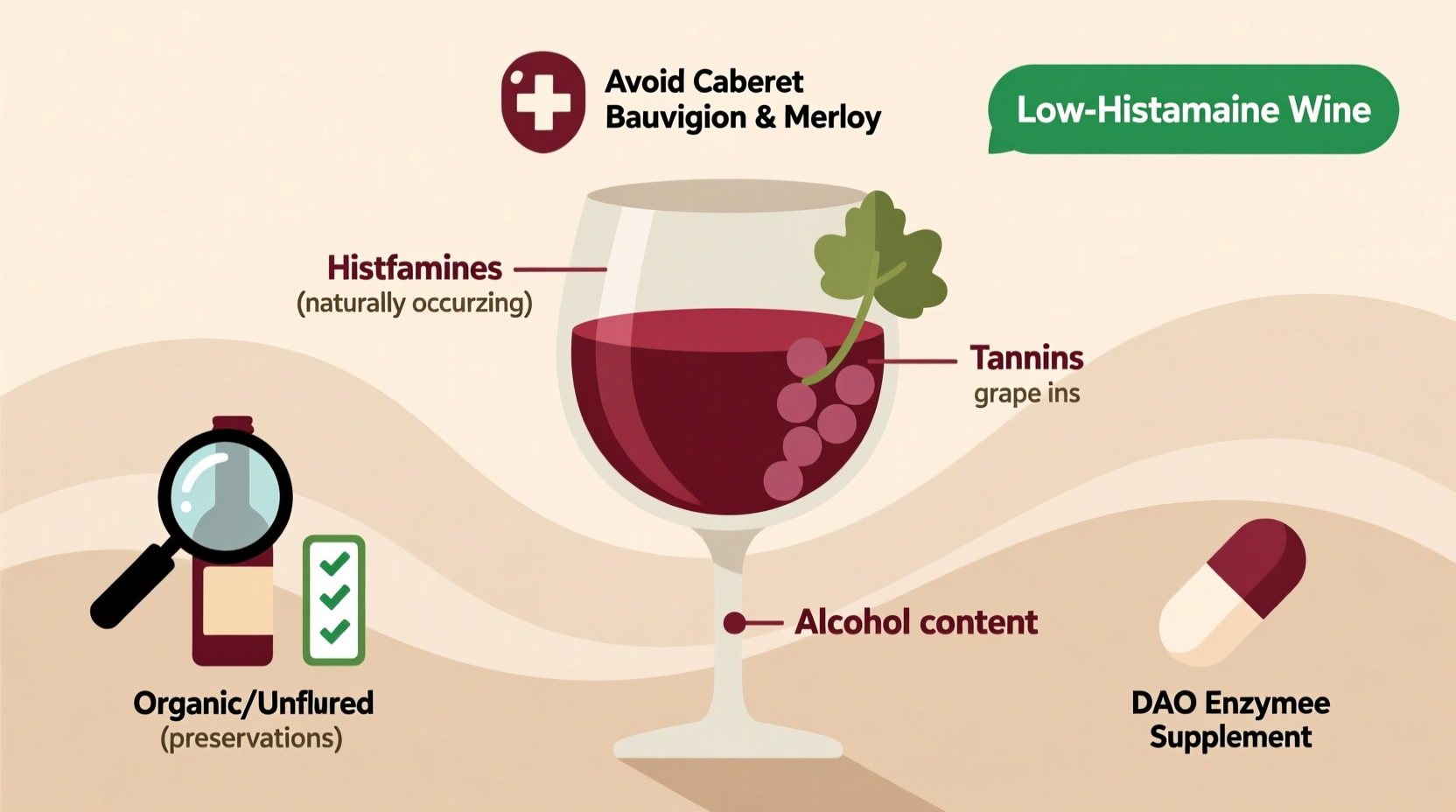
Sulfites (naturally occurring sulfur compounds like SO₂) are added to most wines as preservatives. Yet less than 1% of the general population has a true sulfite allergy—and those individuals typically experience asthma-like symptoms or anaphylaxis, not isolated headaches. The U.S. FDA requires sulfite labeling only because of this rare but serious risk—not because they cause widespread headaches.
What *does* consistently correlate with rapid-onset wine headaches? Histamine—the same compound released during allergic reactions. Red wines contain up to 100x more histamine than white wines (2–18 mg/L vs. 0.1–1.5 mg/L), due to prolonged skin contact during fermentation and malolactic conversion. When histamine enters the bloodstream, it dilates blood vessels and stimulates pain receptors in the meninges—triggering migraine-like head pain in sensitive individuals. But histamine itself isn’t the full story: it’s your body’s ability to break it down that determines whether you feel fine—or floored.
Enter diamine oxidase (DAO), the primary enzyme responsible for metabolizing ingested histamine in the gut. DAO activity varies widely across individuals due to genetics, gut health, medications (e.g., NSAIDs, antihistamines, certain antidepressants), and conditions like leaky gut or small intestinal bacterial overgrowth (SIBO). Low DAO means histamine accumulates, crossing into systemic circulation and provoking inflammation, vasodilation, and neurologic symptoms—including headaches that begin 15–90 minutes after drinking.
Tip: If your wine headache hits within an hour—and worsens with aged cheeses, fermented foods, or cured meats—you’re likely experiencing histamine intolerance, not alcohol sensitivity.Other Key Contributors You Can’t Overlook
While histamine is the leading suspect, three other mechanisms frequently co-occur or amplify its effects:
- Tannins: Found abundantly in red wines (especially Cabernet Sauvignon, Nebbiolo, and Syrah), tannins bind salivary proteins and may stimulate serotonin release—a known migraine trigger in susceptible people. They also slow gastric emptying, prolonging histamine exposure in the gut.
- Alcohol metabolism: About 30–40% of East Asians carry the ALDH2*2 gene variant, which impairs acetaldehyde breakdown. This toxic byproduct accumulates, causing facial flushing, tachycardia, and severe headaches—even after small amounts of wine. Though less common in other populations, partial ALDH2 deficiency exists across ethnicities and can compound histamine effects.
- Quercetin and biogenic amines: A flavonoid abundant in red wine skins, quercetin inhibits DAO activity—effectively reducing your capacity to clear histamine just when you need it most. Meanwhile, wines with extended maceration or spontaneous fermentation may contain elevated levels of tyramine and putrescine, which further challenge histamine regulation.
“Histamine-related wine reactions are rarely about the wine alone—they’re about the intersection of wine chemistry, gut integrity, enzyme genetics, and concurrent dietary exposures.” — Dr. Sarah Kucera, Functional Gastroenterologist and author of Histamine Reset
Low-Histamine Wine Selection: What to Choose (and Avoid)
Not all wines are created equal—and “low-histamine” isn’t just marketing jargon. It reflects measurable differences in production methods, grape varieties, and aging practices. Below is a practical comparison to guide informed choices.
| Wine Type | Histamine Range (mg/L) | Why It’s Lower/Higher | Best Choices |
|---|---|---|---|
| Young, unoaked white wines | 0.1–0.7 | No skin contact; no malolactic fermentation; minimal aging | Pinot Grigio (Italian), Albariño, Vermentino, dry Riesling (German Kabinett) |
| Sparkling wines (traditional method) | 0.3–1.2 | Secondary fermentation in bottle limits bacterial histamine production; disgorgement removes lees before histamine spikes | Brut Nature Champagne, Cava (Reserva), Franciacorta |
| Rosé (direct press) | 0.5–2.5 | Minimal skin contact (2–24 hrs); usually no MLF | Provence rosé, Spanish rosado (Garnacha-based), dry Pinot Noir rosé |
| Light reds (cold soak, short maceration) | 1.5–5.0 | Limited skin contact reduces histamine extraction; no oak aging avoids microbial proliferation | Beaujolais Nouveau (Gamay), Valpolicella Classico, young Loire Cabernet Franc |
| Aged reds & orange wines | 5–18+ | Extended skin contact + MLF + barrel aging = ideal conditions for histamine-producing bacteria | Avoid if sensitive: Barolo, Amarone, Rioja Gran Reserva, natural orange wines |
Crucially, organic and biodynamic wines are *not* automatically low-histamine. In fact, some natural winemakers avoid sulfur entirely—which can increase bacterial growth and histamine formation post-fermentation. Always prioritize production method over certification label.
Your 5-Step Low-Histamine Wine Protocol
This isn’t about elimination—it’s about strategic reintegration. Follow this evidence-informed sequence to identify tolerance thresholds and rebuild resilience.
- Reset phase (7–14 days): Eliminate all high-histamine foods—fermented dairy, aged cheese, cured meats, tomatoes, spinach, vinegar, and alcohol. Support DAO with daily supplementation (2–3 mg DAO enzyme taken 15 minutes before meals) and gut-healing nutrients (zinc carnosine, L-glutamine).
- Reintroduce whites first: Start with 2 oz of chilled, unoaked Pinot Grigio or Albariño on an empty stomach. Wait 90 minutes. Note any symptoms—headache, flushing, nasal pressure, or brain fog. If none occur, repeat every other day for three doses.
- Test rosé next: After tolerating whites, try a direct-press Provence rosé using the same protocol. Rosés introduce mild tannins and slightly higher histamine—helping gauge threshold shifts.
- Add digestive support: With each wine serving, take DAO enzyme *and* a probiotic strain proven to degrade histamine (e.g., Lactobacillus plantarum 299v or Bifidobacterium infantis). Avoid histamine-producing strains like L. casei and L. bulgaricus.
- Track and refine: Maintain a symptom journal noting wine type, vintage, producer, time of day, food consumed, and menstrual cycle phase (estrogen modulates DAO activity). Most people identify a reliable “safe dose” within 4–6 weeks.
Real-World Example: How Maya Reclaimed Her Evening Glass
Maya, 42, a graphic designer and lifelong wine lover, began experiencing debilitating headaches 30 minutes after her usual evening glass of Pinot Noir. She’d tried sulfite-free wines, hydration, and caffeine—nothing helped. Blood testing revealed low serum DAO activity (1.8 U/mL; optimal >3.5 U/mL) and elevated IgA antibodies to Candida albicans, indicating gut dysbiosis. Her functional medicine practitioner guided her through the 5-step protocol above. Within 10 days, she tolerated sparkling wine without symptoms. By week 5, she was enjoying chilled Gamay from Beaujolais—paired with a DAO supplement and a side of steamed zucchini (a DAO-supportive food rich in vitamin B6). Today, Maya drinks 3–4 times weekly and no longer dreads her ritual. “It wasn’t about giving up wine,” she says. “It was about learning how my body actually works—and working *with* it, not against it.”
FAQ: Your Top Questions Answered
Does “sulfite-free” wine prevent headaches?
No—and it may increase risk. Wines labeled “no added sulfites” still contain naturally occurring sulfites (5–50 mg/L). More critically, without sufficient SO₂, bacterial spoilage increases, raising histamine and biogenic amine levels. True sulfite allergies are exceedingly rare; histamine remains the dominant trigger.
Can I take an antihistamine before drinking wine?
Not recommended. First-generation antihistamines (e.g., Benadryl) cross the blood-brain barrier and cause sedation, impairing judgment and worsening dehydration. Second-generation options (e.g., loratadine) don’t block histamine receptors in the gut where dietary histamine is absorbed—and they don’t enhance DAO activity. DAO enzyme supplementation is safer and more physiologically targeted.
Are there wines completely free of histamine?
No. All fermented foods contain some histamine—it’s a natural metabolic byproduct. However, young, minimally processed whites and sparklings consistently test lowest. Focus on *low-histamine patterns*, not mythical “zero-histamine” products.
Conclusion: Wine Should Enrich—Not Exhaust—Your Life
Headaches after wine aren’t a personal failing or an inevitable cost of enjoyment. They’re a signal—an intelligent, biologically grounded message from your gut, enzymes, and nervous system. Dismissing them as “just wine” or resigning yourself to abstinence ignores the powerful tools now available: targeted enzyme support, precise wine selection, gut-directed nutrition, and personalized pacing. You don’t need to choose between health and pleasure. You can have both—when you understand the science behind your symptoms and act with intention. Start with one change this week: swap your usual red for a chilled, unoaked white. Track how you feel. Then build from there. Your next glass doesn’t have to come with a price tag. It can be calm, clear, and deeply satisfying—exactly as wine was meant to be.
💬 Have you discovered a low-histamine wine that works for you? Share your experience—and your go-to bottle—in the comments. Your insight could help someone else finally enjoy wine without consequence.