Serums are often marketed as the holy grail of skincare—concentrated, fast-absorbing, and packed with active ingredients designed to transform your complexion. But what happens when instead of glowing skin, you're met with unexpected breakouts, redness, or clogged pores shortly after introducing a new serum? You’re not alone. Many people experience adverse reactions after incorporating a new product into their routine, especially if it contains certain problematic ingredients. Understanding why this occurs—and knowing which components to scrutinize—can save your skin from unnecessary flare-ups and help you make smarter choices.
The Science Behind Post-Serum Breakouts
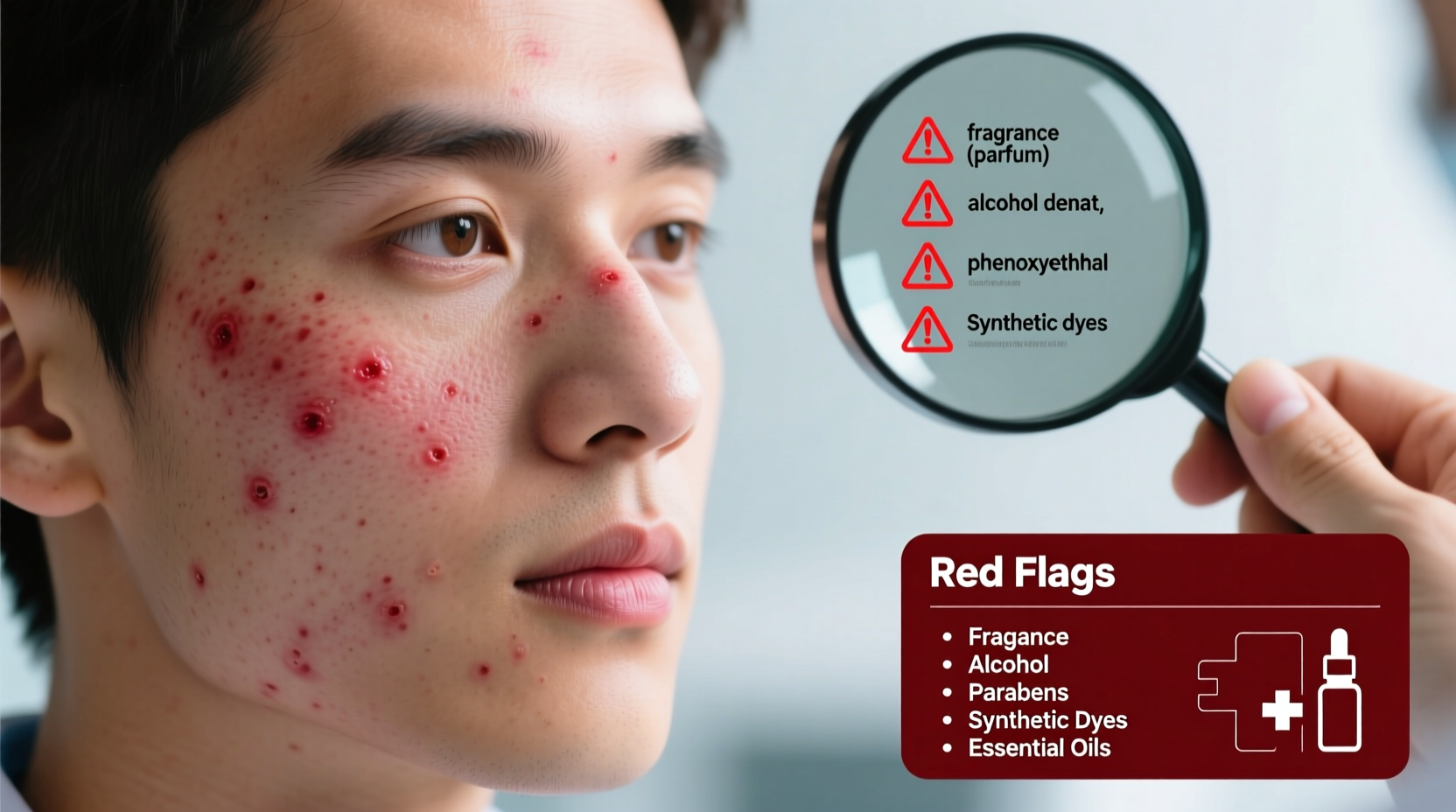
When a breakout appears shortly after starting a new serum, it’s easy to assume the product is “purging” your skin—meaning it’s accelerating the surfacing of existing clogs. While purging can happen with ingredients like retinoids or exfoliating acids, true purging typically lasts no longer than 4–6 weeks and only affects areas where you usually get blemishes. Persistent or worsening breakouts beyond that window suggest irritation, allergic reaction, or comedogenic ingredients.
Your skin barrier plays a crucial role in how it responds to new products. A compromised barrier—due to over-exfoliation, environmental stressors, or harsh cleansers—becomes more permeable, allowing irritants to penetrate deeper and trigger inflammation. When a serum contains occlusive or pore-clogging ingredients, even oily or acne-prone skin may react negatively, regardless of the product’s “non-comedogenic” label.
“Not all breakouts are purging. If the lesions are inflamed, widespread, or appear in new areas, it's likely an adverse reaction—not detoxification.” — Dr. Lena Torres, Board-Certified Dermatologist
Common Ingredient Red Flags in Serums
While many serums boast powerful actives like vitamin C, niacinamide, or hyaluronic acid, they also contain supporting ingredients that can sabotage results. Below are common culprits linked to post-application breakouts:
- Comedogenic Oils: Ingredients like coconut oil, cocoa butter, and wheat germ oil have high comedogenic ratings (4–5 on a scale of 0–5) and can block pores, especially in acne-prone individuals.
- Silicones: Dimethicone, cyclomethicone, and phenyl trimethicone create a smooth finish but can trap sweat, bacteria, and sebum beneath the skin’s surface, leading to congestion.
- Fragrance (Natural or Synthetic): Even essential oils like lavender or citrus can cause sensitization and inflammation, disrupting the skin barrier and promoting breakouts.
- Alcohol Denat. (Denatured Alcohol): Found in some lightweight serums for quick absorption, it strips natural lipids and increases trans-epidermal water loss, making skin more vulnerable to irritation.
- Emulsifiers & Thickeners: Cetearyl alcohol, PEG compounds, and carbomers may seem inert but can cause micro-irritation in sensitive individuals, especially when combined with other actives.
How to Identify Problematic Formulas: A Step-by-Step Guide
Reading labels isn’t just about spotting buzzwords—it’s about decoding what’s really in the bottle. Follow this process to evaluate whether a serum might trigger breakouts:
- Check the First Five Ingredients: These make up the bulk of the formula. If heavy oils, silicones, or alcohols appear early, the product may be too rich or irritating for your skin type.
- Scan for Comedogenic Ratings: Use databases like CosDNA or Incidecoder to look up individual ingredients and their pore-clogging potential.
- Look for Hidden Fragrances: Terms like “parfum,” “aroma,” or plant extracts (e.g., citrus peel oil) often indicate fragrance—even in “natural” brands.
- Avoid Confusing Marketing Claims: “Oil-free” doesn’t mean non-comedogenic. Some synthetic esters mimic oil behavior and still clog pores.
- Assess Synergistic Irritation: Combining a serum with retinol and one containing witch hazel or alcohol can lead to over-drying and reactive acne.
Real Example: The Vitamin C Serum That Caused Cystic Acne
Sophia, a 28-year-old with combination skin, started using a popular brightening serum boasting 20% L-ascorbic acid. Within a week, she developed painful cysts along her jawline—unusual for her normally clear lower face. After eliminating other variables in her routine, she analyzed the ingredient list and discovered ethylhexyl palmitate (a known comedogenic emollient) and fragrance near the top. Despite the potent active, these supporting ingredients were likely responsible for the congestion. Switching to a minimalist vitamin C formula without esters or scent resolved her breakouts within three weeks.
Do’s and Don’ts When Choosing a Serum
| Do’s | Don’ts |
|---|---|
| Choose water-based or gel formulas if you have oily or acne-prone skin. | Don’t assume “natural” means safe—many plant extracts are highly irritating. |
| Opt for serums with minimal ingredient lists (under 15 components). | Don’t layer multiple active serums without spacing them out. |
| Use products labeled “non-comedogenic” and verified by dermatologists. | Don’t introduce more than one new product at a time. |
| Store serums properly to prevent ingredient degradation (cool, dark place). | Don’t leave serums open or exposed to air—oxidation alters efficacy and safety. |
Building a Safer Skincare Routine: A Checklist
To minimize the risk of breakouts when trying a new serum, follow this actionable checklist:
- ✅ Perform a patch test for 3–5 nights on a small area (jawline or behind ear)
- ✅ Introduce only one new product at a time, spaced 7–10 days apart
- ✅ Review the full ingredient list using reliable tools like CosDNA or Paula’s Choice
- ✅ Avoid combining strong actives (e.g., retinol + AHAs) until your skin adjusts
- ✅ Monitor changes in texture, hydration, and clarity—not just breakouts
- ✅ Discontinue use immediately if stinging, redness, or widespread bumps occur
- ✅ Keep a simple skincare journal noting products, application times, and reactions
When Is It Purging vs. Reacting?
Distinguishing between purging and irritation is critical. Here’s how to tell the difference:
- Purging: Occurs only in acne-prone zones (chin, forehead), consists mainly of blackheads and small whiteheads, starts within 1–2 weeks, and resolves within 4–6 weeks.
- Irritation/Reaction: Appears in new areas (cheeks, jawline), includes red papules, pustules, or cysts, persists beyond 6 weeks, and may worsen over time.
Purging is caused by ingredients that increase cell turnover—such as retinoids, glycolic acid, salicylic acid, or benzoyl peroxide. If your serum contains none of these but still causes breakouts, the issue lies elsewhere—likely in formulation rather than function.
“Purging is temporary and localized. True reactions require immediate discontinuation.” — Dr. Arjun Mehta, Clinical Dermatology Researcher
Frequently Asked Questions
Can a hydrating serum cause breakouts?
Yes. Even hydrating serums can cause breakouts if they contain occlusive ingredients like shea butter, lanolin, or heavy silicones. Look for lightweight humectants such as glycerin, sodium hyaluronate, or betaine instead.
Is fragrance really that bad in facial serums?
For many people, yes. Fragrance—whether synthetic or derived from essential oils—is one of the most common causes of contact dermatitis and sensitization. Over time, repeated exposure can weaken the skin barrier and increase reactivity to other products.
How long should I wait before adding another serum if the first one broke me out?
Allow your skin to return to baseline—typically 2–4 weeks—before introducing anything new. Use only gentle cleansers, a bland moisturizer, and sunscreen during this recovery phase.
Final Thoughts: Skincare Is Personal, Not One-Size-Fits-All
No two skin types respond identically to the same formula. What works wonders for one person might trigger a cascade of breakouts in another. The key is vigilance: reading labels, understanding ingredient behavior, and listening closely to your skin’s feedback. Just because a serum is trending online or endorsed by influencers doesn’t mean it’s suitable for your unique biology.
Instead of chasing the latest miracle product, focus on simplicity, compatibility, and consistency. Choose serums with transparent formulations, avoid known irritants, and introduce them slowly. Your skin will thank you with fewer flare-ups, improved resilience, and a healthier appearance over time.
💬 Have a serum horror story or success tip? Share your experience in the comments—your insight could help someone else avoid a breakout nightmare.