Waking up disoriented after a glass of red wine—heart racing, mind replaying surreal, unsettling scenes—is more common than most people admit. It’s not just “bad dreams.” It’s a physiological response, often misattributed to sulfites or “cheap wine,” while the real culprits operate deeper in biochemistry and individual physiology. This isn’t about moralizing alcohol consumption. It’s about understanding why certain wines disrupt sleep architecture, trigger vivid or disturbing dreams, and sometimes leave you feeling chemically unmoored by dawn. The answers lie at the intersection of fermentation chemistry, liver metabolism, neuropharmacology, and personal biology—not in a single villain ingredient.
The Sleep-Wine Paradox: Why Alcohol Disrupts REM (and Why That Matters)
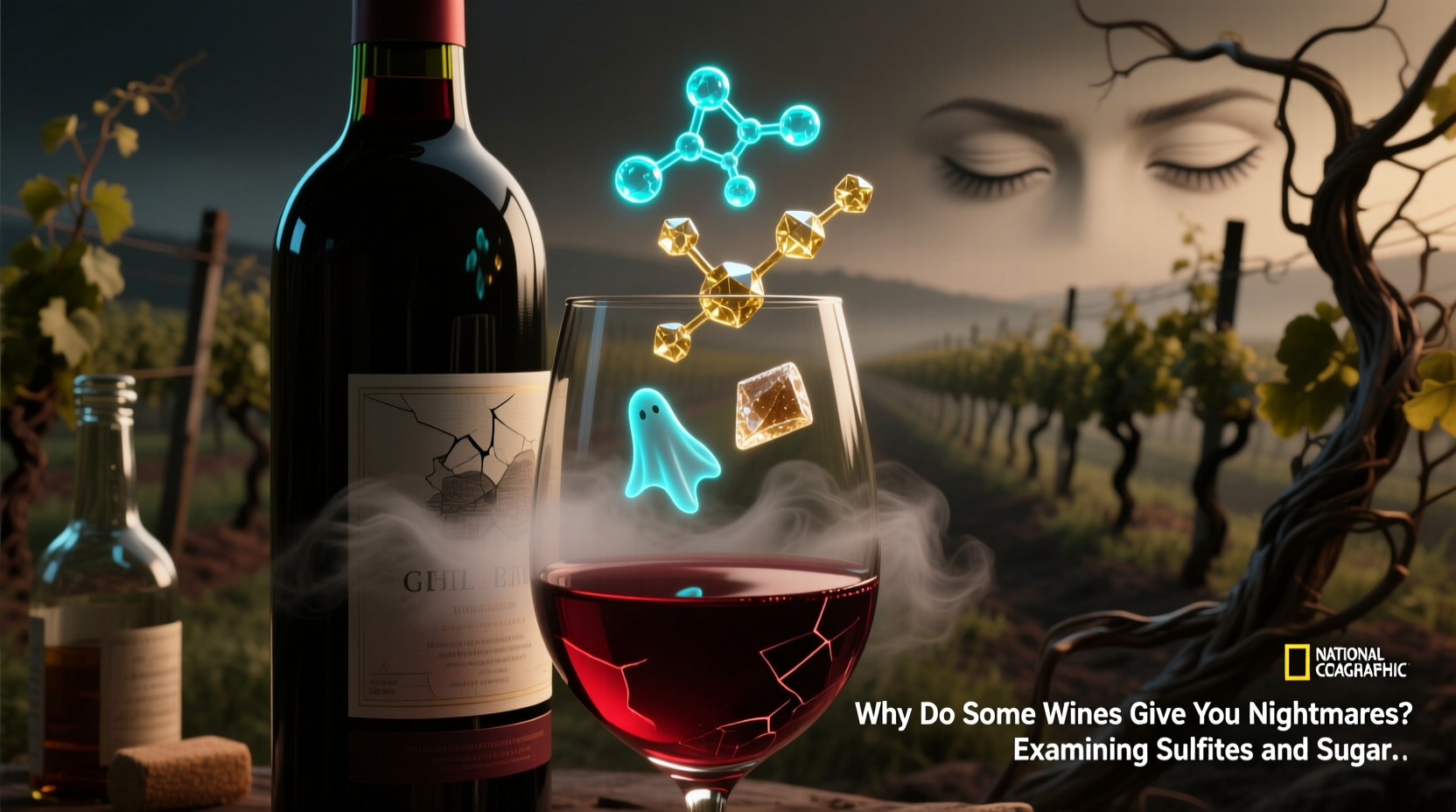
Alcohol is a central nervous system depressant that initially induces drowsiness—but it profoundly fragments sleep architecture. Within 90 minutes of ingestion, blood alcohol concentration peaks, suppressing slow-wave (deep) sleep early in the night while delaying and diminishing rapid eye movement (REM) sleep—the stage where most emotionally charged, narrative-rich dreaming occurs. As blood alcohol drops in the second half of the night, the brain rebounds with REM rebound: intensified, prolonged, and unusually vivid REM periods. This rebound effect explains why many people report intense, bizarre, or anxiety-laden dreams between 3 a.m. and 6 a.m.—precisely when REM pressure surges and sleep is most fragile.
But not all wines produce this effect equally. A dry Provençal rosé may leave you sleeping soundly; a late-harvest Zinfandel might deliver three hours of cinematic dread. The difference isn’t just alcohol content—it’s the metabolic load imposed by co-factors in the wine: residual sugar, biogenic amines (especially histamine), congeners, and yes—sulfites, though their role is widely misunderstood.
Sulfites: The Scapegoat No One Asked For
Sulfur dioxide (SO₂) is added to wine as an antimicrobial and antioxidant preservative. It occurs naturally during fermentation in small amounts (5–10 ppm), but most wines contain 20–200 ppm total SO₂—well below the 350 ppm U.S. legal limit for table wines. Despite widespread belief, sulfite sensitivity rarely manifests as nightmares. True sulfite reactions are respiratory: wheezing, chest tightness, or asthma exacerbation in sensitive individuals—primarily those with preexisting asthma (affecting ~5–10% of asthmatics). Neurological symptoms like headaches or vivid dreams are not part of the clinical sulfite reaction profile.
What confuses the issue is timing: sulfites are often highest in inexpensive, mass-produced wines—and those same wines tend to be higher in residual sugar and lower in polyphenol complexity, increasing the likelihood of disrupted sleep. Correlation is mistaken for causation.
“Sulfites get blamed for everything from hangovers to nightmares—but decades of double-blind studies show no link between typical wine-level sulfites and neurological symptoms in non-asthmatic individuals.” — Dr. Elena Ruiz, Clinical Toxicologist & Wine Science Fellow, UC Davis Department of Viticulture and Enology
Residual Sugar: The Hidden Sleep Saboteur
Residual sugar (RS) is the natural grape sugar remaining after fermentation stops. While dry wines contain ≤4 g/L RS, off-dry Rieslings hover around 10–30 g/L, and dessert wines exceed 100 g/L. Sugar itself doesn’t cause nightmares—but its metabolic consequences do.
When consumed with alcohol, sugar spikes insulin, driving blood glucose down rapidly 2–4 hours later—often coinciding with the REM rebound window. Hypoglycemia triggers cortisol and adrenaline release: stress hormones that increase heart rate, awaken the sympathetic nervous system, and intensify dream recall and emotional valence. Combine that with alcohol-induced GABA suppression and glutamate rebound, and you’ve created the perfect biochemical storm for anxious, hyper-realistic dreams.
Moreover, high-sugar wines often come from warmer climates or overripe grapes, which also means higher alcohol (more REM disruption) and elevated histamine levels—another layer of complexity.
Tip: Check the technical sheet—not the label—for residual sugar. “Dry” on a bottle doesn’t guarantee low RS; many New World Chardonnays labeled “dry” contain 6–8 g/L, enough to impact sensitive metabolisms.It’s Not Just Sugar or Sulfites—The Triad of Trouble
Nightmare-prone wines usually share three interlocking traits:
- Elevated histamine: Produced by lactic acid bacteria during malolactic fermentation, especially in reds aged in oak or fermented with native yeasts. Histamine crosses the blood-brain barrier, stimulating H1 receptors linked to wakefulness, anxiety, and autonomic arousal.
- High congener load: Congeners are byproducts of fermentation (methanol, acetone, tannins, fusel oils). Darker, fuller-bodied reds (e.g., Shiraz, Petite Sirah) contain 2–4× more congeners than white wines. Fusel oils impair mitochondrial function in neurons, disrupting sleep homeostasis.
- Low melatonin precursors: Unlike tart cherries or walnuts, most wines lack melatonin or its precursor tryptophan. But crucially, some reds—especially organic or low-intervention bottlings—retain trace amounts of serotonin and melatonin from grape skins. Paradoxically, these may support better sleep *if* alcohol and sugar loads are low. When they’re not, the effect vanishes.
This triad explains why two wines with identical ABV and RS can produce wildly different outcomes: one may be low-histamine, low-congener, and fermented cool—preserving delicate aromas and gentle neurochemistry. The other may be aggressively extracted, barrel-fermented, and bottled without filtration—maximizing compounds that challenge your nervous system.
Real-World Example: Sarah’s Pinot Noir Pattern
Sarah, 38, a project manager in Portland, noticed consistent nightmares after drinking Pinot Noir—but only certain bottles. Her pattern held across six months: Domaine Drouhin Oregon? Restful sleep. A $14 supermarket Pinot from California? Woke at 4:17 a.m. sweating, heart pounding, replaying a dream about losing her passport in a collapsing airport.
She tracked ingredients using wine tech sheets and lab reports. The disruptive bottle contained 12.8 g/L residual sugar (vs. Drouhin’s 1.2 g/L), 4.2 mg/L histamine (vs. 0.8 mg/L), and was fined with bentonite but not filtered—leaving higher yeast-derived biogenic amines. It was also fermented at 32°C (90°F), accelerating fusel oil formation. Her body wasn’t reacting to “wine”—it was reacting to a specific biochemical signature.
Actionable Wine Selection Checklist
Use this checklist before purchasing or pouring—especially if you’re prone to sleep disruption:
- ✅ Check ABV: Prioritize wines ≤13.5%—lower alcohol = less REM suppression and milder rebound.
- ✅ Verify residual sugar: Look for ≤3 g/L for true dryness. Avoid “off-dry” or “fruit-forward” descriptors if sensitive.
- ✅ Seek low-histamine indicators: “Unfiltered” and “native fermentation” often mean higher histamine. Prefer “cold-stabilized” or “protein-stabilized” labels (indicates histamine-reducing processing).
- ✅ Avoid high-congener reds late in the day: Skip Syrah, Zinfandel, and Amarone after 6 p.m. Opt for lighter reds (Gamay, Frappato) or skin-contact whites instead.
- ✅ Pair strategically: Never drink wine on an empty stomach. Consume with protein and healthy fat (e.g., cheese, nuts, olive oil) to blunt glucose swings and slow alcohol absorption.
Comparative Analysis: Nighttime Wine Risk Profile
| Wine Style | Typical ABV | Residual Sugar (g/L) | Histamine Level | Congener Load | Risk for Disrupted Sleep |
|---|---|---|---|---|---|
| Dry Albariño (Rías Baixas) | 12.0–12.5% | 1.5–2.5 | Low | Low | 🟢 Low |
| Organic Gamay (Beaujolais) | 12.5–13.0% | 2.0–4.0 | Moderate | Moderate | 🟡 Medium |
| Off-Dry German Riesling (Kabinett) | 10.5–11.5% | 25–45 | Low-Moderate | Low | 🟡 Medium (due to sugar rebound) |
| California Zinfandel | 14.5–16.0% | 3–8 | High | High | 🔴 High |
| Tawny Port | 19–20% | 80–120 | Moderate | Very High | 🔴 Very High |
Step-by-Step: How to Reset Your Wine-Sleep Relationship
If nightmares persist despite careful selection, follow this 10-day reset protocol to identify thresholds and recalibrate tolerance:
- Days 1–3: Abstain completely. Let liver enzymes (especially ADH and ALDH) normalize and histamine clearance pathways recover.
- Day 4: Drink 100 mL of low-risk wine (e.g., dry Spanish Verdejo) with dinner—no sugar, no caffeine after noon.
- Day 5: Repeat, but add 15 g protein (e.g., grilled chicken breast) and 10 g monounsaturated fat (e.g., 1 tbsp olive oil).
- Day 6: Try same wine, same meal—but stop drinking by 8 p.m. Note sleep quality and dream intensity.
- Days 7–10: Introduce one variable at a time: first, a slightly higher-ABV wine (13.2%); then, a low-sugar red (Gamay); finally, a moderate-sugar white (dry Gewürztraminer, ~6 g/L). Journal objectively: time asleep, awakenings, dream recall, morning clarity.
This isolates variables—alcohol load, sugar timing, histamine exposure—so you build personalized data, not assumptions.
FAQ: Clearing Up Common Misconceptions
Do “sulfite-free” wines prevent nightmares?
No. All wines contain some sulfites—naturally occurring or added. “No added sulfites” wines (NAS) often have higher biogenic amines because microbial stability relies solely on acidity and low pH, increasing histamine risk. They also spoil faster, raising the chance of consuming oxidized or volatile compounds that further disrupt sleep.
Why do I get nightmares from red wine but not white—even when ABV and sugar match?
Reds contain significantly more histamine (from grape skins and fermentation bacteria) and congeners (from extended maceration and oak aging). White wines, especially stainless-steel fermented ones, minimize both. Tannins also modulate gut microbiota—some evidence suggests high-tannin reds reduce beneficial Lactobacillus strains involved in histamine breakdown.
Can magnesium or B6 supplements help?
Potentially—but not as a blanket fix. Magnesium glycinate (200 mg at bedtime) supports GABA function and may buffer alcohol-induced neuronal excitability. Vitamin B6 aids histamine metabolism via diamine oxidase (DAO) enzyme activity. However, supplements won’t override high-histamine/high-sugar wine intake. They’re supportive tools—not overrides.
Conclusion: Knowledge Is the Most Potent Antidote
Nightmares after wine aren’t a sign of weakness, poor willpower, or flawed genetics. They’re a precise, interpretable signal—your nervous system communicating that a particular wine’s biochemical signature exceeded your current metabolic capacity. Sulfites don’t cause them. Sugar alone doesn’t cause them. But the synergy of alcohol, residual sugar, histamine, and congeners absolutely can—especially when consumed late, on an empty stomach, or during periods of stress or hormonal fluctuation.
You don’t need to quit wine. You need clarity: reading technical sheets, recognizing high-risk profiles, and honoring your body’s real-time feedback. Start tonight—not with restriction, but with curiosity. Choose one bottle you suspect is problematic. Compare it side-by-side with a low-risk alternative. Track—not judge—what happens. That small act of attention transforms confusion into agency.
💬 Your experience matters. Have you traced nightmare patterns to specific regions, grapes, or winemaking styles? Share your observations in the comments—real data from real drinkers helps us all drink more wisely.