In recent years, travelers have noticed a sharp increase in car rental prices—sometimes double or triple what they paid just a few years ago. What was once an affordable way to get around during vacations or business trips has become a major budget line item. The reasons behind these soaring costs are complex, involving global supply chains, shifting consumer behavior, and industry-wide restructuring. Understanding the forces at play can help consumers make smarter decisions and possibly save money despite the current landscape.
The Perfect Storm: Supply Meets Demand
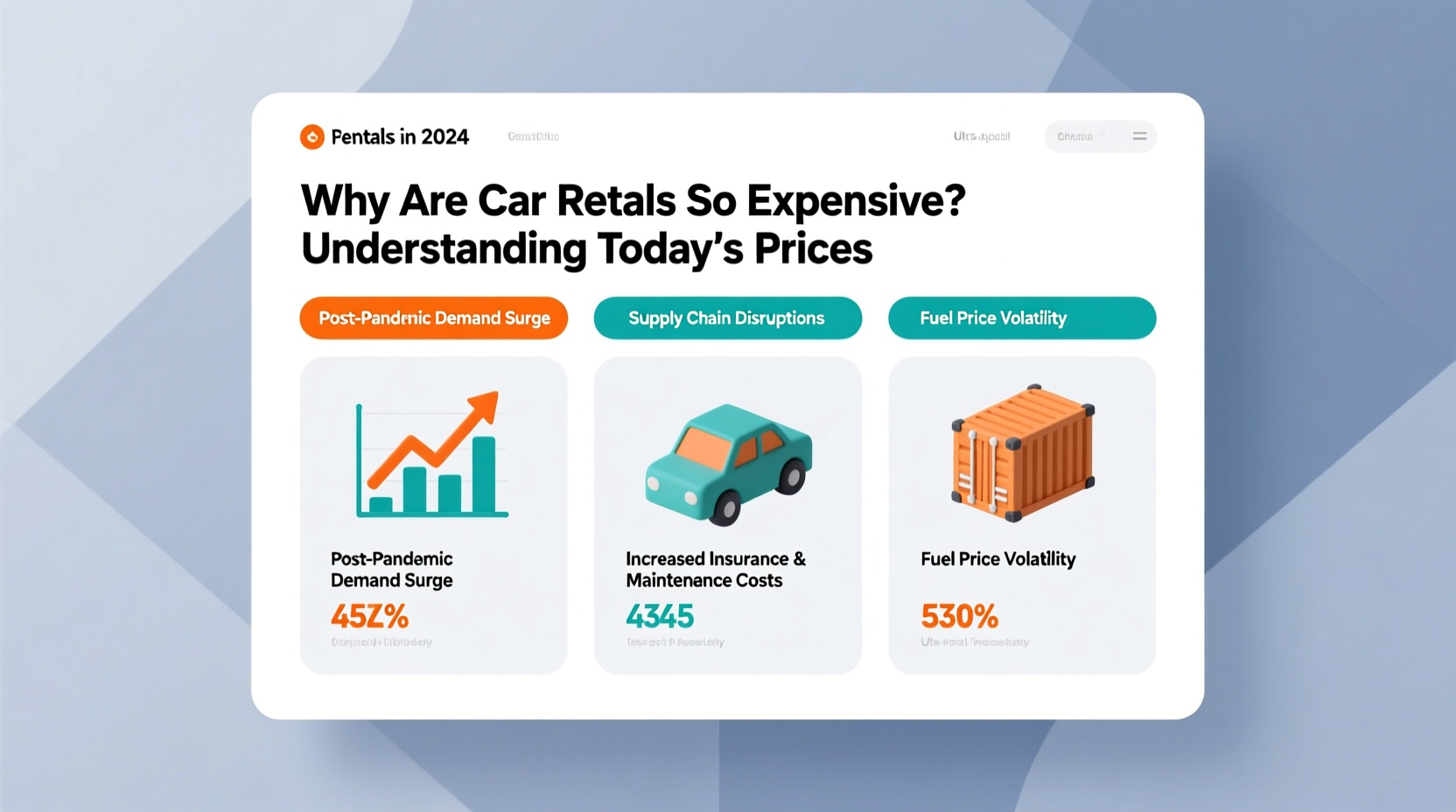
One of the most significant factors driving up rental car prices is the imbalance between supply and demand. During the height of the pandemic in 2020, rental car companies sold off large portions of their fleets due to plummeting travel demand. Hertz alone sold over 200,000 vehicles. When travel rebounded faster than expected in 2021 and 2022, these companies were left with too few cars to meet surging demand.
At the same time, semiconductor shortages disrupted new vehicle production, making it difficult for rental agencies to replenish their inventories. Automakers prioritized consumer vehicles over fleet sales, further limiting availability. This bottleneck meant fewer cars on rental lots, allowing companies to raise prices based on scarcity.
Tip: Book your rental as early as possible—even months in advance—to lock in lower rates before peak pricing takes effect.How Fleet Shortages Translate to Higher Prices
Rental car pricing operates on dynamic models similar to airline tickets. With limited inventory, companies use algorithms to maximize revenue. When demand exceeds supply, prices rise rapidly, especially in high-traffic destinations like airports or tourist hubs.
For example, in summer 2023, a compact rental in Miami that used to cost $40 per day surged to over $150—with taxes and fees pushing it closer to $200. Much of this markup isn’t pure profit; it reflects the high cost of acquiring replacement vehicles in a constrained market.
“Rental companies are still operating at about 70–75% of pre-pandemic fleet levels, but demand is at 95%. That gap is being filled with higher pricing.” — David Johnson, Transportation Analyst at Avion Research
Hidden Costs That Inflate Your Final Bill
The advertised price of a rental car is rarely the final amount you’ll pay. Additional fees can add 30–50% to the base rate. Common add-ons include:
- Concession recovery fees (airport surcharges)
- Fuel service charges (if not returned full)
- Young driver fees (for renters under 25)
- Insurance upgrades (often unnecessary if you have personal coverage)
- Prepaid fuel options (typically overpriced)
These fees are often buried in the fine print, leading to “bill shock” at checkout. Some rental locations, particularly at airports, charge significantly more due to concession agreements with local authorities.
| Fee Type | Average Cost (Daily) | Can It Be Avoided? |
|---|---|---|
| Concession Recovery Fee | $3–$10 | Sometimes—off-airport locations may waive it |
| Fuel Service Charge | $15–$25 (flat fee) | Yes—refill the tank yourself |
| Young Renter Surcharge | $20–$50 | No, unless renter is 25+ |
| LDW/CDW Insurance | $25–$40 | Often—check credit card or personal auto policy |
Strategies to Save on Car Rentals Today
While prices remain elevated, savvy travelers can still find value by adjusting when, where, and how they book. Here’s a checklist of proven tactics:
Checklist: How to Reduce Rental Car Costs- Compare prices across multiple platforms (Expedia, Kayak, AutoSlash)
- Choose off-airport rental locations to avoid concession fees
- Decline unnecessary insurance if covered by credit card or personal policy
- Use loyalty programs or membership discounts (AAA, Costco, AARP)
- Rent mid-size or economy cars—luxury and SUVs are in highest demand and priced accordingly
- Book with flexible cancellation in case prices drop later
- Return the car with a full tank to avoid inflated refueling charges
Real Example: Sarah’s Vegas Trip
Sarah planned a weekend trip to Las Vegas in June 2023. When she first checked rental prices, a standard sedan at McCarran Airport was quoted at $189 per day. Instead of booking immediately, she set a price alert on AutoSlash and waited. Two weeks later, she found the same car for $112 per day through a Costco partnership deal. By picking up the car from a nearby off-strip location, she saved an additional $18 in airport fees. Total savings: nearly $500 over four days.
Her strategy—using price tracking tools, leveraging membership discounts, and avoiding airport pickups—demonstrates how informed planning can offset even extreme market conditions.
What the Future Holds for Rental Pricing
Industry experts believe prices will gradually stabilize, but not return to pre-2020 levels anytime soon. As rental fleets rebuild and automakers recover from chip shortages, supply should improve by 2025. However, structural changes may keep prices elevated:
- Digital pricing models allow companies to adjust rates in real-time, maximizing profit during high-demand periods.
- Increased operational costs, including higher vehicle acquisition and maintenance expenses, are being passed to consumers.
- Shift toward premium vehicles: Many companies now stock more SUVs and luxury models, which command higher daily rates.
Additionally, some rental agencies are exploring subscription-based models or partnerships with ride-sharing platforms, which could reshape how consumers access vehicles in the long term.
Frequently Asked Questions
Why is renting a car at the airport so much more expensive?
Airport rental locations charge concession fees—payments made to the airport authority for the right to operate on-site. These fees can add $10–$20 per day and are often non-negotiable. Off-airport locations avoid these charges, making them a cheaper alternative, especially if you’re willing to take a short shuttle or rideshare.
Are rental car companies still recovering from the pandemic?
Yes. While most major companies have rebuilt parts of their fleets, they haven’t reached pre-pandemic inventory levels. Combined with ongoing supply chain delays and increased demand, this means tighter availability and higher prices, particularly during holidays and peak travel seasons.
Does my credit card cover rental car insurance?
Many premium credit cards offer primary or secondary rental car insurance when you decline the rental company’s collision damage waiver (CDW) and pay for the entire rental with the card. Check your card’s benefits guide—Visa Infinite, Mastercard World Elite, and Amex Platinum typically offer strong coverage. Always confirm terms before declining insurance at pickup.
Take Control of Your Travel Budget
Car rental prices today reflect a transformed industry shaped by crisis, recovery, and evolving consumer habits. While external factors like global supply issues are beyond your control, your choices in booking strategy, timing, and location can make a dramatic difference in what you pay.
By understanding the root causes of high prices and applying practical cost-saving techniques, you can regain control over your travel expenses. Monitor deals, leverage memberships, and always read the fine print. With a little effort, even in today’s expensive market, a smart rental decision is still within reach.
🚀 Ready to save on your next rental? Start by comparing prices with a tool like AutoSlash or checking your membership benefits—you might be surprised how much you can cut from your bill.