
Zuppa soup is not a single recipe but a category of Italian-inspired soups known for their hearty textures, rich broths, and layered flavors. The word “zuppa” simply means “soup” in Italian, yet outside Italy—particularly in North America—it has become associated with specific preparations like zuppa toscana and zuppa di pesce. These dishes reflect regional traditions while adapting to modern palates and kitchen practices. Understanding what defines zuppa as both a concept and a culinary form allows home cooks to explore its versatility, from rustic peasant origins to restaurant-style presentations.
The appeal of zuppa lies in its adaptability. Whether built on seafood, vegetables, legumes, or meat, these soups emphasize depth of flavor, textural contrast, and seasonal ingredients. They are often slow-simmered, layered with aromatics, and finished with fresh herbs or dairy for balance. This article explores the essence of zuppa, breaks down its most popular forms, explains how to prepare it authentically, and provides practical guidance for crafting your own versions at home.
Definition & Overview
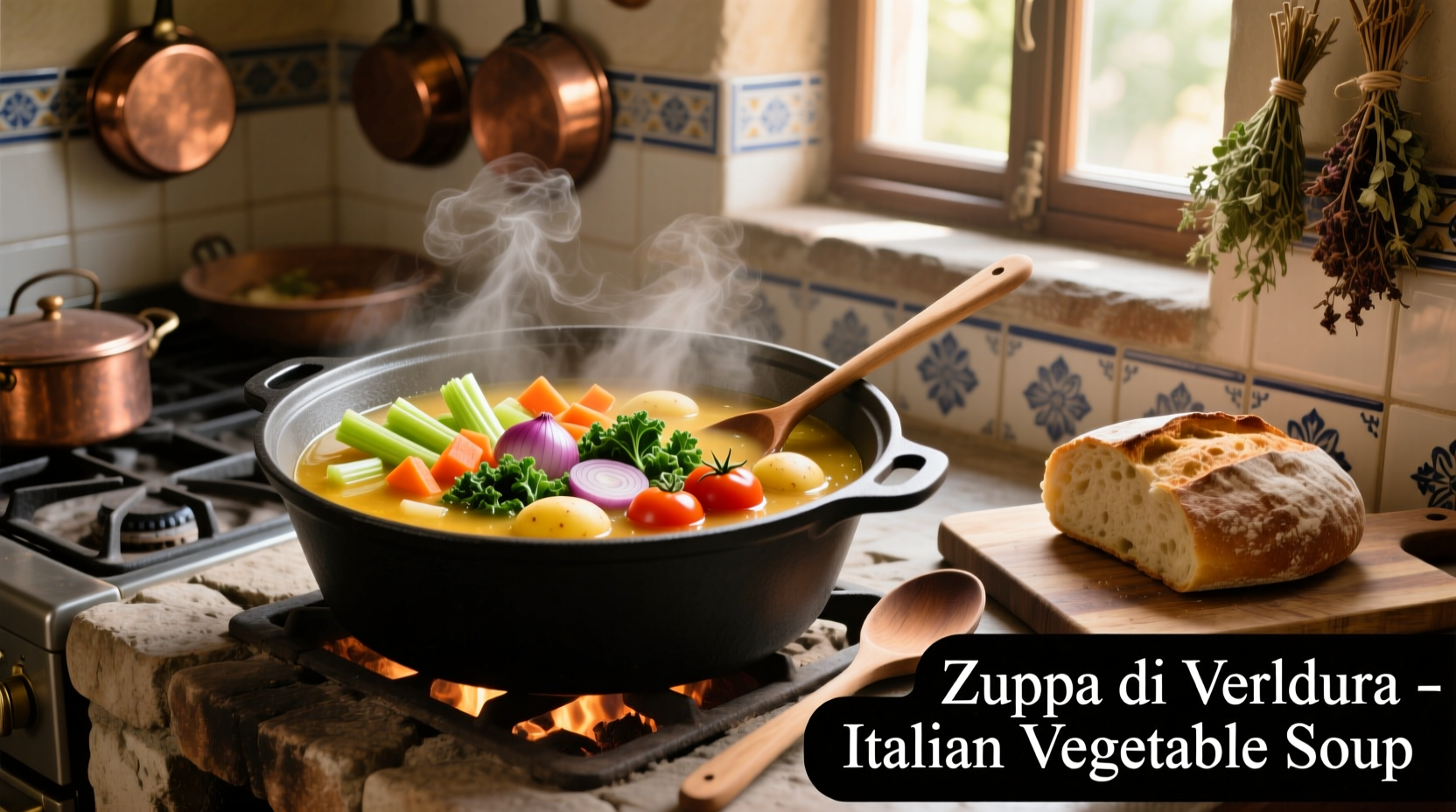
In Italy, “zuppa” refers broadly to any type of soup, typically served with bread either soaked into the broth or used as a side. Historically, zuppe were peasant dishes designed to stretch limited ingredients—day-old bread, garden vegetables, bones, and scraps—into nourishing meals. Over time, regional variations evolved based on local agriculture and coastal access.
Outside Italy, particularly in American cuisine, “zuppa” has taken on more specific meanings. Two of the most recognized types are:
- Zuppa Toscana: A creamy, robust soup originating from Tuscany (though popularized in modern form by chain restaurants), featuring sausage, potatoes, kale, and heavy cream.
- Zuppa di Pesce: A Mediterranean fisherman’s stew made with mixed seafood, tomatoes, white wine, garlic, and herbs—similar to French bouillabaisse but less formalized.
While both fall under the umbrella of zuppa, they differ significantly in ingredients, technique, and cultural context. What unites them is an emphasis on bold flavors, simplicity of preparation, and the use of high-quality base components such as homemade stock, fresh produce, and aromatic foundations.
Key Characteristics of Zuppa Soups
Despite their diversity, zuppa soups share several defining traits that distinguish them from other global soup traditions:
| Characteristic | Description |
|---|---|
| Flavor Profile | Savory, umami-rich, often enhanced with garlic, onions, tomatoes, herbs (rosemary, thyme, parsley), and sometimes wine or vinegar for acidity. |
| Aroma | Fragrant with sautéed aromatics; herbal notes prominent in seafood versions, smoky-spicy in sausage-based types. |
| Texture | Varies: chunky and substantial (Toscana), light but textured with seafood (di Pesce); some include bread for thickening. |
| Color | Deep red-orange when tomato-based; creamy white if enriched with dairy; golden-brown from seared meats or toasted bread. |
| Heat Level | Mild to moderate; occasionally includes red pepper flakes for subtle warmth, especially in southern Italian styles. |
| Culinary Function | Served as a starter or main course; traditionally paired with crusty bread for dipping or soaking. |
| Shelf Life | 3–4 days refrigerated; freezes well except for cream-based versions, which may separate upon reheating. |
Variants & Types
Zuppa encompasses numerous regional and thematic variations. Below are the most widely recognized forms found in homes and restaurants today:
Zuppa Toscana
Though inspired by Tuscan ingredients, this version was popularized by Olive Garden and similar chains. It features Italian sausage, russet potatoes, lacinato kale, onions, chicken broth, and heavy cream. The sausage is browned first to render fat, which builds flavor before adding vegetables. Simmered until tender, then enriched with cream, it delivers a luxurious mouthfeel balanced by earthy greens.
Zuppa di Pesce
A coastal specialty, especially in regions like Campania and Sicily. Combines firm white fish (such as monkfish or halibut), shellfish (mussels, clams, shrimp), tomatoes, fennel, garlic, white wine, and olive oil. Unlike bouillabaisse, there's no strict ingredient list—cooks use whatever is fresh and available. Saffron is optional, though common in more refined versions.
Zuppa Inglese
Not a savory soup at all—but a dessert! A misnomer for “English soup,” this is actually an Italian trifle made with sponge cake soaked in Alchermes liqueur, layered with custard, and sometimes chocolate. Despite sharing the name, it bears no relation to the savory zuppe discussed here.
Minestrone as Zuppa
Often classified separately, minestrone fits the traditional definition of zuppa: a vegetable-and-bean soup thickened with pasta or rice, frequently served with bread. Regional versions include pesto in Liguria, pumpkin in Lombardy, or chickpeas in Rome.
Zuppa di Farro
An ancient grain-based soup from Tuscany, combining farro (spelt), cannellini beans, carrots, celery, onion, tomatoes, and rosemary. Hearty and nutritious, it reflects the cucina povera (\"poor kitchen\") tradition of making satisfying meals from humble staples.
Tip: When preparing any zuppa, build layers of flavor gradually. Start with soffritto (onion, carrot, celery), bloom spices, deglaze with wine, then add liquid. This method ensures complexity without relying on artificial enhancers.
Comparison with Similar Ingredients/Dishes
Zuppa is often confused with other soup categories due to overlapping ingredients or naming conventions. Clarifying distinctions helps ensure proper technique and expectations.
| Dish | How It Differs from Zuppa |
|---|---|
| Chowder | American in origin, chowders are thickened with roux or potatoes and always contain dairy. Zuppa may be creamy but doesn’t require roux; many versions are dairy-free. |
| Bouillabaisse | French fish stew with strict regional rules, including specific fish varieties and serving rituals. Zuppa di pesce is more improvisational and accessible. |
| Stew (e.g., beef stew) | Stews have less liquid and are cooked longer to break down tough cuts. Zuppe maintain a soup-like consistency, even when hearty. |
| Brodo | Italian clear broth, often served with small pasta or rice. Brodo is lighter and simpler than zuppa, which emphasizes body and texture. |
| Gumbo | Louisiana Creole dish thickened with roux and file powder, spiced differently (cayenne, paprika). While gumbo shares heartiness, its flavor base and cultural roots are distinct. |
“Zuppa isn’t about perfection—it’s about abundance. You look in your fridge, see what’s usable, and turn it into something warm and shared.” — Massimo Bottura, Chef, Osteria Francescana
Practical Usage: How to Make Authentic Zuppa at Home
Creating a successful zuppa requires attention to timing, ingredient quality, and layering of flavors. Follow this general framework applicable to most savory zuppe:
- Prepare the Base (Soffritto): Finely chop onion, carrot, and celery in a 2:1:1 ratio. Sauté slowly in olive oil over medium-low heat until soft and fragrant (8–10 minutes). This forms the aromatic foundation.
- Add Protein (if using): Brown sausage, pancetta, or sear seafood separately to avoid overcrowding. Remove and set aside, leaving rendered fat in the pot to enhance flavor.
- Bloom Spices & Tomatoes: Add minced garlic, red pepper flakes, dried herbs. Stir briefly, then incorporate tomato paste or crushed tomatoes. Cook 2–3 minutes to deepen flavor.
- Deglaze: Pour in white or red wine (½ cup) to lift browned bits and add acidity. Reduce by half before adding broth.
- Add Liquids & Simmer: Use homemade chicken, fish, or vegetable stock. Bring to a gentle simmer, then return proteins to the pot. Add starchy elements (potatoes, farro, beans).
- Incorporate Greens or Seafood: Stir in kale, spinach, or delicate fish fillets during the last 5–10 minutes to prevent overcooking.
- Finish Thoughtfully: Off heat, stir in cream (for Toscana), lemon juice, extra virgin olive oil, or grated Parmesan. Adjust salt and pepper.
- Serve with Bread: Offer crusty country loaf, grissini, or toasted slices rubbed with garlic.
Example Recipe: Homemade Zuppa Toscana (Serves 6)
Ingredients:
- 1 lb (450g) Italian sausage (mild or spicy), casings removed
- 1 large yellow onion, diced
- 3 cloves garlic, minced
- 4 cups chicken broth
- 2 cups water
- 1 lb (450g) russet potatoes, peeled and sliced ¼-inch thick
- 1 bunch lacinato kale, stems removed, leaves chopped
- 1 cup heavy cream
- Salt and black pepper to taste
- Olive oil as needed
Instructions:
- In a large Dutch oven, brown sausage over medium heat. Break into crumbles. Remove with slotted spoon, leaving fat behind.
- Sauté onion in same pot until translucent (~5 minutes). Add garlic; cook 1 minute.
- Pour in broth and water. Add potatoes. Simmer 12–15 minutes until tender.
- Return sausage to pot. Stir in kale. Cook 5–7 minutes until wilted.
- Reduce heat to low. Stir in cream. Warm through—do not boil. Season with salt and pepper.
- Serve hot with crusty bread.
Pro Tip: For a lighter version, substitute half-and-half or whole milk for heavy cream. To make it gluten-free, ensure broth and sausage are certified GF. For vegetarian zuppa, omit meat and use mushrooms or lentils for umami depth.
Practical Tips & FAQs
Can I freeze zuppa soup?
Cream-based zuppe like Zuppa Toscana can separate when frozen and reheated. For best results, freeze before adding dairy, then stir in cream upon reheating. Seafood and vegetable-based zuppe freeze well for up to 3 months.
What kind of sausage should I use?
Choose high-quality Italian sausage—either sweet (fennel-forward) or hot (with red pepper flakes). Avoid pre-cooked or heavily processed varieties. Remove casings before browning for better texture integration.
Is zuppa always creamy?
No. Only certain modern adaptations (like American-style Zuppa Toscana) include cream. Traditional zuppe rely on starches like potatoes, farro, or bread to thicken the broth naturally.
How do I store leftover zuppa?
Cool within two hours and refrigerate in airtight containers. Consume within 3–4 days. Reheat gently over medium-low heat, stirring frequently to prevent scorching.
Can I make zuppa in a slow cooker or Instant Pot?
Yes. For slow cooker: brown ingredients first, then transfer to crock with liquids and simmer on low 6–8 hours. For Instant Pot: use Sauté function, then pressure cook 8–10 minutes with natural release. Add greens and dairy after cooking.
What bread pairs best with zuppa?
Crusty Italian or sourdough loaves work best. Toast slices and rub with raw garlic for authenticity. Alternatively, float a slice directly in the bowl to soak up broth.
Are there vegan zuppa options?
Absolutely. Use plant-based sausage, vegetable stock, coconut milk (in place of cream), and leafy greens. Add nutritional yeast for cheesy depth. Zuppa di farro or minestrone adapts easily to vegan diets.
Summary & Key Takeaways
Zuppa is more than a menu item—it’s a philosophy of resourcefulness, flavor-building, and communal eating rooted in Italian culinary tradition. While the term simply means “soup,” its real significance lies in the way it transforms simple ingredients into deeply satisfying dishes.
Key points to remember:
- Zuppa refers to a broad category of Italian soups, not one fixed recipe.
- Zuppa Toscana and Zuppa di Pesce are among the most popular international interpretations.
- Authentic preparation relies on building layers: soffritto, protein browning, deglazing, simmering, and finishing.
- Cream is not essential—many traditional versions achieve richness through starches and slow cooking.
- Pair zuppa with bread for authenticity and textural contrast.
- Freeze wisely: avoid freezing cream-heavy versions unless adjusted.
- Variations abound—from seafood to grain-based—and can be adapted for dietary needs.
Experiment with seasonal produce: asparagus and peas in spring, tomatoes and zucchini in summer, squash and kale in winter. Let your pantry guide your next pot of zuppa.