Paprika is one of the most visually striking and widely used spices in global cuisine, yet its flavor remains misunderstood by many home cooks. Often added for color rather than taste, paprika’s full potential lies beyond its vibrant red hue. The answer to “what does paprika taste like?” depends on its type—ranging from mildly sweet and earthy to deeply smoky or sharply pungent. Understanding its flavor spectrum allows cooks to harness its complexity in everything from Hungarian goulash to Spanish chorizo and American spice rubs. This guide explores paprika’s taste, varieties, applications, and best practices for using it with precision and confidence.
Definition & Overview
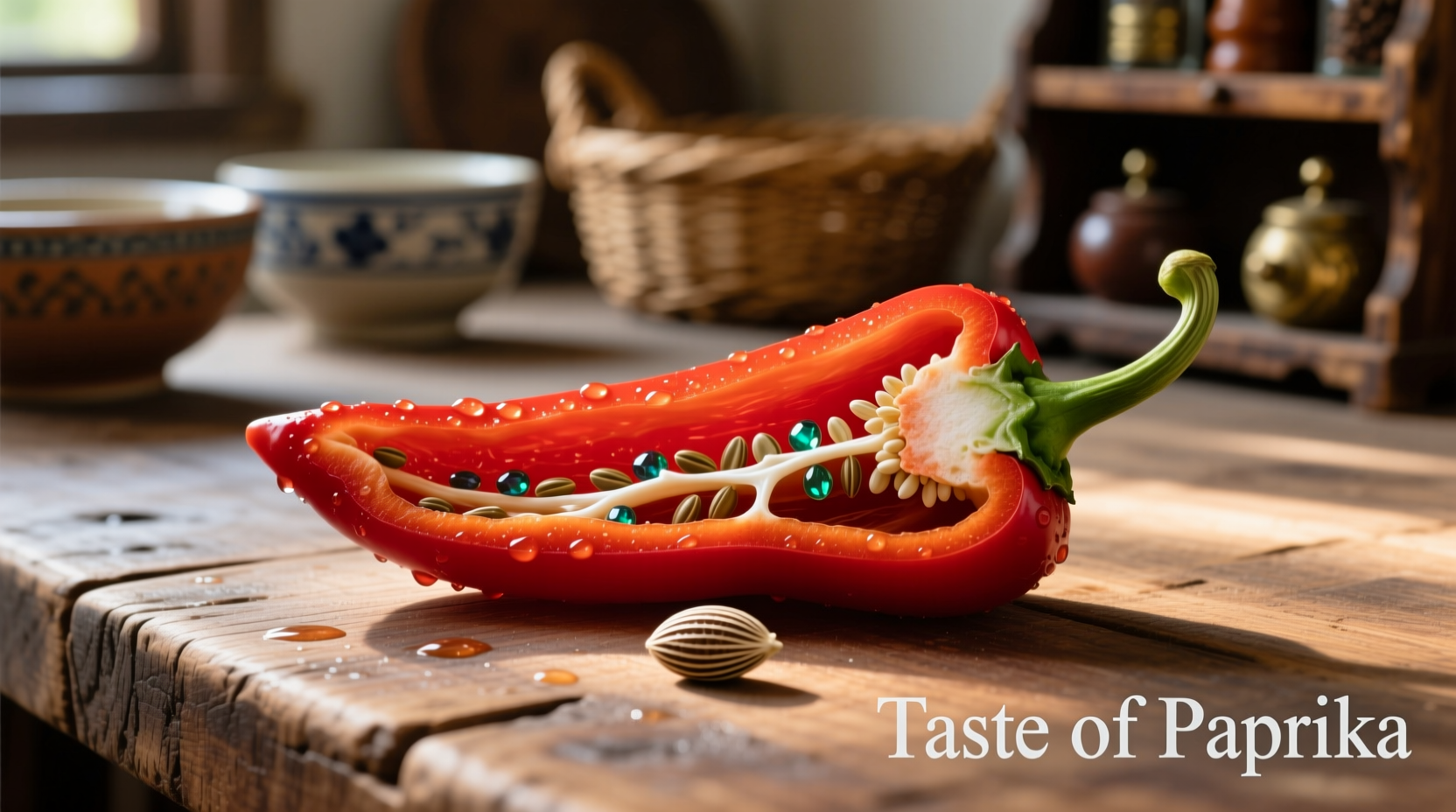
Paprika is a ground spice made from dried Capsicum annuum peppers, including bell peppers and milder chili varieties. Originating in Central Mexico, it was introduced to Europe through trade routes and became especially prominent in Hungarian and Spanish cuisines. Today, paprika is cultivated worldwide, with regional variations influencing its heat, sweetness, and aroma.
The spice serves both functional and sensory roles: it imparts rich red color to dishes, enhances depth of flavor, and can contribute warmth or smoke depending on processing. Unlike many spices that are defined solely by heat, paprika is prized for its aromatic subtleties—fruity notes, vegetal undertones, and sometimes a roasted complexity akin to sun-dried tomatoes or grilled peppers.
Key Characteristics
The sensory profile of paprika varies significantly based on pepper variety, drying method, and region of origin. Below is a breakdown of its core attributes:
| Characteristic | Description |
|---|---|
| Flavor | Sweet, earthy, slightly fruity; can range from mild and peppery to smoky or fiery depending on type. |
| Aroma | Dry, warm, reminiscent of roasted red peppers or sun-dried tomatoes; smoked versions have a campfire-like scent. |
| Color | Bright red to deep brick-orange; one of the most potent natural food colorants. |
| Heat Level (Scoville) | 0–500 SHU (sweet) up to 1,500–2,000 SHU (hot); generally much milder than cayenne or chili powder. |
| Culinary Function | Colorant, flavor enhancer, base seasoning in stews, rubs, sauces, and marinades. |
| Shelf Life | 6–12 months if stored properly; loses potency and color over time when exposed to light or air. |
Variants & Types
Not all paprikas are created equal. The differences between types affect both taste and application. Choosing the right kind is essential for achieving authentic results in regional dishes.
Sweet Paprika
Made from mild, ripe red peppers without significant heat. It has a clean, slightly sweet, and vegetal flavor. Commonly used in American kitchens and central European cooking, it adds color without altering heat balance. Ideal for deviled eggs, potato salads, and cream-based sauces.
Smoked Paprika (Pimentón)
Hailing from Spain, particularly Extremadura, this version is dried over oak fires, giving it a distinctive smokiness. Available in three subtypes:
- Dulce – Sweet and smoky, no heat.
- Agridulce – Medium heat with balanced smoke and tang.
- Picante – Spicy and intensely smoky, often used in chorizo and stews.
Smoked paprika transforms dishes like paella, roasted vegetables, and barbecue rubs with a deep, campfire-like richness.
Hot Paprika
Contains spicier pepper varieties, delivering noticeable heat along with the classic paprika flavor. Popular in Hungarian cuisine, especially in spicy goulash or chicken paprikash. Heat levels vary by brand and region but remain moderate compared to other chili powders.
Hungarian Paprika
A category encompassing several grades—from mild *édesnemes* to sharp *erős*. Considered the gold standard for authenticity in Eastern European dishes. It features a complex, rounded flavor with subtle fruitiness and a velvety mouthfeel when cooked in fat.
Sweet vs. Smoked vs. Hot: A Comparison
| Type | Flavor Profile | Heat Level | Best Uses |
|---|---|---|---|
| Sweet Paprika | Mild, slightly sweet, fresh pepper notes | None to very low | Salads, dairy-based sauces, garnishes |
| Smoked Paprika (Dulce) | Deeply smoky, woody, caramelized | None | Paella, roasted meats, beans, soups |
| Smoked Paprika (Picante) | Smoky with sharp heat | Medium-high | Chorizo, grilled fish, spice blends |
| Hot Paprika | Pungent, peppery, bright | Low to medium | Goulash, stews, braises |
Comparison with Similar Ingredients
Paprika is often confused with other red-hued spices. Understanding the distinctions ensures accurate use in recipes.
Paprika vs. Chili Powder
While both are red powders, chili powder (especially American-style) is typically a blend containing paprika, cumin, garlic powder, and oregano. Pure paprika is singular in origin—only ground peppers—and lacks the herbal complexity of chili powder. Substituting one for the other alters flavor dramatically.
Paprika vs. Cayenne Pepper
Cayenne is uniformly hot, derived from spicier chili varieties, and measures around 30,000–50,000 Scoville units. Paprika, even in hot forms, rarely exceeds 2,000 SHU. Visually similar, but cayenne brings intense heat with minimal sweetness or aroma.
Paprika vs. Aleppo Pepper
Aleppo pepper, from Syria and Turkey, is coarsely ground with oil and salt, yielding a flaky texture and moderate heat with a citrusy finish. Paprika is finer, drier, and more uniform, lacking the briny tang of Aleppo.
| Spice | Heat Level | Texture | Primary Use |
|---|---|---|---|
| Paprika | 0–2,000 SHU | Fine powder | Color, base flavor, smokiness |
| Cayenne | 30,000–50,000 SHU | Fine powder | Heat boost |
| Chili Powder (U.S.) | Variable (blended) | Fine powder | Taco seasoning, chili con carne |
| Aleppo Pepper | 10,000 SHU (moderate) | Coarse flake | Garnish, finishing spice |
Practical Usage: How to Use Paprika Effectively
To unlock paprika’s full flavor, technique matters as much as selection. Because it burns easily at high heat, improper use can lead to bitterness. Here’s how to apply it correctly across different cooking methods.
Use in Dry Rubs and Marinades
Paprika excels in dry rubs for meats, poultry, and fish. Its color adheres well to surfaces, creating an appetizing crust when seared or smoked. Combine with brown sugar, garlic powder, salt, and black pepper for barbecue blends. For optimal adhesion, mix with a small amount of oil before applying.
\"A successful rub isn’t just about flavor—it’s about texture and appearance. Paprika gives that signature red glow that signals 'this meat means business.'\" — Chef Elena Torres, pitmaster and spice educator
Bloom in Fat for Maximum Flavor
One of the most effective techniques is blooming paprika in oil or butter. Heat 1–2 teaspoons of oil in a pan over low heat, add the paprika, and stir constantly for 30–60 seconds until fragrant. This process releases volatile oils, intensifies aroma, and prevents clumping in sauces.
This method is foundational in Hungarian cooking. In traditional goulash, onions are sautéed until soft, then paprika is added briefly before liquid goes in. Skipping this step results in raw, dusty-tasting paprika floating in the stew.
Incorporate into Sauces and Stews
Add bloomed paprika early in sauce development to integrate flavor throughout. It stabilizes during long cooking and contributes body. Avoid adding large quantities late in the process, as it won’t fully hydrate and may leave a gritty texture.
As a Finishing Touch
Sprinkle sweet or smoked paprika over finished dishes for visual contrast and aromatic lift. A light dusting on hummus, deviled eggs, or roasted carrots enhances presentation and adds a whisper of flavor without overwhelming.
Pairing Suggestions
Paprika harmonizes with ingredients that complement its earthy-sweet character:
- Alliums: Onions, garlic, shallots—form the aromatic base for blooming.
- Dairy: Sour cream, yogurt, cheese—cooling elements balance its warmth.
- Tomatoes: Enhance umami synergy in stews and sauces.
- Cumin & Coriander: Warm spices that deepen complexity without competing.
- Meats: Especially pork, chicken, and sausage, which absorb smoky notes well.
Pro Tip: Never add paprika directly to a hot, dry pan. Without fat, it scorches instantly, turning bitter. Always bloom it in oil, melted butter, or another liquid medium.
Storage & Shelf Life
Paprika is highly perishable due to its high oil content and sensitivity to light and oxygen. Exposure degrades both color and flavor rapidly.
Store in an airtight container away from heat sources and direct light. A dark cupboard or pantry is ideal. Avoid storing above the stove, where temperature fluctuations accelerate spoilage.
Freshness test: Open the jar and inhale. If the aroma is faint or musty, it’s past its prime. Vibrant paprika should smell distinctly of roasted peppers.
Expected Shelf Life by Type
- Sweet Paprika: 8–10 months
- Smoked Paprika: 10–12 months (smoke compounds help preserve flavor)
- Hot Paprika: 6–9 months (higher capsaicin doesn’t prevent oxidation)
For extended freshness, refrigerate after opening—especially in humid climates. Allow to reach room temperature before use to prevent condensation.
Substitutions & Workarounds
Ran out of paprika? While no substitute perfectly replicates its unique profile, alternatives can fill the gap depending on need.
If You Need Color
- Tomato paste + pinch of cayenne: Adds red tint and slight heat. Sauté briefly to mimic depth.
- Beet powder (for non-spicy dishes): Imparts color without flavor interference.
If You Need Smokiness
- Chipotle powder: Much hotter, so use 1/4 the amount. Provides smoke but dominates with heat.
- Smoked sea salt + sweet paprika alternative: Blend to approximate smoky-salty notes.
If You Need Mild Sweetness
- Red bell pepper powder (dehydrated and ground): Closest in flavor, though less concentrated.
- Paprika-free chili powder (check label): Some blends are mostly paprika; use cautiously.
\"There's no true replacement for good smoked paprika. But understanding what aspect you're missing—color, smoke, or heat—lets you make an intelligent compromise.\" — Maria Chen, culinary scientist and spice formulator
Common Mistakes to Avoid
Even experienced cooks misstep with paprika. These pitfalls undermine its potential:
- Adding it too late in cooking: Doesn’t allow time to bloom or integrate.
- Using expired paprika: Results in dull flavor and poor color release.
- Confusing types in recipes: Using smoked instead of sweet can overpower delicate dishes.
- Overheating during blooming: Leads to burnt, acrid notes. Keep heat low and stir constantly.
- Storing in clear jars on countertops: UV light degrades carotenoids responsible for color and antioxidants.
FAQs About Paprika
Is paprika spicy?
Not necessarily. Sweet paprika has no heat. Hot paprika provides mild to moderate warmth. Always check the label or origin to assess spiciness.
Can I use paprika raw?
Yes, but only in small amounts as a garnish. Raw paprika can taste dusty or grassy. For full flavor development, heat it gently in fat.
Why does my paprika taste bitter?
Bitterness usually indicates scorching. Paprika burns at temperatures above 350°F (175°C). Cook it at low heat and never leave it unattended in a hot pan.
Is smoked paprika the same as regular paprika?
No. Smoked paprika undergoes a smoking process that imparts a distinct campfire flavor absent in sweet or hot varieties. They are not interchangeable in traditional recipes.
How much paprika should I use per serving?
Start with 1/2 to 1 teaspoon per 4 servings in stews or rubs. Adjust upward based on type and desired impact. Smoked and hot varieties require less due to intensity.
Does paprika have health benefits?
Yes. Rich in vitamin A (from beta-carotene), antioxidants, and anti-inflammatory compounds like capsanthin. Smoked paprika also contains polyphenols formed during smoking. However, benefits diminish with age and improper storage.
Summary & Key Takeaways
Paprika is far more than a coloring agent—it is a nuanced spice with a flavor spectrum spanning sweet, smoky, and spicy dimensions. Its taste is fundamentally rooted in the characteristics of the peppers used and the post-harvest processing, especially drying and smoking methods.
The key to mastering paprika lies in recognizing its types and using them appropriately:
- Sweet paprika brings color and mild pepper flavor without heat.
- Smoked paprika (pimentón) delivers deep, woody aroma and is essential in Spanish and fusion dishes.
- Hot paprika adds gentle warmth and is central to authentic Hungarian cuisine.
Always bloom paprika in fat to unlock its full aroma and avoid bitterness. Store it properly to preserve color and potency. Understand that substitutions are compromises—choose based on whether you need color, smoke, or heat.
By treating paprika not as a background player but as a deliberate flavor component, cooks elevate everyday meals with depth, warmth, and visual appeal. Whether dusting it over scrambled eggs or building a slow-cooked stew around its essence, paprika rewards attention with quiet complexity.
Next time you reach for paprika, pause and consider which type best serves your dish. Experiment with blooming techniques and pairings to discover how this humble powder can transform your cooking—one vibrant pinch at a time.