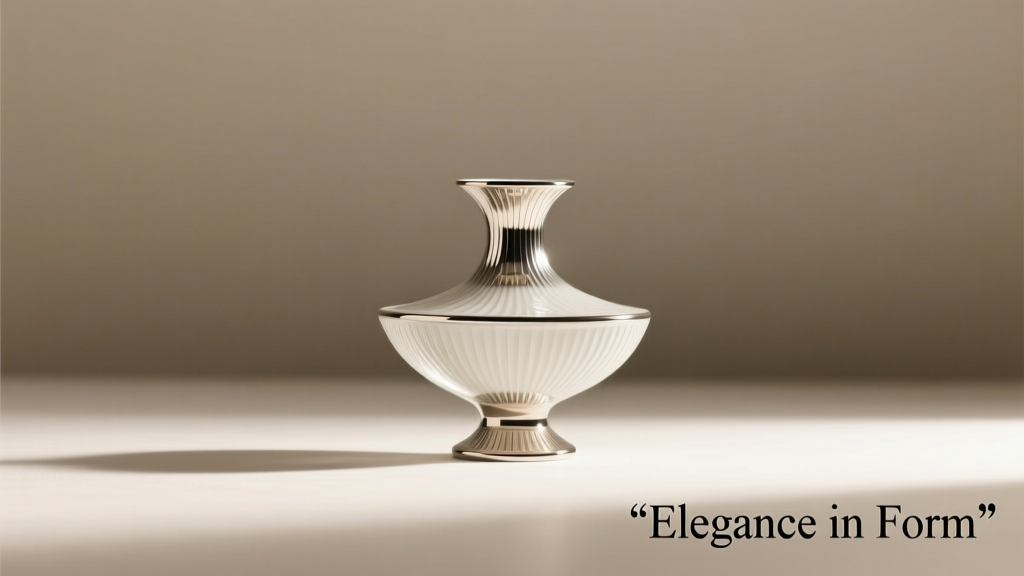
Types of Water & Milk Containers
Choosing the right container for storing and serving water and milk is essential for preserving freshness, maintaining temperature, and ensuring safety. Different materials offer unique benefits and trade-offs in terms of durability, hygiene, aesthetics, and environmental impact. Below is a comprehensive guide to the most common types of water and milk containers, helping you make an informed decision based on your lifestyle, usage, and preferences.
Glass Containers
Crafted from food-grade, non-porous glass, these containers preserve the pure taste of both water and milk without chemical leaching.
Advantages
- Chemically inert – no flavor transfer or leaching
- Transparent design allows easy content monitoring
- Dishwasher and heat-safe for easy cleaning and sterilization
- Eco-friendly and 100% recyclable
- Maintains beverage purity and freshness
Limitations
- Heavy and fragile – risk of breakage if dropped
- Not ideal for travel or outdoor use
- Can be more expensive than plastic alternatives
Best for: Home kitchens, refrigerated storage, families seeking chemical-free options
Plastic Containers
Made from durable, lightweight plastics like polyethylene (PE) or polypropylene (PP), these are practical for everyday and portable use.
Advantages
- Lightweight and shatterproof – ideal for travel and kids
- Affordable and widely available
- Often come with spill-proof or screw-top lids
- Versatile in shape, size, and design
Limitations
- May absorb odors or flavors over time
- Lower heat resistance – not suitable for hot liquids
- Environmental concerns due to plastic waste
- Must be BPA-free to ensure safety
Best for: School lunches, outdoor activities, budget-friendly daily use
Stainless Steel Containers
Built from food-grade stainless steel, these containers offer durability, insulation, and long-term reliability.
Advantages
- Excellent durability and impact resistance
- Double-walled insulation keeps liquids cold or warm for hours
- Does not retain flavors or odors
- Leak-proof and ideal for travel
- Resistant to rust and corrosion
Limitations
- Opaque walls – cannot see contents easily
- Higher initial cost
- Heavier than plastic or glass
- Not microwave-safe
Best for: Commuting, camping, sports, and long-term temperature retention
Ceramic Containers
Handcrafted from fired clay and often glazed, ceramic containers combine aesthetic beauty with natural temperature stability.
Advantages
- Excellent natural insulation for cool or room-temperature storage
- Non-reactive and non-porous when properly glazed
- Artistic designs enhance kitchen decor
- Premium look and feel – great for serving
- Eco-friendly and made from natural materials
Limitations
- Fragile – can crack or chip if dropped
- Heavy and less portable
- May require hand washing to preserve finish
- Limited availability of airtight or insulated models
Best for: Decorative kitchen use, traditional households, serving guests with style
| Material | Durability | Temperature Control | Safety & Purity | Best Use Case |
|---|---|---|---|---|
| Glass | Medium (fragile) | Fair (no insulation) | Excellent (non-reactive) | Home storage, refrigeration, family use |
| Plastic | Good (impact-resistant) | Poor (no insulation) | Good (if BPA-free) | Kids, travel, budget-friendly solutions |
| Stainless Steel | Excellent | Excellent (insulated) | Excellent | Outdoor use, commuting, temperature retention |
| Ceramic | Medium (fragile) | Very Good (natural insulation) | Very Good (when glazed) | Kitchen display, serving, traditional settings |
Expert Tip: For milk storage, always choose containers with airtight lids to prevent spoilage and odor absorption. Glass and stainless steel are top choices for preserving freshness, while plastic should be replaced regularly to avoid bacterial buildup in micro-scratches.
Designs of Water and Milk Containers: Evolution, Functionality, and Sustainability
Water and milk containers have evolved significantly over time, reflecting changes in technology, lifestyle, and environmental awareness. From ancient handmade vessels to modern insulated bottles, each design serves specific functional, aesthetic, and ecological purposes. Understanding the different types of container designs helps consumers make informed choices based on durability, temperature control, sustainability, and everyday usability.
Traditional Design: Timeless Craftsmanship and Natural Preservation
Traditional water and milk containers have been in use for centuries across various cultures, serving as essential tools for storing and transporting liquids before the advent of industrial manufacturing. These containers are typically crafted from natural or durable materials such as glass, ceramics, pewter, copper, or stoneware—each selected for its ability to preserve freshness and maintain cool temperatures.
In many regions, clay pots (like the Indian matka or Middle Eastern zeer) are still favored because they naturally cool water through evaporation. Similarly, glass jugs and metal pitchers have long been staples in households due to their inert nature, ensuring no chemical leaching into the contents. Traditional designs often feature wide mouths for easy filling and cleaning, along with ergonomic handles for pouring.
Beyond functionality, these containers are valued for their aesthetic appeal—many are hand-decorated or glazed, making them both practical and artistic. While they may lack modern conveniences like leak-proof seals, their timeless design continues to inspire contemporary versions that blend heritage with updated usability.
Modern Minimalist Design: Simplicity Meets Innovation
The modern minimalist design philosophy emphasizes clean lines, neutral tones, and uncluttered forms, focusing on utility without sacrificing elegance. These containers are typically made from high-quality materials such as tempered glass, stainless steel, or BPA-free plastics, chosen for safety, clarity, and resistance to wear.
Minimalist water and milk containers often feature smooth, seamless surfaces that are easy to clean and visually integrate into modern kitchens. The design intentionally avoids ornate details, allowing the purity of the liquid inside—whether fresh milk or clear water—to be the centerpiece.
Beneath their simple exterior lies advanced engineering: airtight silicone seals prevent spoilage and leakage, while precision-engineered spouts enable drip-free pouring. Many minimalist containers also come with measurement markings for convenience and are designed to fit seamlessly in refrigerator doors or under dispensers. Their sleek appearance and practical features make them ideal for urban dwellers and those who value both form and function.
Eco-Friendly Design: Sustainable Solutions for a Greener Future
Eco-friendly water and milk containers are designed with environmental responsibility at their core. As awareness grows about plastic pollution and carbon footprints, manufacturers are shifting toward sustainable materials and reusable systems. These containers are commonly made from recyclable or biodegradable substances such as glass, food-grade stainless steel, bamboo composites, or plant-based bioplastics derived from cornstarch or sugarcane.
Key features include refillable structures that eliminate single-use packaging, modular components for easy repair or replacement, and designs optimized for long-term durability and dishwasher safety. Some eco-conscious brands even offer take-back programs or compostable packaging to further reduce environmental impact.
In addition to material choices, eco-friendly containers often promote water conservation by encouraging home filtration and bulk storage, reducing reliance on bottled water. By prioritizing sustainability without compromising performance, these designs support a circular economy and empower users to make environmentally sound decisions in their daily routines.
Insulated Design: Advanced Temperature Control for Active Lifestyles
Insulated water and milk containers are engineered to maintain the ideal temperature of liquids for extended periods, making them perfect for travel, outdoor activities, or daily commutes. Most utilize double-walled or vacuum-sealed construction, typically made from stainless steel, with an air or vacuum gap between the walls acting as a thermal barrier.
This design effectively keeps cold liquids chilled for up to 24 hours and hot liquids warm for 6–12 hours, depending on the model. For milk storage, this means reduced risk of bacterial growth due to consistent refrigeration-level temperatures. Cold water stays refreshingly cool even in hot climates, while heated milk remains warm for infants or comfort drinks.
Additional benefits include condensation-free exteriors—preventing water rings on surfaces or dampness in bags—and robust, leak-proof lids with secure locking mechanisms. Many insulated containers also feature ergonomic handles, non-slip bases, and wide mouths for adding ice or cleaning. Whether used for school, work, camping, or fitness, insulated containers offer reliable performance and peace of mind.
| Design Type | Primary Materials | Key Benefits | Ideal Use Cases |
|---|---|---|---|
| Traditional | Clay, Glass, Ceramic, Pewter | Natural cooling, aesthetic value, chemical-free storage | Home storage, cultural use, decorative purposes |
| Modern Minimalist | Tempered Glass, Stainless Steel, BPA-Free Plastic | Sleek appearance, easy maintenance, precise pouring | Contemporary kitchens, offices, urban living |
| Eco-Friendly | Recycled Glass, Bamboo, Bioplastics, Stainless Steel | Reduced waste, reusable, sustainable sourcing | Zero-waste lifestyles, environmental initiatives |
| Insulated | Double-Walled Stainless Steel, Vacuum-Sealed Construction | Long-term temperature retention, leak-proof, condensation-free | Travel, outdoor activities, commuting, infant care |
Choosing the Right Container: A Quick Guide
Important: Always ensure that containers used for milk storage are cleaned thoroughly after each use to prevent bacterial buildup. Avoid exposing any container—especially plastic or bioplastic—to high heat or direct sunlight for prolonged periods, as this can degrade materials and compromise safety. When purchasing, verify that products are certified food-safe and free from harmful chemicals like BPA, phthalates, or lead glazes.
Scenarios of Water and Milk Containers
Water and milk containers play a vital role in daily life, serving functional, hygienic, and aesthetic purposes across various settings. From kitchen organization to on-the-go hydration, the right container enhances convenience, preserves freshness, and supports sustainable living. Below are key scenarios where dedicated water and milk storage solutions make a meaningful difference.
Storing Water and Milk in the Refrigerator
Proper refrigerated storage of water and milk is essential for maintaining freshness, preventing spoilage, and ensuring household efficiency. Using designated containers helps organize the fridge and reduces cross-contamination risks.
- Preservation of freshness: Airtight, BPA-free containers prevent odor absorption and keep milk from spoiling prematurely.
- Temperature consistency: Placing containers in the main compartment (not the door) ensures stable, cool temperatures, which is especially important for dairy.
- Clear labeling and visibility: Transparent or labeled pitchers allow quick identification, reducing door-open time and energy loss.
- Space optimization: Stackable or rectangular containers maximize shelf space, especially in compact refrigerators.
Best practice: Use glass or food-grade plastic containers with secure lids to minimize spills and maintain hygiene.
Pouring for Guests
Serving beverages from elegant water or milk containers elevates the dining experience, adding a touch of sophistication to both formal dinners and casual gatherings.
- Enhanced presentation: Glass or stainless steel pitchers offer a polished look, complementing table settings and impressing guests.
- Temperature control: Insulated containers keep milk chilled or water cool without diluting drinks with ice.
- Versatility: Ideal for serving dairy milk, almond, oat, or soy milk—accommodating dietary preferences with style.
- Easy handling: Ergonomic handles and drip-free spouts ensure smooth, mess-free pouring.
Pro tip: Chill the pitcher beforehand to maintain optimal serving temperature for cold beverages.
Adding Water or Milk to Recipes
In cooking and baking, having measured or readily accessible liquids streamlines the preparation process and improves accuracy.
- Precision in baking: Measuring pitchers with clear graduations allow exact pouring, crucial for recipes like bread, custards, or pancakes.
- Time efficiency: Pre-measured or pre-mixed liquids (e.g., water-milk blends for smoothies or soups) reduce prep time during busy cooking sessions.
- Temperature readiness: Allowing refrigerated milk to reach room temperature before use ensures even mixing and better texture in batters and doughs.
- Kitchen workflow: Keeping containers near the stove or prep area supports a smooth, uninterrupted cooking rhythm.
Chef’s note: Use heat-resistant glass pitchers for warm milk preparations like scalding or melting butter into liquids.
Hydration On the Go
Portable water and milk containers support healthy hydration habits while reducing single-use plastic waste, making them ideal for work, school, gym, or travel.
- Eco-friendly alternative: Reusable bottles eliminate the need for disposable packaging, supporting sustainability goals.
- Dietary flexibility: Perfect for carrying lactose-free milk, plant-based alternatives, or infused water for those with specific dietary needs.
- Leak-proof design: Secure lids and silicone seals prevent spills in bags or cup holders.
- Temperature retention: Double-walled stainless steel bottles keep milk cold for up to 24 hours or water hot for tea-based drinks.
Smart choice: Opt for BPA-free, lightweight containers with wide mouths for easy cleaning and filling.
Expert Insight: The best water and milk containers balance functionality, durability, and ease of cleaning. For home use, glass offers clarity and chemical-free storage, while stainless steel excels in portability and insulation. Always choose containers with wide openings or removable parts to simplify washing and prevent bacterial buildup. Labeling multiple containers helps distinguish between liquids, especially when storing alternatives like almond or oat milk.
| Use Case | Recommended Container Type | Material | Key Features |
|---|---|---|---|
| Refrigerator Storage | Airtight Pitcher with Lid | Tempered Glass or Food-Grade Plastic | Leak-proof seal, measurement markings, stackable design |
| Serving Guests | Elegant Pouring Pitcher | Clear Glass or Polished Stainless Steel | Drip-free spout, ergonomic handle, aesthetic finish |
| Cooking & Baking | Measuring Pitcher | Heat-Resistant Glass or BPA-Free Plastic | Graduated scale, spout, microwave-safe options |
| On-the-Go Use | Insulated Bottle or Flask | Double-Walled Stainless Steel | Vacuum insulation, leak-proof cap, lightweight build |
Additional Considerations
- Cleanability: Containers with narrow necks can trap residue—opt for wide-mouth designs or dishwasher-safe materials.
- Capacity: Match container size to usage: 1–2 liters for home storage, 500ml–1L for personal hydration.
- Safety: Avoid containers with leaded glass or questionable plastic grades; look for FDA or EU food safety certifications.
- Multifunctionality: Some containers are designed for both water and milk, with interchangeable lids for pouring or sipping.
- Child-Friendly Options: Spill-proof sippy lids or silicone sleeves make containers safe for kids’ use.
Specification & Maintenance of Water-Milk Containers
Selecting and maintaining the right container for storing water and milk is essential for preserving freshness, ensuring hygiene, and promoting long-term usability. Whether used daily in the kitchen or for specialized beverage preparation, proper container selection and care significantly impact food safety and taste. This guide covers key specifications to consider when choosing a water-milk container and provides detailed maintenance practices to extend its lifespan and performance.
Important Note: Milk is highly perishable and prone to bacterial growth if stored improperly. Always prioritize airtight, clean, and refrigerated storage. Never reuse containers not designed for dairy without thorough sanitization.
Key Specifications for Water-Milk Containers
When selecting a container for storing water and milk, several critical factors must be considered to ensure safety, functionality, and durability. Below are the most important specifications to guide your choice.
- Material Quality
High-quality materials are fundamental to safe and effective liquid storage. Ideal options include:
- Glass: Non-reactive, odor-resistant, and excellent for preserving the original taste of milk and water. Resistant to staining and chemical leaching.
- Stainless Steel: Durable, rust-resistant, and often insulated to keep contents cold. Best for portable use but may alter taste slightly with prolonged milk storage.
- Ceramic: Aesthetically pleasing and traditional, often glazed for smooth, non-porous interiors. Ensure it’s food-safe and lead-free.
- BPA-Free Plastic: Lightweight and shatterproof. Choose high-density polyethylene (HDPE) or polypropylene (PP) for better chemical resistance and longevity.
The interior surface should be smooth, free of cracks or rough edges, and easy to sanitize. Avoid materials that absorb odors or degrade with repeated washing.
- Capacity
Select a size that matches your usage patterns:
- Small (1–2 cups / 250–500 ml): Ideal for individual servings, coffee stations, or frequent use with minimal waste.
- Medium (1 quart / 1 liter): Suitable for small households or daily kitchen use.
- Large (1 gallon / 4 liters or more): Best for families, meal prep, or storing blended drinks and alternative milks.
Ensure the container fits comfortably in your refrigerator and is easy to handle when full. Overly large containers can be heavy and difficult to pour, increasing spill risk.
- Seal and Closure System
An airtight seal is crucial for preserving freshness and preventing contamination:
- Look for screw-top lids, flip-top spouts, or silicone-sealed caps that create a secure barrier against air and moisture.
- For milk, ensure the seal prevents leaks even when tilted—test by filling with water and inverting.
- Avoid containers with loose-fitting or cracked lids, as they allow oxygen in, accelerating spoilage.
- Consider containers with wide mouths for easy filling and cleaning, but ensure the lid still provides a full seal.
A well-designed closure also enhances convenience during daily use while maintaining hygiene.
- Easy to Clean
Cleanability directly affects hygiene and long-term usability:
- Choose dishwasher-safe containers for hassle-free cleaning—especially important for milk residue.
- Wide openings and minimal crevices reduce areas where bacteria can accumulate.
- Avoid narrow-necked or complex designs that trap milk proteins and are difficult to scrub.
- For hand washing, use a bottle brush to reach deep into corners and under seals.
Milk proteins and fats can cling to surfaces, so regular and thorough cleaning is non-negotiable for food safety.
Maintenance Best Practices
Even the highest-quality container will degrade without proper care. Follow these maintenance guidelines to ensure longevity and safe storage.
- Regular Cleaning
Immediate and consistent cleaning prevents bacterial growth and odor buildup:
- After each use (especially with milk): Wash with warm, soapy water using a non-abrasive sponge.
- For stubborn stains or odors: Soak in a solution of 1 tablespoon baking soda per cup of warm water for 30 minutes.
- Deep cleaning (monthly or as needed): Use a 1:1 mixture of white vinegar and water to dissolve mineral deposits (from water) or milkstone buildup.
- Never use bleach, ammonia, or chlorine-based cleaners—they can react with milk residues and leave harmful residues.
- Always air-dry completely before reassembling or storing to prevent mold and mildew.
- Proper Storage Conditions
How and where you store the container affects both its contents and integrity:
- Milk containers: Always store in the refrigerator at 1°C to 4°C (34°F to 39°F). Avoid the fridge door, where temperature fluctuates.
- Water containers: Keep in a cool, dark place away from sunlight to prevent algae growth and plastic degradation.
- Empty containers: Store with lids off or slightly ajar to allow airflow and prevent musty smells.
- Label containers with contents and date if storing pre-mixed beverages (e.g., flavored milk).
- Inspect for Wear and Tear
Regular inspection helps prevent contamination and accidents:
- Check for cracks, chips, or scratches—especially in glass, ceramic, or plastic—that can harbor bacteria.
- Examine seals and gaskets for brittleness, warping, or mold. Replace them if they no longer form a tight seal.
- Discard containers with visible discoloration, cloudiness, or persistent odors, even after cleaning.
- Plastic containers typically last 6–12 months with daily use; glass and stainless steel can last years with care.
- Refilling Practices
Safe refilling ensures consistent quality and prevents cross-contamination:
- Always clean the container before refilling, even if it was only partially emptied.
- Use filtered or distilled water to minimize mineral deposits and impurities.
- For milk: Only refill with fresh, refrigerated milk. Never mix old and new batches.
- For alternative milks (almond, oat, soy): Check expiration dates and use the same brand/type for consistent flavor.
- Use a clean funnel to avoid spills and contamination around the rim.
- Wipe the exterior after filling to maintain hygiene and prevent sticky residues.
| Feature | Recommended Standard | Risks of Poor Quality | Lifespan & Replacement Tips |
|---|---|---|---|
| Material | Food-grade glass, stainless steel, BPA-free plastic | Chemical leaching, taste contamination, breakage | Glass/Stainless: 5+ years; Plastic: 6–12 months |
| Seal Integrity | Airtight, leak-proof, silicone gasket | Milk spoilage, oxidation, spills | Replace gaskets annually or when cracked |
| Cleaning Ease | Dishwasher-safe, wide mouth, no crevices | Bacterial growth, odor retention | Replace if staining or odor persists after cleaning |
| Storage | Refrigerated (milk), cool/dark (water) | Algae, spoilage, temperature shock | Avoid freezing glass; don’t expose plastic to heat |
| Capacity | Matched to household size and use | Waste, overfilling, poor accessibility | Choose modular sizes for flexibility |
Expert Tip: To extend the life of your water-milk container, perform a monthly deep clean with vinegar or baking soda. Label containers clearly and rotate usage to ensure even wear. For families with children or sensitive diets, consider color-coded containers to avoid mix-ups between milk types or water storage.
Final Recommendations
- Invest in high-quality, food-safe containers tailored to your specific needs.
- Clean immediately after use, especially with milk, to prevent biofilm formation.
- Store containers properly—refrigerated for dairy, cool and dark for water.
- Inspect regularly and replace damaged or aging containers promptly.
- Follow safe refilling practices to maintain freshness and prevent contamination.
By choosing the right container and maintaining it properly, you ensure safer, fresher, and more enjoyable storage of water and milk. These practices not only protect your health but also reduce waste and support sustainable kitchen habits.
Frequently Asked Questions About Water and Milk Containers
Q1: What is the difference between a milk container and a water bottle?Milk containers and water bottles may appear similar in function—both are designed to store and dispense liquids—but they differ significantly in design, purpose, and material features to meet the unique needs of their contents.
- Milk Containers: Specifically engineered to preserve the freshness and quality of dairy or plant-based milk. They often feature airtight seals, opaque or UV-protected walls to block light (which degrades nutrients), and are frequently designed for refrigeration. Many also include pour spouts that minimize contamination and reduce oxidation.
- Water Bottles: Primarily built for portability and reuse. They focus on durability, ease of cleaning, and leak-proof design. Since water doesn’t spoil, these bottles don’t require special light-blocking or airtight preservation features, though insulated versions exist for temperature control.
- Key Difference: Milk containers prioritize freshness and shelf-life extension, while water bottles emphasize convenience, reusability, and lightweight design.
Using the correct container for each liquid helps maintain taste, safety, and nutritional value.
Q2: What materials are water and milk containers made of?The choice of material impacts performance, safety, and environmental impact. Common materials include:
| Material | Best For | Advantages | Considerations |
|---|---|---|---|
| Glass | Milk storage, home use | Chemically inert, preserves flavor, easy to clean, recyclable | Heavy, fragile, not ideal for travel |
| Stainless Steel | Insulated bottles (both water and milk) | Durable, excellent insulation, resistant to odors and corrosion | Not microwave-safe, can be expensive |
| Ceramic | Aesthetic or traditional use | Attractive design, keeps contents cool, non-reactive | Porous if unglazed, heavy, fragile |
| BPA-Free Plastic | Everyday use, travel, children’s bottles | Lightweight, shatterproof, affordable, widely available | Can retain odors, may degrade over time with heat exposure |
Always ensure that plastic containers are labeled BPA-free and food-grade to avoid harmful chemical leaching, especially when storing milk or warm liquids.
Q3: How should I store my water and milk container?Proper storage is crucial for maintaining hygiene and freshness:
- Milk Containers: Always refrigerate milk immediately after use. Store at a consistent temperature between 1°C and 4°C (34°F–39°F) to slow bacterial growth. Place the container on a shelf inside the fridge—not the door—where temperatures fluctuate less.
- Water Bottles: Can be stored at room temperature in a cool, dark place away from direct sunlight and heat sources. Prolonged sun exposure can promote bacterial growth and degrade plastic over time.
- Avoid Cross-Contamination: Never store milk in a container previously used for non-food items or chemicals. Use dedicated containers for each liquid type.
- Sealing: Ensure lids are tightly closed to prevent spills and contamination from other foods in the fridge.
For households using multiple milk types (e.g., almond, soy, oat), label containers clearly and store them upright to prevent leaks.
Q4: How often should I clean my water and milk container?Regular cleaning prevents bacterial buildup and maintains hygiene:
- After Each Use: Rinse the container thoroughly with warm water, especially after storing milk, which can leave residues and promote mold growth.
- Deep Cleaning: Wash with mild dish soap and a bottle brush at least once a week—or more frequently if used daily. For stubborn odors, use a mixture of baking soda and water or a vinegar rinse.
- Drying: Allow the container to air dry completely with the lid off to prevent moisture buildup, which can lead to mildew.
- Sanitizing: Periodically sanitize by boiling glass or stainless steel containers, or using a diluted bleach solution (followed by thorough rinsing).
- Never Mix Uses: Do not use the same container for both water and milk unless it is cleaned immediately and thoroughly. Residual milk proteins can spoil and contaminate water.
Inspect seals, lids, and straws regularly for cracks or buildup, as these are common spots for bacteria to accumulate.
Q5: Can I use flavored or alternative milk in my water and milk container?Yes, you can safely store flavored milk (like chocolate or strawberry) and alternative milks (such as almond, soy, oat, or coconut milk) in a suitable container, provided the following guidelines are followed:
- Sealed Storage: Use an airtight container to prevent oxidation and contamination, which can cause spoilage or off-flavors.
- Labeling: Clearly label the container with the type and date of milk to avoid confusion and track freshness.
- Dedicated Containers: Use separate containers for each type of milk to prevent flavor transfer and cross-contamination—especially important for those with allergies (e.g., soy or nut sensitivities).
- Shelf Life: Alternative milks often have shorter shelf lives once opened. Check manufacturer guidelines and consume within 7–10 days.
- Storage Temperature: All milk types—including plant-based—should be refrigerated at 1°C–4°C and not left out for more than two hours.
Using the right container and proper labeling ensures safe, fresh, and enjoyable consumption of all milk varieties.