Curry is one of the most widely recognized yet misunderstood culinary terms in global cuisine. To many, it evokes a yellow-orange sauce served with rice or naan; to others, it’s synonymous with heat and complexity. In truth, “curry” is not a single spice or dish but a broad category encompassing hundreds of regional preparations, spice blends, and cooking techniques rooted primarily in South Asia, Southeast Asia, and the Caribbean. Its global popularity has led to countless adaptations, often simplifying its depth. For cooks seeking authenticity and versatility, understanding curry means moving beyond the jarred powder on supermarket shelves and embracing the cultural and sensory richness behind the term.
The word “curry” itself was coined by British colonists in India as a catch-all for any spiced gravy-based dish—derived loosely from the Tamil word *kari*, meaning “sauce” or “relish.” Today, the term spans everything from Thai green curry paste to Japanese kare raisu and Indian garam masala-laced stews. This article dissects the essence of curry—not as a monolith, but as a dynamic expression of spice, technique, and tradition—offering practical guidance for using curry elements confidently in everyday cooking.
Definition & Overview
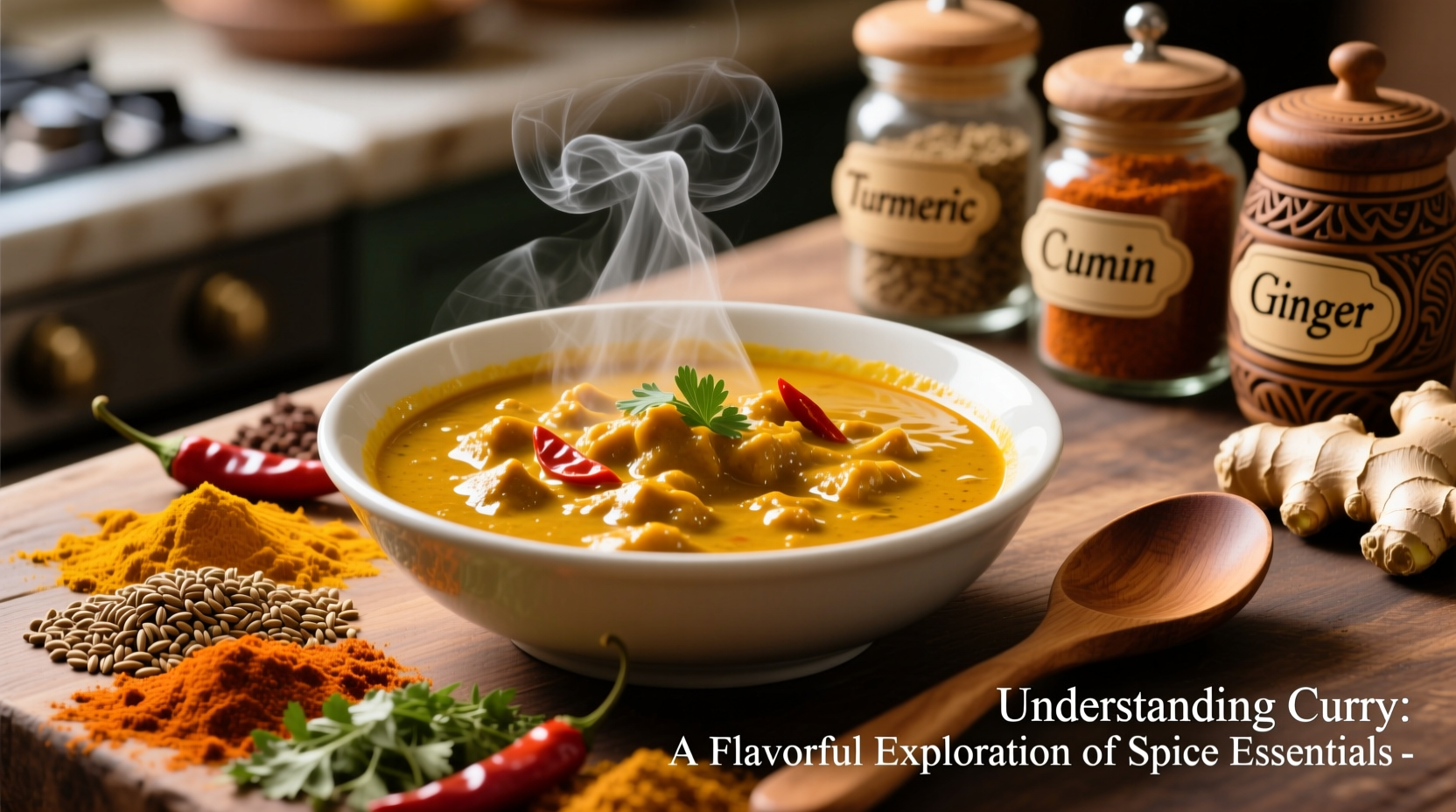
At its core, curry refers to a method of cooking that involves simmering ingredients—typically proteins, legumes, or vegetables—in a sauce infused with a blend of aromatic spices. While commonly associated with Indian cuisine, curries exist across continents, each shaped by local ingredients and historical influences. The defining feature is not a specific ingredient but the layered application of spices, often toasted, ground, or pasted, then bloomed in fat to release their volatile oils before liquid is added.
Curry can manifest as a dry spice mix (like curry powder), a wet paste (such as Thai red curry paste), or the finished dish itself. Unlike single spices such as cumin or turmeric, curry relies on synergy—the balance of warm, pungent, earthy, and sometimes sweet or sour notes creating a harmonious whole. Common base spices include turmeric, coriander, cumin, fenugreek, mustard seed, and chili, though proportions and additions vary dramatically by region.
What unites all curries is intentionality: spices are rarely added haphazardly. They are toasted to deepen flavor, tempered in oil to awaken aroma, or slow-cooked to meld into a cohesive sauce. Understanding this process is essential to mastering curry at home.
Key Characteristics
Curry is best understood through its variable yet identifiable traits. Below is a breakdown of its key characteristics:
| Characteristic | Description |
|---|---|
| Flavor Profile | Balanced blend of earthy, warm, pungent, and aromatic notes; may include sweet, sour, or smoky undertones depending on region and recipe. |
| Aroma | Pronounced and complex—often featuring toasted seeds, roasted spices, fresh herbs (e.g., cilantro, lemongrass), or alliums (garlic, shallots). |
| Color/Form | Varies: golden-yellow (turmeric-dominant), deep red (chili-based), green (herb-forward), or brown (slow-cooked). Available as powders, pastes, or finished sauces. |
| Heat Level | Highly variable—from mild and fragrant (e.g., butter chicken) to intensely spicy (e.g., vindaloo or southern Thai curries). |
| Culinary Function | Acts as a flavor foundation, tenderizing agent (via acidity or enzymatic action), and preservative (through antimicrobial properties of spices). |
| Shelf Life | Dry curry powders: 6–12 months in airtight containers. Pastes: 1–2 weeks refrigerated, up to 3 months frozen. Fresh curry dishes: 3–4 days refrigerated. |
Practical Usage: How to Use Curry in Cooking
Using curry effectively requires more than opening a jar. It demands an understanding of when and how to apply different forms—powder, paste, or whole spices—to achieve depth and balance.
For Dry Curry Powders:
These blends, such as Madras or tandoori curry powder, are convenient but benefit from proper technique. Never add them directly to liquid. Instead, bloom the powder in hot oil or ghee for 30–60 seconds before adding onions or tomatoes. This step, known as *tadka* or tempering, prevents raw, bitter flavors and unlocks the full aromatic potential.
“Toasting curry powder in fat isn’t optional—it’s foundational. That brief sizzle transforms dusty granules into a living flavor base.” — Chef Ritu Dhar, Mumbai Culinary Institute
For Wet Curry Pastes:
Thai, Indonesian, or Sri Lankan pastes contain fresh aromatics like galangal, lemongrass, and chilies. Sauté the paste in coconut oil or vegetable oil over medium heat until the mixture darkens slightly and releases a rich fragrance—usually 3–5 minutes. This step cooks out raw edges and integrates flavors before broth or protein is added.
Whole Spices in Curry:
In traditional Indian curries, whole spices (cinnamon sticks, cardamom pods, cloves) are often tempered first in oil, then removed or eaten selectively. This method imparts subtle background notes without overwhelming the palate. For example, a single bay leaf or black cardamom pod can lend smokiness to a lamb curry without dominating it.
Pro Tip: Layer your spices. Start with whole spices in oil, add ground spices after sautéing aromatics, and finish with fresh herbs or citrus zest. This builds dimension rather than flatness.
Recommended Pairings and Applications:
- Chicken Tikka Masala: Use a mild North Indian-style curry powder with high turmeric and ginger. Simmer with tomato cream sauce and finish with kasuri methi (dried fenugreek leaves).
- Thai Green Curry: Combine green curry paste with coconut milk, bamboo shoots, Thai eggplant, and basil. Balance with palm sugar and lime juice.
- Jamaican Curry Goat: Brown goat meat, then cook with onion, garlic, scotch bonnet, and Jamaican curry powder (which includes allspice and thyme). Slow-cook until tender.
- Vegan Lentil Dal: Temper cumin seeds and mustard seeds in oil, add turmeric and coriander, then stir in red lentils and water. Simmer until creamy.
Ratios for Home Cooks:
As a starting point:
- Curry powder: 1–2 teaspoons per serving (adjust to taste)
- Curry paste: 1 tablespoon per cup of liquid
- Whole spices: 1–2 pieces per pound of protein
Variants & Types
Curry is not a single entity but a spectrum of regional expressions. Recognizing these differences allows cooks to select the right type for the intended dish.
Indian Curry Blends
- Garam Masala: Warm, sweet-spicy blend used at the end of cooking. Contains cinnamon, cardamom, cloves, nutmeg. Common in North Indian cuisine.
- Sambar Powder: Roasted and earthy, with lentils and dried chilies. Used in South Indian lentil stews.
- Madras Curry Powder: British-influenced, higher in turmeric and chili. Bold and pungent.
Southeast Asian Pastes
- Red Curry Paste (Thai): Made with dried red chilies, lemongrass, galangal, shrimp paste. Versatile for meats and vegetables.
- Green Curry Paste: Fresher and more herbal, using green chilies and Thai basil. Best with poultry or fish.
- Yellow Curry Paste: Milder, often includes turmeric and coriander. Ideal for coconut-based soups.
Caribbean Curries
- Jamaican Curry Powder: Includes allspice (pimento) and thyme, reflecting local terroir. Used in jerk-inspired curries.
- Trinidadian Curry: Heavily influenced by Indian indentured laborers. Uses cumin-heavy blends and is common in roti wraps.
Global Adaptations
- Japanese Curry (Kare Raisu): Thick, sweet, and mild. Sold in blocks containing roux, spices, and sugar. Often includes apples or honey.
- Sri Lankan Curry Powder: Features roasted curry leaves and mustard seeds. More complex and less sweet than commercial blends.
| Type | Best For | Heat Level | Key Ingredient |
|---|---|---|---|
| Madras Curry Powder | Chickpea curries, cauliflower dishes | Medium-Hot | Turmeric, chili |
| Thai Red Curry Paste | Coconut milk curries, stir-fries | Medium | Dried red chilies, lemongrass |
| Garam Masala | Finishing touch for stews, rice | Mild-Warm | Cinnamon, cardamom |
| Jamaican Curry Powder | Goat, chicken, yams | Medium | Allspice, thyme |
| Japanese Curry Block | Beef and potato stew, school lunches | Mild | Roux, apple |
Comparison with Similar Ingredients
Curry is often confused with individual spices or other blends. Clarifying these distinctions prevents misuse in recipes.
| Ingredient | How It Differs from Curry |
|---|---|
| Turmeric | A single spice, bright yellow, earthy-bitter. Curry contains turmeric but also includes coriander, cumin, etc. |
| Chili Powder | Primarily ground dried chilies. Curry powder includes chili but adds aromatic spices for complexity. |
| Paprika | Made from sweet or smoked peppers. Adds color and mild heat, but lacks the layered spice profile of curry. |
| Herbes de Provence | Mediterranean blend (thyme, rosemary). Earthy but missing the warmth and pungency of curry spices. |
| Five-Spice Powder | Chinese blend (star anise, fennel, etc.). Sweet-savory but not interchangeable with curry due to absence of turmeric and cumin. |
Practical Tips & FAQs
How do I store curry powder or paste?
Keep dry curry powders in airtight glass jars away from light and heat. They lose potency after 6–12 months. Wet pastes should be refrigerated in sealed containers and used within two weeks, or frozen in ice cube trays for portioned use.
Can I make my own curry blend?
Yes—and you should. Toast whole spices (cumin, coriander, mustard seeds) in a dry pan until fragrant, then grind with turmeric, chili, and optional additions like fenugreek or curry leaves. Customize ratios to your taste.
Is curry always spicy?
No. Many traditional curries, such as Kerala fish curry or Punjabi paneer makhani, are mild and creamy. Heat depends on chili content, which varies by recipe and region.
What’s the difference between curry powder and garam masala?
Curry powder typically includes turmeric and is used during cooking. Garam masala lacks turmeric, is warmer and sweeter, and is usually added at the end to preserve its volatile aromas.
Can I substitute curry powder for curry paste?
Not directly. Paste contains fresh ingredients and moisture; powder is dry. To substitute, use 1 teaspoon curry powder plus minced garlic, ginger, and lemon juice per tablespoon of paste—but expect a flavor shift.
Which dishes showcase curry best?
Consider these classics:
- Chana Masala: Chickpeas in tangy, spiced tomato gravy.
- Massaman Curry: Thai-Persian fusion with peanuts, potatoes, and cinnamon.
- Dopiaza: Onion-heavy North Indian curry, double-fried for sweetness.
- Currywurst: German street food featuring sausage in ketchup-curry sauce.
- Kari Kambing: Malaysian goat curry with tamarind and lemongrass.
Storage Checklist:
- Label spice jars with purchase date
- Store away from stove (heat degrades flavor)
- Grind whole spices in small batches
- Freeze curry paste in 1-tbsp portions
Summary & Key Takeaways
“Curry” is not a single flavor but a philosophy of layering spices to create depth, balance, and regional identity. Whether using a pre-made blend or crafting your own, success lies in technique: blooming spices in fat, balancing heat with sweetness or acid, and respecting the origin of each variation.
Key points to remember:
- Curry is a method as much as an ingredient—defined by spice integration, not just addition.
- Different types—powders, pastes, whole spices—serve distinct roles in cooking.
- Regional varieties (Indian, Thai, Jamaican, Japanese) reflect unique cultural adaptations.
- Proper storage preserves potency; homemade blends offer superior flavor.
- Substitutions require understanding function, not just form.
Mastering curry begins with curiosity. Experiment with small batches, taste deliberately, and learn from each iteration. The goal is not perfection but connection—to the farmers who grow the spices, the cooks who passed down techniques, and the global table where curry continues to evolve.
Ready to explore further? Try making your own batch of South Indian sambar powder or Thai red curry paste this week. Note the transformation when spices meet heat—and taste the difference authenticity makes.