A rich, deeply flavored spaghetti sauce is more than just tomatoes simmered in a pot—it’s a balance of acidity, sweetness, depth, and aromatic complexity. While many rely on jarred sauces or basic recipes, the difference between an average sauce and one that lingers in memory often comes down to seasoning. The right combination of herbs, spices, and flavor enhancers can transform simple ingredients into something extraordinary. Understanding which seasonings work best—and how they interact—empowers home cooks to craft authentic, nuanced sauces with confidence. This guide explores the most effective seasonings for enhancing spaghetti sauce, detailing their characteristics, optimal usage, and synergistic pairings.
Definition & Overview
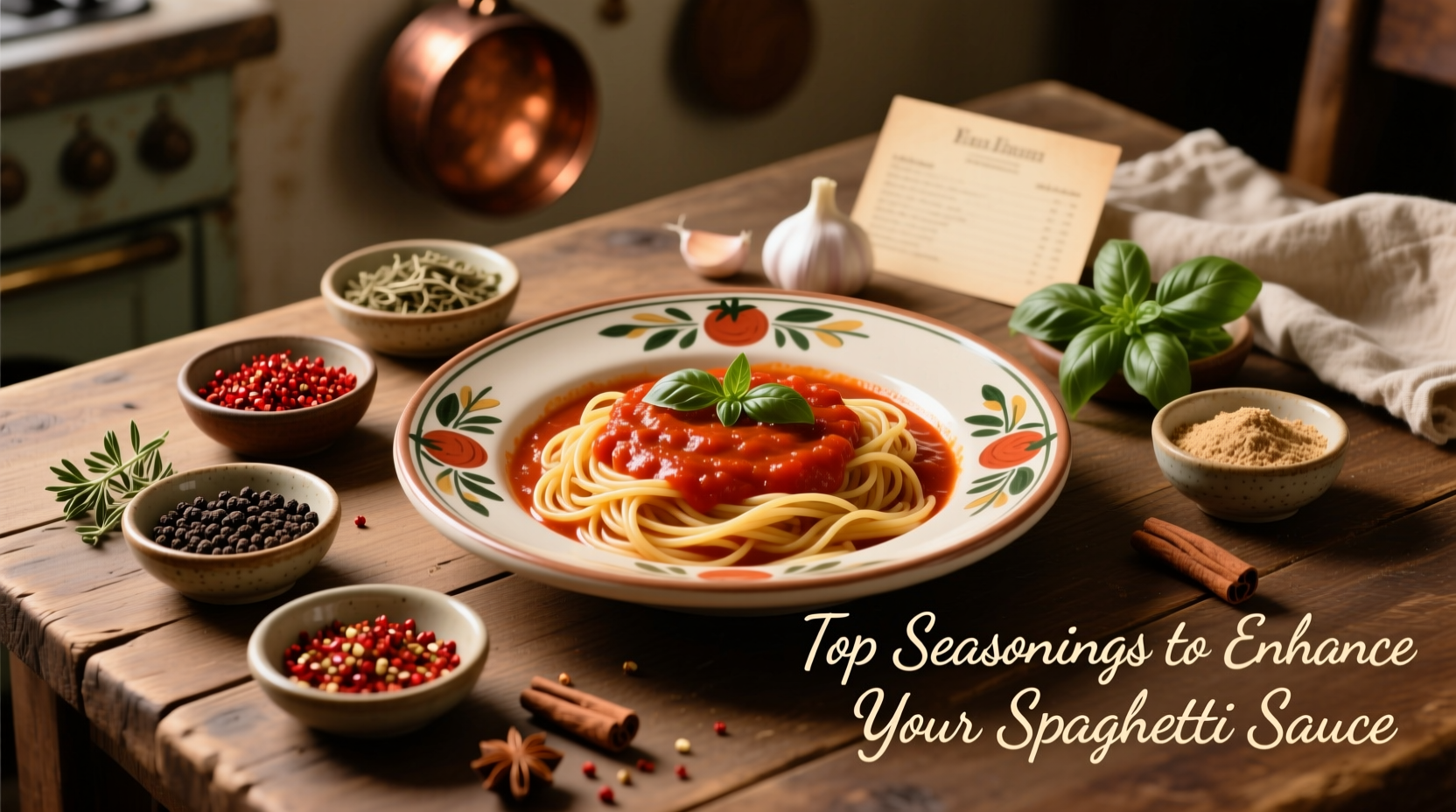
Spaghetti sauce, commonly referred to as marinara or tomato-based pasta sauce, is a staple in Italian-American cuisine and widely adapted globally. At its core, it consists of cooked tomatoes, aromatics like garlic and onion, and a blend of seasonings that define its character. While regional variations exist—from the bright simplicity of Neapolitan marinara to the slow-cooked richness of Bolognese—the role of seasonings remains central. These are not merely afterthoughts but essential components that build layers of flavor during cooking. Proper seasoning affects aroma, mouthfeel, balance, and overall complexity, turning a flat-tasting sauce into one with dimension and warmth.
The term \"seasoning\" here encompasses dried and fresh herbs, ground spices, fermented products, and umami-rich additives. Unlike table salt or pepper used solely for salinity and heat, these ingredients contribute distinct chemical compounds that interact with tomatoes’ natural acids and sugars. When applied thoughtfully, they round out sharp edges, deepen color, and extend the finish of each bite.
Key Characteristics of Essential Spaghetti Sauce Seasonings
The following table outlines the primary seasonings known to enhance spaghetti sauce, including their flavor profiles, culinary functions, and physical forms:
| Seasoning | Flavor Profile | Culinary Function | Form Available | Shelf Life (Dry) |
|---|---|---|---|---|
| Dried Oregano | Earthy, slightly bitter, peppery | Adds Mediterranean backbone; balances sweetness | Whole leaf, ground | 1–3 years |
| Fresh Basil | Sweet, anise-like, floral | Provides brightness; best added late | Fresh only | 5–7 days refrigerated |
| Crushed Red Pepper Flakes | Sharp, pungent heat with smoky undertones | Introduces controlled spiciness and complexity | Flakes | 2–3 years |
| Garlic Powder | Concentrated savory, alliaceous | Deepens base notes without texture of raw garlic | Powder | 3–4 years |
| Onion Powder | Sweet, mellow umami | Enhances body and background sweetness | Powder | 3–4 years |
| Dried Marjoram | Milder cousin to oregano; delicate, citrusy | Softens harshness; adds herbal subtlety | Leaf, powdered | 1–2 years |
| Fennel Seeds | Anise-like, licorice-sweet | Complements meat-based sauces; mimics sausage flavor | Whole seeds | 4 years |
| Bay Leaves | Woodsy, tea-like, slightly medicinal | Infuses depth during long simmers; removed before serving | Whole dried leaves | 2–4 years |
| Worcestershire Sauce | Savory, tangy, fermented, umami-rich | Boosts savoriness without overpowering | Liquid condiment | Indefinite (unopened); 1 year open |
| Balsamic Vinegar | Sweet-tart, molasses-like | Round off acidity; adds glossy depth | Liquid | 3+ years |
Practical Usage: How to Use Each Seasoning Effectively
Knowing what each seasoning brings is only half the battle—timing, quantity, and method matter just as much. Below is a detailed breakdown of how to apply each ingredient for maximum impact.
Dried Oregano
Oregano is a cornerstone of Southern Italian cooking. Its assertive earthiness stands up well to acidic tomatoes. For best results, add dried oregano early in the cooking process—within the first 10 minutes after sautéing onions and garlic—to allow its volatile oils to bloom in fat. Use sparingly: **½ to 1 teaspoon per quart of sauce** is sufficient. Overuse leads to bitterness. Fresh oregano can be used, but it lacks the concentrated punch of the dried form and should be doubled in volume.
Fresh Basil
Fresh basil contributes a bright, almost perfumed lift that cuts through richness. It degrades quickly when exposed to prolonged heat, so add it in the final 5–10 minutes of cooking. A better technique is to stir in whole leaves off the heat, allowing residual warmth to release their oils—a method known as *stracciatella*. Alternatively, tear leaves and use as a garnish. **Use 5–8 large leaves per serving**, adjusting based on size and freshness.
Pro Tip: To preserve basil’s vibrant green color and prevent blackening, blanch leaves briefly in boiling water, then shock in ice water before chopping. This technique works well for sauces intended for freezing.
Crushed Red Pepper Flakes
These deliver both heat and subtle fruitiness. Toasting them lightly in olive oil at the beginning unlocks deeper flavors and distributes heat evenly. Start with **¼ teaspoon per quart** and adjust upward. In meat sauces, especially those with pancetta or spicy sausage, red pepper flakes harmonize with fat, creating a warming sensation rather than sharp burn.
Garlic Powder & Onion Powder
While fresh garlic and onion are foundational, their powdered counterparts offer consistency and convenience. Garlic powder integrates seamlessly into dry spice blends and avoids the risk of burning during sautéing. Onion powder dissolves completely, adding sweetness without textural interference. Use **½ teaspoon of each per cup of tomatoes** as a baseline. They shine in quick-cooked sauces where fresh aromatics don’t have time to caramelize fully.
Dried Marjoram
Often overshadowed by oregano, marjoram offers a softer, sweeter profile ideal for delicate sauces. It pairs exceptionally well with mushrooms or vegetarian ragùs. Use in a **1:2 ratio with oregano** (e.g., ½ tsp marjoram to 1 tsp oregano) to soften the overall blend. Avoid overcooking, as prolonged heat diminishes its floral notes.
Fennel Seeds
Essential in any sauce aiming to replicate Italian sausage flavor, fennel seeds bring a sweet anise note that complements pork and beef. Lightly crush them with a mortar and pestle or skillet before adding to release essential oils. Add early with other aromatics. **Use ½ teaspoon crushed seeds per pound of meat** in meat-based sauces. For vegetarian versions, a pinch enhances plant-based “meat” crumbles remarkably.
Bay Leaves
A single dried bay leaf imparts a subtle woodsy depth over time. It should be added at the beginning of simmering and removed before serving. Never use fresh bay leaves—they contain toxic compounds. One leaf per quart of sauce is standard. Remove it with tongs or a slotted spoon before blending or serving.
Worcestershire Sauce
This fermented condiment—made from anchovies, tamarind, vinegar, and molasses—adds a complex umami layer. It bridges the gap between sweet, sour, salty, and bitter. Stir in **½ to 1 teaspoon per quart** near the end of cooking. Particularly effective in vegetarian sauces lacking meat-derived glutamates. Choose brands without high-fructose corn syrup for cleaner flavor.
Balsamic Vinegar
A splash of aged balsamic vinegar (not salad dressing) rounds out overly acidic tomatoes. Its natural sugars also promote gentle caramelization during reduction. Add **1 to 2 teaspoons toward the end of cooking**, stirring well. Avoid boiling vigorously after addition to prevent bitterness. High-quality balsamic (e.g., DOP-certified) is preferable, but even mid-range versions work well in small doses.
Variants & Types: Choosing the Right Form
Many seasonings come in multiple forms, each suited to different applications:
- Fresh vs. Dried Herbs: Dried herbs are more concentrated and better for long simmers. Fresh herbs excel as finishing agents. Never substitute 1:1—dried herbs are typically three times stronger.
- Whole vs. Ground Spices: Whole fennel seeds retain flavor longer and require crushing. Ground versions lose potency within months.
- Red Pepper: Flakes vs. Powder: Flakes offer texture and controlled heat dispersion. Powder integrates fully and can become harsh if overused.
- Balsamic: Glaze vs. Regular: Balsamic glaze is reduced and sugary—better for drizzling. Regular balsamic (around 6% acidity) is ideal for cooking.
For shelf-stable convenience, keep dried versions of oregano, marjoram, bay leaves, and red pepper flakes on hand. Reserve fresh basil, garlic, and onion for active use. Powders like garlic and onion are excellent backups when fresh ingredients aren’t available.
Comparison with Similar Ingredients
Some seasonings are frequently confused or misused. Clarifying differences ensures proper application:
| Ingredient Pair | Key Differences | Best Use in Sauce |
|---|---|---|
| Oregano vs. Marjoram | Oregano is bolder, more pungent; marjoram is sweeter, floral | Oregano for robust sauces; marjoram for delicate or seafood-based versions |
| Fennel Seeds vs. Anise Seeds | Nearly identical in flavor; anise is slightly sharper and more medicinal | Fennel preferred in Italian cuisine; anise better in Middle Eastern dishes |
| Worcestershire vs. Soy Sauce | Worcestershire is tangier, less salty, with vinegar base; soy is brinier and darker | Worcestershire for Western-style sauces; soy only in fusion applications |
| Balsamic Vinegar vs. Red Wine Vinegar | Balsamic is sweet-tart; red wine vinegar is sharper and drier | Balsamic to balance acidity; red wine vinegar for brightness in lean sauces |
Practical Tips & FAQs
When should I add seasonings—beginning, middle, or end?
Dried herbs and hard spices (bay leaf, fennel, red pepper) go in early to infuse. Powders (garlic, onion) are added with aromatics. Fresh herbs, vinegar, and liquid enhancers (Worcestershire) are best added in the last 10 minutes to preserve volatile compounds.
Can I over-season a spaghetti sauce?
Yes. Overuse of oregano, red pepper, or bay leaf creates imbalance. If a sauce becomes too bitter, add a pinch of sugar or grated carrot to counteract. For excessive heat, stir in a spoonful of tomato paste or cream (if non-traditional).
How do I store dried seasonings properly?
Keep in airtight containers away from light, heat, and moisture. Label with purchase date. Most retain potency for 1–3 years. Crush between fingers before use to check aroma—if faint, replace.
Are there vegan alternatives to Worcestershire sauce?
Traditional Worcestershire contains anchovies, but vegan versions (e.g., Annie’s, The Wizard’s) use mushroom or yeast extracts for umami. Check labels carefully.
What’s the ideal ratio of herbs in an Italian seasoning blend?
A balanced homemade mix includes: 2 parts oregano, 1 part marjoram, 1 part basil (dried), ½ part thyme, and a pinch of rosemary. Avoid pre-made blends with fillers like rice flour.
Does fresh garlic beat garlic powder?
Not always. Fresh garlic provides pungency and texture but risks burning. Garlic powder offers consistent, rounded flavor and integrates smoothly. Use both: sauté fresh for base, finish with a dusting of powder for depth.
Expert Insight:
\"The secret to great sauce isn’t complexity—it’s timing. Layer your seasonings like paint. Early additions are the undercoat; mid-stage builds tone; finishing touches are the highlight.\" — Chef Elena Rossi, former sous chef at Carbone, NYC
Summary & Key Takeaways
Elevating spaghetti sauce hinges on thoughtful seasoning, not excess. The most impactful ingredients—dried oregano, fresh basil, red pepper flakes, garlic and onion powders, fennel seeds, bay leaves, Worcestershire sauce, and balsamic vinegar—each play a distinct role in building flavor architecture. Understanding their properties allows precise control over taste, aroma, and balance.
Key principles include:
- Add dried, hardy seasonings early; reserve fresh and liquid ones for the end.
- Use fennel seeds and Worcestershire to mimic depth in meatless sauces.
- Balance acidity with balsamic vinegar or a touch of sugar.
- Never substitute fresh and dried herbs 1:1—adjust for concentration.
- Store dried seasonings properly to maintain potency.
- Combine complementary seasonings (e.g., oregano + marjoram) for layered effect.
Mastering these elements transforms spaghetti sauce from a routine meal component into a centerpiece dish. Whether crafting a weeknight marinara or a Sunday gravy, the right seasonings—applied with knowledge and care—deliver authenticity and satisfaction with every bite.
Challenge Yourself: Next time you make sauce, try a side-by-side test: prepare two batches—one with only salt and pepper, the other with a full seasoning profile. Taste them blind. The difference will underscore why these ingredients are indispensable.