For home cooks seeking a fast, reliable base for homemade pizza, Walmart offers a surprisingly wide selection of tomato sauces tailored to different tastes and culinary goals. Whether you're assembling a quick weeknight pie or layering flavors for a gourmet-style result, choosing the right store-bought tomato sauce can make or break the final dish. The key lies not just in convenience, but in understanding which product delivers authentic flavor, proper consistency, and ingredient integrity—without requiring hours of reduction or doctoring. With brands ranging from national staples to value-focused house labels, navigating Walmart’s pasta sauce aisle demands more than impulse; it requires knowledge of what defines true pizza-appropriate tomato sauce.
Definition & Overview
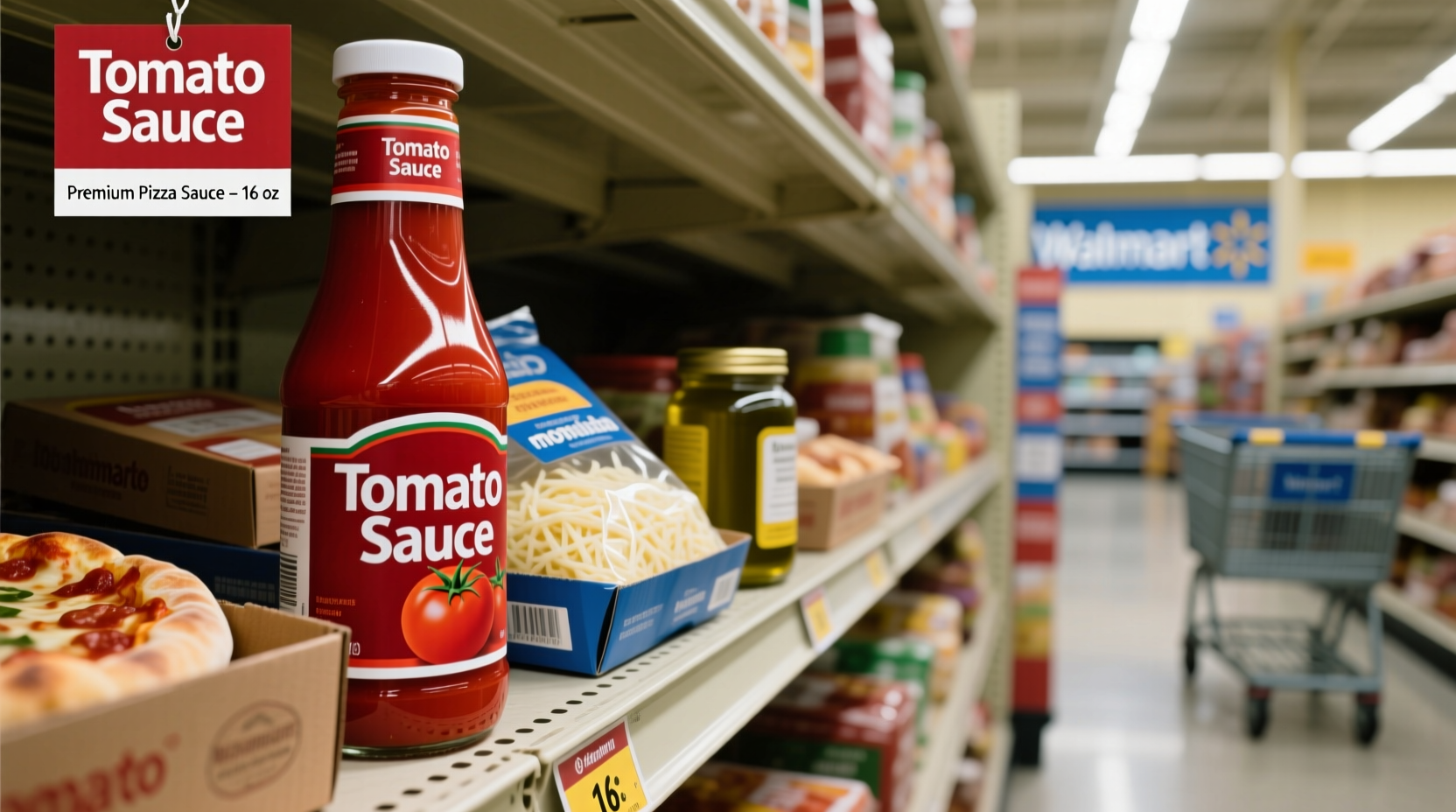
Tomato sauce for pizza is a seasoned purée made primarily from tomatoes, designed as a foundational layer beneath cheese and toppings on flatbreads or yeast-raised crusts. Unlike general-purpose pasta sauces—which often include chunks of vegetables, heavy herbs, or meat—true pizza sauce should be smooth, moderately seasoned, and low in moisture to prevent sogginess during baking. While many consumers assume any “marinara” or “spaghetti sauce” will work, optimal results come from formulations that mirror traditional Neapolitan or New York–style bases: simple, bright, and focused on ripe tomato character rather than stewed complexity.
At Walmart, this category spans multiple shelves within the international, Italian, and condiment sections. Products labeled explicitly as \"pizza sauce\" are less common than general marinara or crushed tomato varieties marketed for versatility. As such, selecting an appropriate substitute requires reading labels carefully and prioritizing texture, sodium levels, added sugars, and herb intensity. Many top-performing options originate from legacy Italian-American food companies like Ragu, Prego, and Classico, while Walmart’s own Great Value line provides budget-conscious alternatives with variable success.
Key Characteristics
An effective tomato sauce for pizza must meet specific functional and sensory criteria to support high-heat baking and balanced flavor integration. Below are the essential attributes to evaluate when shopping:
| Characteristic | Description |
|---|---|
| Flavor Profile | Bright acidity balanced with natural sweetness; minimal overpowering herbs like oregano or basil unless used sparingly. |
| Aroma | Fresh, sun-ripened tomato scent with subtle garlic or onion notes; avoid overly cooked or canned-metallic smells. |
| Texture/Consistency | Smooth and spreadable without being watery; free of large vegetable chunks that could release excess moisture. |
| Color | Vibrant red to deep crimson; dull brown hues suggest oxidation or over-processing. |
| Sodium Level | Ideal range: 300–500 mg per ½ cup serving. Higher levels may require dilution or balancing with other ingredients. |
| Sugar Content | Less than 8g per serving preferred. High-fructose corn syrup or excessive sugar leads to caramelization or burning under heat. |
| Shelf Life (Unopened) | 12–18 months when stored in a cool, dark pantry. Once opened, refrigerate and use within 5–7 days. |
| Culinary Function | Acts as a flavorful adhesive and moisture barrier between crust and toppings; contributes umami and tang without dominating. |
Practical Usage
Using store-bought tomato sauce effectively on pizza involves more than spooning it onto dough. Technique matters—even with pre-made products. The goal is to preserve structural integrity while enhancing taste through minor adjustments.
Begin by stirring the sauce thoroughly before use, especially if separation has occurred. Then, apply a thin, even layer using the back of a spoon or offset spatula, leaving at least a ½-inch border for the crust. For a standard 12-inch pizza, ½ to ⅔ cup of sauce is sufficient. Over-application leads to undercooked centers and leakage during baking.
To elevate flavor, consider light customization:
- Add a pinch of dried oregano or crushed red pepper flakes for depth and heat.
- Stir in 1 teaspoon of extra virgin olive oil for silkiness and aroma.
- Mix in 1 tablespoon of grated Parmesan or a splash of balsamic vinegar to enhance umami and balance sweetness.
- Dilute overly thick sauces with a few drops of water or broth; reduce overly thin ones by simmering in a pan for 5–7 minutes.
In professional kitchens, chefs often use uncooked tomato sauce—especially for wood-fired pizzas where intense heat activates raw tomato brightness. This method works well with high-quality, minimally processed jars found at Walmart, such as Muir Glen Organic Crushed Tomatoes or Rao’s Homemade Marinara (if available). Simply season these bases lightly with salt, garlic powder, and a drizzle of olive oil before spreading.
TIP: If your chosen sauce contains visible onions, bell peppers, or mushrooms, strain them out before use. These solids steam during baking and compromise crust crispness. Reserve them for topping layers instead.
Variants & Types Available at Walmart
Walmart stocks several forms of tomato-based sauces suitable for pizza, each with distinct advantages depending on cooking style and desired outcome. Understanding their differences ensures better decision-making at shelf level.
1. Traditional Marinara Sauce
This is the most widely available option. Typically made from tomatoes, garlic, onions, olive oil, and herbs, marinara serves as a strong starting point. Look for versions labeled “smooth” or “no sugar added.” Brands like Ragu Old World Style and Prego Perfect Slices offer acceptable textures, though they tend toward sweetness. Rao’s Homemade Marinara, when in stock, stands out for its clean label and balanced profile.
2. Pizza-Specific Sauce
Rare but occasionally stocked, some brands market sauces explicitly for pizza. These are usually thinner, less seasoned, and designed to bake without scorching. Hunt’s Tomato Sauce (not paste) fits this role well due to its simplicity and lack of fillers.
3. Crushed Tomatoes (Canned)
Often overlooked, plain crushed tomatoes—especially organic varieties like Muir Glen or Great Value Diced Tomatoes (mashed slightly)—offer unmatched control. They contain only tomatoes, calcium chloride (for firmness), and citric acid. Season them yourself with garlic, salt, and a touch of basil for a custom base that avoids preservatives and artificial flavors.
4. Tomato Puree / Passata
In regions with larger international selections, Walmart may carry tomato puree (uncooked strained tomatoes). This is ideal for artisanal applications. It requires seasoning but gives superior texture and color. Check near Mediterranean or Italian imports.
5. Organic & Premium Lines
Brands such as Bianco DiNapoli, Thrive Market Organic Marinara, or Amy’s Light in Sodium Marinara appear seasonally or online via Walmart+. These emphasize non-GMO ingredients, lower sodium, and no added sugar—ideal for health-focused or flavor-pure applications.
| Type | Best For | Recommended Brand (Available at Walmart) |
|---|---|---|
| Smooth Marinara | Quick assembly, family meals | Prego Robusto or Ragu Chunky Garden |
| Crushed Tomatoes (Plain) | Custom seasoning, authenticity | Muir Glen Organic Crushed |
| Low-Sugar Marinara | Health-conscious bakers, diabetic diets | Rao’s Homemade (if available) |
| Great Value Basic Sauce | Budget-friendly bulk cooking | Great Value Pasta Sauce – No Salt Added |
| Tomato Puree (Passata) | Thin-crust or Neapolitan-style pies | Sigma Foods Tomato Puree (imported) |
Comparison with Similar Ingredients
Consumers often confuse various tomato-based products, leading to suboptimal pizza results. Clarifying distinctions improves selection accuracy.
| Product | Difference from Pizza Sauce | When to Use Instead |
|---|---|---|
| Spaghetti Sauce | Thicker, chunkier, heavily seasoned; often includes carrots, celery, and meat. | Use only if strained and reduced; otherwise, reserve for pasta dishes. |
| Tomato Paste | Concentrated, dry, and intensely savory; not ready-to-use. | Dilute with water (1:2 ratio) and season for DIY sauce base. |
| Pizza Sauce (Jarred) | Rarely sold as such; usually identical to smooth marinara. | Check labels closely—true pizza sauce is lighter and less sweet. |
| Marinara vs. Arrabbiata | Arrabbiata contains chili peppers; spicier and more aggressive. | Choose for bold, spicy pizzas; adjust quantity to avoid overwhelming. |
| Fire-Roasted Tomatoes | Smoky flavor from charred skins; adds complexity but alters tradition. | Use selectively for modern fusion styles; blend with regular tomatoes to moderate smokiness. |
“The best pizza sauce isn’t always the fanciest. It’s the one that respects the integrity of the tomato and doesn’t fight the cheese or crust. Simplicity wins every time.” — Chef Marco Stabile, former pizzaiolo at Motorino NYC
Practical Tips & FAQs
Q: Can I use pasta sauce for pizza?
A: Yes, but with caveats. Choose smooth, low-sugar marinara varieties and avoid those labeled “chunky,” “vegetable-loaded,” or “meat sauce.” Strain excess liquid if needed, and consider reducing it slightly on the stove to concentrate flavor and minimize sogginess.
Q: How do I thicken store-bought tomato sauce for pizza?
A: Simmer 1 cup of sauce in a small saucepan over medium-low heat for 5–8 minutes, stirring frequently. Alternatively, mix in 1 teaspoon of tomato paste per ½ cup of sauce to absorb moisture and deepen color.
Q: Is there a sugar-free option at Walmart?
A: Yes. Look for “No Sugar Added” labels on brands like Rao’s, Muir Glen, or Great Value. Always check the ingredient list—some sauces replace sugar with fruit concentrates or juices, which still contribute sweetness.
Q: Can I freeze leftover tomato sauce from a jar?
A: Absolutely. Transfer unused portions into ice cube trays or small airtight containers. Freeze for up to 3 months. Thaw overnight in the refrigerator before using.
Q: What’s the difference between cooked and raw sauce application?
A: Cooked sauce (simmered before baking) yields deeper, rounded flavors and reduced moisture—ideal for thicker Sicilian or Detroit-style pizzas. Raw sauce preserves fresh acidity and works best with high-heat ovens (500°F+), typical of home convection or grill-baked pies.
Q: Which sauce works best for frozen or pre-made crusts?
A: Opt for thicker, drier sauces to prevent sogginess. Pre-bake the crust for 3–5 minutes before saucing if using a very moist variety. Great Value Original or Prego Heart Healthy are good mid-range choices.
Q: How much sauce should I use per pizza?
A: For a 12-inch pizza: ½ cup for thin crust, ⅔ cup for thick crust. Adjust based on personal preference, but err on the side of less rather than more. Remember: cheese and toppings add moisture too.
Q: Are organic tomato sauces worth the extra cost?
A: Often, yes. Organic sauces typically contain fewer additives, no artificial flavors, and higher-quality oils. They also avoid glyphosate residue concerns linked to conventional tomato farming. For frequent users, the investment pays off in cleaner flavor and dietary peace of mind.
Quick Selection Checklist: Finding the Right Sauce at Walmart
- ✅ Read the label: Avoid high fructose corn syrup and long additive lists.
- ✅ Check consistency: Smooth > chunky.
- ✅ Watch sodium: Aim for ≤500mg per serving.
- ✅ Minimize sugar: Less than 6g per serving is ideal.
- ✅ Prefer glass jars: Better preservation and recyclability.
- ✅ Look for “simple” ingredients: Tomatoes, oil, garlic, salt, herbs.
- ✅ Consider origin: U.S.-grown or Italian-imported tomatoes often taste fresher.
Summary & Key Takeaways
Selecting the right tomato sauce for pizza at Walmart doesn’t require buying specialty products—it demands informed judgment. The foundation of a great homemade pizza lies not in elaborate toppings, but in a thoughtful base layer that enhances rather than overwhelms. Among the dozens of options lining Walmart’s shelves, the best performers share common traits: simplicity, balance, and minimal processing.
Top-tier choices include Rao’s Homemade Marinara for premium quality, Muir Glen Organic Crushed Tomatoes for customizable purity, and Great Value No Salt Added for economical reliability. Each can be adapted with minor tweaks—seasoning, thickening, or blending—to suit individual preferences and cooking methods.
Ultimately, the ideal sauce supports the entire pizza experience: crisped crust, melted cheese, and harmonious flavor. By understanding what to look for—low sugar, controlled sodium, smooth texture, and clean ingredients—shoppers transform a routine grocery run into a step toward restaurant-quality results.
Next time you’re at Walmart, skip the impulse grab. Read the label, assess the texture, and choose wisely—your next pizza night depends on it.