Ticket prices for the highly anticipated match between Deportivo Toluca and Club América have sparked widespread discussion among fans and analysts alike. This year, the gap in ticket costs—especially across seating tiers and sales platforms—is more pronounced than in previous seasons. While some supporters are paying modest fees for general admission, others are shelling out hundreds of dollars for premium seats or resale tickets. The disparity isn't random; it's the result of a complex interplay of economic, logistical, and emotional factors unique to Mexican football culture and modern ticketing systems.
Understanding why Toluca vs América tickets vary so drastically in price requires examining everything from club popularity and stadium capacity to dynamic pricing models and secondary market speculation. For fans planning to attend, this knowledge isn’t just interesting—it’s essential for making informed purchasing decisions.
Demand Imbalance: The Core of Pricing Disparity
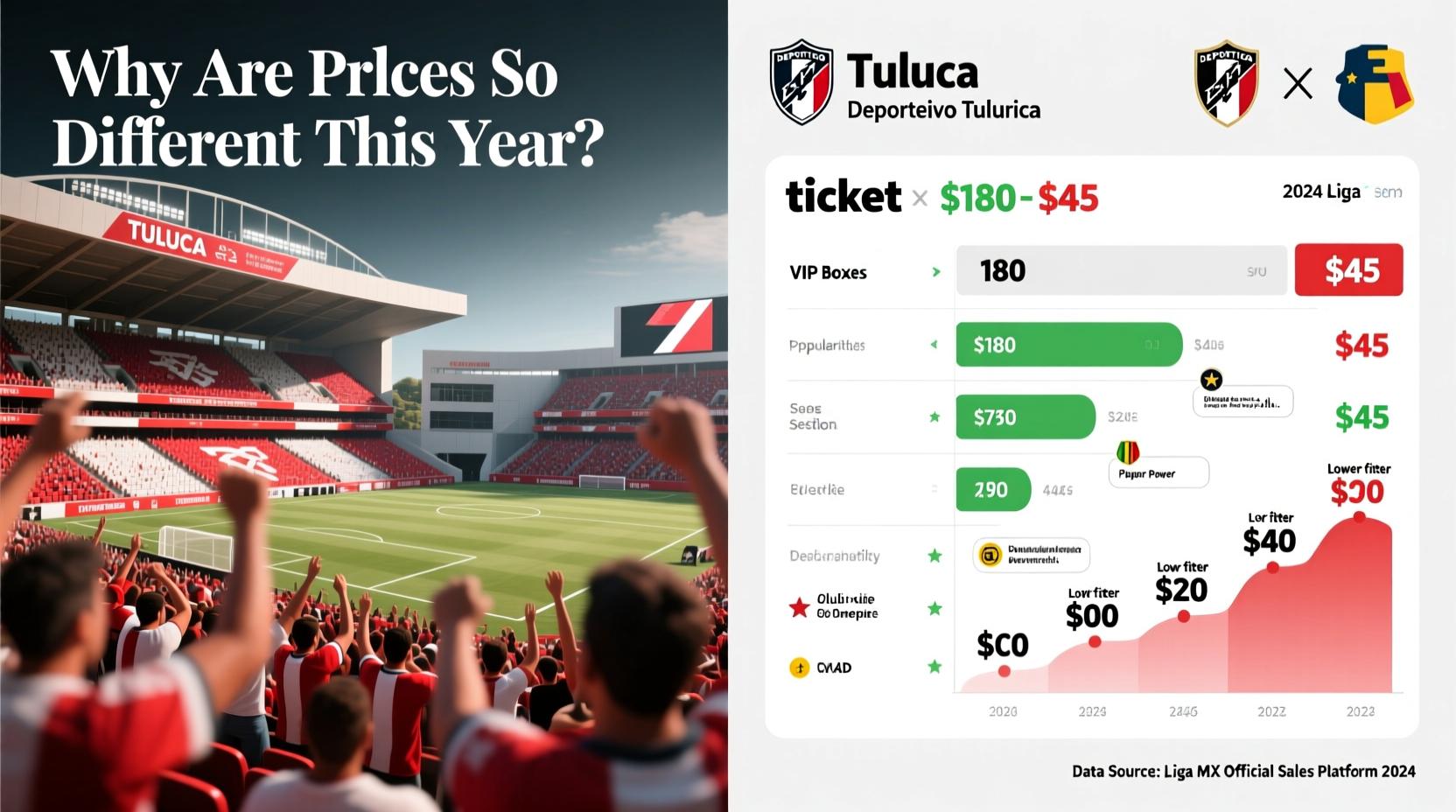
At the heart of the price difference lies a simple principle: supply and demand. Club América consistently ranks as one of the most popular teams in Mexico, boasting a massive national fanbase. Matches against high-profile opponents like Toluca, especially when held at Estadio Azteca, attract thousands of traveling supporters and neutral fans eager to witness a classic rivalry.
In contrast, Toluca, while historically strong, does not command the same nationwide following. When the game is hosted at Estadio Nemesio Díez, the local demand remains strong but more contained. However, when América plays away in Toluca, their fans often travel in large numbers, inflating demand for limited seating and driving up prices—particularly through unofficial channels.
Tip: Purchase tickets as early as possible during official sales windows to avoid inflated resale prices driven by peak demand.A 2023 survey by Fans de Fútbol MX found that over 65% of América fans were willing to pay double the face value for tickets to a Toluca clash if it meant attending in person. That level of willingness to pay gives clubs and ticketing platforms leverage to implement tiered and dynamic pricing strategies.
Venue and Capacity Constraints
The location of the match significantly impacts pricing. Estadio Azteca, with a capacity of over 87,000, can accommodate more fans, which might suggest lower prices due to higher supply. But its sheer size also makes it a magnet for high-stakes matches, media attention, and VIP experiences—all of which introduce premium-priced options.
Conversely, Estadio Nemesio Díez holds approximately 27,000 spectators. With fewer available seats and rising interest from América supporters, the scarcity effect kicks in. Limited availability means even mid-tier seats can be priced well above historical averages.
| Venue | Capacity | Avg. Ticket Price (2023) | Price Increase vs. 2022 |
|---|---|---|---|
| Estadio Azteca (América home) | 87,523 | $85 USD | +22% |
| Estadio Nemesio Díez (Toluca home) | 27,227 | $72 USD | +34% |
The data shows that while Azteca has higher absolute prices, Toluca’s smaller stadium saw a sharper percentage increase—proof that capacity constraints amplify price sensitivity.
Pricing Models: From Fixed to Dynamic
Gone are the days when all tickets had fixed prices set months in advance. Today, both clubs use dynamic pricing algorithms similar to those in airlines and concerts. These systems adjust prices in real time based on:
- How quickly tickets are selling
- Historical demand for specific matchups
- Day of the week and kickoff time
- Expected TV viewership and sponsorship exposure
For example, when initial sales for the Toluca vs América fixture showed rapid uptake in the first 48 hours, automated systems increased prices on remaining inventory by up to 40%. This benefits the clubs financially but leaves late buyers facing steep costs.
“Dynamic pricing allows us to maximize revenue during peak-demand events while rewarding early buyers with better rates.” — Carlos Méndez, Ticketing Director at Liga MX
This model explains why two fans buying tickets for the same section just days apart could end up paying dramatically different amounts.
Secondary Market Inflation and Scalping
Even with official price increases, the real shock often comes from the secondary market. Platforms like Viagogo, StubHub, and local resellers frequently list Toluca vs América tickets at 2–3 times their original cost, particularly for sold-out games or last-minute purchases.
In one documented case from March 2024, an official $60 general admission ticket was resold for $195 just 24 hours before kickoff. The buyer, a lifelong América supporter from Monterrey, said he had no choice: “I’ve waited years to see this game live. If I don’t go now, who knows when they’ll play again under these conditions?”
This emotional urgency is exploited by scalpers who purchase blocks of tickets during public sales and flip them at a profit. Unlike regulated markets, many online platforms do not verify seller legitimacy, enabling unchecked price gouging.
Mini Case Study: The Last-Minute Buyer
Juan, a Toluca resident and América fan, waited until the week of the match to buy tickets. He assumed prices would drop closer to game day. Instead, he found that official stock had sold out, and third-party sites were charging $150+ for side-stand seats. By acting late, Juan paid 180% more than fans who bought three weeks earlier. His experience underscores the risk of procrastination in high-demand fixtures.
Strategies to Secure Better Prices
Despite the challenges, savvy fans can still access affordable tickets by adopting strategic habits. Here’s how:
- Buy during presales: Club members and season ticket holders often get early access at standard rates.
- Monitor official channels: Follow both clubs’ social media and email lists for flash sales or bundled offers.
- Avoid third-party markups: Stick to official vendors like Boletia, Ticketmaster México, or club websites.
- Consider group discounts: Some venues offer reduced rates for groups of 6+.
- Choose weekday or afternoon matches: These typically have lower demand and pricing than weekend night games.
Checklist: How to Buy Smart
- ✅ Confirm the match date and venue immediately after scheduling
- ✅ Sign up for club membership if you plan to attend multiple games
- ✅ Check official websites daily starting two weeks before sale launch
- ✅ Have payment ready to avoid cart expiration during high-traffic sales
- ✅ Compare total cost (including fees) across platforms before purchasing
- ❌ Never buy from unverified sellers or social media strangers
Frequently Asked Questions
Why are some tickets priced so high if the stadium isn’t full?
High prices don’t always reflect full attendance. Clubs often hold back inventory for corporate packages, sponsors, or last-minute VIP sales, reducing public supply and keeping prices elevated even if the stadium isn’t packed.
Do ticket prices include service fees?
No, most online purchases add significant service, delivery, and convenience fees—sometimes increasing the final cost by 25–35%. Always review the total at checkout.
Can ticket prices drop closer to the match?
Rarely for marquee matchups like Toluca vs América. While unsold inventory might be released at discount, demand usually keeps prices stable or rising. Waiting is generally a losing strategy.
Conclusion: Make Informed Choices, Maximize Value
The widening gap in Toluca vs América ticket prices this year reflects broader trends in sports economics: growing commercialization, data-driven pricing, and passionate fanbases willing to pay premiums for live experiences. While the changes benefit clubs and broadcasters, they challenge ordinary supporters who must navigate an increasingly complex marketplace.
But knowledge is power. By understanding the forces behind pricing—from venue limits to resale tactics—you gain control over your spending and experience. Whether you’re a die-hard fan or a casual spectator, smart planning and timely action can help you enjoy one of Mexico’s greatest football rivalries without financial regret.
💬 Have you experienced drastic price differences buying tickets this season? Share your story or tips in the comments—your insight could help fellow fans make better choices next time.