Ground cumin is one of the most widely used spices in global cuisine, prized for its earthy warmth, distinctive aroma, and ability to deepen the complexity of savory dishes. From Mexican tacos to Indian curries and Middle Eastern falafel, this humble spice plays a foundational role in seasoning profiles across continents. Understanding how to use ground cumin effectively—when to add it, how much to use, and what to pair it with—can elevate everyday meals from bland to exceptional. Beyond its culinary value, modern research supports traditional claims about its health-promoting properties, including digestive support and antioxidant activity. This comprehensive guide explores every aspect of ground cumin: its origin, flavor chemistry, practical applications, variations, and long-term kitchen utility.
Definition & Overview
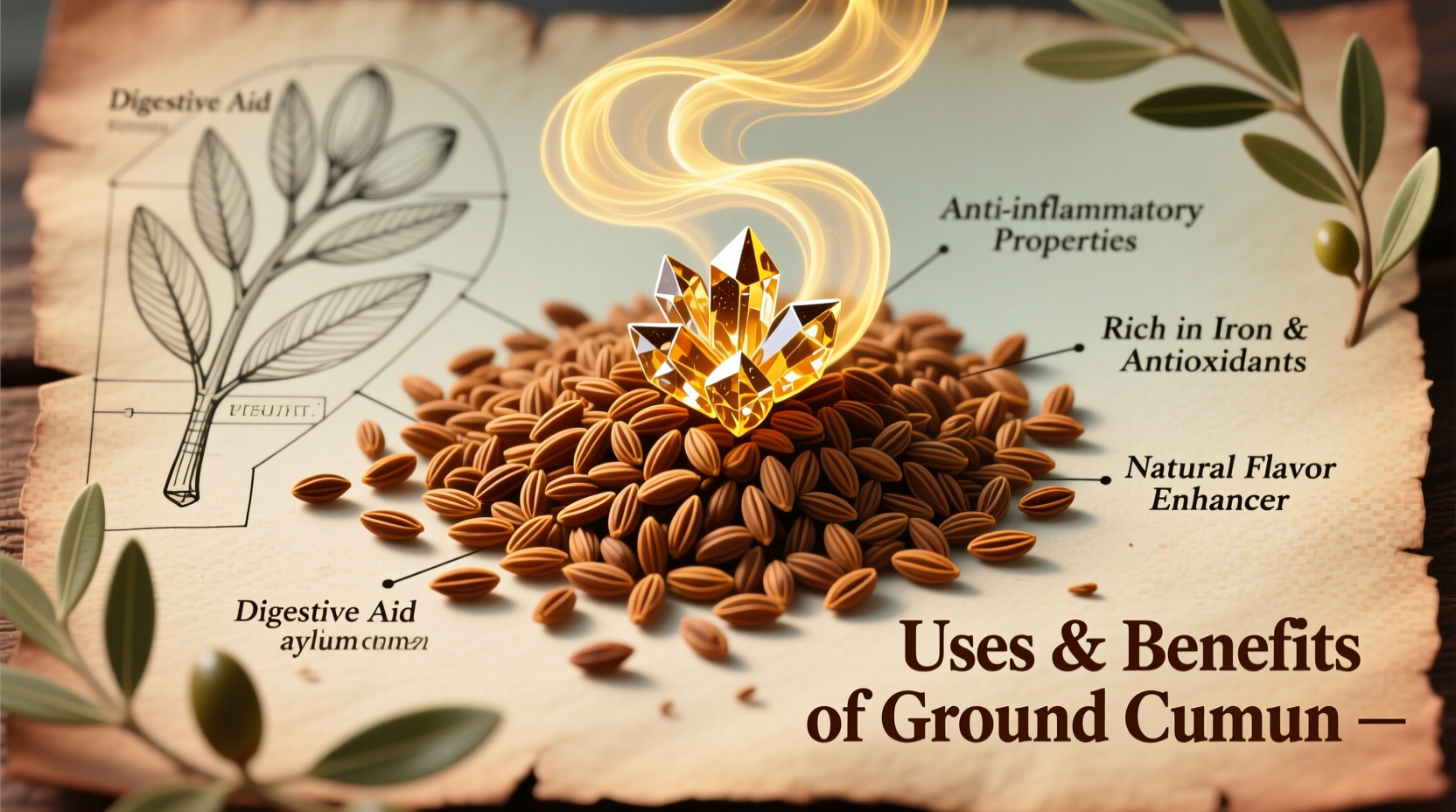
Ground cumin is produced by grinding the dried seeds of Cuminum cyminum, a flowering plant in the Apiaceae family, which also includes parsley, coriander, and caraway. Native to the eastern Mediterranean and South Asia, cumin has been cultivated for over 5,000 years and appears in ancient Egyptian, Persian, and Indian texts as both a spice and medicinal herb. The seeds are small, elongated, and ridged, ranging in color from light tan to golden brown. Once milled into powder, they release a warm, slightly bitter, nutty aroma with subtle citrus and peppery undertones.
In culinary terms, ground cumin functions as a base seasoning rather than a background note. It’s rarely used alone but forms part of essential spice blends such as garam masala (India), chili powder (Mexico), baharat (Middle East), and ras el hanout (North Africa). Its solubility in oil allows it to infuse dishes at the earliest stages of cooking, building depth before other ingredients are added. Unlike whole cumin seeds, which offer bursts of flavor when chewed, ground cumin disperses evenly throughout a dish, ensuring consistent seasoning.
Key Characteristics
| Attribute | Description |
|---|---|
| Flavor Profile | Earthy, warm, slightly bitter, with hints of citrus and toasted nuts; develops sweetness when bloomed in fat. |
| Aroma | Pungent, roasted, mildly smoky; intensifies when heated in oil. |
| Color | Light to medium tan; imparts a golden hue to sauces and stews. |
| Heat Level | None (non-pungent); contributes warmth through aromatic compounds, not capsaicin. |
| Culinary Function | Base seasoning, flavor enhancer, aroma builder, browning agent in spice pastes. |
| Shelf Life | 6–12 months at room temperature; degrades faster when exposed to light, heat, or moisture. |
| Solubility | Oil-soluble; best released when cooked in fat (e.g., olive oil, ghee). |
Practical Usage: How to Use Ground Cumin in Cooking
Ground cumin performs optimally when introduced early in the cooking process, particularly during the sautéing of aromatics like onions, garlic, and ginger. Heating the spice in oil—known as “blooming” or “toasting”—activates its volatile oils, unlocking deeper layers of flavor that raw addition cannot achieve. A typical sequence in Indian or Middle Eastern cooking involves heating oil, adding onions until translucent, then stirring in ground cumin (and often turmeric, coriander, or paprika) for 30–60 seconds before adding liquids or proteins.
For home cooks, a standard starting ratio is **½ to 1 teaspoon per four servings** in soups, stews, or grain dishes. In spice-heavy preparations like chili or curry, up to 2 teaspoons may be appropriate. Overuse can result in bitterness, so balance with sweet elements (tomatoes, carrots, coconut milk) or acid (lemon juice, vinegar) to round out the palate.
Common applications include:
- Bean Dishes: Essential in black bean soup, lentil dal, and hummus for depth and digestion support.
- Meat Rubs: Blends well with smoked paprika, garlic powder, and oregano for grilled chicken, beef, or lamb.
- Sauces & Stews: Foundational in enchilada sauce, chana masala, and Moroccan tagines.
- Vegetable Roasting: Toss potatoes, cauliflower, or carrots with olive oil, salt, and ¾ tsp ground cumin before roasting.
- Dressings & Marinades: Adds complexity to vinaigrettes and yogurt-based marinades for kebabs.
Pro Tip: Bloom ground cumin in warm oil for 45 seconds before adding liquids. This prevents clumping and maximizes flavor extraction. For restaurant-style intensity, toast whole cumin seeds lightly in a dry pan, then grind them fresh using a mortar and pestle or spice grinder.
Variants & Types
While ground cumin refers specifically to milled Cuminum cyminum, several related products exist that vary in form, origin, and application:
- Whole Cumin Seeds: Retain flavor longer than ground form. Ideal for tempering (tadka) in Indian cooking or pickling brines where texture matters.
- Roasted Ground Cumin: Pre-toasted during processing, offering a deeper, smokier profile. Suitable for quick-cooking dishes where blooming isn’t feasible.
- Black Cumin (Kalonji): Not true cumin; derived from Nigella sativa. Smaller, darker seeds with an onion-like bite. Used in naan bread and Bengali panch phoron blend.
- White Cumin: Another name for regular cumin, typically referring to lighter-hued varieties grown in the Mediterranean.
- Blended Forms: Often combined with salt, garlic, or chili in commercial mixes like taco seasoning or curry powder.
| Type | Best Used For | Storage Advantage |
|---|---|---|
| Ground Cumin | Even dispersion in soups, sauces, rubs | Less shelf-stable; use within 6 months |
| Whole Seeds | Tempering, pickling, artisanal grating | Lasts 2+ years; superior longevity |
| Freshly Ground (from whole) | High-end curries, signature dishes | Peak aroma; grind as needed |
Comparison with Similar Ingredients
Ground cumin is frequently confused with other warm, earthy spices due to overlapping flavor notes and regional usage. Understanding distinctions ensures accurate substitution and better recipe outcomes.
| Spice | How It Differs from Ground Cumin | Substitution Possible? |
|---|---|---|
| Ground Coriander | Milder, citrusy, sweeter; lacks cumin’s sharp earthiness | Limited; use ¾ tsp coriander + pinch cumin if missing |
| Caraway Seeds | Sharper, more anise-like; common in rye bread and European sauerkraut | Not ideal; distinct flavor despite visual similarity |
| Turmeric | Blandly earthy, bright yellow; adds color more than flavor | No—adds hue but no cumin character |
| Garam Masala | Complex blend containing cumin plus cinnamon, cardamom, cloves | Partial—contains cumin but adds sweetness and heat |
| Chili Powder | Usually contains ground cumin + cayenne, garlic, oregano | Yes, but expect added heat and garlic notes |
\"Cumin is the backbone of flavor in many global cuisines. When I teach students about spice layering, I always start with cumin because it teaches them how a single ingredient can anchor an entire dish.\" — Chef Leila Nassar, Culinary Instructor, Dubai Institute of Culinary Arts
Practical Tips & FAQs
Does ground cumin go bad?
It doesn’t spoil in the microbial sense, but it loses potency over time. After six months in a warm, sunny cabinet, ground cumin may smell faint or musty. Store in an airtight container away from heat and light. To test freshness, rub a pinch between your fingers and inhale: vibrant, roasted notes indicate viability; dullness means replacement.
Can I substitute whole cumin seeds for ground?
Yes. Use **1 teaspoon whole seeds** in place of **¾ teaspoon ground cumin**. Toast the seeds lightly in a dry skillet until fragrant, then crush with a mortar and pestle or roll with a bottle. Whole seeds provide intermittent bursts of flavor, while ground offers uniform distribution.
Is ground cumin spicy?
No. Despite its warming sensation, cumin contains no capsaicin. The perceived \"heat\" comes from aromatic volatiles like cuminaldehyde, which stimulate olfactory receptors associated with warmth, not pain.
What dishes absolutely require ground cumin?
Authentic versions of these dishes rely on cumin for authenticity:
- Chili con carne
- Indian dals and rajma (kidney bean curry)
- Mexican mole negro
- Tunisian merguez sausage
- Lebanese kibbeh
How does toasting affect ground cumin?
Toasting pre-ground cumin risks burning due to fine particle size. Instead, bloom it in oil. If enhancing store-bought ground cumin, stir it into hot oil for 30–45 seconds, just until fragrant—do not let it smoke.
Are there health benefits to consuming ground cumin?
Clinically studied for several properties:
- Digestive Aid: Stimulates salivary and pancreatic enzymes; traditionally used to relieve bloating.
- Antioxidant Content: Rich in phenolic compounds that combat oxidative stress.
- Iron Source: One tablespoon provides nearly 20% of daily iron needs—valuable in plant-based diets.
- Blood Sugar Regulation: Some trials suggest improved glucose metabolism with regular intake (typically 1–3 grams/day).
Note: These effects are observed with dietary inclusion, not supplementation. Consult a healthcare provider before using cumin therapeutically.
Can you freeze ground cumin?
Freezing is unnecessary and risks moisture absorption. Keep in a cool, dark cupboard. For long-term preservation (over one year), whole seeds frozen in vacuum-sealed bags maintain quality far better than ground form.
Kitchen Hack: Create a flavor-boosting cumin oil by heating ¼ cup neutral oil with 2 tablespoons ground cumin over low heat for 3 minutes. Strain and store in a glass dropper bottle. Drizzle over hummus, roasted vegetables, or grain bowls for instant depth.
Summary & Key Takeaways
Ground cumin is a cornerstone spice with unmatched versatility in global cooking. Its warm, earthy flavor enhances legumes, meats, vegetables, and sauces, especially when bloomed in oil early in the cooking process. While available pre-ground, optimal flavor comes from toasting whole seeds and milling them fresh. Though often mistaken for coriander or caraway, cumin has a unique sensory profile defined by roasted, slightly bitter notes balanced by citrus undertones.
From a practical standpoint, maintaining a supply of high-quality ground cumin requires attention to storage—keep it sealed and away from sunlight. Use within six months for peak performance. In the pantry, it pairs naturally with coriander, garlic, chili, and turmeric, forming the base of countless international spice blends.
Health-wise, cumin contributes meaningful levels of iron and antioxidants, supports digestion, and may aid metabolic function when consumed regularly as part of a balanced diet. However, its primary value remains culinary: few spices deliver such profound depth with such economy.
Explore your spice drawer with new confidence—start with cumin, and build bold, layered flavors one dish at a time.