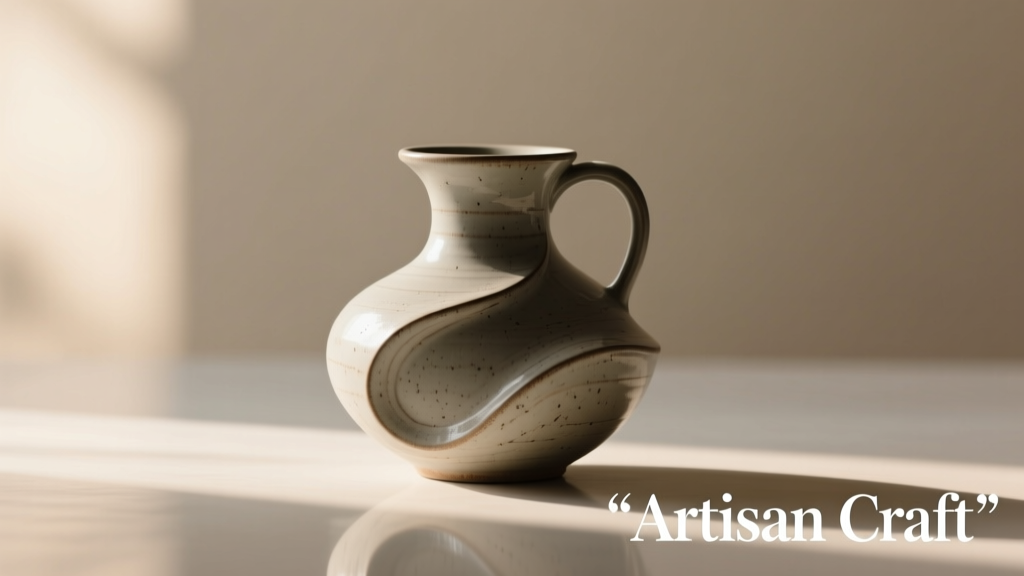
Types of Chinese Tea Urns
A tea urn is a vessel designed to keep water or tea at a consistent, drinkable temperature for extended periods. Used across homes, tea houses, and restaurants, these urns blend tradition with technology to serve tea efficiently and elegantly. While styles vary widely, all tea urns share the essential function of maintaining hot water—ideal for continuous tea service.
From ancient handcrafted designs to modern automated systems, Chinese tea urns reflect both cultural heritage and innovation. Below is a detailed overview of the most popular types, their materials, heating methods, and ideal applications.
Traditional Chinese Tea Urn
Crafted from cast iron or ceramic, these urns are renowned for even heat distribution and excellent heat retention.
Advantages
- Superior heat retention (stays warm for hours)
- Natural, even heating without hot spots
- Beautiful hand-painted designs with cultural motifs
- Long lifespan with proper care
Limitations
- Heavy and less portable
- Slower to heat without electricity
- Requires careful maintenance to prevent rust or cracking
Best for: Traditional tea ceremonies, family gatherings, cultural displays
Modern Chinese Tea Urn
Constructed from stainless steel or heat-resistant glass, these urns offer convenience and high capacity with advanced temperature controls.
Advantages
- Large capacity (ideal for groups)
- Adjustable temperature settings for different tea types
- Bottom dispensers prevent spills and improve safety
- Sleek, modern design fits commercial and home settings
Limitations
- Less cultural authenticity
- Higher energy consumption
- Potential for mineral buildup without regular cleaning
Best for: Restaurants, tea shops, offices, and large households
Chao Jiu Tea Urn
Carved from a single block of natural stone, this rare urn is heated internally with hot coals, making it ideal for off-grid or traditional settings.
Advantages
- Exceptional heat retention (can stay hot for over 12 hours)
- Made from durable, natural stone
- No electricity required
- Highly collectible and culturally significant
Limitations
- Extremely rare and difficult to source
- Very heavy and fragile if mishandled
- Requires skill to heat safely with coals
- Premium price due to craftsmanship and scarcity
Best for: Antique collectors, cultural preservation, remote tea houses in northern China
Automatic Tea Urn
Equipped with smart brewing technology, these urns automate the entire tea-making process from steeping to dispensing.
Advantages
- Minimal user intervention required
- Consistent brewing quality
- Ideal for high-volume service (hotels, banquets)
- Programmable settings for different tea types
Limitations
- Less personal touch in tea preparation
- Higher initial cost and maintenance
- May not suit delicate teas requiring precise manual control
Best for: Hotels, conferences, catering services, and busy commercial environments
Sencha Kyusu Tea Urn
Though Japanese in origin, this urn is sometimes used in Chinese tea culture, especially in regions with strong tea exchange traditions. Designed specifically for brewing sencha, it's made from ceramic, glass, or stainless steel.
Advantages
- Optimized for green tea brewing (ideal water temperature and steeping time)
- Available in both traditional and modern materials
- Compact and elegant design
- Can be heated via electricity or charcoal
Limitations
- Primarily suited for sencha and similar green teas
- Less common in mainstream Chinese markets
- May require specific accessories for optimal use
Best for: Green tea enthusiasts, cross-cultural tea settings, specialty tea bars
| Type | Material | Heating Method | Capacity | Best Use Case |
|---|---|---|---|---|
| Traditional Chinese Tea Urn | Cast Iron, Ceramic | Charcoal, Electric, Gas | Medium | Home use, tea ceremonies |
| Modern Chinese Tea Urn | Stainless Steel, Glass | Electric (temperature-controlled) | Large | Restaurants, offices |
| Chao Jiu Tea Urn | Natural Stone | Hot Coals | Medium | Rural settings, collectors |
| Automatic Tea Urn | Stainless Steel, Plastic (internal) | Electric (programmable) | Extra Large | Hotels, events |
| Sencha Kyusu Tea Urn | Ceramic, Glass, Stainless Steel | Electric or Charcoal | Small to Medium | Green tea brewing, specialty use |
Expert Tip: For traditional cast iron or stone urns, avoid sudden temperature changes to prevent cracking. Always pre-warm the urn with warm water before adding boiling liquid or placing it near direct heat sources.
Cultural Note: The design and use of tea urns reflect the deep-rooted philosophy of harmony, respect, and tranquility in Chinese tea culture. Whether using a centuries-old stone urn or a high-tech automatic model, the ritual of serving tea remains a symbol of hospitality and mindfulness.
Features of Chinese Tea Urns
Chinese tea urns are more than just functional vessels—they are a blend of tradition, craftsmanship, and modern innovation. When selecting the best Chinese tea urn, it's essential to consider key features that influence durability, performance, ease of use, and aesthetic appeal. These factors directly impact how effectively the urn maintains tea at the ideal temperature and how long it lasts with regular use.
Key Features to Consider in a Chinese Tea Urn
Material Composition
Chinese tea urns are crafted from a variety of materials, each offering distinct benefits in terms of heat retention, durability, and visual appeal. Common materials include cast iron, ceramic, stainless steel, glass, and natural stone.
Cast iron urns are prized for their excellent heat retention and traditional aesthetic, often used in ceremonial tea settings. Ceramic models offer a classic look with moderate insulation and are frequently hand-decorated. Stainless steel is durable, rust-resistant, and easy to clean—ideal for commercial or daily household use. Glass urns allow users to observe the brewing process and are often paired with electric heating elements. Stone urns, though less common, provide natural insulation and a rustic elegance.
The best material depends on your priorities: tradition and ambiance (cast iron, ceramic), practicality and longevity (stainless steel), or visual appeal (glass).
Heating Method
Traditional Chinese tea urns were heated using coal, charcoal, or open flame, providing a slow, even heat that enhances the tea-drinking experience with a sense of ritual. These methods are still used in authentic tea ceremonies for their cultural significance and gentle warming effect.
In modern settings, electric tea urns dominate the market due to their convenience, safety, and consistent temperature control. Many electric models feature built-in thermostats and automatic shut-off functions, making them ideal for homes, offices, and hospitality environments. Advanced versions allow precise temperature adjustments via digital controls, eliminating the guesswork involved in boiling water to the perfect degree for delicate green teas or robust black teas.
Capacity and Size
Chinese tea urns come in a wide range of capacities, from compact 1-liter models suitable for personal use to large 5-liter or larger urns designed for family gatherings, restaurants, or banquets.
The most popular size among consumers is around 2 liters—a practical balance between serving capacity and portability. This size comfortably serves 6–8 people and is light enough to carry or refill without difficulty. Larger urns are ideal for commercial use but may require more counter space and careful handling due to weight when full.
Consider your typical usage scenario: small households may prefer 1–2 liters, while event hosts or tea houses might benefit from 3+ liter models.
Design and Aesthetics
Traditional Chinese tea urns are renowned for their artistic craftsmanship. Many feature hand-painted designs depicting landscapes, floral patterns, dragons, phoenixes, or calligraphy—symbols deeply rooted in Chinese culture and philosophy. Glazed finishes, such as celadon or white porcelain, enhance their elegance and make them suitable as decorative pieces.
Modern tea urns blend functionality with sleek, minimalist designs that complement contemporary kitchens and offices. While aesthetics remain important, today’s models often prioritize user-friendly features like ergonomic handles, compact footprints, and intuitive controls. The best designs strike a balance between visual appeal and practicality, ensuring the urn enhances both the tea experience and the space it occupies.
Temperature Control
Precise temperature control is one of the most critical features of a high-quality Chinese tea urn. Different types of tea require specific brewing temperatures to unlock their full flavor and health benefits:
- Green Tea: 70–80°C (158–176°F)
- White Tea: 80–85°C (176–185°F)
- Oolong Tea: 85–95°C (185–203°F)
- Black Tea: 95–100°C (203–212°F)
- Herbal Infusions: 100°C (212°F)
Advanced electric tea urns offer programmable settings that allow users to select the ideal temperature for each tea type. Some models even include keep-warm functions that maintain the set temperature for hours, ensuring tea stays fresh and drinkable throughout the day.
Dispenser Mechanism
Many modern Chinese tea urns are equipped with built-in dispensers—either a spigot or a push-button pump system—that allow for easy, mess-free pouring. This feature is especially valuable in high-traffic environments like restaurants, hotels, tea rooms, or during family gatherings.
Spigots are typically more durable and require no electricity, making them reliable for both electric and traditional urns. Pump dispensers offer greater convenience and hygiene, minimizing contact with the urn. However, they may require periodic cleaning to prevent clogging, especially if hard water is used.
When choosing a dispenser model, ensure it is leak-proof, easy to operate, and made from food-safe materials.
Ease of Cleaning and Maintenance
Regular use of a tea urn can lead to mineral buildup (from hard water), tea stains, or residue accumulation—particularly in models with dispensers or narrow openings. Over time, this can affect taste, hygiene, and performance.
To simplify cleaning, look for urns with removable parts such as lids, heating elements, or dispensers. Smooth, non-porous interiors (common in stainless steel and glass models) are easier to wipe clean and resist staining. Avoid abrasive cleaners on ceramic or cast iron urns, which can damage glazes or promote rust.
Some electric models include self-cleaning or descaling functions. Regardless of type, regular descaling with vinegar or citric acid helps maintain efficiency and prolongs the urn’s lifespan.
Additional Considerations
Other useful features include:
- Insulation: Double-walled or vacuum-insulated urns retain heat longer and reduce external surface temperature for safety.
- Safety Features: Auto shut-off, boil-dry protection, and cool-touch exteriors enhance user safety, especially in homes with children.
- Portability: Lightweight designs with handles or carrying grips make refilling and moving the urn easier.
- Energy Efficiency: Modern electric urns with energy-saving modes reduce power consumption during extended keep-warm periods.
| Feature | Best For | Tips for Selection |
|---|---|---|
| Material | Durability & Aesthetics | Choose cast iron/ceramic for tradition; stainless steel/glass for ease of maintenance |
| Heating Method | Convenience & Control | Electric for homes/offices; traditional fire/coal for ceremonial use |
| Capacity | Usage Scale | 1–2L for personal/family use; 3L+ for events or commercial settings |
| Temperature Control | Brew Quality | Select models with adjustable settings for different tea types |
| Dispenser Type | Convenience | Spigot for durability; pump for hygiene and ease of use |
| Ease of Cleaning | Long-Term Maintenance | Opt for removable parts and smooth interiors; avoid hard-to-reach crevices |
Important: Always follow the manufacturer’s care instructions to maintain your tea urn’s performance and safety. Regular descaling, proper cleaning, and avoiding dry heating are essential practices. Using the wrong cleaning agents or neglecting maintenance can damage the urn, affect tea flavor, and pose safety risks. Investing in a high-quality, well-featured tea urn ensures a superior tea experience for years to come.
How to Choose Chinese Tea Urns
Selecting the right Chinese tea urn for your clients involves more than just aesthetics—it's about balancing tradition, functionality, material quality, and practical use. Whether for a home kitchen, a commercial teahouse, or a luxury hotel, understanding the key selection criteria ensures optimal performance, longevity, and an authentic tea experience.
Material Quality & Characteristics
Chinese tea urns are crafted from a variety of materials, each influencing heat retention, flavor development, and maintenance. The choice of material significantly affects both the brewing process and the overall tea experience.
- Cast Iron: Excellent heat retention and durability. Ideal for slow, consistent brewing. Over time, it can subtly enhance the depth of aged teas like Pu-erh. Requires seasoning and careful drying to prevent rust.
- Ceramic: Offers even heat distribution and a traditional aesthetic. Glazed interiors are easy to clean and non-reactive, preserving tea purity. Often hand-painted, making each piece unique.
- Stainless Steel: Highly hygienic, corrosion-resistant, and low-maintenance. Does not alter tea flavor and is perfect for commercial environments where cleanliness and durability are paramount.
- Glass: Allows visual monitoring of tea infusion. Non-porous and flavor-neutral, but more fragile and less effective at heat retention.
- Stone (e.g., soapstone or granite): Naturally insulating and prized in traditional settings. Can subtly mellow strong teas over time, enhancing smoothness and complexity.
Expert Tip: For premium tea service, consider cast iron or ceramic urns; for high-volume or hygiene-sensitive environments, stainless steel is ideal.
Design & Aesthetic Appeal
The design of a tea urn reflects both functionality and cultural significance. Modern and traditional styles serve different purposes and appeal to distinct customer preferences.
- Traditional Designs: Often feature intricate carvings, dragon motifs, or calligraphy, reflecting Chinese heritage. These are favored in tea ceremonies and upscale cultural venues but may require more careful handling and cleaning.
- Modern & Minimalist: Sleek, ergonomic designs with easy-to-use spigots, removable infusers, and temperature indicators. Ideal for restaurants, hotels, and daily home use where efficiency is key.
- Hybrid Models: Combine traditional aesthetics with modern features like electric heating and digital controls, offering the best of both worlds.
Key Insight: Match the urn’s design to the client’s environment—traditional for cultural authenticity, modern for practicality.
Size & Capacity
Choosing the right size ensures efficient service without waste or overcrowding. Consider both physical space and brewing volume needs.
- Small (1–3 liters): Perfect for home use, small tea shops, or personal tea rituals. Compact and easy to store.
- Medium (4–8 liters): Suitable for mid-sized cafes, offices, or family gatherings. Balances capacity with manageability.
- Large (9+ liters): Designed for restaurants, banquet halls, or commercial teahouses. Requires ample counter space and often comes with stands or trolleys.
Pro Tip: Measure available space and estimate daily tea consumption to avoid under- or over-sizing.
Heating Method & Temperature Control
The heating system impacts convenience, precision, and authenticity of the tea experience.
- Electric/Automatic: Offers precise temperature settings, timers, and keep-warm functions. Ideal for consistent service in commercial settings and for users who value convenience.
- Stove-Top (Gas/Electric): Requires manual monitoring but allows for traditional brewing techniques. Compatible with cast iron and ceramic urns.
- Charcoal or Solid Fuel: Used in ceremonial or authentic tea houses. Provides gentle, radiant heat that enhances certain tea profiles but requires supervision and ventilation.
Note: Electric models are recommended for safety and ease of use in most modern environments.
Budget & Value Considerations
Cost varies widely based on material, craftsmanship, and technology. Helping clients understand long-term value is essential.
- Budget-Friendly: Stainless steel or basic ceramic urns offer reliable performance at lower prices—ideal for startups or high-turnover environments.
- Mid-Range: Well-crafted cast iron or glazed ceramic urns with some traditional detailing. Good balance of quality and cost.
- Premium: Handmade, artisanal pieces with intricate designs or advanced electric features. Suitable for luxury hotels, collectors, or cultural institutions.
Smart Investment: Higher initial cost often means longer lifespan, better heat management, and enhanced tea quality.
Usage Environment & Maintenance
Consider where and how the urn will be used to ensure durability and ease of care.
- Commercial kitchens benefit from dishwasher-safe, durable materials like stainless steel.
- Home users may prefer hand-wash-only artisan pieces that require gentle care.
- Tea ceremony spaces often prioritize authenticity over convenience, accepting more involved cleaning routines.
- Ensure proper ventilation for charcoal or stove-top models, especially in enclosed spaces.
Maintenance Tip: Regular descaling and drying prevent mineral buildup and prolong the life of any urn.
Professional Recommendation: For most clients, recommend a mid-tier electric ceramic or cast iron urn with temperature control. It offers a balance of tradition, functionality, and ease of use. For commercial clients, prioritize stainless steel models with large capacity and safety certifications. Always advise clients to consider total cost of ownership—including energy use, maintenance, and expected lifespan—rather than just the upfront price.
| Client Type | Recommended Material | Capacity Range | Heating Method | Lifespan Expectancy |
|---|---|---|---|---|
| Home Enthusiast | Ceramic or Cast Iron | 1–3 L | Stove-top or Electric | 5–10 years |
| Small Tea Shop | Stainless Steel | 4–6 L | Electric | 7–12 years |
| Luxury Hotel | Artisan Ceramic or Hybrid | 6–10 L | Electric with Controls | 8–15 years |
| Tea Ceremony Venue | Cast Iron or Stone | 3–8 L | Charcoal or Stove-top | 10+ years (with care) |
Additional Considerations
- Warranty & Support: Reputable brands offer warranties, especially on electric components, reflecting product confidence.
- Flavor Neutrality: Non-reactive materials like glass and stainless steel preserve the true taste of delicate teas like green or white tea.
- Ease of Cleaning: Look for removable infusers, wide openings, and smooth interiors to reduce maintenance time.
- Safety Features: Auto-shutoff, boil-dry protection, and cool-touch exteriors are essential for electric models in busy environments.
- Cultural Authenticity: For clients valuing tradition, consider urns from renowned regions like Yixing (for clay) or Jingdezhen (for porcelain).
Expert Tips for Using Chinese Tea Urns Effectively
Chinese tea urns, also known as tea dispensers or large-capacity tea kettles, are essential tools in traditional tea ceremonies and modern tea service alike. Designed for brewing and serving tea in large quantities, they are ideal for gatherings, restaurants, and tea houses. To ensure optimal flavor, longevity, and hygiene, proper use and care are essential. This comprehensive guide provides detailed suggestions for maximizing the performance and enjoyment of your Chinese tea urn.
Important Note: Always use filtered or spring water when brewing tea to avoid impurities that can affect taste and build up mineral deposits in the urn. Avoid using harsh detergents or abrasive scrubbers that could damage the interior surface.
Step-by-Step Guide to Using a Chinese Tea Urn
- Preparation: Preheating for Optimal Temperature Control
Begin by preheating the tea urn with hot water before brewing. This crucial step stabilizes the internal temperature of the urn, preventing sudden heat loss when brewing begins. Preheating also warms the serving vessel, ensuring that the first cup served maintains the ideal drinking temperature. For best results, fill the urn with hot water, swirl gently, and discard before adding tea leaves or beginning infusion.
- Brewing: Awakening the Tea Leaves
Place high-quality loose-leaf tea into a teapot, gaiwan, or built-in tea filter (if your urn has one). Use water from the preheated urn to briefly rinse the tea leaves—a process known as "washing" or "awakening" the tea. This step removes any dust, opens up the leaves, and enhances the release of essential oils and aromatic compounds. Discard this rinse water or use it to pre-warm teacups for a ceremonial touch.
- Infusion: Mastering Water Temperature and Steeping Time
Use water from the urn at the appropriate temperature for the type of tea being brewed—lower temperatures (70–80°C) for green or white teas, higher temperatures (90–100°C) for oolong, black, or pu-erh. Pour the hot water evenly over the tea leaves to ensure full submersion. Cover the urn with its lid to retain heat and promote even extraction. Steep according to the tea variety: 1–3 minutes for green tea, 3–5 minutes for oolong, and 5+ minutes for aged pu-erh.
- Serving: Elegant and Efficient Tea Presentation
Once steeped, serve the tea immediately to preserve flavor and aroma. Lift the lid carefully to avoid condensation dripping into the tea. Pour smoothly into pre-warmed cups or a serving pitcher (cha hai). If your urn features a built-in tap or dispenser, use it to control flow and serve guests efficiently, especially during formal tea ceremonies or large events.
- Refilling: Maximizing Multiple Steepings
One of the greatest advantages of a Chinese tea urn is its capacity for multiple infusions. High-quality teas like oolong and pu-erh can be steeped several times, with each infusion revealing new layers of flavor. After each round, simply refill the urn with freshly heated water at the correct temperature. Monitor the strength of each brew and adjust steeping time accordingly to maintain balance and depth.
- Cleansing: Maintaining Purity and Longevity
After each use, thoroughly clean the urn with warm water—never soap, which can leave residues and absorb into porous materials like clay or ceramic. For stainless steel or glass urns, mild vinegar solution can be used occasionally to remove mineral buildup. Dry completely before storage to prevent mold or odors. Regular cleansing preserves the integrity of future brews and extends the life of your urn.
| Tea Type | Recommended Water Temp | Steeping Duration | Infusion Potential |
|---|---|---|---|
| Green Tea | 70–80°C (158–176°F) | 1–3 minutes | 2–3 infusions |
| White Tea | 80–85°C (176–185°F) | 3–5 minutes | 3–4 infusions |
| Oolong Tea | 85–95°C (185–203°F) | 3–5 minutes | 5–7+ infusions |
| Black Tea | 95–100°C (203–212°F) | 3–5 minutes | 2–3 infusions |
| Pu-erh Tea (Aged) | 95–100°C (203–212°F) | 5+ minutes | 7–10+ infusions |
Expert Tip: For traditional gongfu-style brewing, consider pairing your tea urn with small clay or porcelain teapots. This allows for concentrated brewing and precise control over each infusion, enhancing the complexity and aroma of premium teas.
Additional Care and Usage Recommendations
- Use a tea strainer if your urn lacks a built-in filter to prevent leaves from entering the serving stream
- Store the urn with the lid slightly ajar to allow airflow and prevent musty odors
- Avoid leaving brewed tea in the urn for extended periods to prevent over-extraction and bitterness
- Season clay or Yixing-style urns with a single tea type to develop flavor complexity over time
- Inspect rubber seals and taps regularly for wear or leakage, especially in urns with dispensers
- Label your urn if used for specific tea types to maintain flavor purity
By following these expert suggestions, you can elevate your tea experience and make the most of your Chinese tea urn. Whether hosting a formal tea ceremony or enjoying a quiet moment with guests, proper technique and maintenance ensure every cup is rich in flavor, aroma, and tradition. With care, a high-quality tea urn can become a cherished centerpiece in your tea practice for years to come.
Frequently Asked Questions About Chinese Tea Urns
Q1: How does one clean a Chinese tea urn?Cleaning a Chinese tea urn properly is essential for maintaining its performance, appearance, and longevity. The method varies significantly depending on the material used in its construction:
- Stainless Steel or Glass Urns: These are the easiest to maintain. Wash with warm water and mild dish soap using a soft sponge or cloth. Avoid abrasive scrubbers to prevent scratching. Rinse thoroughly and dry immediately to prevent water spots.
- Ceramic Urns: Handle with care to avoid chipping. Use a non-abrasive cleaner or a paste made from baking soda and water for gentle scrubbing. Avoid sudden temperature changes (e.g., pouring cold water into a hot urn) to prevent cracking.
- Cast Iron or Iron Alloy Urns: These require special attention to prevent rust. Never soak them in water. Clean with a soft brush and minimal soap, then dry immediately with a towel and warm air. Some users recommend applying a light coat of food-safe mineral oil after drying to preserve the surface.
- Stone or Clay Urns (e.g., Yixing-style): These are porous and absorb flavors. Clean only with hot water—never use soap. Allow the urn to air dry completely before storage to prevent mold or odor retention.
Regardless of material, always unplug electric models before cleaning and avoid submerging the base or electrical components in water. Regular descaling with a vinegar solution (1:3 vinegar to water) helps remove mineral buildup from hard water.
Q2: Do Chinese tea urns come with a warranty?Warranty coverage for Chinese tea urns varies widely based on the type, manufacturer, and point of purchase:
- Electric or Automatic Models: Most modern electric tea urns come with a manufacturer’s warranty, typically ranging from 1 to 2 years. This often covers defects in materials, workmanship, and electronic components like heating elements or control panels.
- Traditional Handcrafted Urns: Items made from ceramic, cast iron, or natural stone are often considered artisanal or collectible. Due to their handmade nature and susceptibility to damage from improper use, these may have limited or no warranty. Some sellers offer a short-term satisfaction guarantee instead.
- Imported vs. Domestic Brands: Imported models may have more limited warranty support unless purchased through authorized dealers. Always check the warranty terms before buying, especially when shopping online or from third-party vendors.
- Proof of Purchase: Retain your receipt or invoice, as it is usually required to claim warranty service.
For high-value or antique-style urns, consider checking with the seller about return policies, repair services, or authenticity certifications.
Q3: What is the average lifespan of a Chinese tea urn?The lifespan of a Chinese tea urn depends on several key factors including material quality, usage frequency, maintenance habits, and design type:
| Material / Type | Average Lifespan | Key Factors Influencing Longevity |
|---|---|---|
| Cast Iron, Stone, or High-Quality Ceramic | Decades to generations | Proper drying, avoiding thermal shock, and gentle cleaning help preserve integrity. |
| Stainless Steel | 10–20 years | Resistant to corrosion; lifespan reduced by limescale buildup if not descaled regularly. |
| Electric Models (with heating elements) | 5–10 years | Electronic components may fail over time; regular maintenance extends life. |
| Clay or Unglazed Porous Materials | 5+ years (with care) | Can develop cracks or odors if not dried properly; valued for seasoning over time. |
With attentive care—such as prompt drying, regular descaling, and avoiding physical impacts—even basic models can exceed their expected lifespan. Traditional urns often increase in value and usability over time as they develop a seasoned patina.
Q4: Can one use a Chinese tea urn outdoors?Yes, many Chinese tea urns are well-suited for outdoor use, particularly traditional models designed for open-flame heating:
- Traditional Coal or Wood-Fired Urns: These are specifically made for outdoor or courtyard use. They are built to withstand high heat and variable weather conditions. Always place them on a heat-resistant surface and keep flammable materials away.
- Cast Iron or Stone Urns: Highly durable and thermally stable, making them ideal for garden tea ceremonies, patios, or outdoor gatherings.
- Electric Tea Urns: Can be used outdoors only if connected to a grounded power source and protected from rain, moisture, and extreme temperatures. Use a weatherproof cover or outdoor-rated extension cord, and never leave unattended.
- Safety Tips:
- Ensure stability on uneven ground.
- Protect from wind that may affect flame or heat distribution.
- Never leave a heated urn unattended, especially around children or pets.
Outdoor use enhances the traditional tea experience, especially during cultural events or seasonal celebrations like Chinese New Year or Mid-Autumn Festival.
Q5: What is the best way to store a Chinese tea urn?Proper storage is crucial to preserving the condition and functionality of your Chinese tea urn, especially for materials sensitive to moisture or temperature changes:
- Dry Environment: Store in a cool, dry place with low humidity to prevent mold, rust, or mineral deposits. Avoid basements or garages unless climate-controlled.
- Avoid Direct Sunlight: Prolonged exposure can fade finishes, weaken adhesives, or cause thermal stress in certain materials like resin or lacquered wood.
- Ceramic, Clay, or Iron Urns: Wrap in a soft cotton cloth or place in a padded container to protect against dust, scratches, and accidental bumps. For iron urns, ensure they are completely dry before storage to prevent rust.
- Removable Parts: If the urn has a lid, spigot, or heating element, store them separately or cushioned to avoid damage.
- Ventilation: Do not seal the urn in an airtight plastic bag, as trapped moisture can lead to mildew or corrosion. Use breathable fabric covers instead.
- Long-Term Storage: For unused urns, perform a final rinse with clean water, dry thoroughly, and place a silica gel packet inside to absorb residual moisture.
For collectors or those storing multiple urns, consider labeling each with care instructions based on material type to ensure proper handling in the future.