A well-set table is more than just plates and cutlery—it’s a reflection of thoughtfulness, attention to detail, and personal style. One often-overlooked element that can elevate your dining experience is the humble napkin box. Far from being merely functional, a napkin box can serve as a subtle yet powerful accent in your table setting. When chosen and placed with care, it enhances both usability and visual harmony. The key lies in balancing practicality with aesthetic finesse.
Whether you're hosting a formal dinner or enjoying a casual weekend brunch, integrating a napkin box with intention transforms an everyday object into a design statement. This guide explores how to do so with elegance—offering actionable advice, layout strategies, material pairings, and real-world applications that ensure your dining space feels curated, not cluttered.
Choose the Right Style for Your Aesthetic
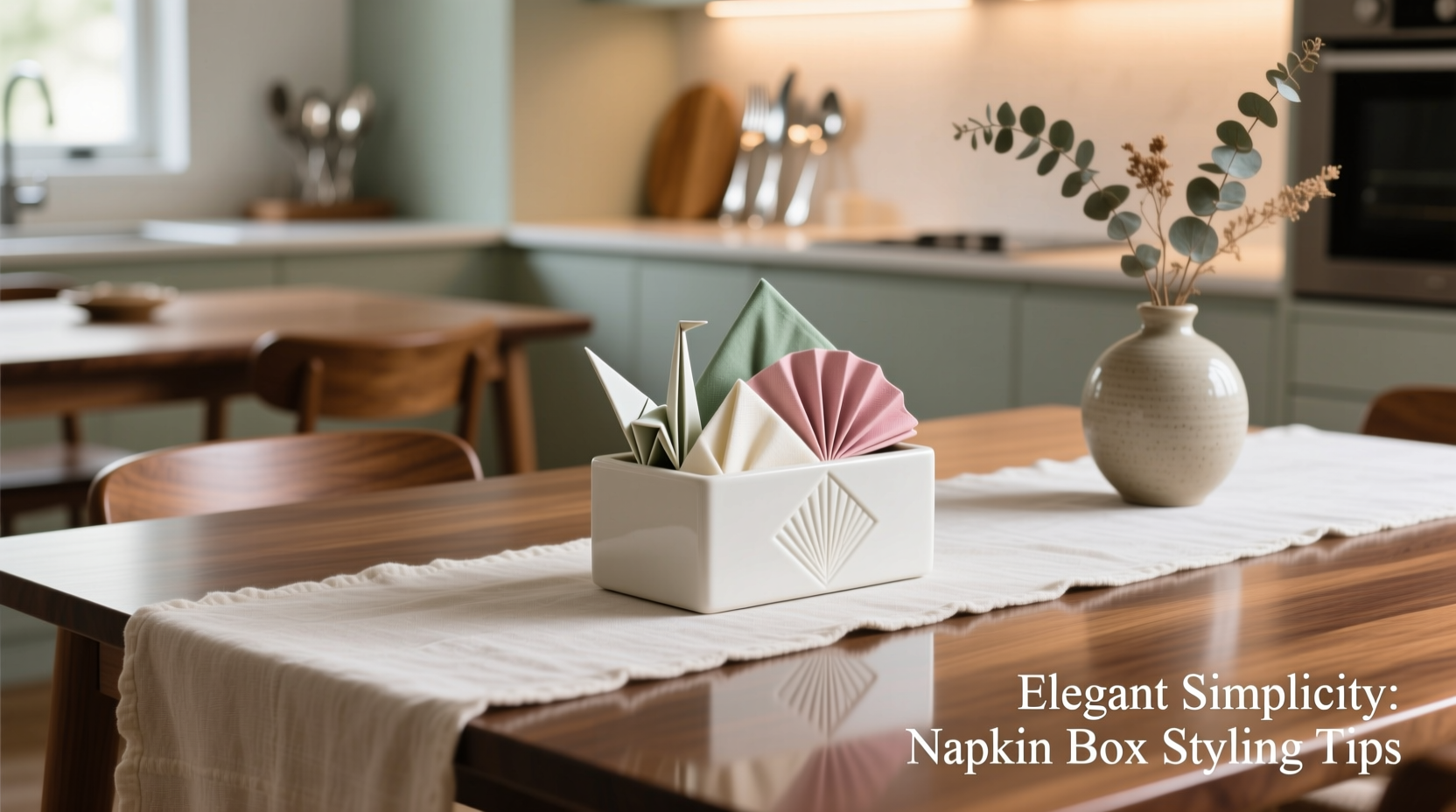
The first step in elegant integration is selecting a napkin box that complements your existing dining decor. The material, shape, color, and finish should harmonize with your tableware, centerpiece, and overall theme. For instance:
- Modern minimalist spaces benefit from sleek metal, matte ceramic, or geometric acrylic boxes in neutral tones.
- Rustic or farmhouse-style tables pair beautifully with wooden boxes, woven rattan, or galvanized metal containers.
- Traditional or formal settings call for porcelain, silver, or engraved brass models with ornate detailing.
“Small accessories are the punctuation marks of a table setting. A well-chosen napkin box completes the sentence.” — Clara Bennett, Interior Stylist & Tabletop Designer
Strategic Placement Matters
Even the most beautiful napkin box can disrupt a table if poorly positioned. The goal is accessibility without visual competition. Consider these placement principles:
- Centerpiece adjacency: Place the napkin box just beside or behind the centerpiece, ensuring it doesn’t block sightlines or dominate the focal point.
- Guest reach: Position one box per four guests, ideally within easy reach but not directly in front of each place setting unless part of a coordinated arrangement.
- Buffet or sideboard use: For self-service meals, place the napkin box at the beginning of the serving line, making it the first functional stop.
In formal setups, some hosts nestle folded napkins inside individual water glasses instead. However, a central napkin box offers a cleaner look when multiple guests are present, reducing glass clutter while maintaining convenience.
Material Pairing Guide
To achieve a polished appearance, coordinate your napkin box with surrounding materials. The following table outlines effective combinations based on common dining themes:
| Dining Style | Napkin Box Material | Best Napkin Type | Complementary Elements |
|---|---|---|---|
| Modern Industrial | Brushed steel, blackened iron | Linen, charcoal gray or white cotton | Concrete vases, matte black cutlery |
| Coastal Chic | Driftwood, rope-wrapped ceramic | Striped cotton, bleached linen | Sea glass accents, jute placemats |
| Elegant Formal | Porcelain, crystal, silver | Folded damask or embroidered cloth | Candle candelabras, charger plates |
| Rustic Farmhouse | Reclaimed wood, stoneware | Unbleached linen, checked cotton | Mason jar centerpieces, burlap runners |
Consistency in texture and tone ties the ensemble together. Avoid mixing too many contrasting materials—stick to two or three dominant textures for a refined effect.
Step-by-Step: Creating an Elegant Napkin Display
Follow this sequence to integrate your napkin box seamlessly into your table setup:
- Set the foundation: Lay your tablecloth, runner, or placemats first. Ensure colors align with your napkin palette.
- Arrange centerpiece: Anchor the table with your main decorative piece—flowers, candles, or a sculptural bowl.
- Position the napkin box: Place it slightly off-center or at one end of the table where guests can access it easily.
- Fold and insert napkins: Use consistent folding—such as the classic rectangle fold or a soft fan fold—for a tidy presentation.
- Add finishing touches: Tuck a sprig of rosemary, a cinnamon stick, or a small name card into the top napkin for a personalized touch.
Real Example: Hosting a Seasonal Dinner Party
Sophia, a lifestyle blogger in Portland, recently hosted an autumn harvest dinner for eight guests. Her dining table featured warm terracotta linens, copper flatware, and a low floral arrangement of dried wheat and dahlias. She chose a hand-carved walnut napkin box to match her wooden chargers and filled it with cream-colored linen napkins folded uniformly.
Instead of placing the box in the center—which would have competed with her centerpiece—she positioned it at the end of the table near the wine station. Each napkin had a small tag tied with twine, bearing a guest’s name and a seasonal quote (“Gratitude turns what we have into enough”). Guests remarked on the thoughtful presentation, and the napkin box became a quiet highlight of the décor.
This example illustrates how functionality and beauty coexist when every detail is considered—not forced, but flowing naturally from the theme.
Common Mistakes to Avoid
Even experienced hosts occasionally misstep when styling functional items. Here are frequent pitfalls and how to sidestep them:
- Overcrowding the table: Too many accessories make the space feel chaotic. If you already have elaborate place settings, opt for a simple, understated napkin box.
- Mismatched colors: A bright red box on a monochrome gray table distracts rather than delights. Stick to hues within the same family.
- Using disposable paper napkins in a luxury box: High-end containers deserve quality fabric. Reserve paper for casual picnics or outdoor gatherings.
- Ignoring maintenance: Dust and smudges on a metallic or glass box detract from elegance. Wipe down before each use.
FAQ
Can I use a napkin box for paper napkins?
Yes, especially in casual or outdoor settings. Choose a durable, weather-resistant material like powder-coated metal or poly-resin. For indoor elegance, however, cloth napkins paired with a refined box create a more sophisticated impression.
How many napkins should I keep in the box during a meal?
Ideally, stock one per guest plus two extras. Refill discreetly between courses if needed, or provide a secondary box out of sight for larger gatherings.
Are there eco-friendly napkin box options?
Absolutely. Look for boxes made from sustainably sourced wood, recycled ceramics, or biodegradable composites. Pair them with organic cotton or hemp napkins for a fully sustainable setup.
Final Thoughts: Elevate the Everyday
The napkin box may seem minor in the grand scheme of dining decor, but its presence speaks volumes about intentionality. When selected and styled with care, it bridges function and form—making guests feel welcomed and the space feel complete. It's not about extravagance; it's about refinement in the details.
💬 Ready to refine your table setting? Reimagine your napkin storage this week—choose one upgrade, whether it’s a new box, better folds, or smarter placement—and notice the difference it makes. Share your transformation in the comments!