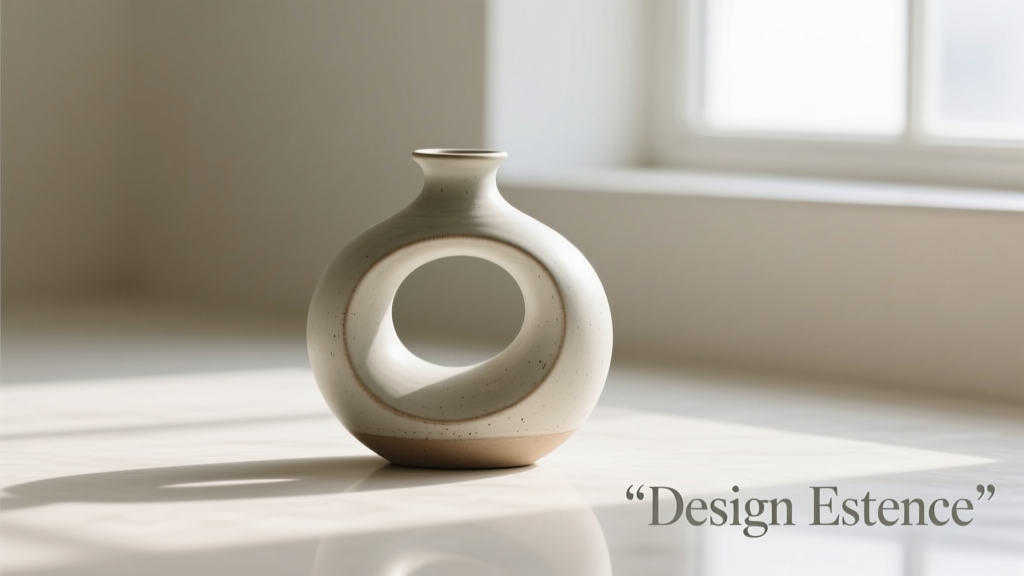
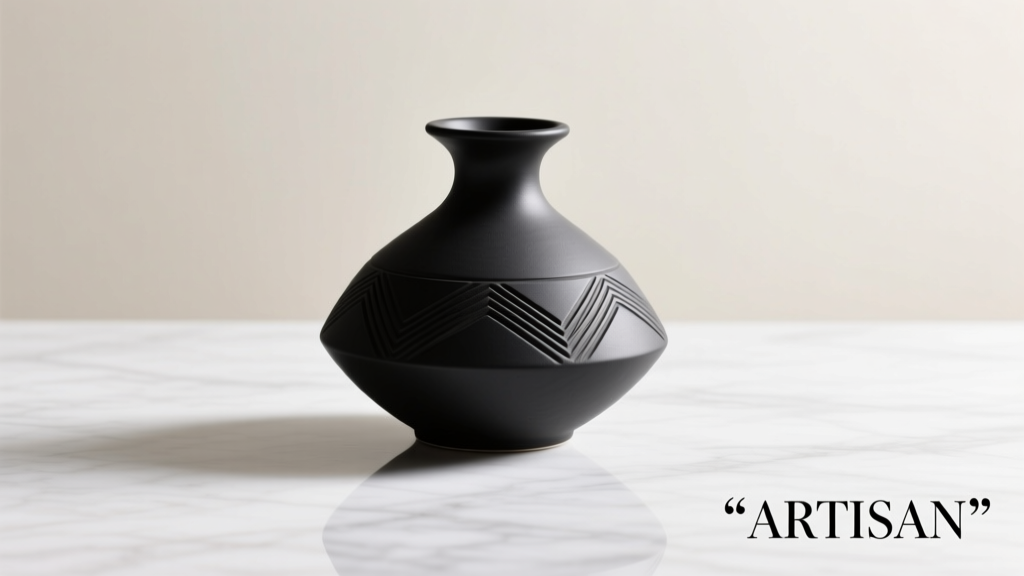
Types of Small Tree Containers
Choosing the right container for your small tree is essential for both aesthetic appeal and long-term plant health. With a wide variety of materials available—from lightweight plastic to elegant wood—each option offers unique benefits and trade-offs. The container you select influences moisture retention, root development, temperature regulation, and overall durability. Below is a comprehensive guide to the most common types of small tree containers to help you make an informed decision.
Plastic Containers
Lightweight, affordable, and available in a wide range of colors and designs, plastic containers are among the most popular choices for small trees. Made from durable polymers, they are ideal for both indoor and outdoor use.
Advantages
- Excellent moisture retention due to non-porous material
- Lightweight and easy to move or reposition
- Resistant to cracking, chipping, and weathering
- Affordable and widely available in various sizes
- Ideal for forgetful waterers or inconsistent watering schedules
Limitations
- Less breathable, which can lead to root rot if overwatered
- Can degrade over time when exposed to prolonged UV light
- May appear less natural or premium compared to other materials
Best for: Beginners, indoor trees, fast-growing species, and mobile plant setups
Terracotta Pots
Crafted from natural clay and fired at high temperatures, terracotta pots offer a timeless, earthy aesthetic. Their distinctive reddish-brown hue complements both traditional and rustic garden designs.
Advantages
- Porous walls allow for air circulation, promoting healthy root growth
- Natural evaporation helps prevent overwatering and root rot
- Ideal for drought-tolerant species like olive, citrus, and fig trees
- Biodegradable and environmentally friendly
- Time-tested durability with proper care
Limitations
- Dries out quickly, requiring more frequent watering
- Heavy and fragile—prone to cracking in freezing temperatures
- Can develop mineral deposits or algae on the surface over time
Best for: Mediterranean trees, outdoor patios, and gardeners who prefer natural, breathable materials
Wooden Containers
Wooden planters bring a warm, organic charm to any space. Often crafted from cedar, redwood, or teak, these containers are naturally rot-resistant and offer excellent insulation for tree roots.
Advantages
- Provides natural insulation against temperature extremes
- Highly durable when constructed from quality hardwoods
- Aesthetic appeal with a rustic, elegant, or modern look depending on design
- Often includes built-in legs or feet for improved drainage and airflow
- Complements both indoor and outdoor environments
Limitations
- Higher cost compared to plastic or terracotta
- Requires sealing or treatment to prevent rot and moisture damage
- May warp or crack over time without proper maintenance
- Heavier and less portable than plastic alternatives
Best for: Permanent installations, premium landscapes, and trees needing stable root temperatures
Metal Containers
Typically made from aluminum, steel, or galvanized metal, these containers offer a sleek, modern appearance. They are often used in contemporary gardens, urban balconies, and minimalist interiors.
Advantages
- Stylish and contemporary design with a wide range of finishes
- Extremely durable and resistant to impact and weather
- Long-lasting with proper care and maintenance
- Available in custom shapes and sizes for unique spaces
Limitations
- Poor insulation—can overheat in direct sunlight, damaging roots
- May rust over time if not properly coated or maintained
- Lacks natural breathability, increasing risk of root stress
- Best used as outer decorative pots with inner plastic liners
Best for: Decorative displays, shaded patios, and modern landscaping (use with liner)
| Container Type | Moisture Retention | Durability | Aesthetic Style | Ideal For |
|---|---|---|---|---|
| Plastic | High | High | Modern, versatile | Beginners, indoor trees, frequent movers |
| Terracotta | Low | Medium | Classic, rustic | Olive, citrus, drought-tolerant trees |
| Wooden | Medium | High (when treated) | Rustic, elegant | Permanent displays, temperature-sensitive trees |
| Metal | Medium (with liner) | High | Modern, minimalist | Decorative use, shaded areas |
Expert Tip: For metal and dark-colored plastic containers, consider using a secondary inner pot or liner to protect roots from heat absorption. This helps maintain a stable root zone temperature and prevents thermal shock during hot summer months.
Design of Small Tree Containers: Aesthetic and Functional Considerations
Choosing the right container for small trees is essential for both plant health and visual appeal. Well-designed tree containers go beyond mere decoration—they support root development, prevent water damage, and adapt to environmental conditions. Understanding the key design elements ensures your small trees thrive while enhancing indoor or outdoor spaces.
Essential Design Features of Small Tree Containers
Drainage System
All high-quality small tree containers include drainage holes at the base. These openings allow excess water to escape after watering, preventing waterlogging that can lead to root rot—a common cause of plant decline.
Proper drainage maintains a healthy balance of moisture and oxygen in the soil, promoting strong root growth. For containers without pre-drilled holes, it's recommended to add them manually or use a liner pot with drainage inside a decorative outer pot.
Container Size and Root Development
The size of the container directly influences the growth rate and overall health of small trees. Smaller pots naturally restrict root expansion, which helps keep the tree compact—ideal for bonsai or space-limited environments.
A container with a diameter of approximately 30 cm (12 inches) is widely considered optimal for most small trees. This size offers sufficient room for root systems to develop while remaining practical for handling, moving, and interior placement. As trees grow, periodic repotting into slightly larger containers supports continued vitality.
Material Options and Their Benefits
Tree containers are made from a variety of materials, each offering unique advantages:
- Plastic: Lightweight, durable, and excellent at retaining moisture—ideal for indoor use or dry climates. Easy to clean and available in many colors and finishes.
- Terracotta/Ceramic: Porous surfaces allow air and moisture to pass through, improving root respiration and reducing the risk of overwatering. Heavier and more fragile, but prized for their classic appearance.
- Metal: Modern and stylish, often used in contemporary landscaping. However, metal can heat up quickly in sunlight, potentially damaging roots unless insulated or used in shaded areas.
- Wood: Offers a natural, rustic aesthetic and good insulation properties. Requires sealing or treatment to resist moisture decay and prolong lifespan.
Aesthetic Design and Decorative Appeal
Containers play a significant role in home and garden décor. Designers and homeowners often select pots based on style, color, texture, and pattern to complement interior or exterior themes.
Some containers embrace minimalist designs that highlight the beauty of the tree itself, making them perfect for modern or Zen-inspired spaces. Others feature intricate carvings, glazes, or hand-painted details that serve as artistic centerpieces in living rooms, patios, or entryways.
Matching the container style to the tree species enhances visual harmony—such as pairing a sleek black pot with a Ficus or a rustic wooden box with a juniper bonsai.
Climate-Adaptive Features
Advanced container designs now incorporate features that protect small trees from extreme weather conditions:
- Insulated Pots: Designed for cold climates, these containers have double walls or thermal liners that help retain heat and protect roots during winter months.
- Shade-Reflective Coatings: Light-colored or UV-reflective finishes reduce heat absorption in summer, preventing root overheating in sunny locations.
- Elevated Bases: Some pots come with raised feet or stands that improve airflow underneath, reduce moisture buildup, and prevent staining on surfaces.
Functional Add-Ons
Modern tree containers often include integrated features that simplify plant care:
- Self-Watering Systems: Built-in reservoirs provide a steady supply of water, reducing the frequency of manual watering—ideal for busy individuals or travel-prone owners.
- Wheels or Casters: Larger or heavier pots may include mobility features, allowing easy repositioning for light adjustment or seasonal moves.
- Double-Pot Design: An inner functional pot fits into a decorative outer sleeve, combining practicality with style while simplifying cleaning and plant rotation.
| Design Feature | Function | Best Use Cases |
|---|---|---|
| Drainage Holes | Prevents water accumulation and root rot | All containers, especially indoor and potted outdoor trees |
| 30 cm Diameter | Balances root space and portability | Most small trees (e.g., Ficus, Olive, Citrus) |
| Terracotta Material | Enhances airflow and moisture regulation | Humid climates or overwatering-prone environments |
| Insulated Walls | Protects roots from freezing temperatures | Cold regions or winter container gardening |
| Self-Watering Base | Reduces maintenance and watering frequency | Indoor settings or frequent travelers |
Tips for Selecting the Right Container
Important: Never leave small trees in containers without proper drainage for extended periods. Even short-term waterlogging can damage roots and lead to irreversible decline. Always check the compatibility of the container material with your local climate and watering habits to ensure long-term plant health.
Specification & Maintenance of Small Tree Containers
Container-grown small trees offer flexibility, portability, and aesthetic appeal for patios, balconies, and urban landscapes. However, unlike in-ground trees, they rely entirely on proper care, suitable containers, and consistent maintenance to thrive. This guide covers essential practices for watering, pruning, repotting, soil management, and transportation to ensure long-term health and vitality of containerized trees.
Watering & Moisture Management
Containers dry out significantly faster than garden soil due to increased exposure to sun, wind, and limited soil volume. As a result, daily monitoring is essential—especially during hot or dry seasons.
- Water thoroughly until it drains from the bottom, ensuring the entire root ball is moistened
- Aim for consistently moist (not soggy) soil—overwatering leads to root rot, while underwatering stresses the tree
- Morning watering is ideal to reduce evaporation and fungal risks
- Use moisture meters or finger tests (inserting 1–2 inches into the soil) to assess hydration levels
Pro tip: Self-watering pots or drip irrigation systems can help maintain consistent moisture for busy gardeners.
Fertilizing for Optimal Growth
Container trees have limited access to natural soil nutrients, which are further leached by frequent watering. Regular fertilization is crucial for sustained health and growth.
- Apply a balanced, water-soluble liquid fertilizer every 4–6 weeks during the growing season (spring to early fall)
- Dilute to half-strength to avoid root burn, especially in young or stressed trees
- Use slow-release granular fertilizers as a base nutrient source, supplemented with liquid feeds
- Adjust nutrient ratios based on tree type—nitrogen for foliage, phosphorus for root development, potassium for stress resistance
Key insight: Organic options like compost tea or fish emulsion provide gentle, sustainable nutrition.
Pruning: Shape, Health & Size Control
Pruning is essential to maintain the tree’s form, encourage bushy growth, and prevent it from outgrowing its container.
- Perform light pruning in early spring to shape the canopy and remove dead or crossing branches
- Pinch back new growth during the growing season to promote denser foliage
- Root pruning every 2–3 years prevents circling roots and rejuvenates the root system
- Use clean, sharp tools to minimize damage and prevent disease transmission
Critical note: Root-bound trees show symptoms like poor water absorption, stunted growth, and roots emerging from drainage holes.
Repotting: When and How to Upgrade
As trees grow, their root systems expand and eventually fill the container, necessitating a larger pot.
- Repot every 2–3 years, ideally in early spring before active growth begins
- Choose a new container 1–2 inches larger in diameter to avoid excessive soil that retains too much moisture
- Gently loosen and trim circling or damaged roots before placing in fresh potting mix
- Center the tree and fill with soil, ensuring the root flare remains slightly above the soil line
Warning: Delaying repotting can lead to nutrient deficiency, water stress, and eventual decline.
Soil Replacement & Quality
Over time, container soil breaks down, compacts, and loses nutrients—compromising root health and drainage.
- Replace the top 1–2 inches of soil annually with fresh potting mix to replenish nutrients
- Full repotting with complete soil replacement every 2–3 years revitalizes the growing medium
- Always use high-quality, well-aerated potting soil designed for containers—not garden soil, which compacts easily
- Incorporate perlite, bark, or coconut coir for improved structure and drainage
Correction: Soil does not need to be replaced daily—this appears to be an error. Annual top-dressing or biennial full replacement is sufficient.
Preventing Root Rot & Ensuring Drainage
Root rot is one of the most common and serious issues for container trees, caused by poor drainage and overwatering.
- Always use containers with adequate drainage holes—elevate pots with feet or stands to prevent water pooling
- Select soil mixes tailored to the tree species: sandy, fast-draining blends for cacti and succulents; moisture-retentive, organic-rich mixes for willows or ferns
- Avoid letting containers sit in saucers filled with water for extended periods
- Inspect roots periodically for signs of rot: dark, mushy roots with a foul odor indicate disease
Prevention tip: Add a layer of gravel or broken pottery at the pot base (optional) to improve drainage—but never substitute for proper holes and quality soil.
Expert Recommendation: Combine proper container selection with species-appropriate care. For example, citrus trees thrive in well-drained, slightly acidic mix with consistent feeding, while Japanese maples prefer cool roots and organic-rich, moisture-balanced soil. Matching the tree to its environment and maintenance routine ensures long-term success.
| Tree Type | Soil Preference | Watering Frequency | Repotting Interval | Fertilizer Schedule |
|---|---|---|---|---|
| Citrus (e.g., lemon, lime) | Well-drained, slightly acidic mix with perlite | Every 2–3 days in summer; weekly in winter | Every 2 years | Monthly with citrus-specific fertilizer |
| Ficus / Fig | Balanced potting mix with organic matter | When top inch is dry | Every 2–3 years | Bi-monthly during growing season |
| Cacti & Succulents | Sandy, gritty mix with excellent drainage | Every 1–2 weeks (less in winter) | Every 3 years | Quarterly, low-nitrogen formula |
| Japanese Maple | Moisture-retentive, humus-rich soil | Regular, consistent moisture | Every 2–3 years | Spring and mid-summer with slow-release |
Transportation & Flexibility Benefits
One of the greatest advantages of container-grown trees is their portability. Unlike in-ground trees, small container trees can be easily relocated to optimize sunlight, protect from harsh weather, or enhance seasonal décor.
- Use plant caddies with wheels for heavy pots to simplify movement
- Move sensitive trees indoors or to sheltered areas during frost, storms, or extreme heat
- Rotate pots periodically to ensure even light exposure and balanced growth
- Ideal for renters, urban dwellers, or anyone seeking flexible landscaping solutions
Design tip: Group containers of varying heights and textures to create dynamic, garden-like spaces on patios or rooftops.
Scenarios of Small Tree Containers: Maximizing Green Spaces in Modern Living
Small tree containers have become an essential element in contemporary landscaping and urban design. Their versatility and aesthetic appeal make them ideal for a wide range of environments—from private residences to public spaces and special events. These planters enable individuals and communities to enjoy the beauty, shade, and environmental benefits of trees, even in areas where traditional planting is not feasible.
Did You Know? Container-grown trees can improve air quality, reduce urban heat island effects, and contribute to mental well-being by bringing nature into built environments.
1. Urban Gardening and Space Optimization
In densely populated cities, outdoor space is often limited. Small tree containers offer a practical solution for urban dwellers who want to grow trees on balconies, rooftops, patios, or small yards. These containers allow residents to cultivate both ornamental and fruit-bearing trees such as dwarf citrus, apple, fig, or olive trees—even in compact living conditions.
- Dwarf varieties thrive in containers and can produce full-sized fruit with proper care
- Containers can be placed on railings, corners, or vertical stands to maximize space
- They enable city residents to participate in sustainable food production through urban farming
2. Enhancing Curb Appeal and Landscape Design
Strategically placed tree containers significantly boost a property’s visual appeal and market value. Whether lining a front walkway, framing an entryway, or accenting a backyard seating area, potted trees add structure, height, and year-round interest to outdoor designs.
- Evergreen varieties like boxwood or dwarf conifers provide consistent greenery
- Ornamental trees such as Japanese maples or flowering cherries create focal points
- Properly maintained container trees signal attention to detail and care, enhancing perceived property value
3. Seasonal and Thematic Decor Flexibility
One of the greatest advantages of using containers is the ability to change tree types or styles with the seasons. This flexibility allows homeowners and designers to refresh the look of a space throughout the year.
- Spring: Plant flowering trees like azaleas or dogwoods for vibrant blooms
- Summer: Use lush foliage trees such as Ficus or Schefflera for dense shade and tropical feel
- Fall: Incorporate trees with colorful autumn foliage like dwarf maples or smoke trees
- Winter: Display containerized evergreens or decorative pines for holiday charm
Design Tip: Rotate or swap out tree containers seasonally to keep outdoor spaces dynamic and visually engaging. Use matching pots for a cohesive look or mix textures and materials for eclectic appeal.
4. Community and Public Space Enhancement
Cities and municipalities increasingly use tree containers in public areas to introduce greenery without permanent installation. These mobile green solutions are ideal for plazas, pedestrian walkways, transit stops, and pop-up parks.
- Provide shade and comfort in otherwise hardscaped urban zones
- Improve air quality and reduce noise pollution in high-traffic areas
- Support urban biodiversity by offering habitat for birds and pollinators
- Enable temporary greening projects during city festivals or redevelopment phases
5. Event and Commercial Applications
The event and hospitality industries widely utilize tree containers to elevate the ambiance of weddings, corporate functions, product launches, and outdoor dining areas. Their portability and elegance make them a favorite among event planners and interior designers.
- Create natural room dividers or living walls at large gatherings
- Add sophistication to hotel lobbies, restaurant patios, or retail storefronts
- Match décor themes—use white-barked birches for modern events or olive trees for rustic Mediterranean styles
- Easily relocate after events for reuse or rental purposes
| Use Case | Benefits | Suitable Tree Types | Container Tips |
|---|---|---|---|
| Urban Homes & Balconies | Space efficiency, fresh fruit production | Dwarf citrus, apple, fig, olive | Use lightweight, self-watering pots with drainage |
| Landscape Aesthetics | Increased curb appeal, shade, privacy | Japanese maple, crape myrtle, topiary boxwood | Choose stylish, durable materials like fiberglass or stone resin |
| Seasonal Displays | Visual variety, thematic alignment | Flowering cherry, smoke tree, dwarf conifer | Rotate containers; group in odd numbers for visual impact |
| Public Spaces | Urban cooling, noise reduction, beautification | London plane, ginkgo, honey locust (in large containers) | Ensure structural integrity and wind resistance |
| Events & Hospitality | Instant ambiance, brand enhancement | Olive, birch, palm, ficus | Use rental-ready containers with saucers to protect surfaces |
Expert Tip: When selecting containers, ensure they are at least 12–18 inches wider than the tree’s root ball to allow room for growth. Always use high-quality potting mix and consider adding slow-release fertilizer for long-term health.
Conclusion
Small tree containers are more than just decorative elements—they are functional, flexible, and sustainable solutions for modern living. From enhancing personal outdoor spaces to transforming urban landscapes and elevating special events, their applications are vast and impactful. By choosing the right tree and container combination, anyone can bring the beauty and benefits of nature into even the most space-constrained environments.
Whether you're a homeowner, city planner, or event designer, integrating small tree containers into your space is a smart, eco-friendly investment that pays dividends in aesthetics, comfort, and well-being.
Frequently Asked Questions About Growing Small Trees in Containers
Q1: Can small trees grow in containers permanently?Yes, many small tree species can thrive in containers for their entire lifespan, provided they receive proper care and growing conditions. While they won't reach the same size as those planted in the ground, container-grown trees can live for many years with regular maintenance.
- Root Management: As the tree grows, its roots will fill the container, requiring repotting into a larger pot every 2–3 years to prevent root binding and nutrient depletion.
- Dwarf Varieties: Selecting naturally dwarf or slow-growing cultivars (like Dwarf Alberta Spruce or Bonsai-style trees) increases long-term success in confined spaces.
- Lifespan Considerations: Container environments are more vulnerable to temperature extremes and moisture fluctuations, so attentive care is essential for longevity.
With appropriate pruning, feeding, and container upgrades, small trees can remain healthy and decorative for decades in pots.
Q2: How often should small trees in containers be watered?Containerized trees require more frequent watering than in-ground trees because their root systems are limited and exposed to air on all sides, leading to faster soil drying.
- Check Daily: Especially during warm seasons, check soil moisture daily by inserting your finger about an inch deep—water when it feels dry at that level.
- Watering Goal: Maintain consistent soil moisture—keep the potting mix evenly humid but never soggy. Overwatering leads to root rot, while underwatering causes stress and leaf drop.
- Seasonal Adjustments: Water needs decrease significantly in winter during dormancy, so reduce frequency but don’t let the soil completely dry out.
- Drainage Importance: Always use containers with drainage holes to prevent water from pooling at the bottom, which can suffocate roots.
Using self-watering pots or moisture meters can help maintain ideal hydration levels, especially for beginners.
Q3: What types of small trees are suitable for containers?Many ornamental and fruit-bearing trees adapt well to container life, especially compact or dwarf varieties. Some of the most popular and reliable choices include:
| Tree Type | Features | Ideal Conditions |
|---|---|---|
| Dwarf Citrus (Lemon, Lime, Orange) | Produces fragrant flowers and edible fruit; evergreen foliage | Bright sunlight (6+ hours), warm temperatures, well-draining soil |
| Japanese Maple (Acer palmatum) | Stunning seasonal color; elegant form; deciduous | Partial shade, protection from strong winds, acidic soil |
| Dwarf Pomegranate | Attractive flowers, edible fruit, drought-tolerant once established | Full sun, infrequent deep watering, well-drained mix |
| Ficus (Benjamina or Retusa) | Indoor-friendly, glossy leaves, tropical appearance | Bright indirect light, consistent moisture, warm indoor temps |
| Olive (Olea europaea 'Little Ollie') | Silvery foliage, drought-resistant, slow-growing | Full sun, minimal watering, excellent drainage |
These trees not only adapt well to pots but also add aesthetic value to patios, balconies, and indoor spaces.
Q4: Do small trees in containers require special soil?Absolutely—container-grown trees need a high-quality, well-aerated potting mix specifically designed for potted plants. Garden soil is too dense and can compact, leading to poor drainage and root issues.
- Potting Mix vs. Garden Soil: Always use a premium potting mix that includes peat moss, perlite, vermiculite, or coconut coir for optimal aeration and moisture retention.
- pH Considerations: Match the soil pH to the tree’s preference—citrus trees prefer slightly acidic soil (pH 6.0–6.5), while olives tolerate more alkaline conditions.
- Special Blends: For acid-loving trees like Japanese maples, use ericaceous (acidic) potting soil. For succulent-like trees such as olives, mix in extra perlite or sand for faster drainage.
- Nutrient Content: Most potting mixes contain slow-release fertilizers, but regular feeding during the growing season is still necessary due to nutrient leaching from frequent watering.
Refreshing the top layer of soil annually or repotting every few years helps replenish nutrients and maintain soil structure.
Q5: What should be done during winter for small trees in containers?Winter care is crucial for container-grown trees, as their roots are more exposed to freezing temperatures than those in the ground. Cold damage is a major risk, especially in colder zones (USDA 7 and below).
- Move Indoors: Tender species like citrus, figs, and pomegranates should be brought indoors before the first frost and placed near a bright window or under grow lights.
- Insulate Pots: For trees left outdoors, wrap containers with bubble wrap, burlap, or insulating sleeves to protect roots from freeze-thaw cycles.
- Reduce Watering: Most trees enter dormancy in winter and require less frequent watering—allow the top inch of soil to dry out between waterings.
- Wind Protection: Place pots against a sheltered wall or use windbreaks to prevent desiccation, especially for evergreens.
- Avoid Heated Areas: Don’t place dormant trees near heat sources like radiators; instead, keep them in a cool, bright area (like a sunroom or garage with light) to maintain natural cycles.
Proper winter protection ensures your container trees survive cold months and return strong in spring.