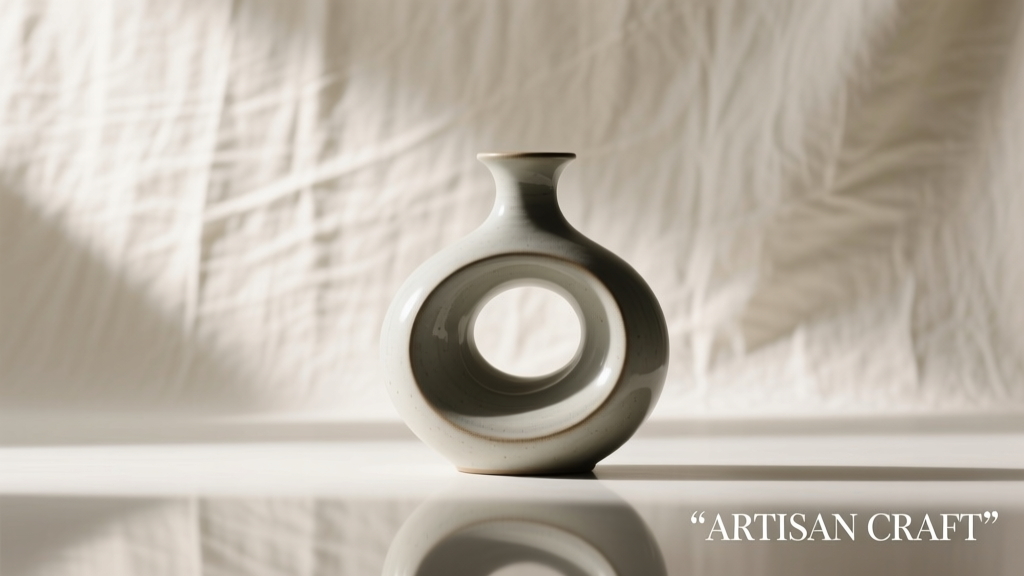
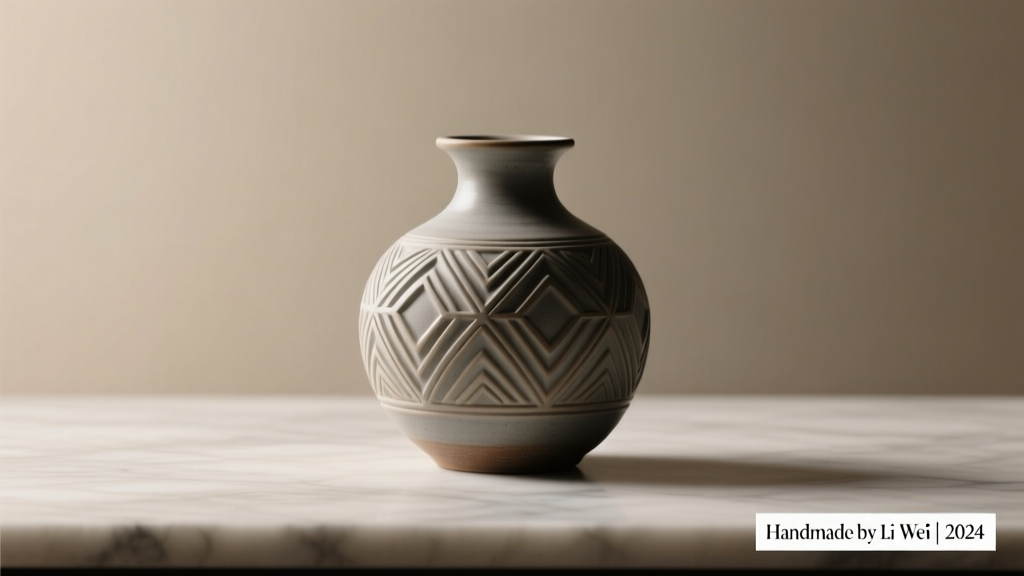
Types of Small Cute Bottles
Small bottles have been around for centuries, originally serving practical purposes like storing medicines, oils, and liquids. In today’s world, however, small cute bottles have evolved into both functional and decorative items, playing a significant role in home decor, gifting, branding, and lifestyle aesthetics. From vintage-inspired designs to modern promotional pieces, these miniature containers blend utility with visual appeal.
Whether used for personal organization, event favors, or retail packaging, the right small bottle can elevate a space or product with charm and elegance. Below are the most popular types of small cute bottles currently in demand, each offering unique benefits and stylistic advantages.
Glass Bottles
Elegant, timeless, and eco-friendly, glass bottles are among the most versatile and visually appealing options available.
Advantages
- Classic, vintage aesthetic
- Fully recyclable and sustainable
- Transparent design showcases contents
- Durable and resistant to odors
- Available in various colors, shapes, and finishes
Limitations
- Heavier than plastic alternatives
- Potential for breakage if dropped
- Slightly higher production cost
Best for: Home decor, DIY crafts, luxury packaging, and kitchen organization
Plastic Bottles
Lightweight and cost-effective, plastic bottles offer practicality without sacrificing style.
Advantages
- Highly durable and shatter-resistant
- Affordable and easy to produce in bulk
- Ideal for outdoor or travel use
- Available in vibrant colors and custom shapes
- Great for temporary or disposable applications
Limitations
- Less eco-friendly than glass
- Can retain odors over time
- Perceived as lower quality in luxury contexts
Best for: Promotional giveaways, event favors, children’s crafts, and travel-sized containers
Scented Bottles
Designed specifically for perfumes, essential oils, and aromatic liquids, these bottles combine function with luxury.
Advantages
- Often made from high-quality glass or crystal
- Intricate designs enhance product appeal
- Precision dispensers (like atomizers or droppers)
- Perfect for gifting and retail display
- Conveys sophistication and elegance
Limitations
- Higher cost due to craftsmanship
- Limited to specific liquid types
- May require special storage to preserve scent
Best for: Perfume samples, aromatherapy, luxury skincare, and boutique branding
Vintage Apothecary Bottles
With their classic medicinal look, these bottles evoke nostalgia and timeless charm.
Advantages
- Distinctive antique appearance
- Made from thick, durable glass
- Often tinted (amber, green, cobalt) to protect contents from light
- Excellent for storing oils, herbs, and tinctures
- Adds character to shelves, bathrooms, or display cabinets
Limitations
- Limited modern customization options
- Heavier than standard bottles
- Potential difficulty in sourcing authentic vintage pieces
Best for: Rustic, farmhouse, or classic interior styles; apothecary-themed decor
Miniature Liquor Bottles
Typically holding 50–100ml, these small glass bottles are both functional and stylish.
Advantages
- Perfect for sampling spirits without commitment
- Ideal for travel, flights, and hotel minibars
- Great as party favors or wedding keepsakes
- Provides a neat, individual serving option
- Collectible and often beautifully branded
Limitations
- Single-use nature raises environmental concerns
- Not ideal for long-term storage
- Regulated distribution in some regions
Best for: Hospitality industry, special events, tasting kits, and collector’s items
Printed Bottles
Custom-printed with logos, messages, or artwork, these bottles serve as powerful marketing tools.
Advantages
- Excellent for brand visibility and recognition
- Highly customizable in design and size
- Effective for promotional events and corporate gifts
- Can be made from glass or plastic
- Doubles as both container and advertisement
Limitations
- Printing adds to production cost
- Minimum order quantities may apply
- Design quality depends on printing method
Best for: Marketing campaigns, brand launches, weddings, and business giveaways
| Type | Material | Aesthetic Appeal | Durability | Best Use Case |
|---|---|---|---|---|
| Glass Bottles | Glass | High | High | Decor, luxury packaging, kitchen storage |
| Plastic Bottles | Plastic | Medium | High | Promotions, travel, kids' crafts |
| Scented Bottles | Glass/Crystal | Very High | Medium-High | Perfumes, essential oils, gifts |
| Vintage Apothecary | Glass | Very High | High | Rustic decor, herbal storage |
| Mini Liquor Bottles | Glass | High | Medium | Events, travel, sampling |
| Printed Bottles | Glass/Plastic | Customizable | Medium-High | Branding, marketing, gifting |
Expert Tip: When using small cute bottles for home decor or gifting, consider filling them with colored water, dried flowers, or LED fairy lights to enhance their visual impact and create a whimsical atmosphere.
Design of Small Cute Bottles: Aesthetic, Functionality, and Sustainability
Small cute bottles have become increasingly popular across industries ranging from cosmetics and perfumes to beverages and lifestyle products. Their appeal lies not only in their compact size but also in their ability to combine visual charm with practical design. Thoughtful attention to color, texture, shape, materials, and environmental impact transforms these miniature containers into collectible, functional, and marketable items that resonate with diverse audiences—from children to eco-conscious adults.
Key Design Elements of Cute Bottles
Colorful and Decorative Bottle Caps
Bottle caps are more than just functional closures—they are integral design features that significantly enhance the overall aesthetic of small cute bottles. Available in vibrant colors, playful shapes (like stars, animals, or fruits), and unique finishes (glitter, metallic, or translucent), caps can serve as the focal point of the bottle’s design.
High-quality caps made from durable plastics, silicone, or even wood not only ensure airtight seals to preserve contents but also contribute to the tactile and visual experience. For example, twist-off caps with whimsical silhouettes or magnetic closures with soft clicks add an element of fun and sophistication, making the bottle both practical and delightful to use.
Textured Surfaces for Enhanced Grip and Appeal
The surface finish of a bottle plays a crucial role in user experience and design identity. While smooth, glossy finishes offer a sleek and modern look, textured surfaces elevate the sensory appeal by adding depth, character, and improved grip.
Techniques such as embossing, debossing, ribbing, or matte coatings create tactile interest and visual dimension. A frosted finish with a soft-touch coating, for instance, feels luxurious in hand, while raised patterns like polka dots, waves, or floral motifs amplify the "cuteness" factor. These details make the bottle not only more enjoyable to hold but also stand out on shelves and in social media content.
Varied Shapes and Playful Patterns
Gone are the days of standard cylindrical bottles. Today’s cute bottle designs embrace creativity through unconventional shapes—round, triangular, heart-shaped, animal-shaped, or even miniature architectural forms. These unique silhouettes immediately capture attention and convey personality.
Complementing the shape, decorative elements such as hand-drawn illustrations, decals, or digital prints featuring flowers, cartoon characters, celestial themes, or abstract art further personalize the bottle. Such designs cater to niche markets: pastel-colored bottles with unicorns target younger audiences, while minimalist geometric patterns with soft gradients appeal to adults seeking stylish, Instagram-worthy accessories.
Special Finishes and Premium Materials
The choice of material and finish directly influences the perceived value and emotional connection users have with the bottle. Glass bottles with frosted or colored finishes exude elegance and are ideal for perfumes or essential oils. Transparent glossy bottles highlight liquid colors, making them perfect for bath products or drinkware.
Alternative materials like bamboo, recycled metal, or bioplastics introduce natural textures and sustainability into the design. A wooden cap paired with a matte glass body creates a rustic-chic aesthetic, while brushed stainless steel offers a modern, durable option. These material combinations not only enhance visual appeal but also communicate brand values such as luxury, eco-friendliness, or innovation.
Eco-Friendly Design Considerations
As environmental awareness grows, cute bottle design increasingly incorporates sustainable principles without sacrificing style. Many brands now use recyclable glass, BPA-free plastics, or plant-based biopolymers to reduce ecological impact.
Innovations like refillable systems, compostable labels, and minimal packaging further support a circular economy. For example, a pastel-colored bottle made from recycled ocean plastic with a bamboo cap sends a powerful message about beauty and responsibility coexisting. These eco-conscious choices not only reduce pollution but also attract environmentally aware consumers who value both aesthetics and ethics.
User-Centric Functionality
Beyond looks, successful cute bottle designs prioritize usability. Features like leak-proof seals, easy-to-hold ergonomics, and wide mouths for cleaning ensure long-term usability. Pump dispensers, spray nozzles, or dropper tops add convenience while maintaining the whimsical theme.
Designers must balance cuteness with practicality—ensuring that a heart-shaped bottle isn’t so narrow it’s hard to clean, or that a heavily decorated surface doesn’t interfere with labeling or stacking. When form and function align, the result is a product that delights the eye and serves the user effectively.
| Design Feature | Primary Benefit | Best Applications |
|---|---|---|
| Decorative Caps | Visual appeal & brand recognition | Perfumes, skincare, children's drinks |
| Textured Surfaces | Improved grip & tactile satisfaction | Bath products, travel bottles, gift sets |
| Unique Shapes | Standout shelf presence & emotional connection | Collectibles, limited editions, promotional items |
| Eco-Friendly Materials | Sustainability & consumer trust | Organic brands, zero-waste products, refill programs |
| Special Finishes (Frosted, Glossy, Matte) | Luxury feel & product differentiation | Premium cosmetics, fragrances, home decor |
Design Tips for Creating Market-Ready Cute Bottles
Important: While cuteness drives initial attraction, long-term success depends on quality, sustainability, and user satisfaction. Avoid over-designing at the expense of practicality. Always consider production feasibility, cost, and environmental impact during the design phase. A truly successful cute bottle is one that people love to look at, enjoy using, and feel good about owning.
Creative & Practical Uses for Small Cute Bottles
Small cute bottles are more than just charming containers—they are versatile, functional, and perfect for a wide range of creative and practical applications. From home styling to event planning and DIY crafts, these miniature vessels offer endless possibilities. Whether you're decorating, gifting, or organizing, their compact size and aesthetic appeal make them ideal for adding a personal and artistic touch to everyday life.
Home Decor & Styling
Empty small bottles can be transformed into delightful decorative accents. Fill them with colored sand, pebbles, seashells, dried flowers, or fairy lights to create whimsical centerpieces or shelf displays.
- Perfect for coastal, rustic, or minimalist interiors—just layer sand and shells for a beachy vibe
- Add LED string lights inside for enchanting night-time ambiance
- Label bottles with calligraphy for a personalized, vintage look
- Arrange in clusters on mantels, coffee tables, or window sills for visual interest
Design tip: Use uniform bottle shapes for a cohesive look or mix styles for eclectic charm.
Weddings & Special Events
These adorable bottles elevate event aesthetics and serve dual purposes as decor and guest favors. Their elegant appearance adds sophistication to table settings and themed celebrations.
- Fill with mini bouquets, succulents, or fresh herbs as table centerpieces
- Use as edible favor containers—candies, honey, spices, or infused oils
- Label with guest names for charming place settings
- Pour champagne, cocktails, or infused water into bottles for unique drink service
Pro idea: Customize with ribbons, tags, and seasonal themes for weddings, baby showers, or anniversaries.
Crafting & DIY Projects
For crafters and hobbyists, small bottles are a go-to medium for imaginative upcycling. Their transparent glass or plastic bodies allow for creative layering and decoration.
- Create miniature terrariums with moss, soil, and tiny plants
- Turn into fairy lanterns using tea lights or battery-powered LEDs
- Decorate with paint, glitter, or washi tape for holiday ornaments or party décor
- Use in resin art, snow globes, or layered sensory bottles for kids
Creative boost: Combine with twine, lace, or beads for rustic-chic or bohemian styles.
Gifts & Promotional Giveaways
Small bottles make memorable, thoughtful gifts and branded promotional items. Their compact size and visual appeal stand out in a sea of generic presents.
- Fill with homemade bath salts, essential oils, or candle wax for self-care kits
- Package seeds or mini plants for eco-friendly "grow your own" gifts
- Offer as branded giveaways at trade shows—filled with coffee, tea, or sweets
- Personalize labels with names, messages, or company logos for lasting impact
Marketing edge: Branded bottles enhance customer recall and perceived value.
Smart Storage Solutions
Don’t underestimate their utility—small bottles are excellent for organizing tiny items at home or in creative spaces.
- Store spices, herbs, or homemade seasoning blends in the kitchen
- Organize craft supplies like glitter, beads, sequins, or buttons
- Label and stack for a tidy, accessible pantry or art supply cabinet
- Use for travel-sized liquids—shampoo, lotion, or essential oils
Organization hack: Color-code lids or labels for quick identification.
Educational & Sensory Tools
Beyond aesthetics and storage, these bottles are great for learning and sensory play—ideal for classrooms, therapy, or children’s activities.
- Create sensory bottles with water, glitter, and floating objects for calming effects
- Use in science experiments—layer liquids by density or demonstrate chemical reactions
- Teach labeling, sorting, and measurement skills in early education
- Fill with colored rice or sand for fine motor development
Therapeutic use: Fidget bottles help reduce anxiety and improve focus in children and adults.
Expert Insight: When selecting small bottles for any purpose, consider the material (glass vs. plastic), lid type (cork, screw-on, dropper), and size consistency. Glass offers elegance and durability, while plastic is safer for kids’ projects. Reusable bottles also support eco-friendly practices—encourage refilling and repurposing to reduce waste.
| Use Case | Ideal Bottle Type | Recommended Fillers | Best For |
|---|---|---|---|
| Home Decor | Clear glass with cork stopper | Sand, shells, dried flowers, fairy lights | Shelves, mantels, entryways |
| Wedding Favors | Amber or tinted glass with label space | Honey, spices, mini candles, candies | Guest gifts, place settings |
| DIY Crafts | Plastic or glass with wide mouth | Glitter, resin, soil, moss, LEDs | Terrariums, ornaments, sensory bottles |
| Storage | Dropper or screw-top glass | Essential oils, spices, beads, liquids | Kitchen, craft room, bathroom |
| Promotional Giveaways | Branded bottles with custom caps | Tea, coffee, bath salts, samples | Trade shows, customer appreciation |
Additional Tips for Maximizing Use
- Labeling: Use waterproof labels or chalkboard stickers for a clean, professional finish
- Sustainability: Choose reusable or recyclable bottles to support eco-conscious practices
- Customization: Paint, etch, or wrap bottles to match themes or branding
- Safety: For children’s crafts, use shatterproof plastic and non-toxic materials
- Volume Control: Opt for 2–6 oz bottles for versatility in filling and display
Specification & Maintenance of Small Cute Bottles
Small cute bottles are not only charming decorative items but also functional containers for storing beverages, oils, medicines, and crafts. Whether made of glass, plastic, or metal, proper care ensures longevity, hygiene, and aesthetic appeal. This guide provides comprehensive maintenance tips to help you keep your small cute bottles in excellent condition while preserving their functionality and visual charm.
Safety Note: Always inspect bottles before reuse, especially for food or medicinal use. Damaged containers can harbor bacteria or leach harmful substances. Never reuse bottles not designed for repeated use without proper sterilization and material verification.
Essential Maintenance Guidelines
- Cleaning Requirements
Proper cleaning is crucial, especially when bottles are used for consumables. Residual detergent or contaminants can affect taste and safety.
- Wash glass, metal, or BPA-free plastic bottles with warm water and mild dish soap after each use.
- Rinse thoroughly to remove all traces of soap, which can leave an unpleasant aftertaste.
- For narrow-necked bottles, use a long-handled bottle brush to reach deep inside and scrub away residue.
- For natural cleaning, fill the bottle with equal parts white vinegar and uncooked rice—shake vigorously to dislodge grime and deodorize.
- Air-dry upside down on a clean rack to prevent dust accumulation and ensure complete drying before storage or reuse.
- Proper Sealing and Storage
Effective sealing preserves contents and maintains the bottle’s visual appeal over time.
- Always ensure caps, corks, or lids are tightly sealed to prevent air exposure, which can lead to spoilage, evaporation, or oxidation.
- Store filled bottles in a cool, dark place—away from sunlight and humidity—to protect both contents and label integrity.
- For alcohol-based solutions (e.g., infused spirits, tinctures), UV exposure can degrade quality; use amber or tinted bottles when possible.
- Keep bottles upright to prevent leaks and maintain seal pressure, especially for liquids with volatile components.
- Label bottles clearly with contents and date to avoid confusion and ensure timely usage.
- Avoiding Extreme Temperatures
Temperature extremes can compromise both the container and its contents.
- Do not expose glass bottles to sudden temperature changes (e.g., moving from freezer to boiling water), as this may cause cracking or shattering.
- Plastic bottles can warp or release chemicals when exposed to high heat (e.g., dishwashers, direct sunlight in cars).
- Freezing liquids in sealed bottles may cause expansion and breakage—leave headspace or use flexible containers.
- Store bottles in a stable environment between 50°F and 75°F (10°C–24°C) for optimal preservation.
- Never place decorative or painted bottles near stoves, radiators, or ovens, as heat can fade colors and damage finishes.
- Regular Inspection
Frequent checks help identify wear and prevent safety hazards.
- Inspect bottles periodically for cracks, chips, cloudiness, or scratches—especially around the neck and base.
- Discard any bottle showing structural damage, as microfractures can harbor bacteria or burst under pressure.
- Check seals and caps for warping, brittleness, or loss of elasticity that could compromise airtight closure.
- For bottles used in crafts or aromatherapy, verify that essential oils or solvents haven’t degraded plastic components.
- Invest in high-quality, food-grade materials (e.g., borosilicate glass, stainless steel) to reduce long-term replacement needs.
- Refilling and Reuse Guidelines
Reusing cute bottles is eco-friendly and economical—but only if done safely.
- Only refill bottles originally designed for reuse; single-use containers may not withstand repeated washing.
- Thoroughly clean and sterilize before refilling—use a diluted bleach solution (1 tbsp per gallon of water) or boiling water for 5–10 minutes.
- Rinse completely after sterilization to eliminate chemical residues.
- Avoid transferring incompatible substances (e.g., acidic liquids in reactive metal bottles).
- Replace worn-out caps or droppers to maintain hygiene and functionality.
- Consider repurposing damaged bottles for non-consumable uses like decorative planters or craft storage.
| Maintenance Step | Best Practices | Common Risks | Recommended Tools |
|---|---|---|---|
| Cleaning | Use bottle brushes, vinegar-rice mix, or ultrasonic cleaners | Residual soap, microbial growth in narrow necks | Bottle brush, white vinegar, rice, drying rack |
| Sealing & Storage | Tighten lids, store upright in dark, dry areas | Leakage, oxidation, label fading | Airtight caps, storage boxes, desiccants |
| Temperature Control | Maintain room temperature, avoid thermal shock | Cracking, warping, chemical leaching | Insulated storage, climate-controlled space |
| Inspection | Monthly visual and tactile checks | Undetected micro-cracks, contamination | Flashlight, magnifier, gloves |
| Reuse & Refill | Sterilize and verify material compatibility | Cross-contamination, structural failure | Boiling pot, bleach solution, pH-safe labels |
Expert Tip: To extend the life of your small cute bottles, designate specific ones for particular uses (e.g., oils, syrups, perfumes). This prevents cross-contamination and reduces wear from aggressive cleaning agents needed for certain substances.
Additional Care Recommendations
- Hand-wash painted or decorated bottles to preserve artwork and prevent chipping.
- Use silicone sleeve protectors on glass bottles to reduce breakage risk and enhance grip.
- Rotate stock regularly—older contents should be used first to maintain freshness.
- Keep a log of bottle usage and maintenance, especially for medicinal or experimental formulations.
- Donate unused but functional bottles to schools, craft groups, or community projects to promote sustainability.
With thoughtful care, small cute bottles can remain both functional and delightful for years. By following these detailed maintenance practices, you protect your investment, ensure safety, and preserve the charm that makes these little containers so special. Whether used daily or displayed as decor, proper upkeep makes all the difference.
Frequently Asked Questions About Small Cute Bottles
Q1: What materials are small cute bottles made of?Small cute bottles come in a variety of materials, each offering unique benefits in terms of aesthetics, durability, and environmental impact. The most common materials include:
- Glass: Highly popular for its vintage charm and clarity. Glass bottles are non-toxic, reusable, and recyclable, making them ideal for storing food, beverages, essential oils, and DIY crafts. They are durable but require careful handling to avoid breakage.
- Plastic (e.g., PET, PP, or BPA-free): Lightweight and shatter-resistant, plastic bottles are perfect for travel, children's use, or promotional giveaways. They come in countless colors and shapes but may degrade over time with repeated use or exposure to heat.
- Metal (typically stainless steel): Known for strength and sleek appearance, metal bottles are excellent for insulated drinkware. They resist dents and corrosion and are often used for hot or cold beverages due to their thermal retention properties.
- Bamboo: A sustainable and eco-friendly option, bamboo bottles combine natural beauty with functionality. Often paired with silicone or cork lids, they are biodegradable and favored in eco-conscious markets for their minimalist, stylish appeal.
Choosing the right material depends on your intended use—whether it's for gifting, storage, or decorative purposes—while also considering safety, sustainability, and longevity.
Q2: How can small cute bottles be used for gifts?Small cute bottles make charming and versatile gift containers, perfect for adding a personal and creative touch. Here are some popular and thoughtful ideas:
- Sweet Surprises: Fill with colorful candies, mini chocolates, or homemade sugar scrubs for a delightful treat.
- Wellness Gifts: Pack with bath salts, essential oils, dried flowers, or aromatherapy blends for a spa-like experience.
- Mini Gardens: Create tiny terrariums or succulent planters using glass bottles with soil and small plants—great for desk decor.
- Custom Message Bottles: Roll up handwritten notes, affirmations, or love letters and seal them inside for a nostalgic keepsake.
- Event Favors: Use as party favors at weddings, birthdays, or baby showers—personalized with labels, ribbons, or tags.
Their compact size and visual appeal make them ideal for creative packaging, enhancing the emotional value of even small gifts. With a little imagination, they transform ordinary items into memorable presents.
Q3: Are small cute bottles dishwasher safe?Whether a small cute bottle is dishwasher safe depends entirely on its material and construction:
| Material | Dishwasher Safe? | Notes |
|---|---|---|
| Stainless Steel | Yes (usually top rack) | Resistant to heat and corrosion; ideal for repeated washing. |
| Glass | Yes (with caution) | Use the top rack to prevent chipping or thermal shock. Avoid sudden temperature changes. |
| Plastic | Rarely recommended | May warp, discolor, or degrade under high heat. Hand washing is safer. |
| Bamboo | No | Water exposure can cause swelling, cracking, or mold. Clean with a damp cloth only. |
To preserve the quality and lifespan of your bottles, always check the manufacturer’s care instructions. When in doubt, hand washing with mild soap and air drying is the safest option.
Q4: Can small cute bottles be used for hot liquids?Yes, but only if the bottle is specifically designed for hot liquids and made from heat-resistant materials:
- Glass Bottles: Borosilicate glass (like Pyrex) can withstand high temperatures and is suitable for hot beverages, provided it's not subjected to sudden temperature changes.
- Stainless Steel Bottles: Especially double-walled insulated versions, are excellent for retaining heat and are commonly used for coffee, tea, or soups.
- Plastic Bottles: Most are not recommended for hot liquids, as heat can cause warping or leaching of chemicals (even if labeled BPA-free).
- Bamboo Bottles: Not suitable for hot liquids due to the risk of damaging the natural material or sealant.
Always verify the product specifications before using any bottle with hot contents. Look for labels such as “heat-resistant,” “insulated,” or “suitable for hot drinks” to ensure safety and performance.
Q5: How do I choose the right small cute bottle for my project?Selecting the perfect small cute bottle involves several key considerations to ensure both functionality and visual appeal:
- Material Compatibility: Choose based on content—glass or stainless steel for food/drink, plastic for lightweight crafts, and bamboo for eco-friendly décor.
- Size & Capacity: Match the bottle size to your needs. Small (50–100ml) for samples or gifts; medium (100–250ml) for daily use or crafts.
- Shape & Design: Round, square, or uniquely shaped bottles can enhance branding or fit specific packaging needs. Consider aesthetics for gifting or display.
- Lid Type: Screw caps, cork stoppers, spray nozzles, or droppers offer different functionalities depending on use (e.g., oils vs. liquids vs. dry goods).
- Durability & Reusability: For long-term projects or repeated use, prioritize sturdy, easy-to-clean materials like glass or metal.
- Eco-Impact: If sustainability is a priority, opt for recyclable, biodegradable, or reusable options like glass or bamboo.
Taking these factors into account ensures that your chosen bottle not only looks adorable but also performs reliably in your intended application—whether it's for crafting, gifting, storage, or branding.