Fortified wines occupy a singular niche in the world of fermented beverages: complex, layered, historically rooted, and often misunderstood. Among them, sherry and vermouth stand as two pillars—one ancient and terroir-bound, the other adaptive and bartender-born. Yet in contemporary drinking culture, one is routinely hailed as “the world’s most underrated wine,” while the other is treated as little more than a cocktail ingredient. This isn’t just about taste—it’s about craft, intention, and the weight of legacy. Neither sherry nor vermouth is inherently superior, but their respective levels of respect rarely reflect their actual depth, rigor, or influence. To ask which *deserves* more respect is to invite a reckoning with how we value tradition versus utility, stillness versus motion, and wine as beverage versus wine as tool.
The Origins: Two Paths, One Shared Principle
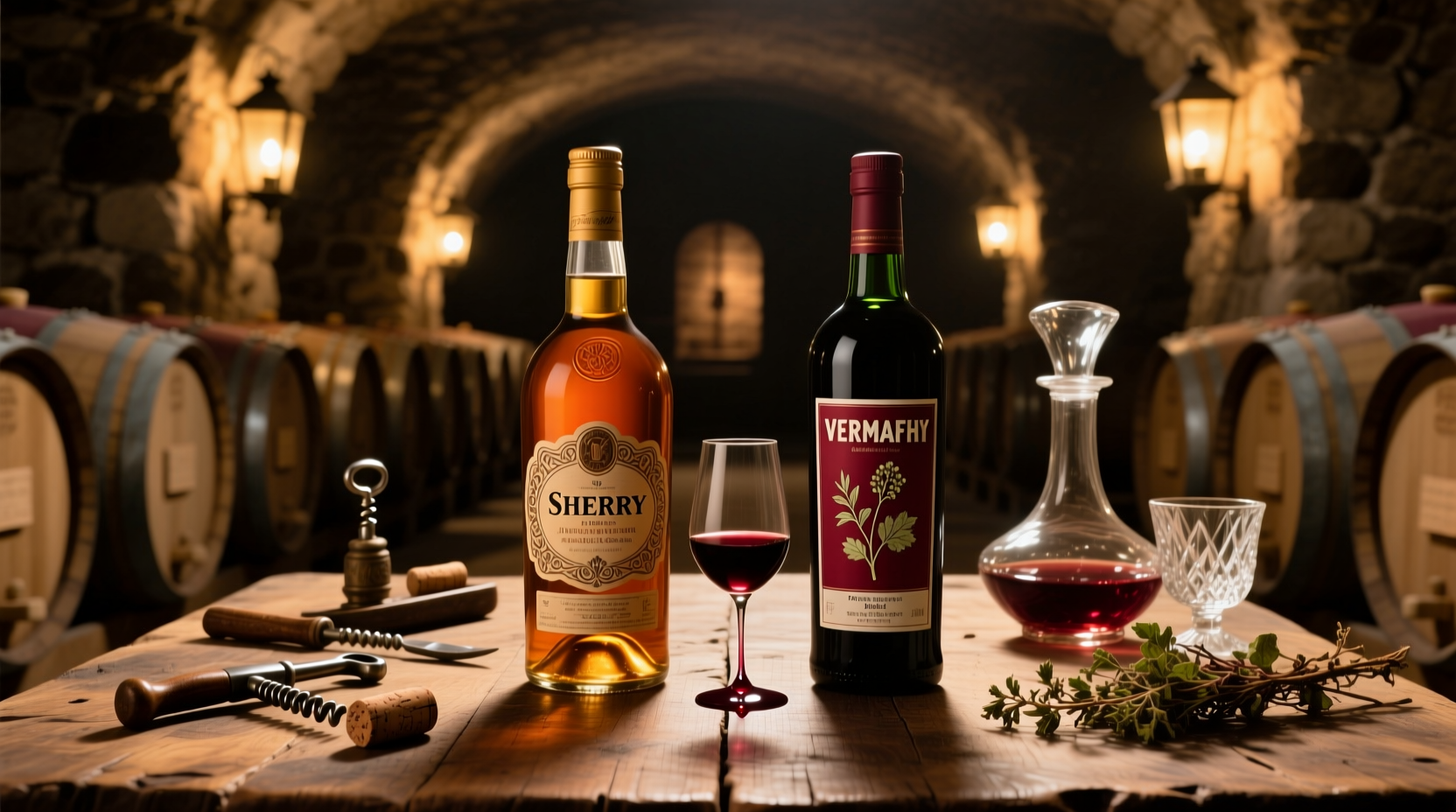
Both sherry and vermouth are fortified—meaning neutral grape spirit is added during or after fermentation to raise alcohol content and stabilize the wine. But their origins diverge meaningfully. Sherry begins in Jerez de la Frontera, Spain, where limestone-rich albariza soil, Atlantic breezes, and centuries of bodega wisdom converge. Its earliest documented production dates to Phoenician times (c. 1100 BCE), with formal regulation beginning under Moorish rule and codified by the Consejo Regulador in 1933—the first wine appellation in Spain.
Vermouth, by contrast, emerged in 18th-century Turin, Italy—not as a standalone wine but as a medicinal tincture. Early versions blended local white wine with wormwood (*Artemisia absinthium*, from which “vermouth” derives), gentian, cinchona bark, and other botanicals. It was tonic before it was cocktail. The modern dry style gained traction in France in the 1840s, and by the 1870s, vermouth had become indispensable behind American bar counters—first in punches, then in the Manhattan and Martini.
This foundational difference persists: sherry is defined by place, process, and patience; vermouth is defined by recipe, reinterpretation, and purpose. Neither is lesser for it—but misreading that distinction fuels much of the imbalance in esteem.
Production Philosophy: Solera Versus Botanical Alchemy
Sherry’s hallmark is the solera system: a dynamic fractional blending method involving stacked tiers of barrels (criaderas) where younger wines gradually absorb character from older ones. A Fino may spend a decade in solera before bottling; an Oloroso, longer still. The flor yeast layer in biological aging (Fino/Manzanilla) or oxidative aging (Amontillado/Oloroso) demands constant human oversight—tasting, topping up, re-racking. Nothing is rushed. Nothing is standardized across producers. Each bodega’s house style emerges from microclimate, barrel wood, and generational instinct.
Vermouth’s craft lies elsewhere—in precision formulation and botanical integrity. While base wine matters (many top producers use aged white wines from Piedmont or the Rhône), the soul resides in the maceration: the selection, ratio, and extraction method of dozens of botanicals. Carpano Antica Formula uses over 30 ingredients, including bitter orange peel, vanilla, and star anise, steeped for months. Cocchi Vermouth di Torino sources gentian root from the French Alps and calamus from Poland. Unlike sherry, vermouth isn’t aged long-term in wood—it’s bottled within months of blending to preserve aromatic vibrancy. Its artistry is in balance, not evolution.
“Sherry is geography made liquid. Vermouth is apothecary science married to viticulture. To judge one by the metrics of the other is like measuring poetry by its line count.” — María José Ruiz, Master Blender at Lustau Bodegas, Jerez
A Respect Gap: Why Sherry Is Overlooked (and Why Vermouth Is Underestimated)
Sherry suffers from three persistent misperceptions: that it’s all sweet and cloying (ignoring bone-dry Fino and Manzanilla), that it’s “old-fashioned” (despite being the fastest-growing category among sommeliers in Michelin-starred restaurants since 2020), and that it’s merely a cooking ingredient (a fate shared with Madeira and Marsala). Its complexity intimidates—flor, oxidation, salinity, umami—yet these are precisely the qualities that make it peerless with food: a Manzanilla cuts through fried seafood like acid through fat; an Amontillado mirrors the savoriness of roasted mushrooms and aged cheese.
Vermouth faces a different kind of erasure: functional invisibility. Because it’s used in cocktails, many assume it lacks standalone merit. Yet high-quality vermouth is emphatically drinkable neat—chilled, over a single large cube, with a twist of citrus. Its bitterness stimulates digestion; its herbal layers unfold with temperature and air. And unlike mass-market versions loaded with caramel color and artificial flavorings, artisanal vermouth reflects regional identity: French blancs emphasize floral lift and minerality; Italian rosso highlights dried fruit and spice; Spanish versions often lean into citrus and Mediterranean herbs.
Tip: Serve Fino or Manzanilla well-chilled (6–8°C) in a tulip glass—not a wide bowl—to preserve its volatile flor notes. For vermouth, pour straight from the fridge into a small wine glass and let it breathe for 90 seconds before tasting.Comparative Realities: A Practical Breakdown
| Attribute | Sherry | Vermouth |
|---|---|---|
| Alcohol Range | 15–22% ABV (Fino: 15–17%; Oloroso: 18–22%) | 14.5–22% ABV (Dry: 14.5–16.5%; Sweet: 16–18%; Americano-style: up to 22%) |
| Key Aging Method | Solera system (biological or oxidative) | Short maceration (days to weeks), minimal barrel aging |
| Primary Flavor Drivers | Flor yeast, aldehydes, sea-salt minerality, nuttiness, dried citrus | Bittering agents (wormwood, gentian), citrus peel, spices, dried flowers, vanilla |
| Food Pairing Strength | Unmatched with tapas, olives, jamón ibérico, grilled sardines, almonds | Exceptional with charcuterie, aged cheeses, marinated vegetables, dark chocolate |
| Storage After Opening | Fino/Manzanilla: 1 week refrigerated; Amontillado/Oloroso: 2–3 weeks; PX: 1 month+ | Dry styles: 2–3 weeks refrigerated; Sweet styles: 4–6 weeks; Always refrigerate |
Mini Case Study: The Barcelona Bar That Changed a City’s Palate
In 2015, La Vinya del Senyor opened in Barcelona’s El Born district—a tiny, unmarked door leading to a 12-seat bar run by sommelier Marc Almert. At the time, Catalan wine culture centered on Priorat and Cava. Sherry was relegated to tourist menus; vermouth was poured only in *vermuterías* as a pre-lunch ritual. Almert did something radical: he built his entire list around sherries and vermouths—not as supporting players, but as protagonists.
He served Manzanilla Pasada from Hidalgo-La Gitana alongside razor clams steamed in seawater and parsley oil. He paired Dolin Dry vermouth with house-cured anchovies and pickled fennel. He hosted monthly “Solera & Stemware” tastings comparing vintage sherries with single-botanical vermouth infusions. Within 18 months, four new sherry-focused bars opened within a 500-meter radius. By 2022, the city’s top culinary magazine declared, “Barcelona didn’t discover sherry and vermouth—it remembered them.” Almert’s insight was simple: “Respect doesn’t come from rarity or price. It comes from attention. When you serve something with intention—and teach people how to taste it—you shift perception.”
How to Build Respect—Practically and Personally
Respect for fortified wine isn’t bestowed—it’s cultivated. Here’s how to deepen your engagement with both categories, beyond the bar menu or pantry shelf:
- Start with one benchmark bottle of each. Choose a Fino (Tio Pepe) and a dry vermouth (Cocchi Dopo Teatro or Dolin Dry). Taste them side-by-side, chilled, without mixers.
- Learn the language of flaws. A Fino with muted flor notes and flat acidity has likely been oxidized prematurely. A vermouth with cloying sweetness and no bitterness signals poor botanical balance.
- Pair deliberately—not habitually. Skip the Martini for one night. Instead, sip Amontillado with a wedge of aged Gouda and quince paste. Or try Punt e Mes with grilled lamb skewers and mint yogurt.
- Visit a bodega—or a vermoutheria—if possible. In Jerez, the rhythm of racking barrels teaches patience. In Turin, watching a master blender adjust a formula by nose alone reveals craftsmanship in real time.
- Advocate intelligently. When recommending to friends, avoid “It’s like a lighter port” or “It’s just for martinis.” Say instead: “This Fino tastes like sea breeze and almonds because of a yeast that only grows here,” or “This vermouth uses gentian root harvested at dawn in the Alps to give it that clean, bitter lift.”
FAQ
Is “cooking sherry” the same as real sherry?
No—and this is critical. “Cooking sherry” is a low-alcohol, salt-and-caramel-laden product sold in supermarkets. It bears no relation to authentic Jerez sherry, which is protected by DO status and subject to strict compositional rules. Using it in recipes masks nuance and introduces unwanted sodium. Opt instead for an affordable but genuine Fino or Amontillado—like Valdespino Initio or Lustau East India Solera.
Can I substitute vermouth for sherry in recipes?
Rarely—and never without adjustment. Dry vermouth adds aromatic bitterness but lacks sherry’s nutty depth and saline finish. In a dish like shrimp scampi, swapping Fino for dry vermouth will yield brighter acidity but less umami resonance. If substituting, add a pinch of toasted almond slivers and a drop of fish sauce to approximate sherry’s savory dimension.
Why does sherry age so long in barrel, but vermouth doesn’t?
Sherry’s fortification and solera system create stability against microbial spoilage and allow slow, controlled oxidation or flor development. Vermouth’s botanicals degrade quickly when exposed to oxygen and heat; prolonged barrel aging would mute its defining aromatics. Its brilliance lies in freshness—not longevity.
Conclusion: Respect Is a Practice, Not a Trophy
Sherry and vermouth don’t compete—they converse. One speaks in the dialect of centuries-old cellars, where time is measured in solera rotations and the silence between barrels holds meaning. The other speaks in the urgent, inventive tongue of the bar top, where every pour is a calculated harmony of bitter, sweet, and aromatic. To grant one more respect than the other is to misunderstand what respect truly requires: deep listening, contextual awareness, and the humility to recognize mastery in forms we didn’t expect.
Sherry deserves more respect—not because it’s older or more “serious,” but because its complexity is routinely ignored in favor of simpler narratives. Vermouth deserves more respect—not because it’s trendy or mixologist-approved, but because its botanical intelligence is as rigorous as any vineyard’s terroir expression. The path forward isn’t choosing sides. It’s pouring both, side by side, and asking not “Which is better?” but “What can each teach me today?”
💬 Your palate is your compass. Try a Fino and a dry vermouth this week—taste them slowly, take notes, and share what surprised you. Real respect begins with curiosity, not consensus.