
When shopping for a premium 4K HDR TV, Samsung’s QLED lineup offers several compelling options. Among them, the Q9FN and Q6FN stand out—one positioned as a flagship model, the other as a mid-tier performer. With a noticeable difference in price, consumers naturally ask: does the Q9FN deliver enough of a visual upgrade to justify its cost over the more affordable Q6FN? The answer depends on how you watch, where you watch, and what you value most in a viewing experience.
Understanding the Core Differences
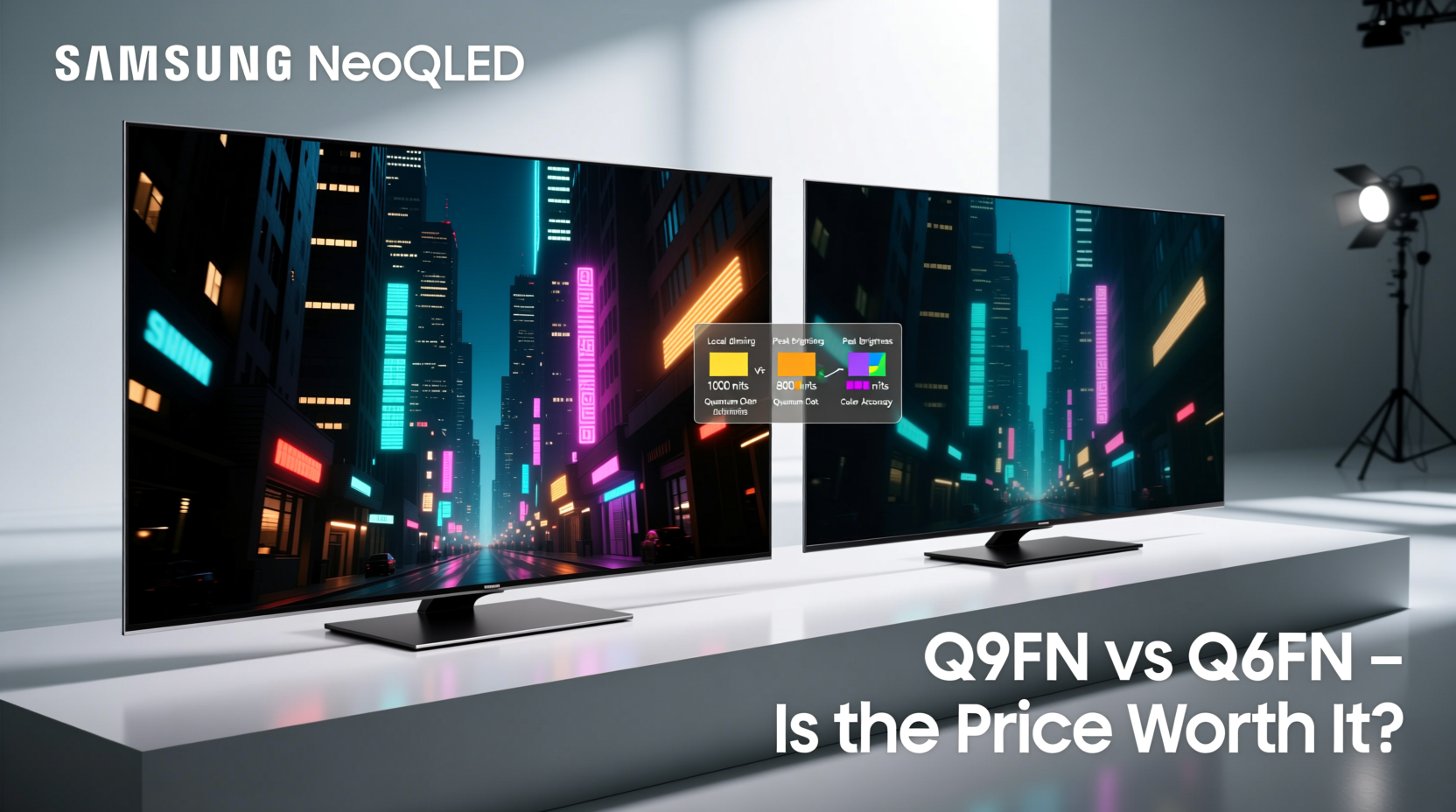
The Samsung Q9FN and Q6FN are both part of Samsung’s 2018 QLED range, featuring quantum dot technology for enhanced color and brightness. However, they diverge significantly in processing power, design, and lighting control. The Q9FN was marketed as Samsung’s top-tier model that year (excluding the 8K Q900 series), while the Q6FN targeted budget-conscious buyers seeking solid HDR performance without flagship pricing.
At the heart of the distinction lies the **Quantum Processor**. The Q9FN uses the full Quantum Processor 4K with AI upscaling and advanced scene detection, enabling smarter contrast adjustments and noise reduction. The Q6FN, by contrast, uses a slightly downgraded version of the same processor—capable but less refined in handling complex image data.
Tip: In bright rooms, the Q9FN's superior peak brightness and anti-glare coating make a bigger difference than in dimly lit environments.Picture Quality: Brightness, Contrast, and Color Accuracy
Brightness is one area where the Q9FN clearly pulls ahead. It achieves peak brightness levels above 1500 nits, compared to the Q6FN’s approximately 800–1000 nits. This makes a tangible difference when watching HDR content such as Dolby Vision (though neither supports Dolby Vision natively, they handle HDR10+ well). Highlights like sunlight reflections, explosions, or cityscapes at night appear more vivid and lifelike on the Q9FN.
Local dimming is another key differentiator. The Q9FN features **full-array local dimming (FALD)** with a high number of dimming zones, allowing precise control over dark and bright areas of the screen. This results in deeper blacks and reduced blooming around bright objects in dark scenes. The Q6FN, however, uses edge-lit local dimming, which is less effective at preventing light bleed and managing contrast. In practice, shadow detail and overall dynamic range are noticeably better on the Q9FN.
“On large screens, especially 65 inches and above, the difference in local dimming between FALD and edge-lit systems becomes impossible to ignore during cinematic content.” — David Kim, AV Testing Lab Director
Design and Build: More Than Just Looks
The physical design reflects each model’s market positioning. The Q9FN has a sleek, minimalist “Infinity Design” with nearly invisible bezels and a slimmer profile. Its metal build feels more premium, and it includes a unique feature: a single, transparent \"One Connect\" box that houses all ports and connections, reducing cable clutter behind the TV.
The Q6FN lacks the One Connect box, requiring all devices to plug directly into the back of the set. While this doesn’t affect picture quality, it impacts setup flexibility and aesthetics—especially for wall-mounted installations. For users prioritizing clean lines and minimal wiring, the Q9FN’s design adds tangible value beyond pure performance.
Detailed Comparison Table
| Feature | Samsung Q9FN | Samsung Q6FN |
|---|---|---|
| Panel Type | Direct LED (Full Array Local Dimming) | Edge LED (Edge-lit Local Dimming) |
| Peak Brightness | 1500+ nits | 800–1000 nits |
| Contrast & Black Levels | Excellent (minimal blooming) | Fair (visible blooming in dark scenes) |
| Color Volume (DCI-P3) | ~100% (wide gamut) | ~90% (good, but less saturated in highlights) |
| Processor | Quantum Processor 4K with AI Upscaling | Standard Quantum Processor 4K |
| Design | Infinity Screen + One Connect Box | Plastic frame, no external box |
| HDR Support | HDR10+, HLG | HDR10+, HLG |
| Viewing Angles | Moderate drop-off at angles | More noticeable color shift off-axis |
Real-World Viewing Scenarios: Who Benefits Most?
To understand whether the price gap is justified, consider actual usage. Take Sarah, a film enthusiast who watches movies nightly in a dedicated home theater with controlled lighting. She upgraded from a Q6FN to a Q9FN and immediately noticed improvements in shadow detail during dark scenes in films like *Blade Runner 2049*. The tighter local dimming made starfields in space sequences look crisper, and the brighter highlights gave explosions in action films a more visceral impact.
On the other hand, Mark, a casual viewer who streams news and sitcoms in a brightly lit living room, found the Q6FN perfectly adequate. He rarely watches native 4K HDR content and mostly views at moderate brightness. For him, the Q9FN’s advantages were subtle—visible only during side-by-side comparisons—and didn’t warrant the extra $800–$1000 premium.
Step-by-Step: How to Decide Which TV Fits Your Needs
- Evaluate your viewing environment: If you have a lot of ambient light or sit close to a large screen (65”+), the Q9FN’s brightness and anti-glare coating offer real benefits.
- Assess your content sources: Do you regularly watch 4K Blu-rays, stream HDR content on Netflix/Disney+, or play HDR games? If yes, the Q9FN’s superior contrast will enhance those experiences.
- Consider room layout: If you plan to wall-mount and want cleaner cabling, the Q9FN’s One Connect box simplifies installation.
- Test motion handling: Both TVs use similar motion interpolation, but the Q9FN’s processor reduces judder more effectively during fast sports or camera pans.
- Set a realistic budget: If saving $700–$1000 means you can afford a larger screen size or better audio setup, the Q6FN might be the smarter overall investment.
FAQ: Common Questions Answered
Is the Q9FN worth upgrading to from the Q6FN?
If you watch a lot of HDR content in a dark or moderately lit room and value cinematic black levels and brightness, yes—the upgrade is meaningful. But for general TV viewing, streaming, or mixed lighting, the gains may not feel transformative.
Do both TVs support HDMI 2.1 for gaming?
No. Neither the Q9FN nor Q6FN supports HDMI 2.1. They have HDMI 2.0 ports, limiting bandwidth to 18Gbps. Gamers seeking 4K at 120Hz or VRR should consider newer Samsung models like the Q80B or higher.
Can the Q6FN handle upscaling well?
It does a decent job with HD-to-4K upscaling thanks to the Quantum Processor, but the Q9FN’s AI-powered upscaling is noticeably sharper and cleaner, especially on low-bitrate streams or DVDs.
Final Verdict: Value vs. Performance
The Samsung Q9FN delivers objectively better picture quality than the Q6FN. Its full-array backlight, higher brightness, refined processing, and superior build quality make it a standout for home theater enthusiasts and discerning viewers. However, “better” doesn’t always mean “worth it.” For many households, the Q6FN provides excellent 4K HDR performance at a much friendlier price point.
The true value proposition comes down to context. In a dark room with high-quality source material, the Q9FN justifies its cost through richer contrast, more immersive highlights, and a polished aesthetic. But if you're primarily watching broadcast TV, YouTube, or standard streaming content in a bright room, the Q6FN offers 90% of the visual appeal at 70% of the price.
Conclusion: Make the Choice That Suits Your Lifestyle
Technology upgrades should enhance your life—not dictate your budget. The Samsung Q9FN is a remarkable TV that pushes the limits of what mid-generation QLED can achieve. But excellence comes at a premium. The Q6FN, meanwhile, proves that Samsung can deliver vibrant color, solid HDR, and smart features without breaking the bank.
Instead of chasing specs, focus on how you actually use your TV. Watch a demo of both models with content you love. Sit at your usual viewing distance. Ask yourself: do I see a difference I care about? If the answer is yes, the Q9FN may be worth every penny. If not, the Q6FN lets you enjoy great picture quality while investing savings into soundbars, streaming subscriptions, or future tech.
💬 Have you compared the Q9FN and Q6FN in person? Share your experience or questions in the comments—we’d love to hear what mattered most to you.