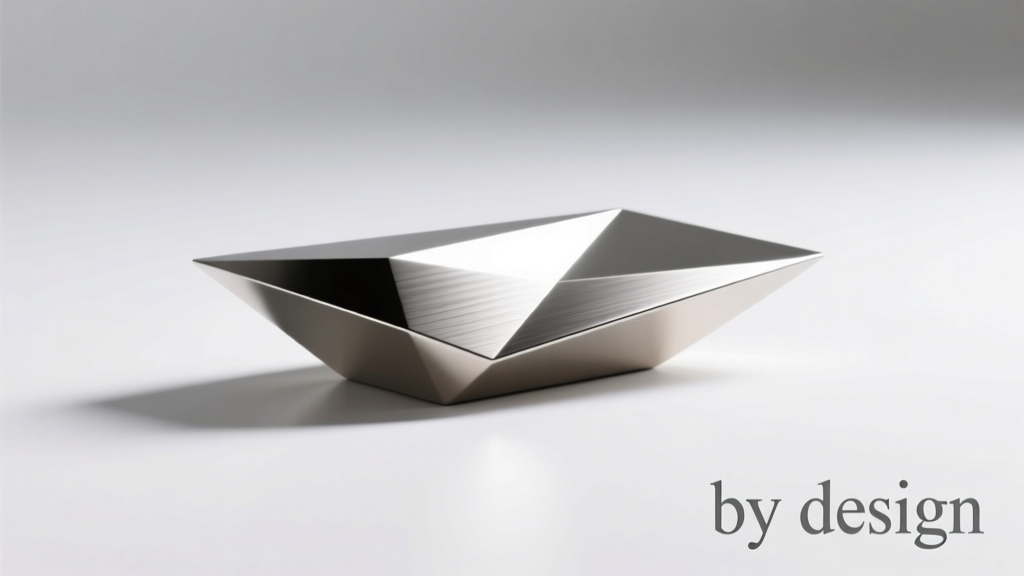
Types of Salt Paper Napkin Holders
A salt paper napkin holder is more than just a functional dining accessory—it's a blend of practicality and design that enhances both everyday meals and special occasions. These holders come in a variety of materials, each offering distinct advantages in terms of durability, aesthetics, and suitability for different environments, from home kitchens to high-traffic commercial spaces.
Choosing the right type depends on your specific needs, including usage frequency, decor style, and maintenance preferences. Below is a detailed breakdown of the most common types of salt paper napkin holders available today.
Steel Holders
Durable and modern, steel napkin holders are built for longevity and high-traffic environments.
Advantages
- Extremely durable and impact-resistant
- Sleek, contemporary appearance
- Ideal for commercial use (restaurants, cafes)
- Powder-coated variants resist rust and corrosion
- Suitable for outdoor or humid environments
Limitations
- May show fingerprints or scratches over time
- Can feel cold or industrial in warm decor settings
- Higher-end models may be costly
Best for: Commercial kitchens, outdoor dining areas, modern interiors
Wooden Holders
Warm and inviting, wooden napkin holders bring natural charm to any table setting.
Advantages
- Provides a rustic, organic aesthetic
- Available in various finishes (natural, stained, painted)
- Complements farmhouse, cabin, or traditional decor
- Feels warm and tactile to the touch
- Often crafted from sustainable or reclaimed wood
Limitations
- Not ideal for wet or outdoor environments
- Requires occasional oiling or sealing
- Less durable under heavy use
Best for: Home dining tables, rustic-themed restaurants, cabins, and holiday decor
Stainless Steel Holders
A premium choice combining strength, elegance, and low maintenance.
Advantages
- Highly resistant to rust, tarnish, and corrosion
- Polished finish enhances modern and upscale decor
- Easy to clean and sanitize
- Long-lasting with minimal upkeep
- Suitable for both indoor and outdoor use
Limitations
- More expensive than standard steel or plastic
- Can show water spots or smudges
- May feel too formal for casual settings
Best for: High-end restaurants, contemporary homes, hotel dining areas
Plastic Holders
Lightweight and budget-friendly, plastic options offer versatility and convenience.
Advantages
- Very affordable and widely available
- Available in multiple colors, shapes, and designs
- Lightweight and easy to transport
- Simple to clean (often dishwasher-safe)
- Ideal for temporary or disposable use
Limitations
- Less durable; prone to cracking or warping
- Can look cheap in formal settings
- Not environmentally friendly if not recycled
Best for: Fast-food outlets, picnics, parties, and temporary events
Ceramic & Porcelain Holders
Elegant and decorative, these holders elevate the dining experience with artisan appeal.
Advantages
- Beautiful, handcrafted designs and glazes
- Often features intricate patterns or custom artwork
- Perfect for formal or themed table settings
- Adds a touch of luxury to the table
- Stable and weighted for secure napkin placement
Limitations
- Fragile—can chip or break if dropped
- Not suitable for high-traffic or outdoor use
- Heavier than other materials
- Requires careful handling and cleaning
Best for: Formal dinners, wedding receptions, decorative displays, upscale homes
| Material | Durability | Aesthetic Appeal | Maintenance | Best Use Case |
|---|---|---|---|---|
| Steel | High | Modern/Industrial | Low (if coated) | Restaurants, outdoor areas |
| Wood | Medium | Rustic/Warm | Medium (requires care) | Home, cabins, casual dining |
| Stainless Steel | Very High | Elegant/Contemporary | Low | Hotels, upscale venues |
| Plastic | Low | Versatile/Casual | Very Low | Events, fast food, temporary use |
| Ceramic/Porcelain | Low (Fragile) | Luxurious/Artistic | Medium (delicate care) | Formal dining, decor |
Expert Tip: For outdoor or high-moisture environments, always opt for rust-resistant materials like stainless steel or powder-coated metal. Avoid wood and ceramic in these settings to prevent warping, mold, or breakage.
Design of Salt Paper Napkin Holders: Functionality Meets Style
The design of a salt paper napkin holder plays a crucial role in both practical utility and visual harmony within a space. Far more than a simple dispenser, a well-designed holder enhances user experience, supports hygiene, and complements the ambiance of homes, restaurants, cafes, and event venues. Thoughtful design balances material choice, structural integrity, aesthetic style, and ease of maintenance to deliver a functional yet stylish solution.
Major Design Styles and Their Applications
Traditional Design
Traditional salt paper napkin holders emphasize simplicity, durability, and timeless appeal. Typically crafted from natural materials such as solid wood, oak, or wrought iron, these holders exude a warm, handcrafted charm. Their unembellished forms and earthy finishes make them ideal for rustic kitchens, country inns, diners, and heritage-themed establishments.
Functionality is prioritized—easy access to napkins, stable base design, and resistance to daily wear. These holders often feature open-top or hinged-lid configurations and are frequently finished with protective coatings to resist moisture and staining, ensuring longevity in high-traffic areas.
Decorative Design
Decorative salt paper napkin holders transform a utilitarian object into a centerpiece of interior design. Made from ceramics, hand-glazed pottery, or intricately painted metals, these holders showcase artistic craftsmanship. They may feature floral motifs, geometric patterns, cultural artistry, or custom branding, making them perfect for upscale restaurants, boutique hotels, weddings, and luxury homes.
Beyond aesthetics, decorative holders often incorporate thoughtful details like moisture-resistant linings or discreet refill mechanisms. Their visual impact elevates table settings and aligns with curated themes, turning everyday use into an experience of refined presentation.
Industrial Style
Industrial-style holders embrace raw, utilitarian aesthetics using materials like galvanized steel, brushed aluminum, concrete, or reclaimed wood with visible grain and imperfections. This design philosophy celebrates functionality, ruggedness, and urban authenticity, often seen in loft apartments, craft breweries, urban bistros, and modern cafes.
These holders are engineered for resilience, with reinforced joints, corrosion-resistant finishes, and weight-stabilized bases to prevent tipping. The minimalist yet bold appearance pairs well with exposed brick, metal furniture, and Edison lighting, reinforcing a modern, edgy atmosphere.
Minimalist Design
Minimalist salt paper napkin holders focus on clean lines, geometric shapes, and a "less is more" philosophy. Constructed from materials like matte black steel, brushed aluminum, acrylic, or powder-coated metal, these holders blend seamlessly into contemporary and tech-forward environments.
Free from ornamental details, they emphasize usability and integration with modern decor. Often featuring hidden hinges or magnetic closures, they maintain a sleek profile while ensuring easy access and napkin retention. Ideal for corporate offices, modern kitchens, and design-focused retail spaces, these holders reflect order, clarity, and intentionality.
Commercial-Grade Design
Commercial-grade salt paper napkin holders are built for durability, hygiene, and efficiency in high-volume settings such as fast-casual restaurants, cafeterias, food trucks, and catering services. These holders often feature reinforced construction, anti-theft mechanisms, and quick-refill systems to minimize downtime.
Many include weighted bases to prevent tipping, UV-resistant finishes to prevent fading, and sealed interiors to protect napkins from dust and moisture. While functionality is paramount, modern commercial designs increasingly incorporate sleek aesthetics—available in black, silver, or matte finishes—to align with diverse brand identities and interior styles.
Design Considerations at a Glance
| Design Style | Best For | Key Features |
|---|---|---|
| Traditional | Rustic homes, diners, vintage cafes | Natural materials, durable finishes, simple access |
| Decorative | Upscale dining, events, luxury interiors | Artistic details, custom finishes, elegant forms |
| Industrial | Urban restaurants, bars, lofts | Raw materials, sturdy build, utilitarian look |
| Minimalist | Modern homes, offices, tech spaces | Sleek lines, neutral colors, hidden mechanisms |
| Commercial-Grade | Restaurants, food service, catering | Durable, easy to refill, hygienic, tamper-resistant |
Key Functional and Aesthetic Factors
Important: When selecting or designing a salt paper napkin holder, always consider the balance between form and function. A beautiful holder that’s difficult to refill or prone to tipping defeats its purpose. Prioritize user experience, durability, and context-appropriate design to ensure long-term satisfaction and performance.
Scenarios of Salt Paper Napkin Holders: Practical and Stylish Uses Across Environments
Salt paper napkin holders are more than just functional accessories—they blend utility with aesthetic appeal across a wide range of settings. From everyday household use to high-end events and commercial spaces, these holders enhance organization, improve guest experience, and contribute to cohesive interior or table design. Below is a detailed exploration of where and how napkin holders make a meaningful impact.
Household Dining & Kitchen Use
In homes, salt paper napkin holders serve as both practical tools and decorative accents. Placed on dining tables, kitchen counters, or near serving areas, they keep napkins clean, dry, and easily accessible during meals.
- Material Choices: For casual family meals, durable plastic or rustic wooden holders offer affordability and charm. In more formal dining rooms, ceramic or stainless steel models elevate the table setting with a polished finish.
- Design Integration: Homeowners often select holders that match cabinetry, tableware, or overall kitchen décor—such as farmhouse-style iron stands or minimalist modern designs.
- Hygiene & Convenience: A covered or enclosed holder protects napkins from dust and moisture, especially in humid climates or open-plan kitchens.
Pro tip: Opt for easy-to-refill models with removable tops or side-loading slots for hassle-free maintenance.
Restaurants & Cafés (Commercial Use)
In food service environments, napkin holders must balance durability, accessibility, and cleanliness. High customer turnover demands robust, low-maintenance solutions that support efficient operations.
- Heavy-Duty Materials: Commercial-grade steel or powder-coated wrought iron resists wear, bending, and corrosion from frequent handling and cleaning.
- Quick-Access Design: Tabletop or countertop dispensers with wide openings allow staff and guests to grab napkins swiftly, improving service speed in fast-casual and quick-service restaurants.
- Stack Capacity: Larger holders accommodate full packs of napkins (50–100+), reducing refill frequency during peak hours.
Key benefit: Well-designed holders reduce napkin waste by preventing over-pulling and disorganization.
Special Events & Celebrations
Weddings, corporate galas, birthday parties, and holiday gatherings benefit from napkin holders that align with the event’s theme, color palette, and elegance level.
- Aesthetic Flexibility: Crystal, mirrored metal, or hand-painted ceramic holders add sophistication and serve as part of the centerpiece décor.
- Customization Options: Engraved monograms, themed shapes (e.g., floral motifs, geometric patterns), or branded logos make holders ideal for weddings or company events.
- Table Organization: Instead of loose napkins scattered across tables, holders maintain neatness and allow guests to self-serve politely.
Event planner insight: Rent or reuse decorative holders to enhance visual impact without long-term storage concerns.
Outdoor & Patio Dining Areas
Outdoor settings present unique challenges—exposure to sun, rain, wind, and temperature fluctuations—requiring napkin holders built for resilience.
- Weather-Resistant Materials: Stainless steel, marine-grade plastic, or powder-coated aluminum resist rust, fading, and UV degradation.
- Secure Base Design: Weighted or anchored models prevent tipping in breezy conditions, ensuring napkins stay dry and contained.
- Drainage & Ventilation: Some outdoor holders include small drainage holes or mesh panels to prevent water accumulation and mold growth.
Smart choice: Use covered or semi-enclosed designs to protect napkins from insects and debris.
Retail & Branded Display Environments
Many retail stores with integrated cafes or sampling stations use napkin holders as part of a cohesive brand experience.
- Brand Consistency: Custom-designed holders featuring store colors, logos, or signature styles reinforce brand identity at coffee bars or food kiosks.
- Customer Experience: A well-placed, attractive holder signals attention to detail and enhances perceived service quality.
- Space Efficiency: Compact, wall-mounted or countertop models save space in crowded retail environments while maintaining accessibility.
Retail tip: Pair napkin holders with matching trays, cutlery dispensers, or condiment caddies for a unified look.
Expert Recommendation: When selecting a napkin holder, consider not only the environment but also the user behavior. In high-traffic areas, prioritize durability and ease of maintenance. For decorative settings, focus on design harmony and material finish. Multi-functional holders—such as those combining napkin storage with cutlery slots or cup holders—offer added value in compact spaces.
| Setting | Recommended Material | Key Features | Lifespan Expectancy |
|---|---|---|---|
| Home Kitchen (Casual) | Plastic, Wood | Lightweight, decorative, easy to clean | 2–5 years |
| Restaurant (High Traffic) | Stainless Steel, Wrought Iron | Durable, stackable, quick-refill design | 5–10+ years |
| Weddings & Events | Ceramic, Crystal, Polished Metal | Themed, elegant, photo-worthy | Rental or 1–3 uses |
| Outdoor Patio | Stainless Steel, UV-Resistant Plastic | Weatherproof, rust-resistant, stable base | 3–7 years |
| Retail Café | Branded Metal or Acrylic | Custom logo, compact, brand-aligned | 3–8 years |
Additional Considerations for Optimal Selection
- Capacity & Refill Frequency: Larger-capacity holders reduce labor costs in commercial settings and improve convenience at home.
- Hygiene Standards: Touch-free or spring-loaded dispensers minimize cross-contamination in public spaces.
- Eco-Friendly Options: Recycled materials or biodegradable finishes appeal to environmentally conscious consumers.
- Child-Safe Design: Rounded edges and secure bases prevent tipping in family-friendly environments.
- Maintenance Needs: Smooth surfaces and removable parts simplify cleaning and prolong appearance.
Specification & Maintenance Guide for Salt Paper Napkin Holders
To ensure long-term durability, aesthetic appeal, and consistent functionality, it's essential to understand the material specifications and proper care routines for salt paper napkin holders. These accessories, commonly used in outdoor dining, restaurants, and home settings, are exposed to environmental factors such as moisture, UV rays, and frequent handling. Selecting the right material and maintaining it appropriately can significantly extend its lifespan and performance.
Important Note: Regular maintenance not only preserves appearance but also prevents contamination and ensures hygiene, especially in food-serving environments. Always clean holders before inserting new napkins to avoid residue buildup.
Material Specifications and Care Instructions
- Steel Holders (Powder-Coated or Galvanized)
These holders are constructed from sand-blasted or painted steel, offering excellent strength and resistance to impact. Many models include mounting hardware for secure attachment to tables or countertops—ideal for windy outdoor areas where stability is crucial. The protective finish, achieved through powder-coating or galvanization, prevents rust and corrosion even in humid or coastal environments.
Maintenance: Wipe down regularly with a soft cloth dampened with mild detergent and water. Avoid abrasive pads or harsh chemical cleaners (e.g., bleach, ammonia), as they can degrade the protective coating and expose the metal to rust. Inspect for chipped paint or signs of corrosion annually and touch up if necessary.
- Wooden Holders (Solid Wood, Plywood, or MDF)
Wooden napkin holders offer a warm, natural aesthetic that complements rustic, vintage, or eco-friendly decor. They are typically made from solid hardwood, engineered plywood, or medium-density fiberboard (MDF), and finished with stains, paints, or clear sealants. Over time, exposure to air and light may cause fading or finish wear, requiring periodic re-varnishing to maintain appearance and protection.
Maintenance: Clean gently with a slightly damp cloth and a wood-safe cleaner. Never soak or use excessive water, as moisture absorption can lead to warping, swelling, or cracking. Keep away from direct sunlight and high-humidity areas to prevent discoloration and structural damage. For best results, apply a wood conditioner or polish every 6–12 months.
- Stainless Steel Holders
Known for their sleek, modern look and exceptional durability, stainless steel holders are highly resistant to tarnishing, rust, and staining. Available in brushed, satin, or polished finishes, they maintain their luster with minimal effort and are ideal for both commercial and residential use. Their non-porous surface resists bacterial growth, making them hygienic and easy to sanitize.
Maintenance: Clean periodically with a dedicated stainless steel cleaner or a mixture of vinegar and water to remove fingerprints, smudges, and water spots. Always wipe in the direction of the grain to avoid scratching. Avoid chlorine-based cleaners or steel wool, which can cause pitting or dulling of the finish.
- Plastic Holders (Polypropylene, ABS, or Polycarbonate)
Lightweight, affordable, and often disposable, plastic napkin holders are perfect for temporary events, buffets, or high-turnover environments. They come in a wide range of colors and designs, including translucent, opaque, or printed styles. While not as durable as metal or wood, they are highly resistant to moisture and do not corrode.
Maintenance: Wash with warm water and mild dish soap using a soft sponge. Rinse thoroughly and air dry. Inspect regularly for cracks, fading, or deformation—replace when signs of wear appear. Not recommended for outdoor use in extreme temperatures, as plastic may become brittle in cold or warp in heat.
- Ceramic or Porcelain Holders
Elegant and decorative, ceramic and porcelain holders add a touch of sophistication to dining tables. They may feature glazed, matte, or hand-painted finishes, making them popular in upscale restaurants and formal settings. However, they are fragile and prone to chipping or cracking if dropped or struck.
Maintenance: Handle with care. Clean gently with a soft, non-abrasive cloth and mild soapy water. Avoid sudden temperature changes (e.g., placing a cold holder into hot water), which can cause thermal shock and cracking. Store in a padded area when not in use, and avoid placing in high-traffic zones where they might be knocked over.
| Material Type | Durability | Cleaning Method | Special Care Tips |
|---|---|---|---|
| Steel (Coated/Galvanized) | High | Soft cloth, mild detergent | Avoid abrasives; inspect for rust annually |
| Wood (Solid, Plywood, MDF) | Moderate | Damp cloth, wood cleaner | Keep dry; re-varnish every 1–2 years |
| Stainless Steel | Very High | Stainless cleaner, vinegar solution | Wipe with grain; avoid chlorine |
| Plastic | Low to Moderate | Warm water, mild soap | Replace when cracked or faded |
| Ceramic/Porcelain | Low (Fragile) | Soft cloth, gentle soap | Prevent impacts; avoid thermal shock |
Pro Tip: For commercial settings, consider rotating multiple holders to allow for regular cleaning and reduce wear on individual units. Labeling holders by location or shift can help streamline maintenance and replacement schedules.
General Maintenance Best Practices
- Clean napkin holders at least once a week in high-use environments; monthly for home use.
- Inspect for sharp edges, loose parts, or structural damage before each use.
- Store in a dry, climate-controlled area when not in seasonal use.
- Choose materials based on environment—e.g., stainless steel for outdoor or coastal areas, plastic for disposable setups.
- Train staff or family members on proper handling and cleaning procedures to ensure consistency.
By understanding the unique properties and care requirements of each napkin holder material, you can make informed decisions that enhance both functionality and visual appeal. Whether used in a backyard patio, café, or formal dining room, proper selection and maintenance will ensure your salt paper napkin holders remain practical, attractive, and long-lasting.
Frequently Asked Questions About Salt Paper Napkin Holders
Q1: Which materials are the most common for salt paper napkin holders to be made from?Salt paper napkin holders are typically crafted from a variety of materials, each offering unique benefits in terms of durability, aesthetics, and functionality. The most commonly used materials include:
- Wood: Offers a warm, natural, and earthy appearance, making it ideal for rustic, farmhouse, or vintage-style interiors. Hardwoods like bamboo or teak are often preferred for their longevity and resistance to moisture.
- Stainless Steel: Known for its sleek, modern finish and excellent durability. It is highly resistant to rust and corrosion, making it suitable for both indoor and outdoor use, especially in commercial or high-traffic environments.
- Metal (e.g., wrought iron or aluminum): Provides a strong, industrial look. Wrought iron is often used in decorative designs, while aluminum offers a lightweight yet sturdy option that resists rust.
- Plastic: An affordable and lightweight choice available in a wide range of colors and styles. High-quality plastics can be surprisingly durable and are easy to clean, though they may not offer the premium feel of natural materials.
- Ceramic: Valued for its elegance and artistic appeal. Ceramic holders are often hand-painted or glazed, making them perfect for decorative or formal settings. However, they are more fragile and best suited for indoor, low-traffic areas.
The choice of material ultimately depends on your intended use—whether it's for daily household use, outdoor dining, commercial service, or special events—as well as your preferred design aesthetic and maintenance preferences.
Q2: How do you maintain stainless steel salt paper napkin holders?Stainless steel salt paper napkin holders are prized for their durability and low maintenance, but proper care ensures they remain visually appealing and functional for years. Follow these best practices:
- Regular Cleaning: Wipe down the holder weekly with a soft cloth and a mild stainless steel cleaner or soapy water to remove fingerprints, smudges, and food residue.
- Avoid Abrasives: Never use steel wool, harsh scrubbing pads, or abrasive cleaners, as these can scratch the surface and compromise the protective finish.
- Prevent Chemical Damage: Keep the holder away from bleach, chlorine, and other strong chemicals that can cause pitting or discoloration over time.
- Temperature Considerations: Avoid exposing stainless steel to extreme heat or rapid temperature changes, which may lead to warping or weakening of the metal.
- Outdoor Maintenance: If used outdoors, clean more frequently to prevent buildup from rain, dust, pollution, or salt air, especially in coastal areas. Rinse with fresh water after exposure to moisture and dry thoroughly.
With consistent, gentle care, stainless steel napkin holders will retain their luster and corrosion resistance, making them a long-lasting investment for both home and commercial use.
Q3: Are decorative salt paper napkin holders suitable for everyday use?Yes, many decorative salt paper napkin holders are designed to be both functional and stylish, making them suitable for everyday use—provided they are made from durable materials. Key considerations include:
- Material Durability: Decorative holders made from robust materials like stainless steel, wrought iron, or reinforced ceramic can withstand daily handling while maintaining their elegant appearance.
- Design Practicality: Look for models with secure napkin retention, stable bases to prevent tipping, and easy refill mechanisms that balance form and function.
- Usage Environment: These holders are commonly used in upscale homes, dining rooms, hotels, and event spaces where visual appeal is important without sacrificing usability.
- Maintenance Needs: While decorative, they should still be easy to clean and resistant to wear, especially in high-traffic areas.
In short, decorative napkin holders are not just for show—they can be both beautiful and practical, enhancing everyday dining experiences while standing up to regular use.
Q4: How do household napkin holders differ from commercial-grade ones?While both household and commercial-grade salt paper napkin holders serve the same basic purpose, they differ significantly in design priorities, materials, and construction:
| Feature | Household Napkin Holders | Commercial-Grade Holders |
|---|---|---|
| Primary Focus | Aesthetics, comfort, and complementing home decor. | Durability, hygiene, and efficiency in high-volume settings. |
| Materials | Wood, ceramic, decorative metals, and lighter plastics. | Stainless steel, heavy-duty plastics, and corrosion-resistant alloys. |
| Build Quality | Often lighter and more delicate; may prioritize style over strength. | Built to withstand constant use, frequent cleaning, and accidental impacts. |
| Design Features | Ornate patterns, color variety, and thematic designs. | Simple, streamlined shapes; anti-tip bases; quick-refill mechanisms. |
| Common Use Cases | Family dinners, casual gatherings, holiday tables. | Restaurants, cafes, bars, catering events, and buffets. |
Choosing between household and commercial-grade holders depends on your environment—home users may prefer beauty and variety, while businesses need reliability and ease of maintenance under demanding conditions.
Q5: What designs are typically found in salt paper napkin holders, and which ones are suitable for events?Salt paper napkin holders come in a wide range of designs to match different settings and occasions. The most common design styles include:
- Rustic: Features natural wood, burlap accents, or distressed metal finishes. Ideal for farmhouse weddings, outdoor gatherings, or autumn-themed events.
- Industrial: Utilizes exposed metal, rivets, and minimalist frameworks. Perfect for urban loft parties, modern receptions, or edgy dinner parties.
- Decorative: Often made from ceramic, glass, or intricately crafted metal with ornate engravings, floral patterns, or seasonal motifs. These are excellent for formal events such as weddings, holiday dinners, birthdays, and anniversary celebrations.
- Minimalist: Clean lines, neutral colors, and simple shapes. Suitable for contemporary events, corporate functions, or any occasion where understated elegance is desired.
For special events, decorative and rustic styles are particularly popular due to their visual impact and thematic versatility. These holders not only serve a practical function but also act as part of the table decor. However, because decorative models may be more fragile, they are best used in controlled, low-traffic environments where they won’t be easily knocked over or damaged.
When selecting a design for an event, consider the theme, venue, and expected guest interaction to ensure both aesthetic harmony and functional reliability.