Types of Saffron Packaging
A saffron container is more than just a storage vessel—it's a critical element in preserving one of the world’s most valuable and sensitive spices. Due to saffron’s high cost, delicate aroma, and susceptibility to degradation from light, air, and moisture, proper packaging plays a vital role in maintaining its potency, flavor, and visual appeal over time.
The right packaging not only extends shelf life but also enhances brand perception, supports sustainability goals, and meets consumer expectations for quality and luxury. Below are the most common types of saffron packaging, each offering unique benefits and trade-offs in terms of protection, cost, aesthetics, and environmental impact.
Glass Containers
Widely regarded as one of the premium choices for saffron packaging, glass offers exceptional protection while showcasing the vibrant red threads inside.
Advantages
- Excellent barrier against moisture and oxygen
- Non-reactive material preserves saffron’s purity
- Protects against UV light when tinted or stored properly
- Reusable and recyclable—eco-friendly option
- Premium appearance enhances product value
Limitations
- Heavier and more fragile than other materials
- Higher production and shipping costs
- Requires careful handling during transport
Best for: High-end brands, gourmet markets, gift packaging, long-term storage
Metal Tins
Durable and highly protective, metal tins (typically made from aluminum or steel) provide a robust shield against environmental damage.
Advantages
- Superior protection from light, air, and moisture
- Extremely durable and crush-resistant
- Long shelf life preservation
- Customizable with elegant finishes and engravings
- Often reusable, adding value for consumers
Limitations
- Opaque—consumers can't see the saffron inside
- Can be more expensive to manufacture
- May require inner lining to prevent reactivity
Best for: Export-grade saffron, luxury gift sets, collectors, humid climates
Plastic Containers
An affordable and lightweight alternative, plastic packaging is commonly used for retail and travel-sized saffron portions.
Advantages
- Low cost and mass-producible
- Lightweight and shatterproof
- Available in transparent or tinted options
- Ideal for sample packs and single-use portions
Limitations
- Potential for chemical leaching if not food-grade
- Poor UV and oxygen barrier unless multi-layered
- Less perceived value compared to glass or metal
- Environmental concerns with non-recyclable plastics
Best for: Budget-friendly retail, travel kits, promotional samples
Paperboard Boxes
Often used as secondary packaging, paperboard boxes enhance branding and presentation while supporting eco-conscious values.
Advantages
- Highly customizable with printing and textures
- Eco-friendly and biodegradable (if untreated)
- Excellent for branding and storytelling
- Lightweight and low-cost
Limitations
- No inherent protection from moisture or air
- Must be paired with inner packaging (glass, tin, or pouch)
- Not suitable for direct contact with saffron
Best for: Gift packaging, premium branding, sustainable product lines
Vacuum-Sealed Pouches
A modern, efficient method that maximizes freshness by removing air and sealing the saffron in a protective film.
Advantages
- Minimizes oxidation and prolongs shelf life
- Compact, lightweight, and space-efficient
- Cost-effective for bulk packaging
- Can be combined with foil layers for UV protection
Limitations
- Lacks rigidity—prone to punctures
- Less luxurious appearance
- Not reusable; typically single-use only
- May require additional outer box for retail display
Best for: Bulk storage, export, industrial use, freshness-focused brands
| Packaging Type | Light Protection | Air/Moisture Barrier | Shelf Life | Eco-Friendliness | Best Use Case |
|---|---|---|---|---|---|
| Glass | High (if tinted/stored in dark) | Excellent | Long-term | High (recyclable/reusable) | Luxury retail, long-term storage |
| Metal Tins | Excellent (opaque) | Excellent | Very Long | Moderate (recyclable) | Export, gifts, humid environments |
| Plastic | Variable (depends on type) | Fair to Good | Moderate | Low (unless biodegradable) | Budget retail, travel packs |
| Paperboard Boxes | None (secondary packaging) | None (requires inner layer) | Depends on inner packaging | High (biodegradable) | Branding, gift sets |
| Vacuum Pouches | Good (with foil layer) | Excellent | Very Long | Fair (depends on material) | Bulk storage, freshness focus |
Expert Tip: For maximum shelf life, store saffron in an airtight container (glass or metal) away from light, heat, and humidity. Vacuum-sealed packages should be transferred to rigid containers after opening to prevent degradation.
Designs of Saffron Cans: Enhancing Brand Identity and Consumer Experience
The design of saffron packaging plays a pivotal role in brand differentiation, consumer perception, and product protection. More than just a container, the saffron can serves as a visual ambassador—communicating quality, heritage, and values. Thoughtful design enhances shelf appeal, reinforces brand identity, and elevates the unboxing experience, making it a crucial element in the premium spice market.
Key Saffron Can Design Styles
Minimalistic Design
Minimalist saffron packaging emphasizes clarity, elegance, and purity by eliminating visual clutter. This design philosophy relies on clean lines, ample white space, subtle typography, and a restrained color palette—often in neutral tones like cream, white, or soft gray.
By focusing attention solely on the product, minimalist designs convey sophistication and authenticity. This aesthetic resonates with consumers seeking high-end, no-nonsense luxury, where the absence of ornamentation signals confidence in the product's inherent quality. It’s particularly effective for premium saffron brands aiming to project transparency and modern refinement.
Cultural Motifs
Leveraging saffron’s deep historical roots, packaging adorned with cultural motifs connects the product to its geographical and traditional origins—such as Persian artistry, Indian mandalas, or Arabesque patterns. These designs often feature intricate geometric patterns, calligraphy, or symbolic imagery in rich, warm colors like crimson, gold, and terracotta.
Such packaging tells a story, evoking the spice’s journey along ancient trade routes and its role in traditional ceremonies and cuisines. It appeals to consumers who value authenticity, heritage, and exoticism, creating an emotional connection that transcends mere functionality. This approach not only honors saffron’s legacy but also positions the brand as culturally grounded and artisanal.
Modern Geometric Design
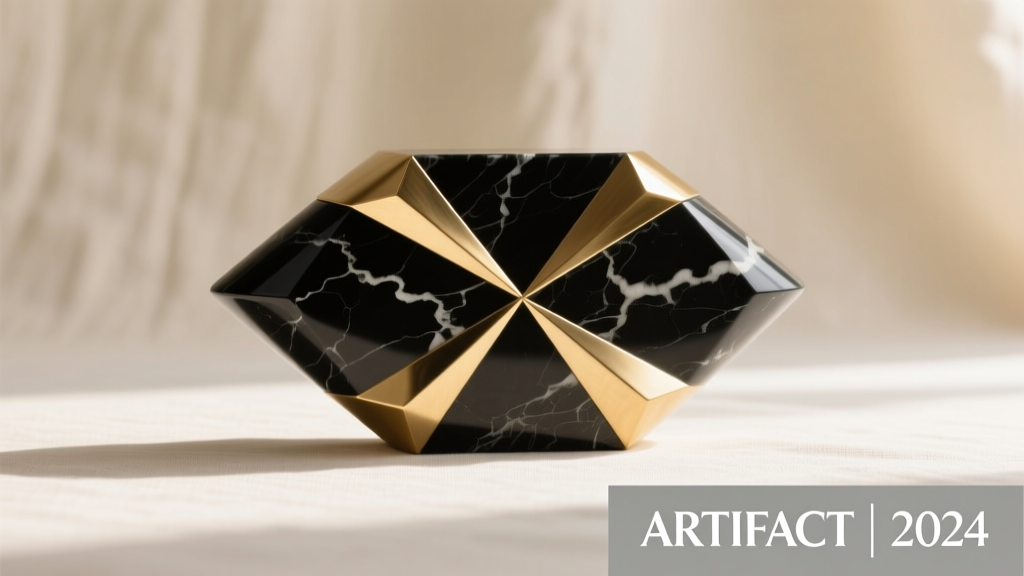
Contemporary saffron cans with geometric patterns reflect innovation and precision. Characterized by bold shapes, symmetry, sharp angles, and dynamic color contrasts, this style creates a strong visual impact on retail shelves.
Often using metallic accents, high-gloss finishes, or matte textures, geometric designs appeal to a younger, urban demographic that values modern aesthetics and design-forward branding. The structured, almost architectural look reinforces brand values such as accuracy, quality control, and cutting-edge presentation—ideal for brands positioning saffron as a modern luxury ingredient in gourmet and culinary spaces.
Eco-Friendly Design
With growing consumer awareness of sustainability, eco-conscious saffron packaging uses recyclable, biodegradable, or reusable materials such as glass jars, aluminum tins, or kraft paper containers. These materials reduce environmental impact while maintaining product integrity.
Designs typically feature earthy tones—greens, browns, beiges—and natural textures, often paired with simple, handcrafted typography. Certifications like “compostable” or “recyclable” are prominently displayed to reinforce transparency. This approach not only aligns with environmentally responsible values but also enhances brand trust and loyalty among eco-aware consumers who prioritize ethical consumption.
Luxury Design
Given saffron’s status as one of the world’s most expensive spices, luxury packaging is designed to mirror its exclusivity. Premium materials such as rigid boxes, magnetic closures, velvet finishes, metallic foils, and embossed logos create a tactile and visual experience of opulence.
Rich, deep hues like burgundy, navy blue, or black, accented with gold or silver, convey prestige and timelessness. Interior lining with satin or felt protects the saffron while enhancing the unboxing ritual. This design style targets high-end markets, gifting segments, and connoisseurs who expect packaging to reflect the rarity and value of the contents—turning a simple purchase into a memorable, sensory experience.
Functional & Protective Features
Beyond aesthetics, effective saffron can design must prioritize product preservation. Saffron is highly sensitive to light, moisture, and air, which can degrade its color, aroma, and potency. Therefore, top-tier packaging often includes UV-protected glass, airtight seals, inner liners, or vacuum-sealed compartments.
Some designs incorporate transparent windows with protective coatings to showcase the saffron threads without compromising quality. Others use opaque materials with elegant cutouts or inserts. These functional elements, when seamlessly integrated into the design, assure consumers of freshness and longevity—adding practical value to the visual appeal.
| Design Style | Target Audience | Key Materials | Brand Message |
|---|---|---|---|
| Minimalistic | Premium, modern, detail-oriented consumers | Matte paper, glass, simple metal tins | Purity, simplicity, authenticity |
| Cultural Motifs | Heritage-seeking, traditional, gift buyers | Art-printed paper, embossed metal, fabric accents | Authenticity, tradition, storytelling |
| Modern Geometric | Urban, design-savvy, younger demographics | High-gloss metal, acrylic, bold laminates | Innovation, precision, contemporary luxury |
| Eco-Friendly | Eco-conscious, sustainable lifestyle advocates | Recycled paper, glass, bioplastics, kraft board | Sustainability, responsibility, natural purity |
| Luxury | High-end, gifting, connoisseur markets | Rigid boxes, velvet, metallic foils, magnetic closures | Exclusivity, elegance, premium value |
Best Practices in Saffron Packaging Design
Important: While aesthetics are crucial, never compromise on functionality. Poorly sealed or non-protective packaging can lead to spoilage, damaging brand reputation. Always balance visual appeal with practical preservation needs. Investing in high-quality, well-designed packaging not only safeguards saffron but also elevates its perceived value and market competitiveness.
How to Choose Saffron Packaging: A Complete Guide
Selecting the right packaging for saffron is a crucial decision that impacts the spice’s quality, shelf life, brand perception, and environmental footprint. As one of the world’s most valuable and sensitive spices, saffron requires packaging that protects its delicate threads, preserves its aroma and medicinal properties, and aligns with consumer expectations for luxury, sustainability, and authenticity.
Preservation: Protecting Potency and Purity
Saffron is highly sensitive to environmental factors such as light, oxygen, and moisture—all of which can degrade its key compounds like crocin (responsible for color), picrocrocin (bitterness), and safranal (aroma). Poor storage can lead to rapid loss of flavor, color intensity, and therapeutic value.
- Light protection: Opaque containers—especially metal tins or dark-tinted, vacuum-sealed glass—block UV and visible light, preventing photo-oxidation that diminishes saffron’s vibrant red hue and potency.
- Airtight sealing: Hermetic seals minimize oxygen exposure, slowing down oxidation and preserving the volatile safranal content critical for aroma.
- Moisture resistance: Desiccant-lined lids or moisture-barrier materials prevent humidity absorption, which can cause mold, clumping, or premature degradation.
Expert tip: For long-term storage, vacuum-sealed aluminum cans with nitrogen flushing offer the highest protection, commonly used by premium producers and exporters.
Durability & Transport: Ensuring Safe Delivery
Given saffron’s high value and fragility, packaging must withstand shipping, handling, and variable storage conditions without compromising the product.
- Impact resistance: Rigid materials like tinplate steel, thick glass, or reinforced cardboard boxes protect delicate threads from crushing or breakage during transit.
- Vibration protection: Internal cushioning (e.g., foam inserts or compartmentalized trays) prevents movement and abrasion, maintaining thread integrity.
- Temperature stability: Metal and glass offer better thermal insulation than plastic, reducing the risk of heat-induced degradation in warm climates.
Key insight: Durable packaging not only protects the product but also enhances customer trust—receiving an intact, pristine container reinforces the perception of quality and care.
Sustainability: Eco-Conscious Packaging Choices
Modern consumers increasingly prioritize environmentally responsible products. Sustainable packaging reflects brand ethics and appeals to eco-aware buyers.
- Recyclable materials: Aluminum tins and glass jars are infinitely recyclable and have high recovery rates globally.
- Biodegradable options: Cardboard or bamboo-based containers with plant-based coatings offer compostable alternatives for eco-focused brands.
- Reduced plastic use: Avoiding single-use plastics aligns with global sustainability goals and regulations, enhancing brand reputation.
- Reusable design: Elegant tins or jars encourage consumers to repurpose containers, extending brand visibility and reducing waste.
Green advantage: Brands using sustainable packaging often see improved customer loyalty and positive word-of-mouth, especially in premium and organic markets.
Branding & Aesthetics: Creating a Premium Experience
Packaging is a powerful branding tool—especially for luxury goods like saffron. The visual and tactile experience influences perception, desirability, and perceived value.
- Design language: Whether minimalist, traditional Persian-inspired, or modern-luxury, the design should reflect brand identity and cultural authenticity.
- Color psychology: Gold, deep red, and black convey luxury and richness, while earth tones suggest natural purity.
- Labeling clarity: Include origin (e.g., "Iranian Crocus sativus"), grade (e.g., ISO 3632 Category I), harvest date, and usage tips to build trust and educate consumers.
- Unboxing experience: Elegant finishes like embossing, matte textures, or magnetic closures enhance perceived value and encourage social sharing.
Pro tip: Limited edition or gift-ready packaging can boost sales during holidays and special occasions.
Market Segmentation: Tailoring Packaging to Audience
Different customer segments have distinct expectations and usage patterns—packaging should reflect these differences to maximize appeal and functionality.
- Luxury consumers: Prefer small, elegant tins or glass vials with artisanal branding, often gifted or used in fine dining.
- Commercial buyers: Restaurants, food manufacturers, and herbalists may need larger, resealable containers with batch tracking and food-grade certification.
- Home users: Medium-sized, user-friendly packages with measuring spoons or portion guides improve convenience and reduce waste.
- Eco-conscious buyers: Seek refillable systems, minimal packaging, and clear sustainability claims.
Strategic insight: Offering multiple packaging tiers allows brands to serve diverse markets while maintaining premium positioning.
Additional Considerations
- Regulatory compliance: Ensure packaging meets food safety standards (e.g., FDA, EU) and includes required labeling like ingredient lists and allergen info.
- Anti-counterfeiting: Use holograms, batch codes, or QR tags linking to authenticity verification for high-value saffron.
- Storage instructions: Include care tips (e.g., “Store in a cool, dark place”) to help consumers preserve quality.
- Cost efficiency: Balance material quality with production costs—premium packaging should enhance value without inflating price disproportionately.
Final note: The best saffron packaging seamlessly combines science, sustainability, and storytelling to protect the product and elevate the brand.
Professional Recommendation: For most premium saffron brands, a dual-layer approach works best—inner vacuum-sealed foil pouch inside a sturdy, recyclable metal tin. This combines maximum preservation with elegant presentation and environmental responsibility. Always prioritize material quality over decorative appeal; a beautiful but ineffective container ultimately fails the product it contains.
| Customer Segment | Recommended Packaging Type | Key Features | Material Suggestions |
|---|---|---|---|
| Luxury/Gift Market | Small decorative tin or glass vial | Hermetic seal, embossed logo, gift box | Aluminum, borosilicate glass |
| Home Cooks | Medium resealable container | Measuring guide, clear labeling, UV protection | Dark glass, BPA-free plastic with metal lid |
| Commercial Kitchens | Large airtight canister | Batch coding, food-safe certification, stackable design | Stainless steel, heavy-duty PET |
| Eco-Conscious Buyers | Refillable or biodegradable container | Minimalist design, compostable materials, refill program | Bamboo, recycled paper composite, PLA bioplastic |
Final Thoughts: The Art and Science of Saffron Packaging
Choosing the right saffron can is not just about containment—it’s about preservation, presentation, and purpose. The ideal packaging acts as a guardian of quality, a canvas for brand storytelling, and a statement of environmental responsibility. By balancing technical performance with aesthetic appeal and market insight, brands can create a packaging solution that honors the spice’s legacy while meeting modern consumer demands.
Remember: when done right, saffron packaging doesn’t just hold value—it adds to it.
Q&A: Saffron Packaging, Preservation & Sustainability
As one of the world's most valuable spices, saffron requires careful handling and thoughtful packaging to preserve its aroma, color, and medicinal properties. This comprehensive Q&A addresses key concerns about optimal storage, consumer perception, recyclability, sustainability, and shelf life. Whether you're a producer, retailer, or enthusiast, understanding the role of packaging in maintaining saffron quality is essential for both product integrity and brand success.
Did You Know? Saffron contains over 150 volatile compounds that contribute to its distinctive aroma and flavor. Exposure to light, air, or moisture can degrade these compounds within weeks, significantly reducing potency and value.
SQ1: What are the benefits of placing saffron in a metal can?
A1: Aluminum or tin-plated steel metal cans are among the best options for saffron storage due to their exceptional protective qualities. These containers provide a complete barrier against three primary degrading factors: light, oxygen, and moisture. Unlike plastic or cardboard, metal does not allow UV rays to penetrate, preventing photodegradation of crocin (the pigment responsible for saffron’s rich color) and safranal (the compound behind its signature aroma).
Metal tins are also highly durable, resistant to crushing during transport, and often feature airtight seals that maintain internal pressure stability. Their compact, stackable design makes them ideal for retail shelving and long-term storage. Additionally, metal surfaces allow for high-quality printing, embossing, or custom finishes—offering brands a premium canvas for logo placement, authenticity seals, and storytelling elements that enhance perceived value and consumer trust.
SQ2: How does the design of a saffron can impact consumer perception?
A2: Packaging design plays a pivotal role in shaping consumer expectations and emotional connection with saffron. Given its status as a luxury spice—often referred to as "red gold"—consumers expect packaging that reflects its exclusivity and craftsmanship. A well-designed metal can conveys quality, care, and authenticity.
Elements such as matte vs. glossy finishes, color schemes, typography, and tactile textures all contribute to the sensory experience before the product is even opened. For example, minimalist designs with gold foil accents may appeal to high-end culinary markets, while traditional patterns might resonate with cultural or heritage positioning.
Functionality also influences perception: easy-to-open lids, resealable closures, and clear labeling (including origin, grade, and harvest date) reinforce transparency and usability. When design aligns with both aesthetic appeal and practical performance, it fosters brand loyalty, encourages repeat purchases, and positions the product as a premium offering in a competitive market.
SQ3: Are airtight and vacuum-sealed metal tins recyclable?
A3: Yes, most airtight and vacuum-sealed metal tins used for saffron packaging are fully recyclable. Tinplate steel and aluminum—the two most common materials—are among the most recycled packaging materials globally due to their magnetic properties (steel) and lightweight efficiency (aluminum).
However, proper disposal is crucial. Consumers should remove any non-metal components such as plastic lids, silicone seals, or paper labels before recycling. While some modern tins integrate composite materials that complicate separation, many manufacturers now use easily detachable parts or water-soluble adhesives to improve recyclability.
In contrast, paperboard cans—often used as outer sleeves—may be less recyclable if lined with plastic or coated with adhesive residues from vacuum seals. To maximize sustainability, choose packaging where metal and paper components can be separated cleanly. Always check local recycling guidelines, as municipal facilities vary in their ability to process mixed-material containers.
Environmental Note: Recycling one ton of steel saves 2,500 pounds of iron ore and reduces CO₂ emissions by 86%. Choosing recyclable metal tins supports circular economy principles and reduces landfill burden.
SQ4: How does sustainable packaging affect saffron packaging choices?
A4: Sustainable packaging has become a decisive factor in saffron packaging decisions, driven by increasing consumer demand for eco-conscious products. Brands are responding by shifting toward materials that are recyclable, biodegradable, or made from post-consumer recycled content.
For saffron, this means prioritizing metal tins over plastic, using FSC-certified paperboard for outer packaging, minimizing excess materials, and eliminating non-recyclable laminates. Some producers are exploring innovative alternatives like plant-based inks, compostable inner liners, or refillable tin systems to further reduce environmental impact.
Beyond environmental benefits, sustainable packaging strengthens brand reputation, appeals to environmentally aware demographics, and aligns with global initiatives such as the UN Sustainable Development Goals (SDG 12: Responsible Consumption and Production). It also helps meet regulatory requirements in regions with strict packaging waste laws, such as the EU’s Single-Use Plastics Directive.
Ultimately, sustainability is no longer just an ethical choice—it's a strategic advantage that enhances customer loyalty, differentiates products in the marketplace, and future-proofs brands against tightening environmental regulations.
SQ5: What role does packaging play in extending saffron's shelf life?
A5: Proper packaging is the single most important factor in preserving saffron’s shelf life, which can range from 1 to 3 years when stored correctly. The volatile compounds in saffron—particularly safranal, picrocrocin, and crocin—are highly sensitive to environmental exposure.
Air introduces oxygen, accelerating oxidation and causing loss of aroma and flavor. Light, especially ultraviolet (UV) rays, breaks down pigments and degrades potency. Moisture promotes mold growth and clumping, while temperature fluctuations can cause condensation inside containers.
Vacuum-sealed glass jars or metal tins offer superior protection by creating an inert environment. These materials block nearly 100% of light and oxygen, and when combined with desiccants or nitrogen flushing, they significantly slow degradation. Unlike plastic, which can leach chemicals or allow micro-permeation of gases, glass and metal are chemically inert and non-porous.
To maximize shelf life, store saffron in a cool, dark place—such as a pantry or drawer—away from heat sources like stoves or direct sunlight. Once opened, ensure the container is tightly sealed after each use. With optimal packaging and storage, saffron retains its vibrant color, intense aroma, and therapeutic benefits far longer, delivering consistent quality to the end user.
| Packaging Feature | Function | Impact on Saffron Quality | Sustainability Rating |
|---|---|---|---|
| Light-Blocking Metal Tin | Prevents UV degradation | Preserves color and aroma (crocin & safranal) | ★★★★☆ (Highly recyclable) |
| Airtight Seal | Minimizes oxygen exposure | Slows oxidation and flavor loss | ★★★★★ (Reusable, durable) |
| Vacuum or Nitrogen Flush | Removes or replaces air | Extends shelf life by 6–12 months | ★★★☆☆ (Energy-intensive but effective) |
| FSC-Certified Paperboard Sleeve | Branding and secondary protection | Enhances presentation; minimal direct impact | ★★★★☆ (Biodegradable if uncoated) |
| Plastic Lid or Inner Liner | Seals moisture out | Risk of chemical leaching or permeability | ★☆☆☆☆ (Low recyclability) |
Pro Tip: For long-term storage, consider transferring saffron threads into a vacuum-sealed metal tin and keeping it in a dark cupboard. Avoid refrigeration unless absolutely necessary, as condensation upon removal can damage the delicate threads. Label the container with the purchase or harvest date to track freshness.
Additional Recommendations for Saffron Storage & Packaging
- Always purchase saffron in opaque, airtight containers—avoid clear jars or plastic bags.
- Look for packaging that includes a batch number, country of origin, and ISO or ISO 3632 grading standard for authenticity.
- Choose brands that use minimal, recyclable packaging without excessive plastic components.
- Store saffron away from strong-smelling spices to prevent odor absorption.
- Grind saffron only when needed—whole threads retain potency longer than powdered forms.
- Consider reusable tins that can be refilled or repurposed after use (e.g., for jewelry or tea storage).
Effective saffron packaging goes beyond aesthetics—it's a science-driven solution that safeguards quality, enhances consumer trust, and supports environmental responsibility. By choosing high-performance, sustainable materials like metal tins, producers and consumers alike contribute to preserving the integrity of this extraordinary spice for generations to come.