Beyond its reputation as a nutritious green vegetable, broccoli becomes something extraordinary when roasted—developing nutty sweetness, crisp edges, and a deeply satisfying texture. When paired with the aromatic punch of garlic and the umami richness of Parmesan cheese, it transcends the realm of mere side dishes to become a centerpiece of flavor and balance. This preparation is not only accessible to home cooks but also favored in professional kitchens for its reliability, depth, and ability to elevate everyday meals. Understanding how to execute it properly—maximizing browning, avoiding sogginess, and layering flavors at the right stages—makes all the difference between a good version and an exceptional one.
Definition & Overview
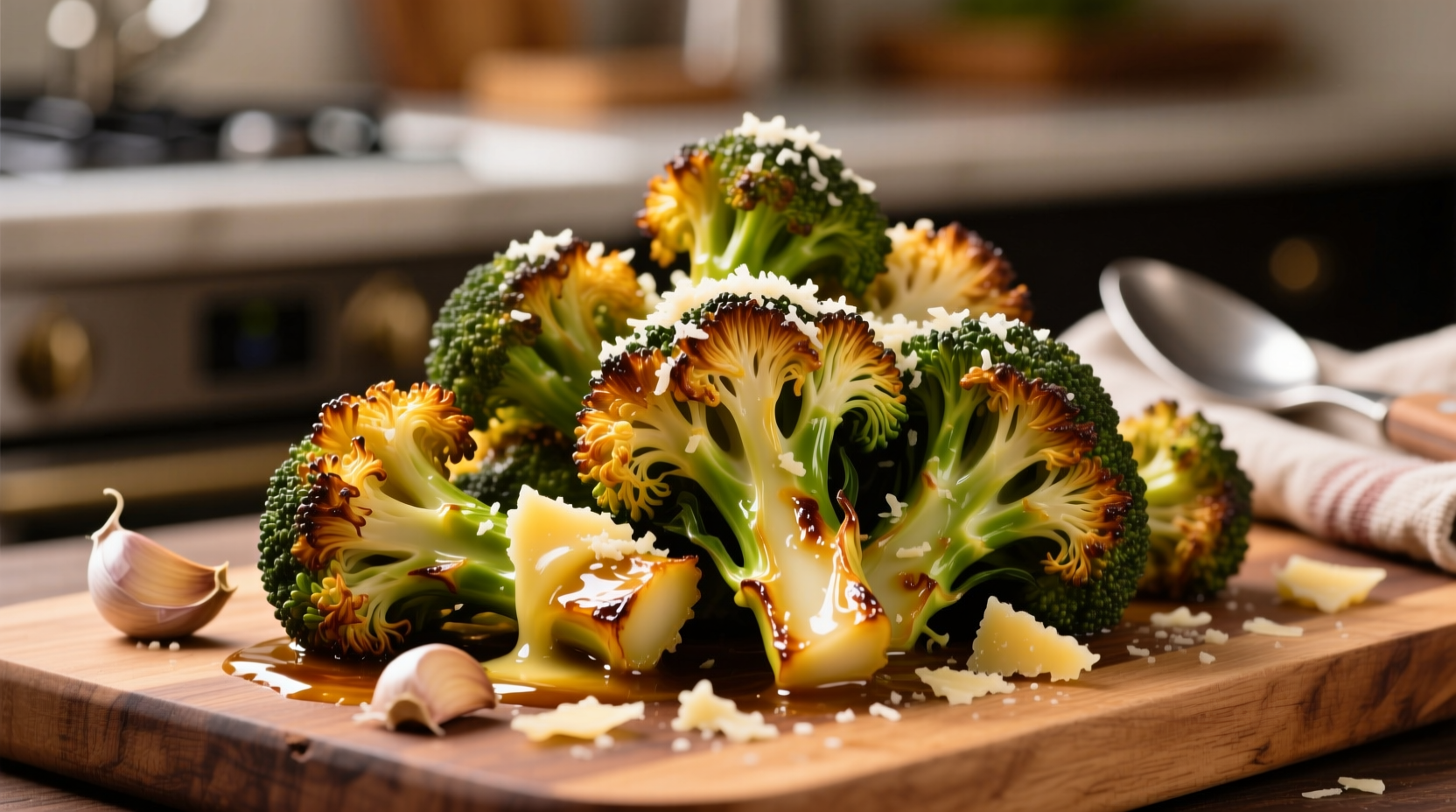
Roasted broccoli with garlic and Parmesan cheese is a modern classic in vegetable cookery, combining high-heat roasting with minimal yet potent seasonings to highlight natural flavors. Unlike steaming or boiling, which can leach out nutrients and leave broccoli limp, roasting caramelizes the surface sugars, creating complex Maillard reactions that yield golden-brown edges and a slightly smoky depth. The addition of fresh garlic adds pungency and warmth, while finely grated or shaved Parmigiano-Reggiano contributes salt, fat, and a granular crunch that contrasts beautifully with the tender-crisp stalks.
This dish belongs to the broader category of contorni—Italian-style side dishes—that emphasize seasonal vegetables prepared simply but with precision. While variations exist globally (such as Chinese stir-fried gai lan or Indian Bharwaan Hari Phool Gobhi), this particular rendition reflects Mediterranean-influenced American and European home cooking, where pantry staples like olive oil, garlic, and aged cheeses are used to intensify rather than mask the integrity of the produce.
Key Characteristics
| Attribute | Description |
|---|---|
| Flavor Profile | Savory, nutty, mildly bitter (from char), with garlicky sharpness and cheesy umami. |
| Aroma | Toasted nuts, browned butter, roasted garlic, and caramelized cruciferous notes. |
| Texture | Crisp-tender florets with slight resistance when bitten; stems remain firm but edible. |
| Color | Olive-green turning deep gold at edges; flecks of white from cheese; golden-brown garlic bits. |
| Cooking Method | Dry-heat roasting at high temperature (typically 400–450°F / 200–230°C). |
| Shelf Life | Best served immediately; leftovers keep refrigerated up to 3 days, though texture softens. |
| Culinary Function | Side dish, salad component, grain bowl topping, or vegetarian main when paired with protein. |
Practical Usage: How to Prepare Perfect Roasted Broccoli
The success of this dish hinges on technique more than ingredient quantity. Even modest amounts of garlic and cheese shine when applied correctly. Below is a detailed, step-by-step method refined through culinary testing and restaurant practice.
- Select and trim the broccoli: Choose heads with tight, dark green florets and firm stalks. Avoid yellowing or flowering buds. Cut into even-sized pieces—about 1.5 inches across—so they roast uniformly. Include the peeled stem, sliced thinly on the diagonal or diced, as it offers a pleasant crunch.
- Dry thoroughly: Moisture is the enemy of browning. After washing, pat dry with a clean towel or use a salad spinner. Wet broccoli will steam instead of roast.
- Toss with fat and seasoning: Place broccoli on a large rimmed baking sheet. Drizzle with 1½–2 tablespoons of extra-virgin olive oil per pound of broccoli. Add ¾ teaspoon kosher salt and freshly ground black pepper to taste. Toss by hand or with tongs until evenly coated.
- Add raw garlic later: A common mistake is adding minced garlic at the beginning, causing it to burn. Instead, scatter 2–3 finely chopped cloves over the broccoli during the last 8–10 minutes of roasting.
- Rosette at high heat: Preheat oven to 425°F (220°C). Arrange broccoli in a single layer, ensuring space between pieces to allow evaporation and crisping. Overcrowding leads to steaming.
- Roast for 20–25 minutes: Flip halfway through using a spatula. The ideal finish includes deep golden edges, slight charring on tips, and tenderness when pierced with a knife.
- Finish with cheese and optional enhancements: Immediately after removing from oven, sprinkle with ¼ cup freshly grated Parmesan per pound of broccoli. The residual heat will melt it slightly without scorching. Optional additions include lemon zest, red pepper flakes, toasted pine nuts, or a splash of balsamic glaze.
Pro Tip: For maximum crispness, place the baking sheet on the middle-to-lower rack near the heating element. If your oven has convection mode, use it—the circulating air accelerates dehydration and improves browning.
When to Use Raw vs. Roasted Garlic
Raw garlic added late delivers brightness and bite, complementing the earthiness of roasted greens. Roasted whole cloves (roasted alongside broccoli) offer a milder, sweeter profile and creamy texture. For layered flavor, combine both: roast a few smashed cloves with the broccoli from the start, then add minced raw garlic at the end.
Precision in Cheese Selection
True Parmigiano-Reggiano, aged 18–24 months, provides superior salinity, crystalline texture, and savory depth compared to pre-grated \"Parmesan\" blends often mixed with cellulose or cheaper cheeses. Grate it fresh using a microplane or fine grater for optimal melt and distribution.
Variants & Types
While the core formula remains consistent, several adaptations cater to different dietary needs, flavor preferences, or cultural interpretations:
- Vegan Version: Replace Parmesan with nutritional yeast (2–3 tablespoons) or vegan Parmesan alternatives made from nuts and miso. Boost umami with a dusting of mushroom powder.
- Lemon-Garlic Variation: Finish with 1 teaspoon of finely zested lemon and ½ tablespoon of juice post-roast. The acidity cuts richness and lifts the aroma.
- Spicy Arrabbiata Style: Add ¼–½ teaspoon crushed red pepper flakes before roasting, or toss with a chili-infused olive oil after cooking.
- Cheese Variations: Substitute Pecorino Romano for a sharper, saltier note; or use Manchego for nuttiness. Feta can be crumbled on top after roasting for briny contrast.
- Sheet Pan Protein Pairings: Roast chicken thighs, salmon fillets, or sausages on the same tray (placed opposite the broccoli) for a complete meal with shared cleanup.
- Smoked Oil Infusion: Use smoked olive oil instead of regular for a subtle barbecue-like complexity, especially effective in winter months.
| Variant | Best Used For | Adjustments Needed |
|---|---|---|
| Vegan Nutritional Yeast | Plant-based diets, dairy allergies | Add 1 tsp soy sauce or tamari to oil mix for deeper umami |
| Lemon Zest + Chili Flakes | Spring/summer menus, light fare | Add zest after roasting to preserve volatile oils |
| Pecorino Romano | Heartier, rustic dishes | Use sparingly—saltier than Parmesan |
| Convection Roast (Fan-Assisted) | Faster cooking, crispier results | Reduce time by 3–5 minutes; monitor closely |
Comparison with Similar Ingredients
Broccoli is often grouped with other cruciferous vegetables, but its behavior under heat differs significantly from close relatives. Understanding these distinctions ensures better recipe outcomes.
| Vegetable | Roasting Behavior | Flavor Difference | Substitution Viability |
|---|---|---|---|
| Broccolini | More delicate; roasts faster (~15 min); stems stay tender | Sweeter, less bitter; mild garlic notes naturally | Yes, reduce oil and time; treat like asparagus |
| Cauliflower | Denser; requires longer roasting (~25–30 min) | Milder, starchier; absorbs flavors more readily | Yes, but adjust time; may need more cheese/oil |
| Brussels Sprouts | Develops intense caramelization; best halved | Stronger bitterness; nuttier when roasted | Limited—different mouthfeel and density |
| Green Beans | Very fast roast (~10–12 min); dries quickly | Grassy, sweet snap; less fibrous | No—texture and water content differ too much |
“The key to great roasted broccoli isn’t fancy equipment—it’s patience and spacing. Let the heat do its job. Crowded pans trap steam, and burnt garlic ruins everything.”
— Chef Elena Torres, Culinary Instructor, San Francisco Cooking School
Practical Tips & FAQs
Can I prep roasted broccoli ahead of time?
Yes, but with caveats. Trim and wash broccoli up to 24 hours in advance; store wrapped in a dry towel inside a container in the refrigerator. Do not toss with oil until ready to roast, as premature coating accelerates spoilage and inhibits drying. Fully cooked broccoli reheats poorly due to moisture release—instead, re-crisp in a hot oven at 400°F for 5–7 minutes.
Why did my broccoli turn soggy?
Sogginess typically results from one of four issues: overcrowded baking sheets, insufficient preheating, wet produce, or covering the pan post-roast. Always use a large enough sheet pan (half-sheet minimum for 1–2 lbs), ensure the oven is fully heated, and never cover the dish unless steaming was the intended method.
How much garlic should I use?
For one pound of broccoli, 2–3 medium cloves provide balanced flavor without overpowering. Adjust based on preference: timid palates may reduce to 1 clove; enthusiasts can increase to 4, especially if combining raw and roasted forms.
Is pre-grated Parmesan acceptable?
Not recommended. Most shelf-stable grated cheeses contain anti-caking agents like cellulose, which prevent proper melting and leave a gritty residue. Freshly grated Parmigiano-Reggiano melts smoothly and integrates seamlessly into the oil coating.
What oil works best?
Extra-virgin olive oil is ideal for its flavor and smoke point (around 375–410°F), sufficient for roasting at 425°F given short exposure. For higher-heat tolerance, refined avocado oil (smoke point ~520°F) is a neutral alternative, though it lacks the aromatic complexity of EVOO.
Can I roast frozen broccoli?
Not effectively. Frozen broccoli has undergone blanching and contains excess internal moisture, leading to mushy texture and poor browning. It may work in emergencies if thawed completely and dried aggressively, but fresh yields far superior results.
How to store leftovers?
Cool within two hours and transfer to an airtight container. Refrigerate for up to three days. Reheat on a baking sheet in a 400°F oven for 6–8 minutes to restore some crispness. Microwaving is discouraged—it turns the texture rubbery.
Can this be made in an air fryer?
Yes, and often with improved results due to concentrated heat circulation. Cook at 400°F for 12–15 minutes, shaking the basket every 5 minutes. Reduce oil slightly (1 tbsp per pound) since air fryers require less fat. Add garlic in the last 5 minutes.
Storage Checklist:
☐ Cool completely before storing
☐ Use glass or BPA-free plastic containers
☐ Label with date
☐ Consume within 3 days
☐ Reheat in oven or toaster oven—not microwave
Summary & Key Takeaways
Roasted broccoli with garlic and Parmesan cheese exemplifies how simplicity, when executed with attention to detail, produces restaurant-quality results at home. The transformation from raw vegetable to golden, savory delight relies on precise control of moisture, heat, timing, and seasoning order.
- Always dry broccoli thoroughly and roast in a single layer to achieve crisp, caramelized edges.
- Add minced garlic in the final 8–10 minutes to avoid burning and retain aromatic brightness.
- Use freshly grated Parmigiano-Reggiano for optimal flavor, texture, and melt.
- Variations such as lemon zest, chili flakes, or vegan substitutes allow customization without compromising integrity.
- Avoid frozen broccoli; fresh yields vastly better texture and browning potential.
- Leftovers can be revived in a hot oven but lose peak crispness after refrigeration.
- This dish pairs well with proteins, grains, and legumes, making it versatile beyond a simple side.
Mastering this preparation builds foundational skills applicable to countless roasted vegetable dishes—understanding heat dynamics, managing moisture, and layering flavors thoughtfully. Whether served alongside grilled steak, tossed into a warm grain salad, or enjoyed solo with crusty bread, roasted broccoli with garlic and Parmesan stands as a testament to the power of restraint and precision in modern home cooking.
Try this recipe twice: once following the steps exactly, then again experimenting with one variation. Notice how small changes affect outcome—and soon, you’ll trust your instincts in the kitchen.