For cooks who crave depth, warmth, and a touch of fire, few pantry staples deliver as reliably as red flakes. These vibrant crimson shards are more than just a heat source—they’re a flavor catalyst, a textural accent, and a visual signature in cuisines across the globe. Whether sprinkled over pizza, stirred into stews, or infused into oils, red flakes transform the ordinary into something urgent and alive. In an era where bold flavors dominate home cooking and restaurant menus alike, understanding red flakes isn’t optional—it’s essential.
The term “red flakes” often evokes images of crushed red pepper on a diner table, but its scope is far broader. It encompasses a range of dried, flaked chili peppers, each varying in origin, heat level, and complexity. Used judiciously, they enhance without overwhelming; used boldly, they command attention. This guide demystifies red flakes—not just as a spice, but as a culinary tool—equipping you with the knowledge to wield them with confidence and creativity.
Definition & Overview
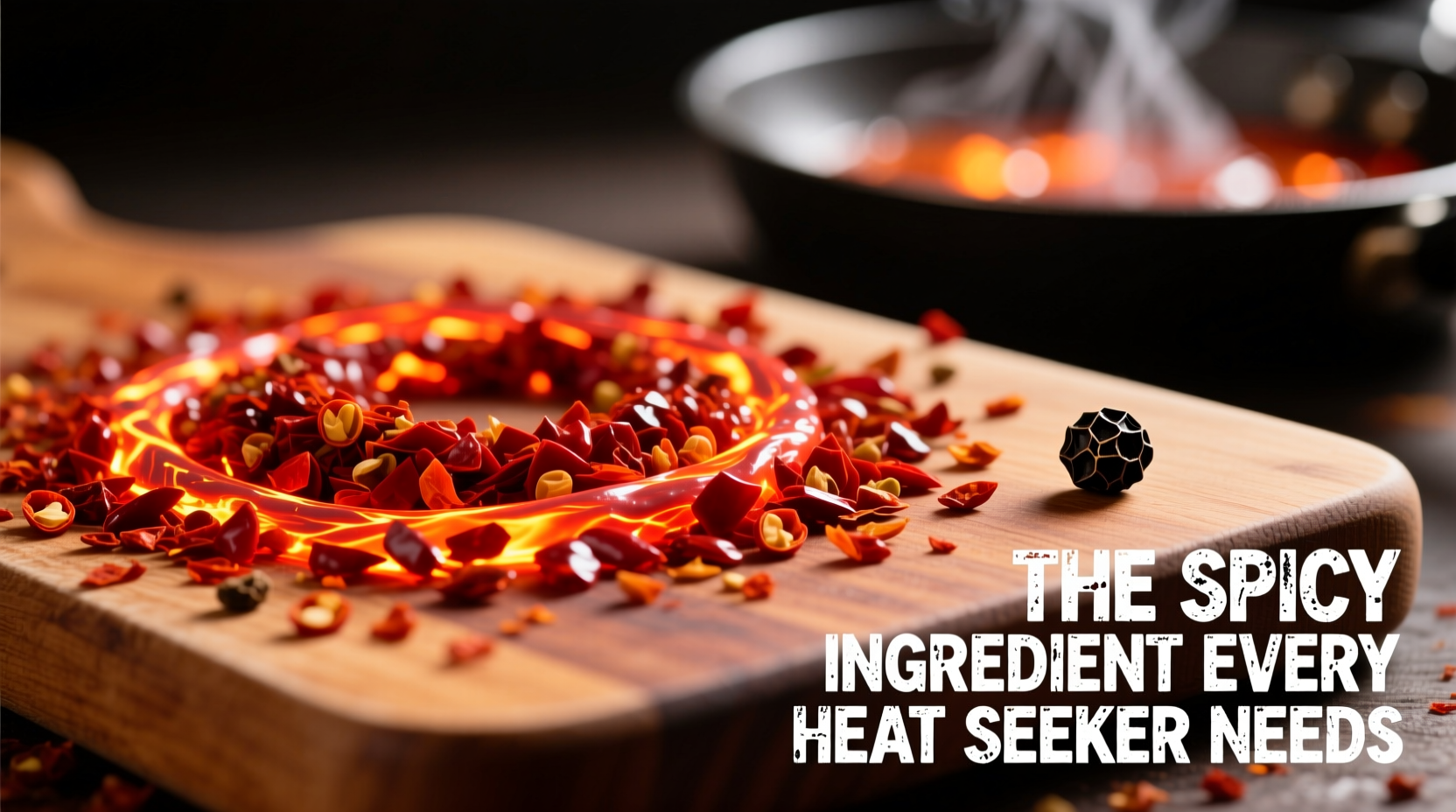
Red flakes refer to dried, coarsely ground or flaked chili peppers, primarily derived from varieties of *Capsicum annuum*. They are not a single standardized product but a category defined by form (flaked) and color (red), typically made from fully ripened, sun-dried chilies that have been crushed to varying degrees of fineness.
Historically, flaking chili peppers emerged as a preservation method in warm climates such as Southern Italy, Turkey, and parts of India and China, where drying extended shelf life while concentrating flavor. Over time, the technique evolved into a culinary art. Today, red flakes are foundational in Italian-American cooking, essential in Sichuan stir-fries, and increasingly common in fusion and modern global kitchens.
The flavor profile of red flakes is multifaceted: earthy, faintly smoky, with a slow-building heat that varies depending on the cultivar and processing. Unlike fresh chilies, which offer bright acidity and moisture, red flakes contribute dry intensity and a slight crunch when used as a garnish. Their potency lies not only in capsaicin—the compound responsible for heat—but also in their ability to infuse oil-based mediums, releasing aromatic compounds during cooking.
Key Characteristics
| Characteristic | Description |
|---|---|
| Flavor | Earthy, slightly sweet, with notes of raisin, tobacco, or smoke depending on variety |
| Aroma | Dry, warm, peppery; intensifies when heated in oil |
| Color | Bright to deep red; may include flecks of seed and skin |
| Heat Level | Mild to hot (2,500–30,000 Scoville units), depending on type |
| Culinary Function | Heat source, flavor enhancer, textural element, coloring agent |
| Shelf Life | 1–2 years when stored properly; loses potency over time |
| Form | Irregular flakes, ranging from coarse to fine grind |
The presence of seeds and inner membranes in commercial blends increases heat, as these tissues contain the highest concentration of capsaicin. Finer grinds dissolve more readily into sauces, while coarser versions provide a perceptible bite and are preferred for finishing dishes.
Practical Usage: How to Use Red Flakes in Cooking
Red flakes excel in applications where gradual heat infusion and flavor layering matter. Their versatility spans techniques, cuisines, and stages of cooking—from the first sizzle in oil to the final sprinkle on a plated dish.
Sautéing and Infusing Oils
One of the most effective methods is blooming red flakes in hot oil. When added to a pan early in the cooking process—typically alongside garlic or onions—the heat extracts volatile oils, mellowing raw sharpness and distributing warmth evenly. This technique is central to *aglio e olio*, arrabbiata sauce, and many Indian tempering (*tadka*) sequences.
Pro Tip: Add flakes to cold oil, then heat slowly. This prevents burning and maximizes flavor extraction. Remove from heat just before smoking begins.
In Sauces and Stews
Red flakes integrate seamlessly into tomato-based sauces, curries, braises, and broths. Because they are dehydrated, they absorb liquid and soften over time, contributing body and sustained heat rather than a sudden punch. For even dispersion, crush them slightly between your fingers before adding.
Use ¼ to ½ teaspoon per serving as a starting point, adjusting to taste. Remember: heat builds gradually and intensifies upon standing, so err on the side of caution during initial seasoning.
As a Finishing Garnish
Coarse red flakes add both heat and texture when sprinkled atop finished dishes. They work particularly well on:
- Pizza (especially Neapolitan or New York style)
- Roasted vegetables
- Grilled meats and seafood
- Avocado toast or hummus bowls
- Noodle dishes like ramen or dan dan noodles
The contrast of crisp flakes against soft textures enhances mouthfeel, while the visual pop signals bold flavor ahead.
In Marinades and Dry Rubs
Combine red flakes with salt, sugar, smoked paprika, garlic powder, and herbs to create robust rubs for ribs, chicken, or tofu. In marinades, they pair especially well with acidic components like vinegar or citrus juice, which help draw out their essence.
Chef’s Note: For deeper flavor, toast whole dried chilies lightly in a dry skillet, then crush them yourself. Freshly flaked chilies retain more volatile oils and deliver a cleaner, brighter heat than pre-packaged blends.
Variants & Types
Not all red flakes are created equal. The market offers several distinct types, each suited to different culinary goals. Understanding these variations allows for precision in cooking.
1. Standard Crushed Red Pepper (U.S. Commercial Blend)
The most common type found in supermarkets, typically a mix of cayenne, serrano, and other medium-heat chilies. Moderately hot with a straightforward burn. Ideal for everyday use—think pizza, pasta, eggs.
2. Calabrian Chili Flakes (Italy)
Hailing from Calabria, these are made from *peperoncino*—a fruity, moderately hot chili with notes of citrus and berry. Often packed in olive oil, they bring both heat and complexity to seafood, pasta, and vinaigrettes. More expensive but worth it for nuanced dishes.
3. Korean Gochugaru (Flake Form)
While usually sold as a powder, gochugaru is technically a red flake when coarsely ground. Made from sun-dried Korean chili peppers, it offers vibrant color, mild to moderate heat, and a sweet, smoky depth. Essential in kimchi, tteokbokki, and gochujang-based sauces.
4. Urfa Biber (Turkey)
A specialty flake from southeastern Turkey, Urfa biber is sun-dried, then fermented slightly and cooled at night, giving it a raisin-like sweetness, smoky umami, and low-to-moderate heat with a cooling afternote. Dark reddish-purple in hue, it adds intrigue to lentil dishes, roasted carrots, or chocolate desserts.
5. Kashmiri Chili Flakes (India)
Valued more for their brilliant red color than intense heat, Kashmiri flakes deliver mild warmth and a tangy brightness. Often used in tandoori marinades and biryanis to achieve rich color without excessive spiciness.
| Type | Heat (Scoville) | Flavor Notes | Best Uses |
|---|---|---|---|
| Standard Crushed Red Pepper | 30,000–50,000 | Sharp, pungent, clean heat | Pizza, pasta, eggs, soups |
| Calabrian | 25,000–45,000 | Fruity, citrusy, complex | Seafood, sauces, dressings |
| Gochugaru | 4,000–8,000 | Smoky, sweet, vibrant | Kimchi, stews, stir-fries |
| Urfa Biber | 1,000–2,000 | Smoky, raisin-like, umami | Lentils, grains, roasts |
| Kashmiri | 1,000–2,000 | Tangy, bright, mildly warm | Curries, marinades, rice |
Comparison with Similar Ingredients
Red flakes are often confused with other red-hued spices. While they may look alike, their culinary roles differ significantly.
| Ingredient | How It Differs from Red Flakes |
|---|---|
| Paprika | Ground, not flaked; ranges from sweet to smoked; minimal heat. Adds color and earthiness, not burn. |
| Cayenne Powder | Fine, uniform powder; pure heat with little texture. Lacks the rustic chew of flakes. |
| Crushed Black Pepper | Peppercorn-based; floral, piney heat. Not chili-derived; no capsaicin burn. |
| Chili Powder (U.S. blend) | Often contains fillers like cumin, garlic; designed for chili con carne. Less pure than red flakes. |
“Red flakes are the unsung heroes of flavor layering. They don’t just add heat—they anchor a dish, providing a background warmth that lets other ingredients shine.” — Chef Elena Martinez, Culinary Director, SpicePath Institute
Practical Tips & FAQs
How much red flake should I use?
Start with ⅛ to ¼ teaspoon for four servings. Taste as you go. Remember: dried chilies intensify over time, especially in slow-cooked dishes.
Can I substitute red flakes with fresh chilies?
Yes, but adjust for moisture and potency. One teaspoon of red flakes ≈ 1 finely chopped fresh serrano or half a chopped jalapeño. Add earlier in cooking to evaporate excess water.
Are red flakes the same as crushed red pepper?
In most U.S. contexts, yes. “Crushed red pepper” is the common label for generic red chili flakes. However, artisanal versions may specify the chili variety.
Do red flakes lose potency over time?
Yes. While safe indefinitely, they degrade in flavor and heat after 12–18 months. Store in an airtight container away from light and heat. Avoid keeping them above the stove.
Can I make my own red flakes?
Absolutely. Dehydrate ripe red jalapeños, cayennes, or Fresno chilies until brittle, then crush by hand or with a mortar and pestle. Homemade versions lack anti-caking agents and are more aromatic.
Are red flakes healthy?
Capsaicin has been linked to metabolic benefits, reduced inflammation, and improved circulation. Red flakes also contain vitamin A and antioxidants. However, excessive consumption may irritate sensitive digestive systems.
What dishes benefit most from red flakes?
- Tomato sauce and pizza
- Egg dishes (shakshuka, frittatas)
- Bean soups and chili
- Grilled vegetables and meats
- Asian stir-fries and noodle bowls
- Marinated olives and cheese boards
Any safety tips?
Wear gloves when handling large quantities, especially when making homemade flakes. Capsaicin can transfer to eyes and skin. Wash hands thoroughly after use.
Storage Checklist:
✓ Use dark glass or opaque containers
✓ Keep in a cool, dry cupboard (not near the oven)
✓ Label with purchase date
✓ Replace every 18 months for peak performance
Summary & Key Takeaways
Red flakes are far more than a condiment for thrill-seekers. They are a sophisticated ingredient capable of adding dimension, warmth, and visual appeal to a vast range of dishes. From the humble crushed red pepper on a pizza slice to the nuanced depth of Urfa biber in a grain bowl, red flakes bridge cultures and cuisines through shared love of bold flavor.
Understanding the differences between types—standard crushed pepper, Calabrian, gochugaru, Urfa biber, and Kashmiri—allows for intentional cooking. Each brings unique characteristics that go beyond heat alone. Whether bloomed in oil, folded into sauces, or sprinkled as a finish, red flakes perform multiple roles: flavor builder, textural contrast, and sensory signal.
With proper storage and mindful usage, red flakes remain one of the most cost-effective and impactful tools in the modern pantry. They empower home cooks to experiment confidently, balancing fire with finesse. In a world of fleeting food trends, red flakes endure—not because they’re extreme, but because they’re essential.
Ready to elevate your cooking? Revisit your spice rack, identify your current red flakes, and consider upgrading to a specialty variety. One pinch could change everything.