At first glance, red chili flakes and crushed red pepper appear identical—both are fiery, rust-colored seasonings found in shakers on pizza parlors and Italian-American restaurants across the country. Yet a closer look reveals subtle but meaningful distinctions in composition, texture, heat, and culinary application. Understanding these differences empowers home cooks to make informed decisions when seasoning dishes ranging from pasta arrabbiata to roasted vegetables or homemade hot sauce. Despite their often-interchangeable labeling in supermarkets, not all crushed red pepper is created equal, and \"red chili flakes\" may refer to a more specific form of this pantry staple. This article clarifies the nuances between the two, explores their origins and flavor profiles, and provides practical guidance for using them effectively in everyday cooking.
Definition & Overview
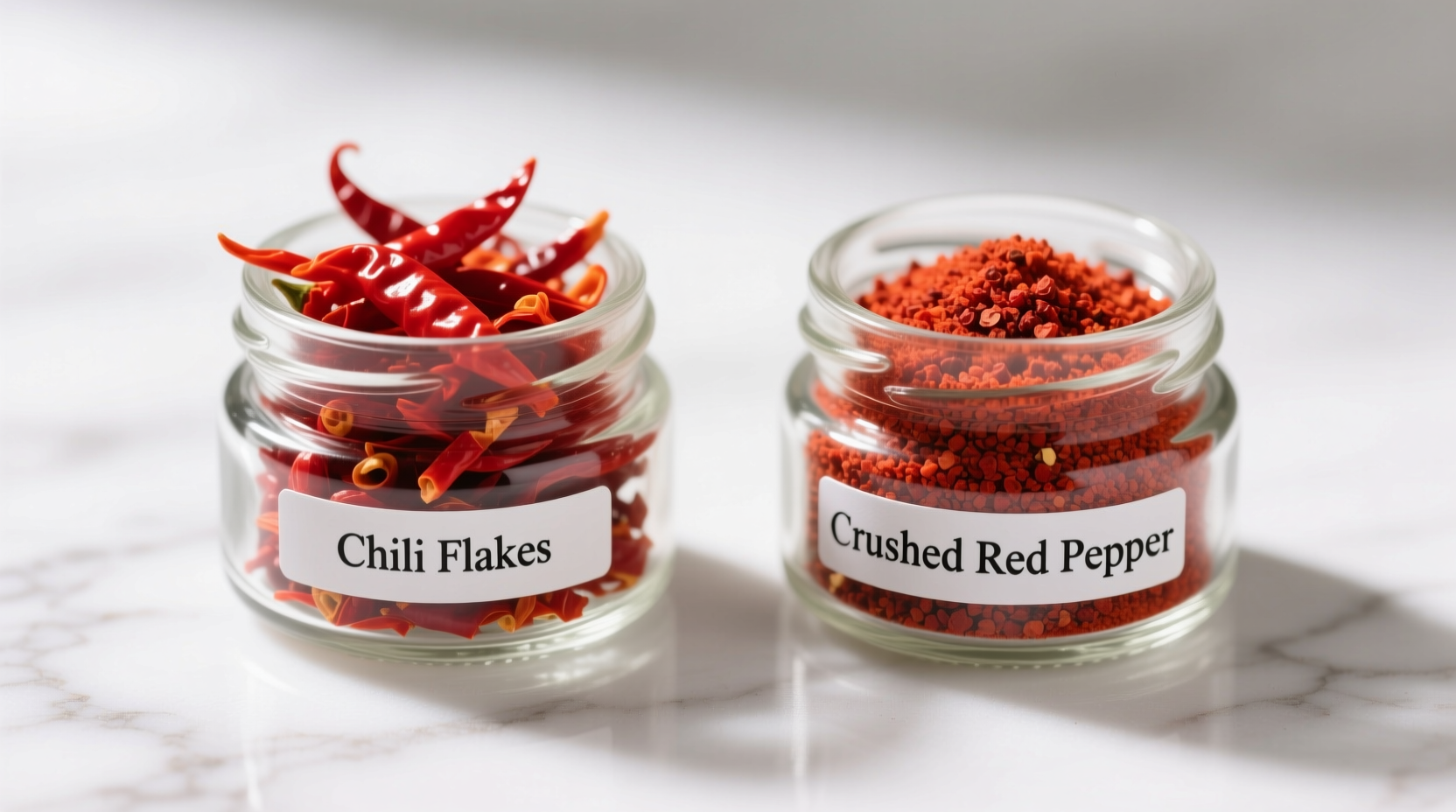
Crushed red pepper is a broad category of dried, coarsely ground chili peppers used to add heat and depth to savory dishes. It typically consists of a blend of moderately spicy varieties such as cayenne, ancho, jalapeño, or guajillo, though formulations vary by brand and region. The term refers more to texture than to a specific type of pepper—anything crushed into irregular fragments qualifies.
Red chili flakes, on the other hand, most commonly refer to fragmented pieces of dried Capsicum annuum peppers—often including seeds and skin—that deliver a sharper, more intense heat. In many commercial contexts, especially in the United States, “crushed red pepper” and “red chili flakes” are used synonymously, particularly when referencing the small glass shaker bottles next to Parmesan cheese. However, true red chili flakes tend to be less processed, with larger, more visible flecks of pepper, while some crushed red pepper blends are finer, sometimes mixed with salt or anti-caking agents.
Both originate from the global tradition of preserving chili peppers through drying—a method dating back thousands of years in Mesoamerican, Mediterranean, and Asian cuisines. Their modern popularity surged in the 20th century alongside the rise of Italian-American food culture, where a pinch of red pepper was considered essential for enhancing tomato-based sauces, meats, and breads.
Key Characteristics
| Characteristic | Red Chili Flakes | Crushed Red Pepper (Generic) |
|---|---|---|
| Texture | Coarse, flaky; visible skin and seed fragments | Variable—can range from fine powder to coarse granules |
| Heat Level (Scoville) | Moderate to high (30,000–50,000 SHU average) | Low to moderate (10,000–30,000 SHU), depending on blend |
| Flavor Profile | Bright, pungent, slightly smoky with fruity undertones | Milder, earthier, sometimes blended for balanced heat |
| Color | Vibrant red to deep crimson | Rust-red to brick-orange |
| Aroma | Sharp, peppery, faintly sweet when fresh | Dusty, warm, less pronounced |
| Culinary Function | Adds heat, visual texture, slow-release spice | Seasoning agent for uniform heat distribution |
| Shelf Life | 1–2 years if stored properly | 6 months–1 year; degrades faster if finely ground |
The presence of seeds in red chili flakes significantly affects heat intensity—since capsaicin, the compound responsible for spiciness, concentrates in the placental tissue and seeds. Finer crushed red pepper blends may remove or pulverize seeds, resulting in milder heat. Additionally, color retention indicates freshness; faded or brownish flakes suggest oxidation and diminished potency.
Practical Usage: How to Use Each in Cooking
While both seasonings serve similar purposes—adding warmth, complexity, and a touch of fire to food—their physical properties influence how they behave during cooking.
Using Red Chili Flakes
Because of their larger particle size, red chili flakes excel in applications where gradual flavor release and textural contrast matter:
- Pasta Dishes: Toss into hot olive oil at the beginning of cooking to bloom the spices before adding garlic and tomatoes. The flakes soften slightly but retain structure, providing bursts of heat throughout the dish.
- Pizza and Flatbreads: Sprinkle on before or after baking. On raw dough, they toast lightly and intensify in flavor; post-bake, they offer a snappy, raw heat.
- Marinades and Dry Rubs: Combine with paprika, garlic powder, and salt for rubs on chicken, steak, or lamb. Their coarse nature helps create a crust during searing.
- Infused Oils: Steep whole flakes in warm olive or vegetable oil for several days to create a spicy finishing oil—ideal for drizzling over soups, grilled seafood, or hummus.
Using Crushed Red Pepper (Blends)
Finer crushed red pepper works best when even dispersion is key:
- Soups and Stews: Stir into broths or chili early in cooking so the heat integrates fully without leaving gritty bits.
- Sauces and Dressings: Blend seamlessly into ketchup, mayonnaise, or vinaigrettes without requiring straining.
- Snack Seasoning: Mix with salt, citric acid, and sugar to coat nuts, popcorn, or roasted chickpeas.
- Baked Goods: Incorporate into savory scones, crackers, or cornbread batters where a smooth consistency is preferred.
Pro Tip: Bloom your chili flakes or crushed pepper in fat before building a sauce. Heat 1–2 tablespoons of olive oil in a pan, add ½–1 teaspoon of flakes, and stir for 30–60 seconds until fragrant. This process extracts capsaicin efficiently and prevents raw bitterness, especially important when using high-quality artisanal flakes.
Variants & Types
Not all red chili products labeled “flakes” or “crushed” are the same. Variations arise from pepper selection, processing methods, and regional preferences.
1. Single-Origin Red Chili Flakes
Made from one type of dried pepper—such as Aleppo, Calabrian, or Bird’s Eye chili—these offer distinct flavor notes beyond mere heat. For example:
- Aleppo Pepper Flakes: From Syria/Turkey, moderately hot with a raisin-like sweetness and slight oiliness.
- Calabrian Chili Flakes: Italian origin, fruity and floral with a lingering burn; often packed in oil.
- Korean Gochugaru (flaked version): While typically powdered, coarser versions exist—vibrant red, mildly sweet, essential in kimchi and stews.
2. Blended Crushed Red Pepper
The standard supermarket variety, often a mix of cayenne, bell pepper, and other dried chilies. May include additives like silicon dioxide (anti-caking) or salt. Ideal for consistent, predictable heat in large-scale cooking.
3. Smoked Red Pepper Flakes
Peppers are smoked before drying, imparting a deep, campfire-like aroma. Comparable to smoked paprika but with added texture and heat. Excellent in barbecue rubs, bean dishes, or scrambled eggs.
4. Fine vs. Coarse Crushed Pepper
Some brands offer graded textures:
- Fine: Dissolves easily; good for blending.
- Medium: Balanced for general use.
- Extra Coarse: Closer to traditional flakes; ideal for garnishing.
| Type | Heat Level | Best Uses | Distinctive Feature |
|---|---|---|---|
| Standard Red Chili Flakes | Medium-Hot | Pasta, pizza, marinades | Visible seeds, rustic texture |
| Crushed Cayenne Blend | Hot | Wings, soups, stir-fries | Uniform grind, sharp bite |
| Aleppo-Style Flakes | Medium | Roasted vegetables, dips | Slightly salty, fruity finish |
| Smoked Chili Flakes | Medium | BBQ, stews, sausages | Rich, woody aroma |
| Calabrian Chili Flakes | Medium-Hot | Seafood, sauces, bruschetta | Oily sheen, complex fruitiness |
Comparison with Similar Ingredients
Several other chili-based products are frequently mistaken for red chili flakes or crushed red pepper. Knowing the differences ensures accurate substitution and better results.
| Ingredient | Difference from Red Chili Flakes / Crushed Red Pepper | Substitution Advice |
|---|---|---|
| Paprika | Ground sweet or smoked pepper; mild, no heat (unless labeled hot) | Use 1:1 for color and body, but add cayenne for heat |
| Cayenne Powder | Fine, pure ground cayenne; much hotter and more concentrated | Use ¼ tsp cayenne for every 1 tsp flakes to avoid overpowering |
| Crushed Black Pepper | Completely different spice; derived from peppercorns, not chilies | No substitution possible—confusion arises only from naming |
| Chili Powder (American blend) | Spice mix containing cumin, garlic, oregano; not purely chili | Not interchangeable; lacks heat concentration of flakes |
| Urfa Biber (Turkish chili flake) | Dark, smoky, winey flavor; lower heat than standard flakes | Use in equal measure for depth, not heat |
\"Many chefs reach for crushed red pepper out of habit, but choosing the right flake can elevate a dish from merely spicy to layered and expressive.\" — Chef Elena Torres, Culinary Instructor at New York Institute of Food Studies
Practical Tips & FAQs
How much should I use?
Start with ¼ to ½ teaspoon per serving for most dishes. Adjust upward based on tolerance. Remember that heat builds over time, especially when cooked in oil or liquid.
Can I substitute one for the other?
Yes, in most recipes—but adjust quantity. Replace 1 teaspoon of red chili flakes with ¾ teaspoon of fine crushed red pepper (less if seeds were present in the original). Conversely, use slightly more crushed pepper if replacing flakes to compensate for lost texture.
Do red chili flakes go bad?
They don’t spoil but lose potency. Store in an airtight container away from light and heat. After six months, check aroma—if faint or musty, replace. Avoid storing above the stove due to humidity and temperature fluctuations.
Are they gluten-free and vegan?
Pure chili flakes are naturally gluten-free and plant-based. However, check labels on commercial blends—some may contain anti-caking agents derived from animal sources (rare) or be processed in facilities with allergens.
What dishes benefit most from red chili flakes?
Classic pairings include:
- Arrabbiata sauce
- Garlic bread
- Eggs (scrambled, fried, or in shakshuka)
- Grilled shrimp or octopus
- Minestrone or lentil soup
- Homemade sausage
Is there a difference in nutritional value?
Nutritionally, both are nearly identical: low-calorie, rich in vitamin A and antioxidants like capsaicinoids. Capsaicin has been studied for its potential metabolic and anti-inflammatory benefits. No significant macronutrient differences exist between flakes and crushed forms.
Why do some recipes specify “crushed red pepper” instead of “chili flakes”?
This often reflects regional terminology. In the U.S., “crushed red pepper” is the dominant label in grocery stores. In culinary writing, “chili flakes” may imply a higher-quality, single-origin product. Always read context and intended texture.
Storage Checklist:
✔️ Use dark glass or opaque containers
✔️ Keep in a cool, dry cupboard (not near the oven)
✔️ Label with purchase date
✔️ Replace every 12 months for peak flavor
❌ Do not refrigerate—moisture causes clumping and mold
Summary & Key Takeaways
Red chili flakes and crushed red pepper are often treated as synonyms, but subtle differences in texture, composition, and flavor profile affect their performance in the kitchen. True red chili flakes typically consist of coarsely broken dried peppers with seeds intact, delivering a brighter, more aggressive heat. Crushed red pepper may refer to a broader category—including finer grinds or blended varieties—with more controlled, diffuse spiciness.
The choice between them depends on the desired outcome: use flakes when you want visible texture and punchy heat, crushed pepper when seamless integration matters. Both respond well to blooming in oil and enhance a wide array of dishes—from humble weeknight pasta to gourmet charcuterie boards.
Understanding variants—from smoky Urfa biber to fruity Calabrian flakes—opens new dimensions in flavor development. Meanwhile, proper storage preserves potency, ensuring every sprinkle delivers maximum impact.
In professional and home kitchens alike, precision in spice selection separates adequate seasoning from exceptional flavor. Whether reaching for a shaker on the table or selecting a premium jar from the spice aisle, knowing what lies behind the label makes all the difference.
Final Thought: Next time you season a dish, pause and examine your crushed pepper. Is it coarse or fine? Does it smell vibrant or stale? These details shape taste more than any recipe adjustment. Treat your spices like ingredients—not afterthoughts—and your cooking will reflect the care.