There’s a small kitchen transformation that takes less than 15 minutes but elevates nearly every savory dish it touches: quick pickled onions. These vibrant, tangy slices add brightness, acidity, and crunch to everything from tacos and grain bowls to cheese boards and grilled meats. Unlike traditional preserved pickles that require canning and weeks of waiting, quick pickled onions are made using a simple vinegar brine and are ready in under an hour—often in as little as 10 minutes if you're in a hurry. They’re a staple in professional kitchens and global cuisines, from Mexican taquerías to Middle Eastern mezzes, and now they belong in your weekly meal prep routine.
Definition & Overview
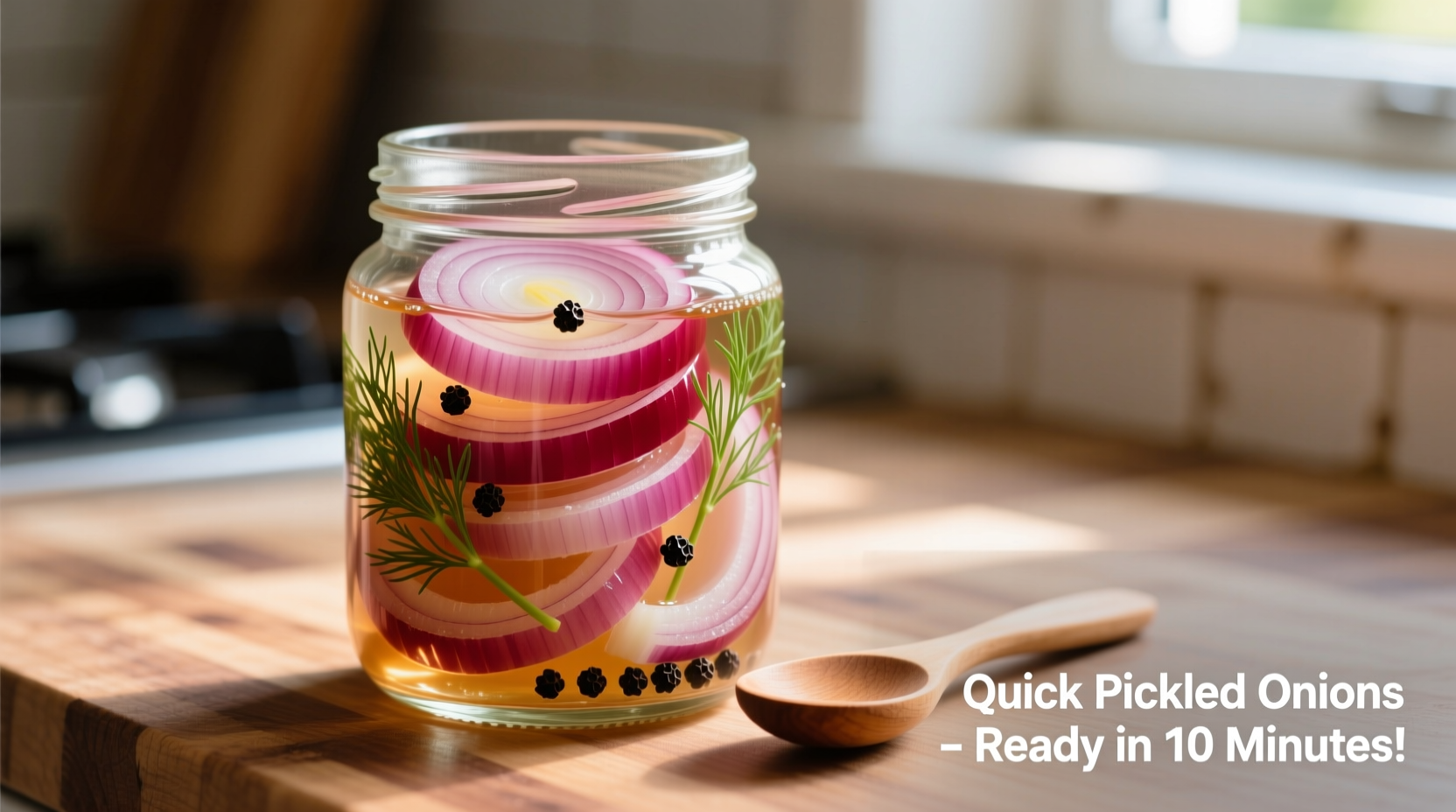
Quick pickled onions, also known as “quick-pickled red onions” or “no-cook pickled onions,” are thinly sliced red onions submerged in a heated vinegar-based brine composed typically of vinegar, water, salt, and sugar. The heat accelerates the pickling process, allowing the onions to absorb flavor and lose their raw bite rapidly. This method is part of a broader culinary technique called “refrigerator pickling” or “fresh pickling,” where foods are preserved short-term in the refrigerator rather than being canned for shelf stability.
The result is a crisp, colorful garnish with a balanced profile: sharpness mellowed by acidity, slight sweetness, and a clean salinity. Unlike fermented pickles, which develop complex microbial flavors over time, quick pickles retain the fresh character of their base ingredient while gaining depth from the brine. Their preparation is rooted in practicality—cooks across cultures have long used vinegar to preserve vegetables temporarily and enhance texture and taste on the spot.
Key Characteristics
| Attribute | Description |
|---|---|
| Flavor | Tangy, slightly sweet, with subdued onion sharpness. The vinegar dominates initially, followed by subtle salt and sugar notes. |
| Aroma | Clean, acidic, with a faintly sweet-sour nose. Lacks the pungency of raw onions after pickling. |
| Color | Vibrant magenta to deep pink. The anthocyanins in red onions leach into the brine, creating a striking visual contrast. |
| Texture | Crisp and firm when properly prepared. Over-soaking can lead to softening, but within 24 hours, texture remains excellent. |
| Heat Level | None (unless chili is added). Naturally non-spicy unless customized with peppers. |
| Culinary Function | Garnish, condiment, or palate cleanser. Adds acidity, color, and balance to rich or heavy dishes. |
| Shelf Life | Up to 3–4 weeks refrigerated in a sealed container. |
Practical Usage: How to Use Quick Pickled Onions
These onions are not just decorative—they play a functional role in balancing flavor profiles. Their acidity cuts through fat, brightens starchy dishes, and complements proteins. Because they require no special equipment or expertise, they’re ideal for home cooks seeking restaurant-quality results without complexity.
Everyday Applications
- Tacos and Burritos: A few slices add zip to carnitas, al pastor, or vegetarian fillings.
- Salads: Toss into grain salads, slaws, or green salads for acidity instead of vinaigrette.
- Sandwiches and Burgers: Replace raw onions with pickled ones for a mellower bite.
- Bowls and Wraps: Perfect in Buddha bowls, falafel wraps, or banh mi-style sandwiches.
- Cheese Boards: Serve alongside aged cheddar, manchego, or blue cheese to cut richness.
- Grilled Meats and Fish: Pair with steak, salmon, or lamb for a refreshing counterpoint.
- Breakfast Dishes: Top huevos rancheros, avocado toast, or breakfast burritos.
Professional Kitchen Techniques
In restaurants, chefs use quick pickled onions to achieve consistency and speed. Rather than slicing raw onions to order—which vary in pungency—pre-pickled batches ensure uniform flavor and texture. Many upscale taco bars prepare them overnight so flavors fully integrate. Some high-end kitchens layer additional aromatics like coriander seed, black peppercorns, or bay leaf into the brine for complexity.
A pro tip: reserve the leftover brine. It can be used to marinate tofu, deglaze pans, or even flavor rice. Just avoid reusing it if the onions were stored with contaminants.
Step-by-Step Preparation Guide
- Slice the onions: Peel 1 large red onion and slice thinly (about ⅛ inch) using a knife or mandoline for uniformity.
- Prepare the jar: Place slices in a clean glass jar or airtight container.
- Make the brine: In a saucepan, combine ¾ cup vinegar (apple cider, white wine, or distilled), ¾ cup water, 1 tbsp sugar, and 1½ tsp salt. Bring to a boil.
- Pour and submerge: Immediately pour hot brine over onions, ensuring they’re fully covered. Press down with a spoon if needed.
- Cool and store: Let cool at room temperature for 30–60 minutes, then seal and refrigerate.
- Wait (or don’t): For immediate use, let sit 10–15 minutes. For best flavor, wait 1–2 hours. Optimal taste develops after 24 hours.
Pro Tip: To speed up infusion, shake the jar gently every 10 minutes during cooling. This agitates the brine and helps penetration.
Variants & Types
While the classic version uses red onions and a neutral brine, variations abound based on regional traditions and creative experimentation.
By Onion Type
- Red Onions: Most common due to color and mild heat. Ideal for visual appeal.
- White or Yellow Onions: Less colorful but sharper in flavor. Best when a stronger onion presence is desired.
- Shallots: Delicate and sweet. Excellent for fine dining applications or salad dressings.
- Pearl Onions: Small and round; often used whole in cocktails or charcuterie.
By Brine Base
- Apple Cider Vinegar: Fruity, slightly malty. Pairs well with pork, beans, and fall-inspired dishes.
- White Wine Vinegar: Bright and clean. Complements seafood and Mediterranean fare.
- Distilled White Vinegar: Sharpest and clearest. Used when maximum tang and minimal color change are preferred.
- Rice Vinegar: Mild and subtly sweet. Common in Asian fusion recipes.
- Champagne Vinegar: Delicate and effervescent in flavor. Used in refined presentations.
Flavor-Infused Variations
To elevate the basic recipe, consider adding one or more of the following to the brine:
- Spices: Peppercorns, mustard seeds, coriander, cumin, cloves, or allspice berries.
- Heat Elements: Thinly sliced jalapeño, serrano, or a pinch of red pepper flakes.
- Sweeteners: Honey, maple syrup, or agave instead of granulated sugar.
- Aromatics: Garlic cloves, fresh thyme, rosemary, or bay leaf.
- Citrus: Lemon or orange zest adds brightness without bitterness.
One popular variation in Yucatán cuisine is cebollas en escabeche, where red onions are pickled with habanero and sour orange juice, creating a fiery, citrus-forward condiment served with cochinita pibil.
Comparison with Similar Ingredients
Quick pickled onions are often confused with other preserved allium products, but key differences exist in preparation, shelf life, and function.
| Ingredient | Preparation Method | Texture | Shelf Life | Best Used In |
|---|---|---|---|---|
| Quick Pickled Onions | Hot vinegar brine, no canning | Crisp, slightly tender | 3–4 weeks (refrigerated) | Fresh dishes needing acidity and color |
| Fermented Pickled Onions | Lacto-fermented in saltwater brine | Firm, tangy, complex | Several months (cold storage) | Health-focused diets, gut-friendly meals |
| Canned Pickled Onions | Processed in boiling water bath for shelf stability | Softer, sometimes mushy | 1+ year (unopened) | Long-term storage, pantry staples |
| Raw Red Onions | Uncooked, sliced fresh | Crisp, pungent | 3–5 days (refrigerated) | Dishes where sharpness is desired |
| Pickled Pearl Onions (Cocktail Onions) | Canned with spices, often including turmeric | Firm, yellow-tinged | Years unopened | Martini garnishes, relish trays |
“The difference between a good dish and a great one often comes down to contrast. Quick pickled onions provide that—the snap, the sour, the color. They’re the punctuation mark on a sentence of flavor.” — Chef Elena Ruiz, Culinary Instructor, San Francisco Cooking School
Practical Tips & FAQs
How long do quick pickled onions last?
When stored in a sealed container in the refrigerator, they remain safe and flavorful for 3 to 4 weeks. Discard if they develop off smells, mold, or excessive softness.
Can I reuse the brine?
Yes, but only once—and only for pickling another batch of onions or similar vegetables (like radishes or carrots). Never reuse brine that has been contaminated with utensils used on other foods.
Do I need to sterilize the jar?
No. Since this is a refrigerator pickle meant for short-term use, sterilization isn't necessary. However, the jar should be clean and free of residue to prevent spoilage.
Why did my onions turn blue or green?
This harmless reaction occurs when sulfur compounds in onions interact with acidic environments, especially in the presence of certain metals (like aluminum). Using stainless steel or glass avoids this. The color change does not affect safety or taste.
Can I make them without sugar?
Yes, though a small amount of sweetener balances the vinegar. Omitting sugar results in a sharper, more aggressive pickle. For sugar-free versions, try stevia or monk fruit extract in minimal amounts.
What’s the fastest way to pickle onions?
For instant pickling, pour boiling brine over thinly sliced onions and let sit for 10–15 minutes. They won’t be fully infused but will lose their raw edge and gain noticeable tang.
Are quick pickled onions healthy?
They are low in calories and contain no fat. Vinegar may support blood sugar regulation and digestion in moderation. However, they are relatively high in sodium due to the brine. Rinsing briefly before serving reduces salt content.
Can I freeze them?
Not recommended. Freezing breaks down cell walls, resulting in a soggy texture upon thawing. Refrigeration is optimal.
How do I prevent them from being too vinegary?
Adjust the vinegar-to-water ratio. Start with a 1:1 ratio. If too sharp, dilute with more water or add extra sugar. Taste the brine before pouring—it should be pleasantly tart, not harsh.
Storage Checklist:
- Use glass jars with tight-fitting lids
- Label with date of preparation
- Keep refrigerated at all times
- Use clean utensils when removing onions
- Discard after 4 weeks or if signs of spoilage appear
Summary & Key Takeaways
Quick pickled onions are a powerful yet simple tool in modern cooking. In minutes, they transform humble red onions into a dynamic condiment capable of enhancing tacos, salads, sandwiches, and more. Their vibrant color, crisp texture, and balanced tang make them indispensable for both weeknight dinners and dinner parties.
The core technique—submerging sliced onions in a hot vinegar brine—is accessible to all skill levels and requires no special equipment. Variations allow customization for different cuisines and flavor preferences, whether you prefer spicy jalapeño-infused versions or herb-laced brines with thyme and garlic.
Unlike canned or fermented counterparts, these are designed for freshness and rapid use. They exemplify the principle that great flavor doesn’t require long processes—just smart techniques applied with care.
Once incorporated into your routine, you’ll find yourself reaching for them not out of novelty, but necessity. They solve a universal problem in cooking: how to add brightness and balance to rich, heavy, or monotonous dishes. And unlike store-bought alternatives, homemade versions are free of preservatives, customizable, and far more cost-effective.
Try making a batch tonight. By tomorrow, you’ll have a professional-grade garnish ready to elevate any meal. Once you taste the difference, you may never go back to raw onions again.