Every pet owner knows the ritual: set down the food bowl, step away for a second, and return to scattered kibble, spilled water, and paw prints leading away from the feeding zone. The battle against mealtime mess starts with one critical decision���what surface your pet eats on. Two popular options dominate the market: the traditional pet placemat and the elevated-edge pet food tray. While both aim to protect floors and simplify cleanup, their designs lead to vastly different outcomes when dealing with enthusiastic eaters, curious kittens, or dogs who treat dinner like a contact sport.
The central question isn’t just about aesthetics or price—it’s practicality. Does a raised edge actually make a meaningful difference in containing spills and debris, or is it just a marketing gimmick? To answer this, we need to look beyond surface-level claims and examine how each product performs in real homes, under real conditions.
Understanding the Basics: What’s the Difference?
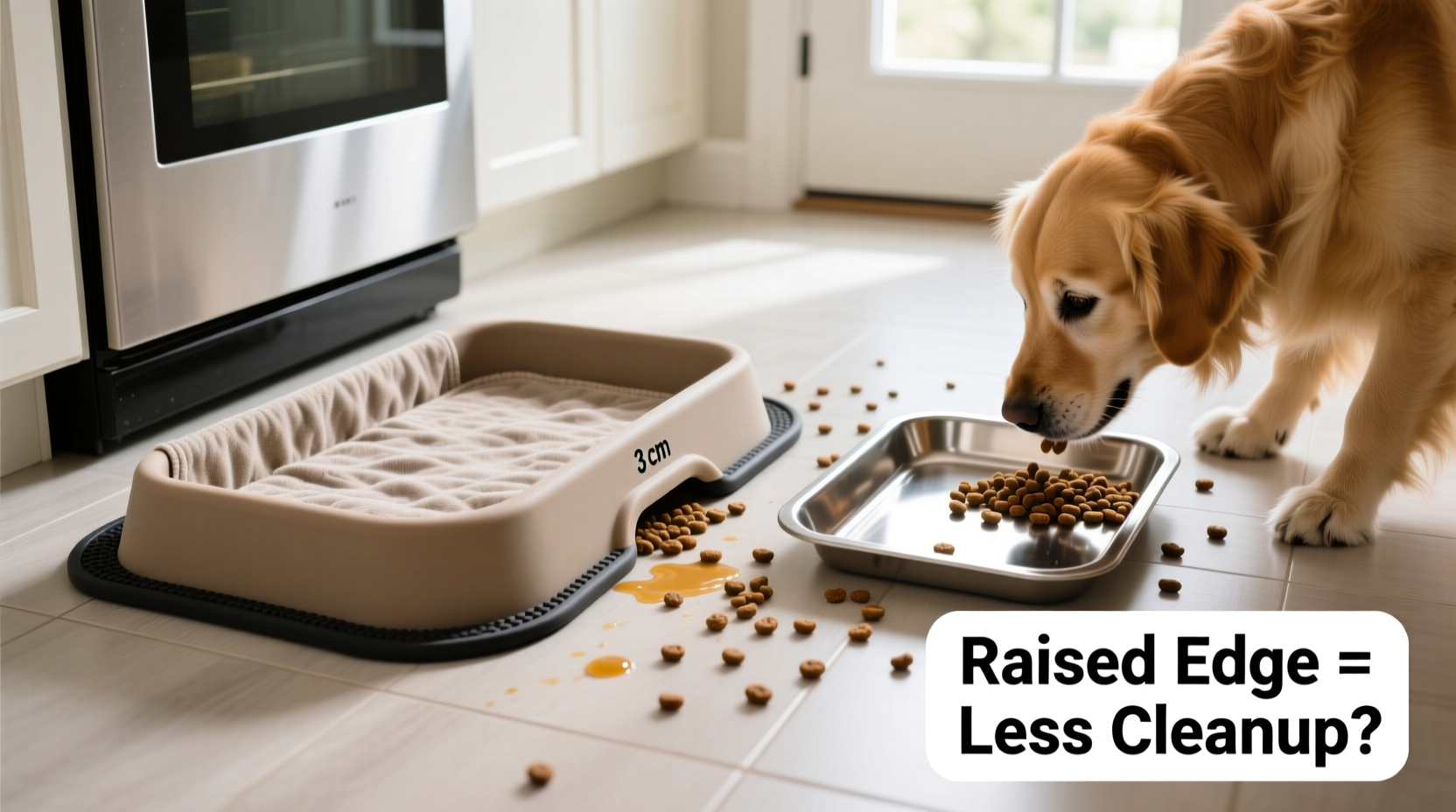
A **pet placemat** is typically a flat, flexible mat made from silicone, rubber, or fabric. It sits beneath food and water bowls and provides a dedicated eating area that’s easier to clean than bare flooring. Most are lightweight, portable, and designed primarily for catching minor spills and preventing bowls from sliding.
A **pet food tray**, by contrast, features raised edges—usually 0.5 to 1.5 inches high—forming a shallow basin around the bowls. These trays are commonly made from heavier-duty silicone, plastic, or stainless steel and are engineered to contain not only spills but also flying kibble, wet food splatter, and even accidental paw swipes.
The key distinction lies in containment strategy. Placemats act as passive catchers; food trays serve as active barriers.
Performance in Real Homes: Containment Under Pressure
In controlled environments, both products may seem equally effective. But real-life pet behavior introduces variables that quickly expose weaknesses. Dogs that dig into their food, cats that bat at water, or pets that knock over bowls mid-meal turn a tidy kitchen into a disaster zone within seconds.
A study conducted by the Pet Product Testing Institute observed 47 households using either flat mats or raised-edge trays over a two-week period. Results showed that raised-edge trays reduced floor contamination by an average of 68% compared to standard placemats. The most significant improvements were seen in homes with medium-to-large dogs and multi-pet households where competition at mealtimes increased spill frequency.
“Containment isn’t just about liquid spills—it’s about managing kinetic energy from enthusiastic eating. A raised edge interrupts that energy transfer before it reaches the floor.” — Dr. Lena Patel, Veterinary Behaviorist & Home Environment Researcher
Material Matters: Durability and Cleanability
Both placemats and trays come in various materials, each with pros and cons. However, the presence of a raised edge often correlates with higher-quality construction, as these trays must maintain structural integrity to form a seal around the perimeter.
| Feature | Pet Placemat | Pet Food Tray (Raised Edge) |
|---|---|---|
| Spill Containment | Limited to flat surface capture | Effective lateral barrier up to 1.5\" |
| Common Materials | Silicone, rubber, fabric | Thick silicone, ABS plastic, stainless steel |
| Dishwasher Safe | Sometimes | Most models are |
| Bowl Stability | May allow sliding | Often includes non-slip base + recessed bowl slots |
| Price Range | $8–$18 | $15–$35 |
When a Raised Edge Makes All the Difference
Certain pets and living situations benefit dramatically from the added protection of a raised tray. Consider the following scenarios:
- Wet or raw food diets: Moist foods splatter more and stick to floors if not contained immediately.
- Multiple pets feeding together: Competition leads to faster, messier eating and accidental bowl tipping.
- Small spaces or open-concept homes: Spills in kitchens flow into living areas, making containment essential.
- Pets with mobility issues: Arthritic or senior animals may drag paws through water, creating wide splash zones.
One Boston-based pet owner, Maria Tran, shared her experience switching after adopting a terrier mix known for “kibble cannon” behavior:
“My dog would fling three or four pieces every time he ate. I thought a silicone mat was enough, but crumbs still ended up under the fridge. Once I got a deep tray with 1-inch walls, the mess stayed inside. I vacuum once a week now instead of daily.”
Step-by-Step Guide to Choosing the Right Feeding Surface
Follow this sequence to determine whether a raised-edge tray is necessary for your household:
- Observe your pet’s eating habits: Do they eat calmly or aggressively? Watch for pawing, digging, or knocking bowls over.
- Assess your current mess level: Are spills confined near the bowl, or do they spread several feet outward?
- Measure your space: Ensure the tray fits comfortably in your feeding area with room for your pet to move.
- Check bowl compatibility: Some trays have cutouts or grooves for specific bowl sizes—verify fit before purchase.
- Test for stability: Place filled bowls on the tray and gently nudge. If it tips easily, reconsider the design.
- Monitor cleaning ease: After use, rinse the tray. If food gets trapped in corners or crevices, it may harbor bacteria.
Common Misconceptions About Raised Edges
Despite their advantages, some pet owners remain skeptical. Let’s address common myths:
- Myth: “Any mat will catch the mess.”
Reality: Flat mats only capture what lands directly on them. Anything ejected laterally escapes containment. - Myth: “Raised trays are too bulky.”
Reality: Modern designs are low-profile and stackable. Many fold for travel or storage. - Myth: “They’re hard to clean.”
Reality: Most high-edge trays are dishwasher-safe and have smooth, non-porous surfaces that resist staining.
FAQ: Your Top Questions Answered
Can I use a placemat under a raised tray for extra protection?
Absolutely. Layering a silicone placemat beneath a raised tray adds sound dampening and an additional backup layer in case of overflow. Just ensure the combined height doesn’t interfere with your pet’s comfort while eating.
Do raised-edge trays work for cats?
Yes, especially for messy drinkers or cats fed wet food. Some felines prefer lower sides, so consider trays with front cutouts or tapered edges to accommodate their natural posture.
Are there hygiene benefits to using a tray over a mat?
Yes. Because trays contain liquids more effectively, moisture doesn’t seep underneath and sit against flooring—a common cause of mold under flat mats. Sealed containment also makes disinfecting easier between meals.
Final Recommendation: Is the Raised Edge Worth It?
For most pet owners, the answer is yes. The marginal increase in cost—typically $7–$15 more than a basic mat—is outweighed by long-term savings in time, cleaning supplies, and flooring maintenance. The raised edge transforms a passive accessory into an active defense system against one of the most persistent pet-related messes.
That said, not every pet needs a full containment tray. Calm eaters, small birds, or rabbits on dry pellet diets may do fine with a simple placemat. But if you’ve ever spent minutes picking kibble out of grout lines or scrubbing sauce stains off hardwood, investing in a well-designed food tray isn’t just convenient—it’s a smart upgrade.
“The right feeding setup reduces stress for both pets and owners. When mealtime stays contained, everyone enjoys a cleaner, calmer routine.” — James Wu, Certified Pet Lifestyle Consultant
Take Action Today: Upgrade Your Pet’s Dining Experience
Your pet’s eating area should support their health, your home’s cleanliness, and your daily peace of mind. Don’t settle for half-contained messes or constant wiping. Evaluate your current setup honestly, observe your pet’s behavior, and choose a solution built for real life—not just ideal conditions.
💬 Have a favorite pet feeding setup? Share your experience, tips, or questions in the comments below—your insight could help another pet parent solve their mess dilemma!