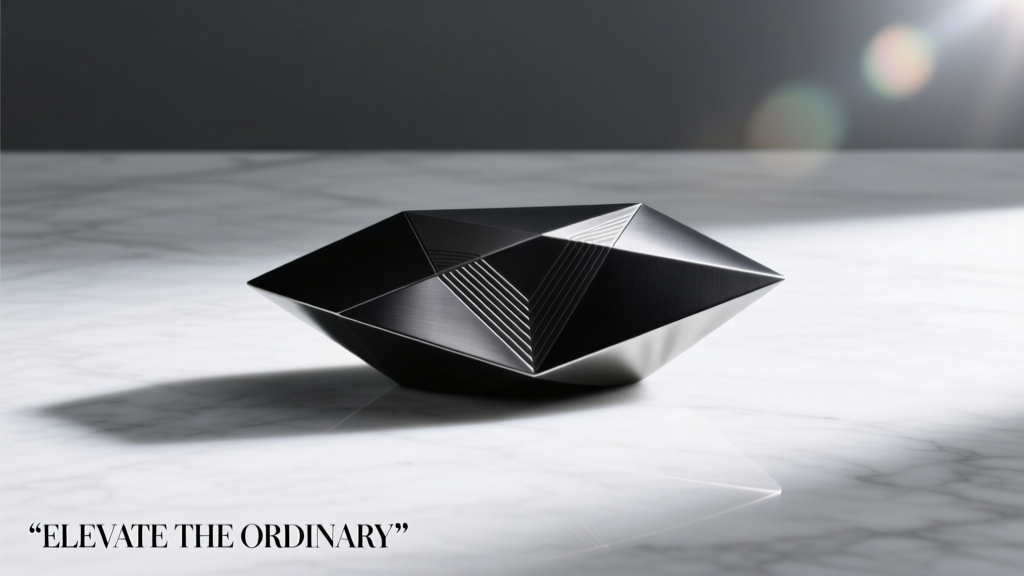
Types of Perfume Bottles with Dip Stick
A perfume bottle with dip stick is a specialized fragrance container designed for precise, controlled dispensing of liquid perfume. Unlike standard spray or splash bottles, these feature a long, slender dip stick—typically made of glass, plastic, or metal—that absorbs a small amount of fragrance when inserted and allows for targeted application to pulse points. This design is especially popular in niche perfumery, travel-sized fragrances, and luxury gift sets where precision and minimal waste are priorities.
These bottles come in a variety of materials, shapes, and finishes to align with brand identity and user experience. Below is a detailed breakdown of the most common types available in the fragrance industry.
Glass Dip Perfume Bottles
Renowned for their elegance and premium feel, glass dip bottles are a staple in high-end perfumery. The dip stick is typically crafted from thin glass or coated metal, offering a refined and authentic pouring experience.
Advantages
- Premium aesthetic and tactile quality
- Chemically inert – preserves fragrance integrity
- Durable and recyclable
- Ideal for luxury and collector’s edition perfumes
Limitations
- Heavier and more fragile than plastic
- Higher production and shipping costs
- Requires careful handling to avoid breakage
Best for: Luxury brands, artisanal fragrances, gift packaging
Plastic Dip Bottles
Lightweight and cost-effective, plastic dip bottles are widely used for sample sets, travel kits, and affordable fragrance lines. The dip stick is often made from food-grade plastic or coated wire, ensuring safe and efficient use.
Advantages
- Lightweight and shatter-resistant
- Lower manufacturing and shipping costs
- Available in a wide range of colors and shapes
- Ideal for promotional samples and trial sizes
Limitations
- Less premium feel compared to glass
- Potential for chemical interaction over time
- Perceived as lower quality by some consumers
Best for: Travel sizes, sample kits, budget-friendly fragrance lines
Metal and Glass Combination Bottles
These hybrid designs combine a glass body with metal caps, collars, or decorative elements to enhance durability and visual appeal. Often seen in modern or avant-garde perfumes, they offer a sleek, contemporary look.
Advantages
- Striking visual appeal with premium finish
- Enhanced durability from metal components
- Excellent brand differentiation
- Frequent use in designer and fashion-house fragrances
Limitations
- Higher production complexity and cost
- Heavier than all-plastic alternatives
- May require special packaging to prevent scratches
Best for: Designer brands, modern aesthetics, limited editions
Roll-On Perfume Bottles
While not featuring a traditional dip stick, roll-on bottles serve a similar purpose with a stainless steel or glass ball applicator. They allow for smooth, mess-free application directly to the skin and are ideal for essential oil blends and natural perfumes.
Advantages
- No spillage or over-application
- Hygienic and easy to use
- Perfect for sensitive skin and targeted application
- Common in natural, organic, and wellness-focused brands
Limitations
- Slower application process
- Ball mechanism may clog over time
- Limited to lower-viscosity fragrances
Best for: Natural perfumes, essential oils, on-the-go application
Note on Aerosol Bottles: While aerosol perfume bottles are popular for body mists and colognes, they do not use dip sticks. Instead, they rely on pressurized spray mechanisms. These are typically made from aluminum or plastic and are designed for wide-area fragrance dispersion rather than precision application. As such, they fall outside the category of dip stick bottles but remain a key format in the broader perfume packaging landscape.
| Type | Material Quality | Application Precision | Durability | Best Use Case |
|---|---|---|---|---|
| Glass Dip Bottles | Excellent | High | Good | Luxury perfumes, gift sets |
| Plastic Dip Bottles | Fair | Moderate | Good | Samples, travel kits |
| Metal & Glass Combos | Excellent | High | Very Good | Designer fragrances, limited editions |
| Roll-On Bottles | Good | Very High | Good | Natural perfumes, targeted use |
Pro Tip: When using a dip stick perfume bottle, allow the stick to sit in the fragrance for a few seconds to absorb the optimal amount. Gently roll it on pulse points like wrists or neck for even distribution and longer-lasting scent.
Designs of Perfume Bottles with Dip Stick: Elegance, Functionality & Innovation
Perfume bottles are more than just containers—they are artistic expressions that reflect cultural heritage, historical influences, and evolving design trends. When combined with a dip stick applicator, these bottles blend practicality with aesthetic appeal, offering a unique sensory experience. The integration of dip sticks—often used in solid or concentrated perfumes—adds a tactile dimension to fragrance application, enhancing user engagement.
Design choices are shaped by a variety of factors including market demand, brand identity, consumer preferences, and technological advancements. Below is an in-depth exploration of the most prominent perfume bottle designs featuring or compatible with dip stick mechanisms, highlighting their visual characteristics, materials, and symbolic meanings.
Key Perfume Bottle Design Styles with Dip Stick Compatibility
Classic Oriental Design
Rooted in the rich traditions of Middle Eastern perfumery, this design emphasizes opulence and craftsmanship. Bottles often feature intricate hand-carved patterns, deep jewel tones (such as emerald green, sapphire blue, and amethyst purple), and ornate silhouettes inspired by ancient vases and ceremonial vessels.
Constructed from thick, high-quality glass and frequently accented with gold-plated metal caps or inlaid details, these bottles exude luxury. Some modern interpretations include a discreet dip stick compartment within the stopper or base, preserving the elegance while enabling precise application of concentrated oils—ideal for traditional attars and oud-based fragrances.
Modern Minimalist Design
This design philosophy centers on simplicity, clean lines, and functional beauty. Minimalist perfume bottles often use monochromatic or two-tone color schemes, with finishes like frosted glass, polished crystal, or matte ceramic. Metals such as brushed gold, silver, or graphite are used sparingly for accents.
Dip stick versions in this category are particularly popular in contemporary niche and unisex fragrances. The minimalist aesthetic allows the focus to remain on the scent and user experience. The dip stick is typically housed in a sleek, magnetic cap or side slot, ensuring hygiene and ease of access. These designs are favored for travel-friendly and eco-conscious packaging solutions.
Nature-Inspired Design
Reflecting a growing consumer desire for sustainability and organic living, nature-inspired bottles incorporate organic shapes and natural materials. Common motifs include leaves, flowers, tree bark textures, and animal forms, evoking a connection to the earth.
While primarily made from recyclable glass, many of these bottles integrate cork stoppers, wooden lids, or bamboo dip sticks to enhance the eco-friendly appeal. The dip stick itself may be crafted from untreated wood or biodegradable materials, aligning with green beauty standards. This design is frequently seen in botanical, herbal, and essential oil-based perfumes.
Vintage Art Deco Design
Channeling the glamour of the 1920s and 1930s, Art Deco bottles are defined by geometric symmetry, bold contrasts, and luxurious embellishments. Think angular shapes, stepped motifs, and chrome or gold-plated trims. Engraved glass surfaces often feature sunburst patterns or stylized flora.
In dip stick variants, the cap may double as a holder for the applicator, maintaining the era’s emphasis on elegance and innovation. These bottles are typically used for馥郁 (rich, complex) fragrances with powdery, floral, or aldehyde notes, appealing to lovers of timeless sophistication and vintage aesthetics.
Gothic Design
Dark, dramatic, and mysterious—Gothic-inspired perfume bottles use deep hues like black, burgundy, and midnight blue, often paired with materials that mimic aged metal, stone, or weathered wood. Shapes are angular or cathedral-like, with decorative elements such as crosses, spikes, rivets, or wrought-iron detailing.
The dip stick in these designs is often presented as a ritualistic tool, sometimes encased in a protective sheath or embedded in a tombstone-shaped cap. This style resonates with fragrances centered on dark florals, resins, incense, or leather accords, appealing to fans of romanticism, mysticism, and alternative fashion.
Luxury Limited Edition Design
Though not a standalone category, many high-end brands release limited-run bottles that combine elements from multiple styles—such as Art Deco geometry with Oriental ornamentation or Gothic drama with natural materials. These collector’s pieces often feature hand-numbered labels, artisan craftsmanship, and innovative dip stick mechanisms.
Some include magnetic levitation displays, hidden compartments, or refillable reservoirs, turning the bottle into both a functional object and a work of art. These designs command premium pricing and are marketed as status symbols within the fragrance community.
| Design Style | Common Materials | Dip Stick Integration | Ideal For |
|---|---|---|---|
| Classic Oriental | Thick glass, gold/silver metal accents | Hidden in stopper or base | Attars, oud, traditional scents |
| Modern Minimalist | Frosted glass, polished metal, ceramic | Magnetic cap or side slot | Niche, unisex, travel perfumes |
| Nature-Inspired | Glass, cork, wood, bamboo | Wooden or biodegradable stick | Organic, botanical, eco-friendly lines |
| Vintage Art Deco | Engraved glass, chrome, gold plating | Captive stick in decorative cap | Floral, powdery, retro fragrances |
| Gothic | Dark glass, faux metal/wood, resin | Sheathed or ritual-style holder | Dark florals, incense, leather scents |
Why Dip Stick Bottles Are Gaining Popularity
Note: When purchasing or designing dip stick perfume bottles, ensure the applicator is made from non-reactive, easy-to-clean materials to preserve fragrance integrity. Regular cleaning of the dip stick is recommended to prevent bacterial buildup and scent degradation. Always store in a cool, dark place to protect both the liquid and the structural integrity of natural components like wood or cork.
Durability & Material of Perfume Bottles with Dip Stick
Perfume bottles are more than just containers—they are essential components in preserving fragrance integrity, enhancing user experience, and reinforcing brand identity. The choice of material significantly impacts durability, chemical resistance, aesthetic appeal, and environmental sustainability. For bottles featuring a dip stick (commonly used in solid or concentrated perfumes), the construction must ensure long-term stability, protection from light and air exposure, and ease of use. Below is a comprehensive breakdown of the most widely used materials in premium and functional perfume packaging.
Glass
Preferred for high-end and luxury fragrances, glass is the gold standard in perfume packaging due to its nonporous, chemically inert nature. It prevents interaction between the perfume and the container, ensuring the scent remains unaltered over time.
- Available in clear, tinted (amber, cobalt), or frosted finishes to control light exposure—critical for UV-sensitive fragrance compounds
- Heavyweight feel conveys premium quality and enhances shelf presence
- Supports intricate design techniques like embossing, engraving, and hand-painting for distinctive branding
- Recyclable and environmentally sustainable, aligning with eco-conscious consumer trends
- Ideal for dip-stick applications where consistent viscosity and purity are essential
Best for: Long-term storage, luxury branding, and preservation of complex fragrance notes
Plastic (PET, Acrylic, Polycarbonate)
A lightweight, cost-effective alternative, plastic is widely used in refillable, travel-sized, or mass-market perfume bottles. Modern engineering plastics offer excellent clarity and impact resistance while allowing for creative shapes and vibrant colors.
- Unbreakable and safe for travel, making it ideal for on-the-go consumers
- Frosted, opaque, or UV-coated variants reduce light penetration and slow oxidation
- Economical for large-scale production and disposable or refillable formats
- Can be molded into ergonomic designs that accommodate dip sticks or roll-on applicators
- Less environmentally friendly unless made from recycled or biodegradable polymers
Best for: Budget-friendly lines, travel perfumes, and youth-oriented or casual fragrance products
Metal (Stainless Steel, Aluminum)
Metal containers are increasingly popular in niche and unisex fragrances, especially for spray or solid perfume formats. They offer superior protection against light, oxygen, and physical damage.
- Highly durable and corrosion-resistant, especially when anodized or coated
- Acts as a complete barrier to UV light and oxygen, preserving volatile top notes
- Provides a sleek, modern aesthetic through finishes like brushed, polished, or matte
- Often used in combination with glass or plastic inserts for dip-stick compartments
- Recyclable and perceived as premium, though heavier than other materials
Best for: Limited editions, gender-neutral scents, and perfumes requiring maximum shelf life
Ceramic
Ceramic bottles are favored for their artistic and tactile qualities, often associated with vintage, artisanal, or oriental fragrance lines. The material provides excellent insulation and a non-reactive surface.
- Completely opaque, offering full protection from light degradation
- Smooth, glossy finish allows for hand-painted designs, decals, or glazing for unique visual appeal
- Heavy and substantial, reinforcing a sense of luxury and permanence
- Highly durable and tamper-resistant, ideal for collectible or display pieces
- May require protective outer packaging due to fragility during shipping
Best for: Artistic branding, limited-run collections, and heritage fragrance houses
Rubber & Cork (Closures & Seals)
While not primary container materials, rubber and cork play a crucial role in the functionality and longevity of dip-stick perfume bottles by ensuring airtight sealing and controlled dispensing.
- Cork: Natural, renewable, and provides a tight, compressible seal; often used in luxury bottles for its organic texture and eco-image
- Rubber (Silicone or Synthetic): Offers superior elasticity and leak-proof performance, especially in humid or variable climates
- Both materials help minimize evaporation and oxidation, preserving fragrance integrity between uses
- Can be integrated into dip-stick mechanisms to regulate airflow and prevent drying
- Eco-friendly cork is biodegradable, while high-quality rubber can be reused or recycled
Key tip: Pair natural materials with protective liners to prevent particle shedding into the fragrance
Material Comparison Table
| Material | Durability | Light Protection | Cost Level | Best Use Case |
|---|---|---|---|---|
| Glass | High (but fragile) | Variable (tinted = high) | $$–$$$ | Luxury, long-term storage |
| Plastic | Moderate (impact-resistant) | Low–Moderate | $ | Travel, budget lines |
| Metal | Very High | Excellent (opaque) | $$$ | Niche, premium, solid perfumes |
| Ceramic | High (but brittle) | Excellent (opaque) | $$–$$$ | Artistic, collectible editions |
| Rubber/Cork | Moderate (seal integrity) | N/A (closure only) | $–$$ | Sealing & sustainability |
Professional Recommendation: For dip-stick perfume bottles, prioritize materials that offer both chemical inertness and light protection—such as tinted glass or ceramic—to maintain fragrance stability. Pair with high-quality rubber or lined cork stoppers to prevent leakage and oxidation. Consider the target market: luxury consumers respond to glass and ceramic, while travelers and younger audiences may prefer lightweight, durable plastic or metal designs.
Additional Considerations
- Environmental Impact: Opt for recyclable materials like glass, aluminum, or natural cork to appeal to eco-conscious buyers
- Brand Identity: Material choice should align with brand positioning—minimalist, opulent, modern, or traditional
- Functionality: Ensure the dip stick glides smoothly and retracts cleanly; interior finish should resist residue buildup
- Regulatory Compliance: Verify that all materials meet food-grade or cosmetic safety standards (e.g., FDA, EU Annex
- Innovation: Explore hybrid designs—such as glass bottles with metal caps or ceramic sleeves—for enhanced durability and visual impact
Scenarios of Perfume Bottles with Dip Sticks
Perfume bottles equipped with dip sticks offer a refined and practical approach to fragrance application and management. These specialized containers are designed to enhance precision, reduce waste, and preserve the integrity of the scent over time. The dip stick applicator enables users to extract just the right amount of fragrance from the original bottle, minimizing spillage and oxidation—making them ideal for both personal and professional use.
Pro Tip: Dip stick bottles are especially beneficial for high-concentration fragrances like parfum or essential oils, where a little goes a long way. They help maintain consistency in application while extending the life of your favorite scents.
Common Uses and Practical Applications
- Precise Application for Controlled Dosage
One of the primary advantages of a dip stick is its ability to deliver accurate, measured amounts of perfume. This is particularly important when working with concentrated formulas that can be overpowering if over-applied. By dipping the wand into the fragrance and gently rolling or dabbing it onto pulse points—such as wrists, neck, or behind the ears—users achieve consistent results without waste. This method is ideal for those who prefer a subtle, intimate scent trail rather than a heavy cloud of fragrance.
- Effortless Refilling of Travel and Portable Containers
Dip stick bottles are excellent tools for transferring perfumes into smaller, portable formats such as rollerball applicators, travel sprays, or compact atomizers. The controlled nature of the dip mechanism prevents spills and leaks during transfer, ensuring a clean and efficient process. This is especially useful for travelers or individuals who want to carry a favorite fragrance without transporting the full-sized bottle, preserving both convenience and fragrance purity.
- Sampling and Testing Fragrances with Minimal Waste
In retail environments, perfume counters, or at home, dip stick bottles are invaluable for sampling multiple scents. Instead of spraying or pouring, users can dip the applicator and test a fragrance directly on the skin, allowing for a true representation of how the scent develops with body chemistry. This method keeps testers hygienic, reduces cross-contamination, and significantly cuts down on product waste—making it both cost-effective and environmentally friendly.
- Enhanced Storage and Long-Term Fragrance Preservation
Exposure to air and light is a major factor in the degradation of perfumes, leading to oxidation and scent alteration over time. Perfume bottles with dip sticks minimize air exposure because only the tip of the wand enters the bottle, limiting oxygen contact. When sealed properly after each use, these containers help maintain the original olfactory profile of the fragrance for longer periods. This makes them a smart choice for collectors or those storing rare or limited-edition perfumes.
- Professional Use in Aromatherapy and Spa Treatments
In therapeutic settings such as spas, wellness centers, or massage therapy, dip stick bottles are widely used for applying essential oils and aromatic blends. Practitioners can precisely control the dosage needed for each treatment, mix custom blends, or apply oils directly to the skin without contamination. The design supports hygienic, targeted application—crucial for delivering consistent and effective aromatherapy experiences while minimizing product loss.
| Use Case | Key Benefits | Ideal For | Best Practices |
|---|---|---|---|
| Precise Application | Controlled dosage, reduced overspray | Concentrated perfumes, sensitive environments | Roll gently on pulse points; clean wand after use |
| Refilling Containers | Spill-free transfer, maintains purity | Travel kits, custom blends | Use in well-lit area; avoid cross-contamination |
| Sampling & Testing | Hygienic, minimal waste | Retail displays, home fragrance trials | Label samples; allow skin to breathe between tests |
| Storage & Preservation | Reduced oxidation, longer shelf life | Perfume collections, rare fragrances | Store in cool, dark place; seal tightly |
| Therapeutic Use | Targeted delivery, dosage control | Spas, aromatherapy, massage therapy | Sterilize wand between clients; track blend usage |
Expert Insight: To maximize the lifespan of your dip stick perfume bottle, clean the wand regularly with isopropyl alcohol and allow it to dry completely before reinserting. This prevents bacterial buildup and ensures the fragrance remains uncontaminated.
Additional Tips for Optimal Use
- Always cap the bottle immediately after use to protect the fragrance from environmental factors.
- Use dedicated dip sticks for different fragrance families (e.g., florals, orientals) to avoid scent mixing.
- Consider labeling bottles clearly, especially when used for sampling or professional applications.
- Avoid touching the dip stick to dirty surfaces to maintain hygiene and scent integrity.
- For collectors, store dip stick bottles upright to prevent leakage and ensure even distribution of the fragrance.
Perfume bottles with dip sticks combine functionality, elegance, and sustainability in one thoughtful design. Whether you're a fragrance enthusiast, a professional in the beauty industry, or someone who values precision and preservation, these bottles offer a superior alternative to traditional spray or pour methods. By integrating them into your routine, you not only enhance your fragrance experience but also contribute to more mindful and efficient usage.
Frequently Asked Questions About Dip Stick Perfume Bottles
Q1: What is a dip stick perfume bottle?A dip stick perfume bottle is a specialized fragrance applicator designed to deliver precise amounts of perfume with minimal waste. It typically consists of a small, narrow bottle with a long, slender stick—often made of glass, metal, or wood—inserted through the cap. The stick absorbs the perfume when dipped into the liquid, allowing users to transfer a controlled amount onto pulse points such as wrists, neck, or behind the ears.
This design is especially popular in niche perfumery and travel-sized fragrance kits, where portion control and preservation of scent integrity are important. Unlike spray bottles, dip stick applicators do not rely on aerosols or pumps, making them eco-friendly and ideal for sensitive skin or environments where sprays may be impractical.
Q2: How does one clean a dip stick bottle?Proper cleaning of a dip stick bottle is essential to prevent scent contamination and maintain hygiene, especially if switching between fragrances or storing the bottle for long periods. Here’s a recommended cleaning process:
- Disassemble: Remove the dip stick from the bottle and set it aside.
- Rinse the Bottle: Flush the interior with warm water, then fill it with a mixture of warm water and mild dish soap. Swirl gently to coat all surfaces.
- Clean the Stick: Wash the dip stick with soapy water using a soft cloth or brush, especially if it has textured or porous material like wood.
- Rinse Thoroughly: Rinse both components under clean running water to remove any soap residue.
- Dry Completely: Air-dry both the bottle and stick on a clean towel, ensuring no moisture remains before refilling.
For deep cleaning or removing lingering scents, you can use a small amount of isopropyl alcohol followed by a final water rinse. Avoid placing glass or metal components in a dishwasher unless specified by the manufacturer.
Q3: What materials are used in making a dip stick bottle?Dip stick perfume bottles are crafted from a variety of high-quality materials, each influencing the aesthetics, durability, and performance of the applicator:
| Material | Characteristics | Common Use Cases |
|---|---|---|
| Glass | Non-reactive, preserves fragrance integrity, elegant appearance, easy to clean | Premium perfumes, refillable bottles, luxury brands |
| Plastic (e.g., PET or acrylic) | Lightweight, shatter-resistant, cost-effective, but may absorb odors over time | Travel samples, disposable applicators, budget-friendly options |
| Metal (e.g., stainless steel or aluminum) | Durable, modern look, resistant to corrosion, excellent for travel | Designer fragrances, unisex or minimalist packaging |
| Ceramic | Artistic finish, excellent scent preservation, heavier feel | Limited edition releases, artisanal or handmade perfumes |
The dip stick itself may also be made from wood, glass rods, or silicone-tipped applicators, depending on the desired texture and absorption rate. Material choice often reflects brand identity, sustainability goals, and user experience preferences.
Q4: Why is the dip stick preferred over other application methods?The dip stick method offers several advantages that make it a favorite among fragrance enthusiasts and professionals alike:
- Minimizes Wastage: Unlike sprays that disperse fragrance into the air, dip sticks deliver only the amount needed, reducing product loss.
- Controlled Application: Users can precisely apply perfume to specific areas without over-spraying or uneven distribution.
- Preserves Fragrance Quality: The sealed bottle limits exposure to air and light, helping maintain the scent’s original composition and longevity.
- Travel-Friendly: No pressurized components mean dip stick bottles comply with airline regulations and are less likely to leak.
- Eco-Conscious: Reusable designs reduce plastic waste and eliminate the need for propellants found in spray bottles.
- Skin Sensitivity: Ideal for those who prefer gentle, non-aerosol application, especially in dry or sensitive climates.
These benefits make dip stick bottles a smart choice for collectors, travelers, and anyone seeking a more intentional and sustainable way to enjoy their favorite scents.
Q5: How do I know if my dip stick perfume is still good?Over time, perfumes can degrade due to exposure to heat, light, and oxygen. To determine if your dip stick perfume is still usable, perform a simple quality check:
- Scent Strength: If the fragrance still emits a strong, true-to-original aroma when applied, it is likely still viable.
- Color Changes: Look for darkening or cloudiness in the liquid—clear perfumes turning amber or hazy may indicate oxidation or contamination.
- Texture or Consistency: Check for separation, cloudiness, or residue buildup on the dip stick. A smooth, consistent liquid is a sign of freshness.
- Unusual Odors: Sour, metallic, or rancid smells suggest the fragrance has spoiled and should be discarded.
- Storage History: Perfumes stored in cool, dark places with tightly sealed caps last longer—typically 3–5 years, depending on formulation.
If any of these warning signs are present, it’s best to replace the perfume to ensure optimal scent performance and skin safety. Regular maintenance and proper storage can extend the life of your dip stick fragrance significantly.