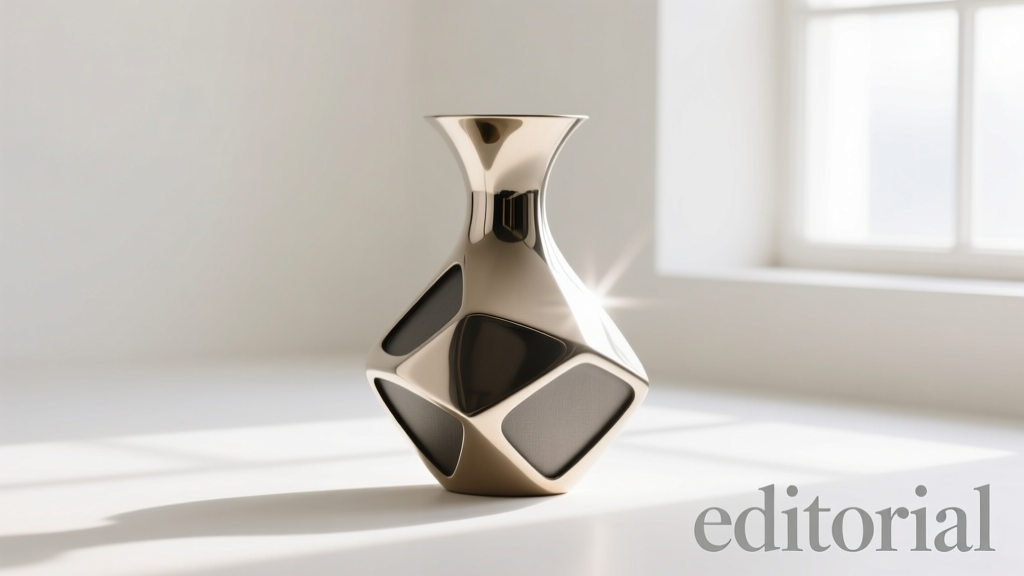
Types of Orange Juice Pitchers
An orange juice pitcher is more than just a container—it's a functional centerpiece that enhances your serving experience, preserves freshness, and complements your dining or kitchen aesthetic. Available in various materials and designs, each type of pitcher offers unique benefits in terms of durability, insulation, ease of use, and visual appeal. Whether you're hosting a brunch, packing for a picnic, or enjoying a quiet breakfast, choosing the right pitcher can make all the difference.
Ceramic Orange Juice Jug
Elegant and timeless, ceramic jugs bring a traditional charm to your table. Often decorated with citrus-themed patterns or warm orange hues, they’re ideal for adding a decorative touch to your kitchen or dining table.
Advantages
- Stylish and decorative appearance
- Dishwasher-safe for easy cleaning
- Durable construction with long lifespan
- Retains cool temperature moderately well
- Perfect for formal events and indoor gatherings
Limitations
- Heavy and less portable
- No spout, leading to messy pouring
- Not suitable for outdoor or rough use
- Can chip or crack if dropped
Best for: Brunches, indoor events, and households valuing aesthetics
Glass Orange Juice Pitcher
Renowned for their clarity and classic appeal, glass pitchers let you showcase the vibrant color of freshly squeezed orange juice. With typical capacities around 1.5 liters, they’re perfect for serving 4–6 people.
Advantages
- Transparent design shows juice level and freshness
- Does not retain odors or stains
- Chemically inert—won’t alter juice taste
- Often comes with ergonomic handles and drip-free spouts
- Versatile for water, iced tea, lemonade, and more
Limitations
- Breakable if dropped or exposed to thermal shock
- Can be heavy when full
- Requires careful handling, especially around children
- May not insulate temperature well
Best for: Everyday use, family meals, and elegant table settings
Plastic Orange Juice Pitcher
Lightweight and practical, plastic pitchers are the go-to choice for casual and outdoor use. Designed for convenience, many models feature sealing lids, measurement markings, and easy-pour spouts.
Advantages
- Unbreakable and safe for outdoor activities
- Extremely lightweight and portable
- Affordable and widely available
- Many include airtight lids to preserve freshness
- Ideal for picnics, camping, and kids’ use
Limitations
- Potential for plastic taste or odor over time
- Scratches easily, which can harbor bacteria
- Not microwave or high-heat safe
- Less eco-friendly (depending on material)
Best for: Outdoor events, family outings, and budget-friendly solutions
Stainless Steel Orange Juice Pitcher
Built for performance and durability, stainless steel pitchers excel in temperature retention and modern design. These are often found in commercial kitchens or high-end homes.
Advantages
- Excellent insulation—keeps juice cold for hours
- Highly durable and resistant to dents and corrosion
- Sleek, modern appearance suitable for restaurants or contemporary homes
- Often includes built-in pulpers, strainers, or spouts
- Easy to clean with smooth, non-porous interior
Limitations
- Opaque—cannot see juice level without opening
- Higher price point compared to other materials
- May feel cold or metallic to some users
- Heavier than plastic or glass when filled
Best for: Breakfast service, commercial use, and those prioritizing temperature control
| Type | Durability | Portability | Temperature Retention | Best Use Case |
|---|---|---|---|---|
| Ceramic | Good | Poor | Fair | Indoor events, decorative serving |
| Glass | Fair | Good | Fair | Family meals, everyday elegance |
| Plastic | Good | Excellent | Poor | Outdoor activities, casual use |
| Stainless Steel | Excellent | Good | Excellent | Temperature-sensitive serving, commercial use |
Expert Tip: For the best experience, choose a pitcher with a built-in strainer or pulper if you're serving freshly squeezed orange juice. This allows you to separate pulp on demand and enhances both convenience and presentation.
Material and Design of Orange Juice Pitchers: A Comprehensive Guide
Choosing the right orange juice pitcher involves more than just aesthetics—it’s about balancing material durability, design functionality, and practical use. Whether you're serving at home, hosting outdoor events, or managing a commercial kitchen, understanding the strengths and limitations of each material helps you make an informed decision. Below is a detailed breakdown of the most common materials used in orange juice pitchers, including their design features, advantages, and ideal use cases.
Glass: Elegance Meets Functionality
Glass pitchers are widely celebrated for their timeless elegance and modern appeal. Their transparent nature allows users to showcase the vibrant color of freshly squeezed orange juice, enhancing the visual experience of serving and drinking. Most glass pitchers feature a sleek, tapering design that improves balance and control during pouring.
A high-quality glass orange juice pitcher typically includes a tightly sealing lid to preserve freshness and prevent spills. Many models also come equipped with built-in strainers or pour spouts designed to filter out pulp and seeds, offering customizable juice consistency. Tempered glass options provide increased durability and resistance to thermal shock, making them suitable for both cold and room-temperature beverages.
Drawback: Despite their aesthetic and functional advantages, glass pitchers are fragile and can break if dropped or exposed to sudden temperature changes. They are best suited for indoor use, formal occasions, or households where careful handling is ensured.
Ceramic: Classic Style with Decorative Appeal
Ceramic pitchers offer a traditional, artisanal charm that makes them a favorite for decorative settings. Often hand-painted or adorned with intricate motifs, these pitchers serve as statement pieces on dining tables or kitchen counters. Their thick walls provide some insulation, helping to keep juice cool for moderate periods.
However, ceramic pitchers are generally less practical for everyday juice serving. Most lack transparency, making it difficult to monitor juice levels. Additionally, they rarely feature efficient pour spouts or strainers, which can lead to drips and messy pours. The absence of airtight lids also limits their ability to maintain juice freshness over time.
Best Use: Ceramic pitchers are ideal for special occasions, brunch settings, or as decorative items. For regular juice service, a juice glass or glass pitcher is a more functional alternative.
Plastic: Lightweight and Versatile for Active Use
Plastic pitchers are the go-to choice for casual, high-mobility environments such as picnics, backyard barbecues, children’s events, or outdoor parties. They are lightweight, shatterproof, and available in a wide range of colors and designs to match any theme.
Modern plastic orange juice pitchers often include practical features like sealable lids, ergonomic handles, and no-drip spouts for mess-free pouring. Some even come with built-in pulp filters. While early plastic models were prone to warping or retaining odors, today’s BPA-free, food-grade plastics are more durable, easier to clean, and resistant to staining.
Consideration: Although convenient, plastic may subtly affect the taste of acidic juices like orange juice over time, especially if not cleaned properly. They are best used for short-term storage and immediate serving rather than prolonged use.
Stainless Steel: Durable and Commercial-Grade Performance
Stainless steel pitchers represent the pinnacle of durability and functionality, particularly in commercial environments like restaurants, cafés, and catering services. These pitchers are built to withstand heavy daily use, resist dents, and maintain hygiene with minimal effort.
Many stainless steel orange juice pitchers feature advanced design elements such as smooth, seamless interiors for easy cleaning, dual spouts (one for pouring juice and another for rinsing), and integrated pulp strainers. Some models include vacuum insulation to keep juice cold for hours without dilution from ice.
While they don’t allow visibility of the liquid level, their robust construction and professional-grade performance make them a top choice for high-volume serving. Stainless steel is also non-reactive, ensuring that the flavor and quality of orange juice remain unaltered.
| Material | Best For | Key Features | Limitations |
|---|---|---|---|
| Glass | Formal dining, home use, aesthetic presentation | Transparent, elegant design, airtight lid, built-in strainer options | Fragile, sensitive to temperature changes |
| Ceramic | Decorative use, brunch settings, gift items | Artistic designs, thermal retention, non-reactive surface | No visibility, poor pouring control, hard to clean |
| Plastic | Outdoor events, family gatherings, children’s use | Lightweight, shatterproof, affordable, spill-proof lids | Potential flavor retention, less durable over time |
| Stainless Steel | Commercial kitchens, catering, long-term cold storage | Durable, hygienic, insulated options, dual spouts | No visibility, higher cost, heavier weight |
Design Features That Enhance Usability
Important: Always match the pitcher material to your intended use. Avoid using glass or ceramic pitchers in high-traffic or outdoor environments where breakage is likely. For health and safety, ensure all plastic pitchers are labeled BPA-free and avoid exposing them to high heat. Regular cleaning and proper storage will extend the life and performance of any pitcher, regardless of material.
Scenarios for Orange Juice Pitcher Use
The orange juice pitcher is more than just a serving vessel—it’s a functional, stylish, and practical solution for delivering fresh juice in a variety of environments. Designed for efficient pouring, temperature retention, and spill resistance, the right pitcher enhances both user experience and presentation. Whether in homes, restaurants, or office settings, selecting the appropriate material and design ensures optimal performance and longevity.
Breakfast at Home
Starting the day with a refreshing glass of orange juice is a tradition in many households. A well-designed pitcher simplifies serving and keeps juice cool and accessible throughout the meal.
- Glass or ceramic pitchers offer an elegant, timeless look that complements kitchen decor and dining tables
- Pitchers made with silicon-free glass preserve the natural flavor of juice, avoiding any chemical leaching or taste alteration
- A precision-pour spout minimizes drips and spills, making self-service easy for all family members
- While glass cools quickly, placing the pitcher in the fridge beforehand ensures juice stays chilled during breakfast
Ideal choice: A 64-oz glass pitcher with ergonomic handle and drip-free spout for daily family use
Brunch & Social Gatherings
Whether hosting a weekend brunch or a backyard barbecue, serving juice in a pitcher adds convenience and style to any gathering.
- Stainless steel pitchers are durable, shatterproof, and excellent at maintaining cold temperatures—perfect for outdoor events
- Plastic or BPA-free polymer pitchers are lightweight and portable, ideal for picnics, kids’ parties, or casual get-togethers
- Large-capacity models (1-2 quarts) reduce the need for constant refills, keeping guests refreshed with minimal effort
- Transparent pitchers allow guests to see juice levels, encouraging self-service and reducing host workload
Pro tip: Use ice rings or chilled stainless steel cores to keep juice cold without diluting flavor
Restaurants & Cafés
In commercial dining settings, orange juice pitchers play a key role in both service efficiency and customer satisfaction.
- Used in breakfast buffets or at juice bars, pitchers enable self-service while maintaining hygiene and portion control
- Stainless steel or food-grade plastic options are preferred for their durability, ease of cleaning, and resistance to breakage
- Stackable and dishwasher-safe designs streamline kitchen operations and reduce labor costs
- Attractive, branded pitchers enhance the visual appeal of juice offerings and support menu presentation
Key feature: Smooth pouring action and secure lids help prevent spills during transport from kitchen to table
Hotels & Catering Services
For hospitality venues, juice pitchers are essential for serving large groups efficiently during breakfast buffets or events.
- Bulk dispensing reduces waste and allows staff to refill as needed, minimizing downtime
- Pitchers with rubber-sealed lids or spigots prevent leaks during transport from storage to dining areas
- High-end hotels often choose glass or polished stainless steel for a premium, sophisticated appearance
- Insulated models help maintain optimal serving temperature in air-conditioned or outdoor dining spaces
Best practice: Label pitchers clearly to avoid cross-contamination and support allergen awareness
Office & Workplace Settings
Providing fresh juice in the workplace boosts morale and supports wellness initiatives during meetings, events, or morning breaks.
- Stainless steel pitchers are ideal for offices—durable, hygienic, and excellent at keeping juice cold for hours
- Simple, professional designs blend well in conference rooms or break areas without distracting from the environment
- Easy-to-clean materials support workplace hygiene standards and reduce maintenance effort
- Self-serve capability allows employees and guests to access refreshments without interrupting workflow
Smart addition: Pair with reusable glasses or compostable cups for a sustainable office refreshment station
Material Comparison Guide
Choosing the right material depends on the setting, frequency of use, and desired functionality.
| Material | Best For | Pros | Cons |
|---|---|---|---|
| Glass | Home, Hotels, Fine Dining | Non-reactive, elegant, preserves flavor | Fragile, heavier, less insulated |
| Stainless Steel | Offices, Events, Commercial Use | Durable, insulated, shatterproof | Opaque, may alter taste slightly if low quality |
| Plastic (BPA-free) | Picnics, Kids’ Events, Budget Use | Lightweight, affordable, unbreakable | Can retain odors, less durable over time |
| Ceramic | Home, Decorative Use | Stylish, retains coolness briefly | Heavy, fragile, limited capacity |
Professional Recommendation: Match the pitcher to the environment—glass for elegance at home or in upscale venues, stainless steel for durability and temperature control in offices or restaurants, and plastic for casual, high-traffic events. Always prioritize pitchers with drip-free spouts, ergonomic handles, and easy-clean surfaces to enhance usability and hygiene.
Additional Considerations
- Capacity: Choose sizes based on typical usage—48–64 oz for families, 1–2 gallons for commercial settings
- Lid Design: Secure, leak-proof lids are essential for transport and storage
- Ergonomics: Comfortable handles and balanced weight improve pouring control
- Sustainability: Reusable pitchers reduce single-use waste compared to pre-packaged juice containers
- Maintenance: Smooth interiors and dishwasher-safe construction extend lifespan and ensure cleanliness
How To Choose the Perfect Orange Juice Pitcher: A Complete Buyer's Guide
Selecting the right orange juice pitcher is more than just a matter of convenience—it impacts freshness, ease of use, hygiene, and even the overall dining experience. Whether you're stocking a home kitchen, hosting brunches, or managing a restaurant or café, the ideal pitcher balances functionality, durability, and aesthetics. This comprehensive guide breaks down the five essential factors to consider when choosing an orange juice pitcher: capacity, material, spout and lid design, style, and ease of cleaning.
Pro Tip: Always consider your primary use case—home, commercial, indoor, or outdoor—before making a purchase. The best pitcher for a busy restaurant may not be ideal for a family breakfast table, and vice versa.
1. Capacity: Match Size to Your Needs
The capacity of an orange juice pitcher should align with your typical serving size and frequency. Most standard pitchers range from 1.5 to 3 liters, making them suitable for households or small commercial settings where fresh juice is served regularly.
- Small pitchers (0.5–1.5L): Ideal for individuals, couples, or small breakfasts. They minimize waste and fit easily in refrigerator doors.
- Medium pitchers (1.5–2L): Perfect for families or small gatherings. Offers a balance between portability and serving capacity.
- Large pitchers (2–3L+): Best for parties, buffets, or restaurants. Reduces the need for frequent refills and improves service efficiency.
Tip: A larger pitcher is often more practical for entertaining, as it reduces interruptions during serving. However, avoid overfilling glass or ceramic models to prevent breakage.
2. Material: Durability, Safety, and Style
The material of the pitcher significantly affects its durability, weight, insulation, and visual appeal. Each material has distinct pros and cons depending on your environment.
| Material | Advantages | Disadvantages | Best For |
|---|---|---|---|
| Glass | Non-reactive, preserves flavor, elegant appearance, dishwasher-safe | Heavy, fragile, can break if dropped or exposed to thermal shock | Home use, formal dining, countertop display |
| Stainless Steel | Durable, shatterproof, retains temperature, hygienic, rust-resistant | Does not allow visibility of contents, can be noisy when pouring | Commercial kitchens, outdoor events, high-traffic areas |
| Plastic (BPA-free) | Lightweight, affordable, unbreakable, available in vibrant colors | Can retain odors, may scratch or cloud over time, less eco-friendly | Casual gatherings, picnics, children’s use, budget-conscious buyers |
| Ceramic | Stylish, decorative, excellent for table presentation | Heavy, fragile, limited capacity, not ideal for frequent use | Decorative serving, brunch tables, gift purposes |
3. Spout and Lid Design: Prevent Spills and Preserve Freshness
An effective pouring spout and secure lid are critical for a mess-free and hygienic experience.
- Pouring Spout: Look for pitchers with a precision-pour spout that minimizes dripping and allows smooth, controlled flow. Rounded or beveled edges help prevent juice from running down the side.
- Lid Functionality: A tight-sealing lid keeps out dust, insects, and airborne contaminants. Some lids come with built-in strainers or straws, adding convenience.
- Spill-Proof Features: For transport or outdoor use, consider pitchers with flip-top caps or locking lids to prevent leaks.
A well-designed spout and lid combination not only enhances usability but also helps maintain the juice’s flavor and nutritional quality by reducing oxidation.
4. Style and Aesthetics: Complement Your Setting
The visual appeal of a pitcher matters, especially when it’s part of a dining table, buffet, or open kitchen display.
- Modern & Minimalist: Stainless steel or clear glass pitchers with clean lines suit contemporary kitchens and professional environments.
- Rustic or Vintage: Ceramic or amber-tinted glass pitchers add charm to farmhouse-style tables or brunch settings.
- Bright & Playful: Colored plastic or patterned pitchers are great for kids’ meals, parties, or casual outdoor use.
Choose a design that complements your décor and enhances the overall presentation. A stylish pitcher can elevate the perceived quality of your beverage service.
5. Ease of Cleaning: Maintain Hygiene and Longevity
Orange juice contains natural sugars and acids that can leave residue and promote bacterial growth if not cleaned properly. Choose a pitcher that’s easy to disassemble and clean thoroughly.
- Dishwasher-Safe: Stainless steel and most plastic and glass pitchers are dishwasher-safe, making cleanup quick and efficient—ideal for restaurants and busy households.
- Wide Opening: Ensures easy hand-washing and access to corners where pulp and mold can accumulate.
- Removable Lids and Strainers: Allow for deep cleaning of all components.
- Smooth Surfaces: Avoid pitchers with crevices or textured finishes that trap juice and are hard to sanitize.
Hygiene Warning: Always rinse the pitcher immediately after use to prevent juice from drying and sticking. Regular deep cleaning prevents mold and odor buildup, especially in pitchers used daily.
Expert Recommendation: For home use, a 2-liter glass pitcher with a drip-free spout and airtight lid offers the best balance of function and elegance. For commercial use, opt for a 3-liter BPA-free plastic or stainless steel model that’s dishwasher-safe and durable.
Final Tips Before You Buy
- Check if the pitcher is microwave-safe or freezer-safe if you plan to chill or heat contents.
- Ensure the lid seals tightly to prevent leaks during transport.
- Look for ergonomic handles that provide a secure grip, especially when the pitcher is full.
- Consider pitchers with measurement markings on the side for easy portioning.
- Read customer reviews for real-world insights on durability and performance.
By carefully evaluating capacity, material, spout design, aesthetics, and ease of cleaning, you can choose an orange juice pitcher that enhances convenience, preserves freshness, and adds a touch of style to your table. Whether for daily use or special occasions, the right pitcher makes serving juice a seamless and enjoyable experience.
Frequently Asked Questions About Orange Juice Pitchers
Q1: What is the ideal capacity of an orange juice pitcher for a family?For most households, a 1.5-liter juice pitcher strikes the perfect balance between practicality and convenience. This size is large enough to serve 4–6 people, making it ideal for family breakfasts or weekend brunches without requiring frequent refills. It also fits comfortably in most refrigerator doors, allowing for easy storage and chilling. While smaller pitchers (0.5–1 liter) may suffice for couples or individuals, larger families or those who entertain regularly may benefit from having a 1.5L or even 2L option on hand.
Q2: Can pitchers be used outdoors?Yes, pitchers can be used outdoors, but material choice is crucial for durability and safety. Plastic and stainless steel are the best options for outdoor use:
- Plastic Pitchers: Lightweight, shatter-resistant, and often come with spill-proof lids—ideal for picnics, poolside use, or children’s events.
- Stainless Steel Pitchers: Durable, rust-resistant, and excellent at maintaining beverage temperature. They are perfect for barbecues, camping trips, or outdoor parties.
- Avoid Glass: While elegant, glass pitchers are fragile and pose a safety hazard in outdoor environments where they might be knocked over or exposed to temperature changes.
For best results, keep outdoor pitchers in shaded areas and consider using insulated models to keep juice cool longer.
Q3: Which materials are best for commercial use?In commercial settings such as restaurants, cafes, or catering services, durability, hygiene, and ease of cleaning are top priorities. Stainless steel and high-grade plastic are the most suitable materials:
| Material | Benefits | Best For |
|---|---|---|
| Stainless Steel | Extremely durable, resistant to dents and corrosion, easy to sanitize, maintains temperature well. | High-volume service, buffets, juice bars. |
| Heavy-Duty Plastic (BPA-Free) | Lightweight, cost-effective, shatterproof, available in various colors and styles. | Fast-casual dining, outdoor events, children’s menus. |
Both materials comply with food safety regulations and withstand frequent washing in commercial dishwashers, ensuring long-term reliability and customer satisfaction.
Q4: How to minimize pulp in orange juice?Minimizing pulp in orange juice enhances smoothness and appeal, especially for those who prefer a lighter texture. Here are effective methods:
- Use a Fine Mesh Strainer: Pour freshly squeezed juice through a fine mesh sieve to catch most pulp and seeds.
- Pitcher with Built-In Strainer: Choose a pitcher that features an integrated straining lid or spout—these allow you to squeeze oranges directly into the pitcher while filtering out pulp automatically.
- Double Straining: For ultra-smooth juice, strain twice using progressively finer filters.
- Centrifugal Juicers: These machines naturally separate pulp from juice more efficiently than manual squeezers.
Tip: Chill the juice after straining to preserve flavor and prevent oxidation, which can affect taste over time.
Q5: What is the time limit of orange juice freshness in a properly sealed pitcher?When stored correctly in a properly sealed pitcher, freshly squeezed orange juice can remain fresh and safe to drink for up to 5 days in the refrigerator (at or below 4°C / 40°F). However, quality begins to degrade after 2–3 days due to oxidation and nutrient loss, particularly vitamin C.
To maximize freshness:
- Airtight Seal: Use a pitcher with a tight-fitting lid to minimize air exposure.
- Refrigeration: Store immediately after juicing and avoid leaving at room temperature for more than 2 hours.
- Dark Container or Wrap: Protect from light by using tinted pitchers or covering clear ones with a towel to slow nutrient breakdown.
- No Added Sugars: Pure, unsweetened juice lasts longer without fermentation risks.
Note: Store-bought pasteurized juice may last longer (up to 10 days unopened), but once opened, it should also be consumed within 5 days for best quality.