Olive oil, long celebrated as a cornerstone of Mediterranean cuisine and a symbol of heart-healthy eating, has seen its price climb sharply in recent years. What was once an affordable pantry staple is now commanding premium prices at grocery stores across the U.S., Europe, and beyond. Consumers are asking: Why is olive oil so expensive now? The answer lies in a complex web of environmental, economic, and geopolitical factors that have disrupted production, strained supply chains, and reshaped global demand.
This article breaks down the key drivers behind the current olive oil price surge, examines how regional conditions affect output, and offers practical advice for navigating the new cost landscape—without sacrificing quality or health benefits.
Climate Crisis Hits Olive Harvests Hard
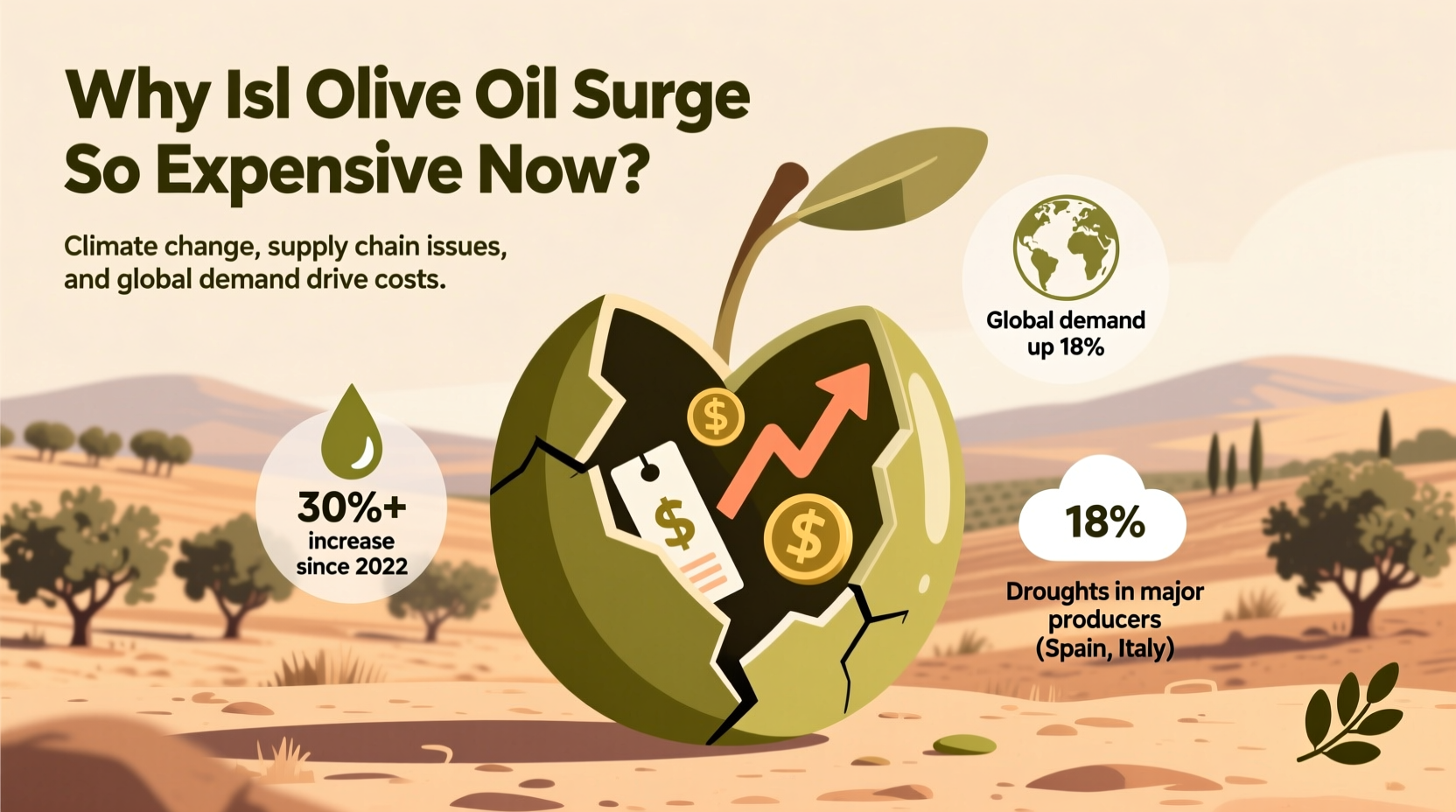
The most significant factor behind rising olive oil prices is the worsening impact of climate change on major producing regions. Southern Europe—particularly Spain, Italy, and Greece—accounts for over 75% of the world’s olive oil supply. In 2023 and early 2024, these countries faced extreme weather events that devastated olive crops.
Spain, the largest producer globally, experienced one of its worst droughts in decades. Olive trees require consistent water during flowering and fruit development, but prolonged dry spells reduced yields by up to 50% in some regions. High temperatures also triggered early blooming, which was then damaged by unseasonal frosts.
In Italy, heatwaves and erratic rainfall patterns led to widespread pest infestations, including the destructive olive fruit fly. Tuscany and Puglia, two of the country’s top-producing areas, reported yield drops of 30–60%. Greece, while less affected than its neighbors, still saw localized losses due to wildfires and water shortages.
“Climate volatility is no longer a future threat—it’s today’s reality for olive farmers. One bad season can wipe out a year’s income.” — Dr. Elena Rossi, Agricultural Economist, University of Bari
Supply Chain Disruptions and Rising Production Costs
Beyond weather, logistical and economic pressures have compounded the crisis. Fuel prices remain elevated post-pandemic, increasing transportation costs for both raw olives and finished oil. Packaging materials like glass bottles and tin closures have also become more expensive due to global supply constraints and energy-intensive manufacturing processes.
Labor shortages in rural farming communities have driven up wages, and many small-scale producers struggle to afford mechanized harvesting equipment. As a result, production becomes slower and more costly, especially for extra virgin olive oil (EVOO), which requires careful handling and cold extraction methods.
Shipping delays and port congestion, though improved from 2021–2022 peaks, still contribute to inventory bottlenecks. Retailers and distributors must now pay premiums to secure limited stocks, costs that are ultimately passed on to consumers.
Tip: Buy olive oil in larger containers when possible—bulk sizes often offer better value per ounce and reduce packaging waste.Surge in Global Demand Outpaces Supply
While supply has contracted, global demand for olive oil continues to grow. Health-conscious consumers in North America, Asia, and Latin America are increasingly adopting Mediterranean diets, drawn by research linking EVOO to reduced risks of heart disease, inflammation, and cognitive decline.
The U.S. alone imports over 100 million gallons of olive oil annually, with nearly 98% coming from Europe. As American palates shift toward high-quality, authentic products, demand for certified extra virgin oil has surged—outstripping available supply.
At the same time, counterfeit and adulterated olive oils have flooded the market, prompting stricter regulations and third-party certifications. While this improves transparency, it also increases compliance costs for legitimate producers, further pushing prices upward.
Geopolitical Tensions and Trade Policies
International trade dynamics are adding pressure. The war in Ukraine disrupted Black Sea shipping routes and increased energy prices, indirectly affecting European agriculture. Sanctions, export restrictions, and fluctuating tariffs have made cross-border commerce more unpredictable.
Turkey and Tunisia, secondary producers, have attempted to fill the gap left by diminished Spanish and Italian output. However, their capacity is limited, and quality control varies. Some importers have shifted sourcing to these regions, but inconsistent harvests and political instability limit reliability.
In addition, the European Union has tightened labeling rules to combat fraud, requiring origin tracing and chemical testing for EVOO. These measures improve authenticity but add administrative and financial burdens on producers—costs reflected in shelf prices.
What You Can Do: Smart Buying Strategies
With prices unlikely to drop soon, consumers need smarter ways to purchase and use olive oil. Here’s how to get the best value without compromising quality.
Checklist: How to Buy Olive Oil Wisely
- Look for harvest dates on the label—freshness matters most.
- Choose dark glass bottles or tins to protect oil from light degradation.
- Verify certifications like PDO (Protected Designation of Origin) or COOC (California Olive Oil Council).
- Avoid terms like “pure” or “light,” which often indicate refined blends, not quality.
- Buy directly from reputable producers or specialty retailers when possible.
Table: Olive Oil Types and Best Uses
| Type | Flavor Profile | Smoke Point | Best Use |
|---|---|---|---|
| Extra Virgin | Fruity, peppery, grassy | 320–375°F (160–190°C) | Drizzling, dressings, dips |
| Virgin | Mildly acidic, less intense | 390°F (199°C) | Light sautéing, marinades |
| Refined | Neutral, bland | 465°F (240°C) | Frying, baking |
| Pomace | Processed, low aroma | 460°F (238°C) | Industrial cooking |
Real Example: A California Producer Adapts
Consider the case of Grove & Press, a family-run olive farm in Sonoma County, California. Historically, they exported surplus oil to Japan and Canada. But after the 2023 European shortfall, international buyers offered double their usual price for EVOO.
Rather than sell abroad, the owners decided to prioritize local markets and launched a direct-to-consumer subscription model. They invested in solar-powered irrigation to combat drought and began offering virtual tastings to educate customers about quality differences.
Despite raising prices by 25%, customer loyalty grew. “People understand now that good olive oil isn’t cheap to make,” says owner Maria Delgado. “When we explain the real cost—water, labor, sustainability—they’re willing to pay fairly.”
FAQ: Common Questions About Olive Oil Prices
Will olive oil prices go back down?
Not significantly in the near term. Even if weather improves, it takes 3–5 years for new olive trees to bear fruit. Rebuilding supply will take time, and long-term climate trends suggest recurring disruptions. Moderate relief may come in 2025–2026 if multiple growing regions recover simultaneously.
Is expensive olive oil worth it?
Yes, if it’s genuinely extra virgin. High-quality EVOO contains antioxidants and polyphenols linked to health benefits. Cheap alternatives may be blends with lower-grade oils or even seed oils. Look for transparent sourcing and lab testing results to ensure you’re getting real value.
Can I substitute other oils to save money?
Absolutely. For frying or roasting, use avocado or sunflower oil—they have higher smoke points and stable pricing. Reserve EVOO for finishing dishes. This approach preserves flavor while reducing overall usage and cost.
Conclusion: Make Informed Choices, Support Sustainable Practices
The olive oil price surge is not a temporary glitch but a signal of deeper systemic challenges—from climate instability to shifting consumer habits. Understanding these forces empowers you to make smarter, more sustainable choices in your kitchen.
By buying thoughtfully, storing properly, and using the right oil for the right task, you can maintain your culinary standards without overspending. More importantly, supporting ethical producers who prioritize quality and environmental stewardship helps build a more resilient food system for the future.
💬 Have you noticed the olive oil price jump? Share your experience or favorite budget-friendly tip in the comments below—we’d love to hear how you’re adapting!