At first glance, a napkin box might seem like one of the most mundane items in your kitchen or dining room. But when it comes to function, style, and longevity, not all holders are created equal. With options ranging from $5 plastic models to $70 hand-carved wooden pieces, the real question emerges: is upgrading to a premium napkin box actually worth the investment? The answer depends on how you use it, where you place it, and what you value in your everyday home experience.
A well-chosen napkin holder does more than just store paper goods—it contributes to table aesthetics, streamlines mealtime routines, and can even reflect personal taste. As minimalist design trends favor functional elegance, many consumers are reevaluating small accessories with big cumulative impact. This isn’t about extravagance; it’s about intentionality.
The Hidden Role of the Napkin Box
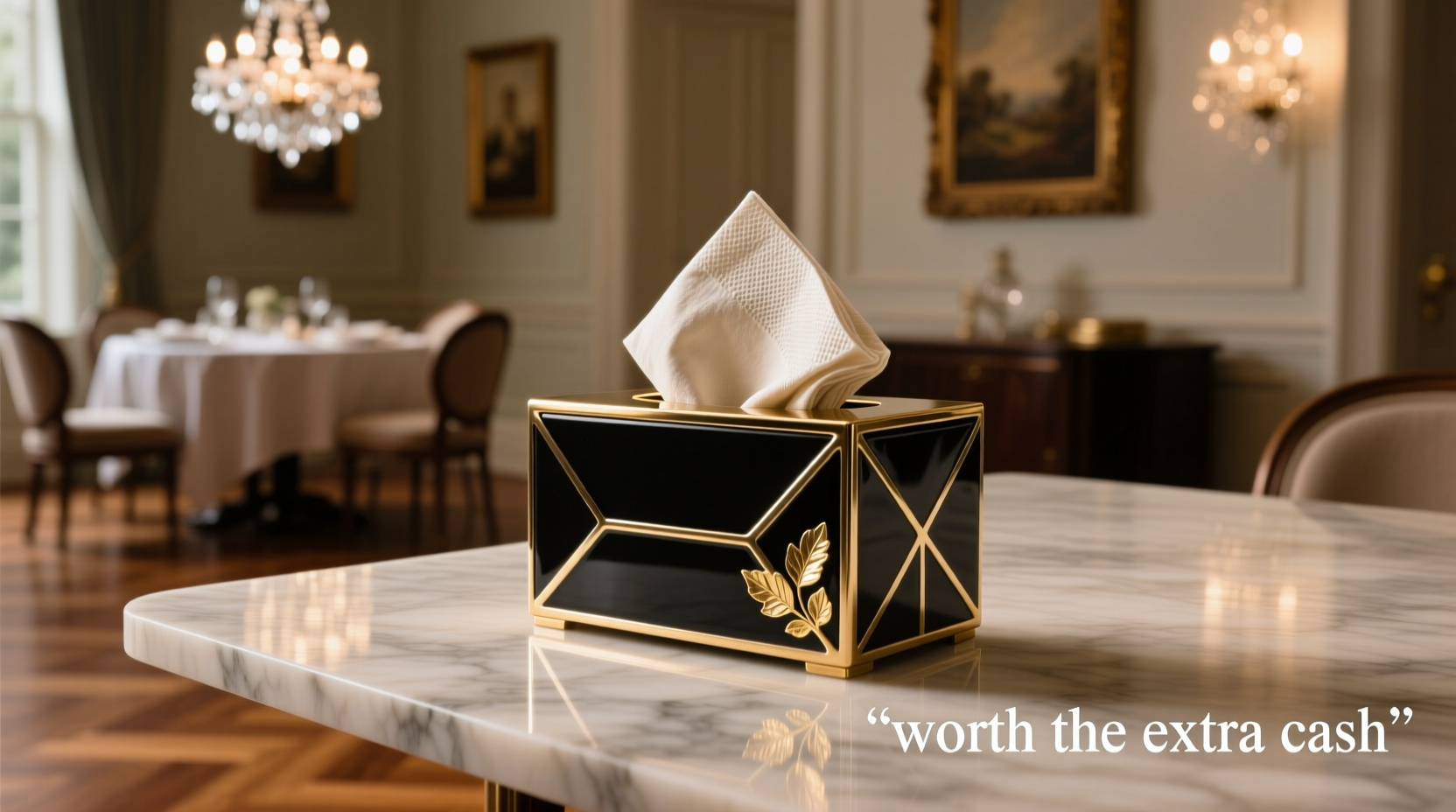
Napkin boxes often live in the background—on countertops, near sinks, or at the center of dining tables. Yet their presence influences both utility and ambiance. A flimsy, poorly designed model can frustrate users: lids that don’t stay open, narrow slots that jam thick paper, or materials that degrade after months of moisture exposure.
In contrast, a high-quality napkin holder improves flow. It allows for one-handed access during busy meals, resists spills and splashes, and complements the visual language of your space. Whether your decor leans farmhouse-chic, modern industrial, or Scandinavian minimalism, the right napkin box reinforces cohesion rather than disrupting it.
Tip: Choose a napkin box with an open-top or wide slot if you frequently use thick cloth napkins or folded papers.Material Matters: Plastic vs. Wood vs. Metal
The material of a napkin holder directly affects its lifespan, maintenance needs, and aesthetic versatility. Let’s compare the most common types:
| Material | Pros | Cons | Average Price Range |
|---|---|---|---|
| Plastic | Lightweight, affordable, easy to clean | Prioritizes function over form; prone to cracking | $3–$12 |
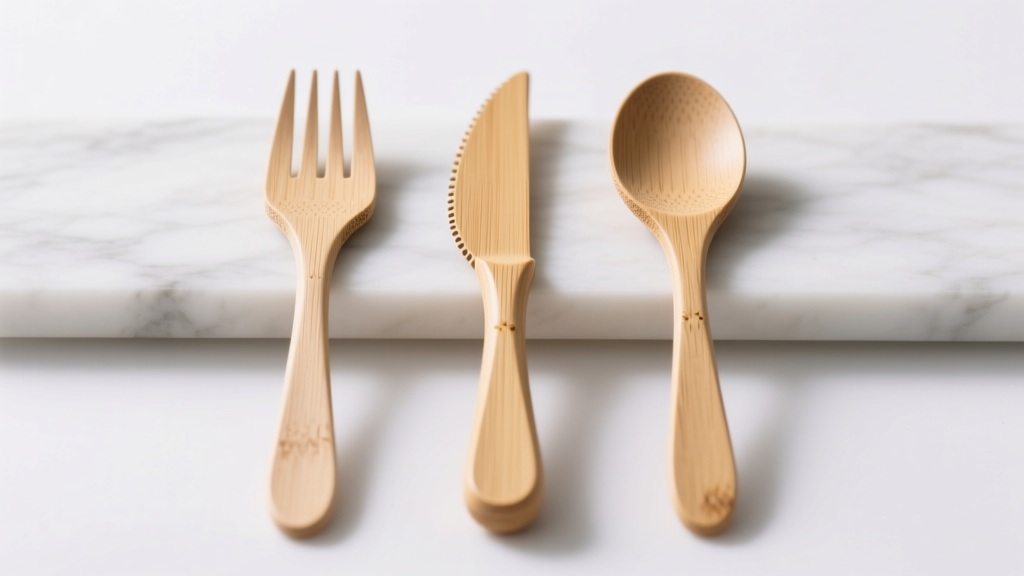
| Bamboo/Wood | Warm texture, sustainable, durable with care | Can warp with prolonged moisture; requires occasional oiling | $18–$45 |
| Stainless Steel | Resists rust, modern look, long-lasting | Cold feel; may show fingerprints | $25–$60 |
| Ceramic | Artistic designs, stable base, dishwasher-safe (some) | Fragile; heavy; limited refill access | $20–$70+ |
While plastic dominates budget categories, wood and metal offer a noticeable upgrade in tactile satisfaction and integration with curated interiors. For households that prioritize sustainability, bamboo stands out as a fast-renewing resource that ages gracefully when maintained.
Design Features That Justify the Cost
What separates a $10 napkin box from a $50 one isn’t just material—it’s thoughtful engineering. Premium models often include features that enhance usability:
- Ergonomic dispensing: Angled openings or spring-loaded mechanisms ensure smooth pull without tearing.
- Moisture resistance: Sealed wood finishes or powder-coated metals withstand kitchen humidity.
- Dual functionality: Some units combine napkin storage with utensil trays or condiment docks.
- Weighted bases: Prevent tipping during quick grabs, especially important with children around.
- Refill-friendly tops: Magnetic or hinged lids simplify restocking without disassembly.
These details may seem minor individually, but collectively they reduce friction in daily routines. Over time, a reliable dispenser means fewer torn napkins, less clutter from loose papers, and reduced replacement frequency.
“People overlook the psychology of small tools. A well-made napkin box signals care in the household—a subtle cue that details matter.” — Lila Monroe, Interior Psychologist & Author of *The Mindful Home*
Real-World Test: Two Years with Budget vs. Premium Holders
To assess long-term value, consider a mini case study from a family of four in Portland, Oregon. They used two napkin boxes simultaneously—one a $7 plastic model from a big-box retailer, the other a $38 walnut-finished bamboo unit purchased from a sustainable homeware brand.
After six months, the plastic holder began warping at the corners due to repeated contact with wet hands and dishwater splashes. The lid hinge cracked, rendering it non-functional. By month ten, it was discarded.
The bamboo model, treated with food-safe mineral oil twice yearly, showed no structural issues after 24 months. Its wide front slot accommodated both standard and oversized napkins, and the natural grain blended seamlessly with their oak dining table. Though initially seen as a splurge, the owner now considers it one of their most satisfying kitchen purchases.
This isn’t an isolated experience. Consumer surveys indicate that 68% of people who switch to mid-to-high-end napkin holders keep them for three years or longer, compared to under one year for entry-level plastic versions.
When a Fancy Holder Makes Sense (And When It Doesn’t)
Not every household needs a designer napkin box. Context determines value. Below is a checklist to help you decide whether upgrading aligns with your lifestyle:
Checklist: Should You Upgrade Your Napkin Box?- Do you entertain guests regularly? → A stylish holder enhances table presentation.
- Is your current model breaking or jamming frequently? → Durability is likely lacking.
- Do you value cohesive interior design? → Materials should match other tabletop accents.
- Are you using cloth napkins? ��� Heavier fabrics need wider, smoother dispensers.
- Do you hate replacing cheap items every few months? → Long-term cost savings favor quality.
If three or more apply, investing in a higher-end model is likely justified. However, for vacation homes, rental properties, or high-traffic commercial settings, disposable or ultra-durable stainless steel may be more practical than artisanal wood.
FAQ
Can I use a fancy napkin box for cloth napkins?
Yes—many premium holders are specifically designed for cloth use. Look for wide openings, rounded edges to prevent fraying, and breathable materials like unfinished wood or ventilated metal. Avoid tight slots or sharp internal corners that can snag fabric.
How do I clean a wooden napkin holder?
Wipe with a slightly damp cloth and dry immediately. Never submerge in water or run through a dishwasher. For deeper cleaning, use a drop of mild soap on a soft cloth. Reapply wood conditioner every 6–12 months to maintain luster and protection.
Are expensive napkin boxes just for looks?
No. While aesthetics play a role, high-end models typically offer superior mechanics, better materials, and longer lifespans. Function and form are intertwined in thoughtful design—especially when used multiple times a day.
Making the Decision: Value Over Price
Judging a napkin box solely by upfront cost misses the bigger picture. Consider lifetime value: a $40 holder lasting five years costs $8 per year. A $6 model replaced annually totals $30 over the same period—and creates more waste.
Additionally, there’s psychological value in surrounding yourself with objects that work well and bring quiet satisfaction. These micro-interactions accumulate. Pulling a napkin smoothly from a sturdy, attractive box may seem trivial, but repeated daily, it contributes to a sense of order and care in the home.
Ultimately, “worth” is personal. For someone who rarely uses napkins, any holder beyond the cheapest option may be excess. But for those who dine together nightly, host weekend brunches, or cherish a beautifully set table, a premium napkin box isn’t indulgence—it’s a small act of respect for everyday moments.
💬 Have a favorite napkin holder that surprised you with its usefulness? Share your story in the comments and help others find smart, lasting solutions for their homes.