Pickling is one of the oldest forms of food preservation, yet its modern appeal lies not in necessity but in flavor. Today’s home cooks are rediscovering how a simple jar of vegetables transformed by vinegar, salt, and the right blend of spices can elevate everything from sandwiches to charcuterie boards. While store-bought pickles offer convenience, they rarely match the depth, brightness, and aromatic complexity of homemade versions. The secret? Intentional spicing. Unlike mass-produced counterparts that rely on standardized flavor packets, artisanal pickling allows precise control over heat, sweetness, earthiness, and aroma—transforming cucumbers, carrots, onions, or green beans into culinary accents with personality.
The resurgence of fermentation and preservation techniques has placed pickling at the forefront of the mindful cooking movement. But mastering homemade pickles goes beyond following a recipe; it requires understanding how individual spices interact with acidity and time. A well-balanced pickle isn’t just sour—it’s layered, with top notes of dill or garlic, mid-palate warmth from mustard seed or coriander, and a finish that might linger with clove or chili. This guide explores the science and art of spiced pickling, offering practical strategies for crafting consistently crisp, flavorful results using accessible ingredients and equipment.
Definition & Overview
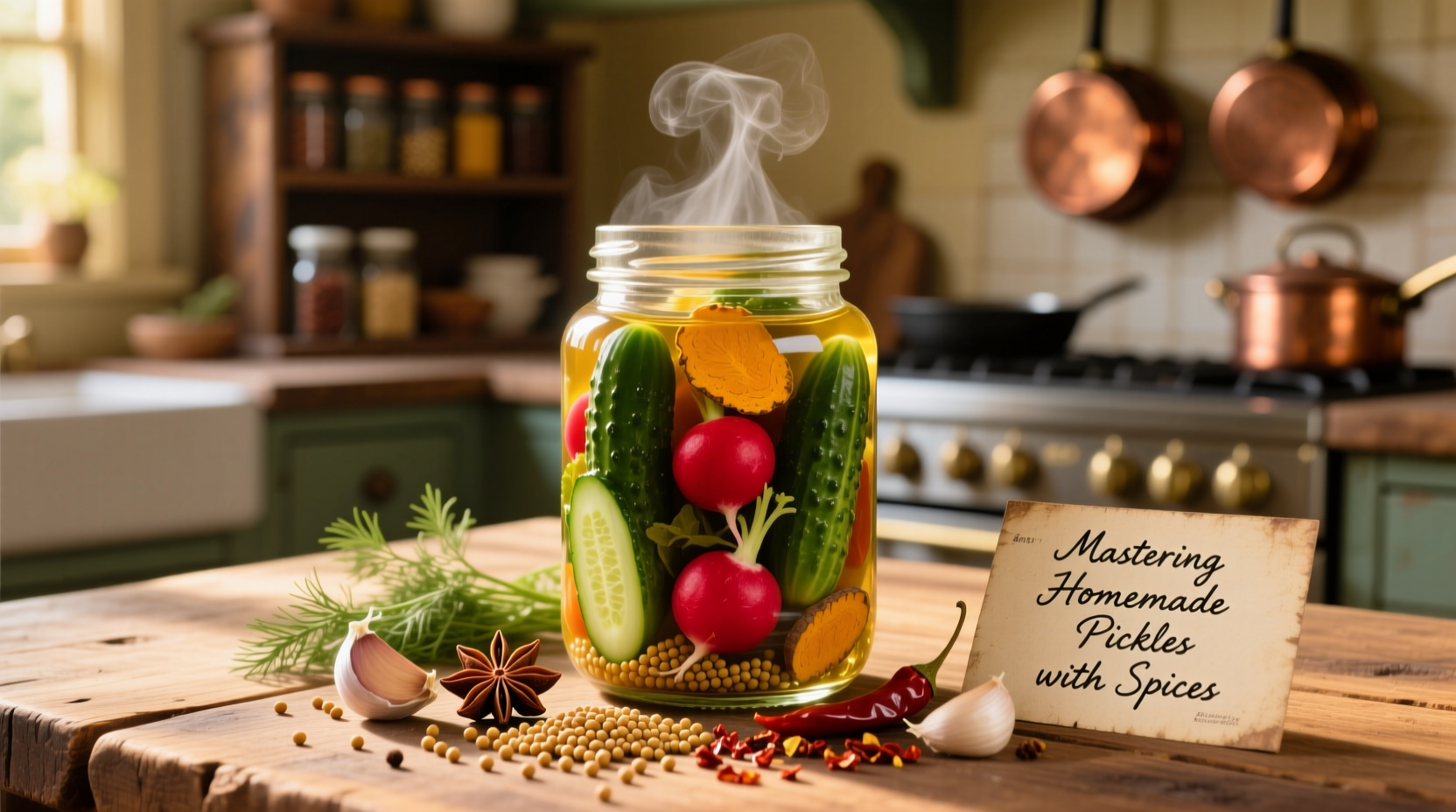
Pickling is a method of preserving food through immersion in an acidic solution, typically vinegar-based (quick pickling) or derived from lactic acid fermentation (fermented pickling). In both cases, spices play a crucial role—not only as flavor enhancers but also as antimicrobial agents that contribute to shelf stability and sensory appeal.
Spiced pickling refers specifically to the addition of whole or ground spices during the brining process. These are introduced either directly into the jar before pouring hot brine or bloomed in the brine itself to extract maximum flavor. The most common base vegetables include cucumbers (for dill or bread-and-butter styles), but the technique extends to cauliflower, radishes, jalapeños, beets, and even fruits like watermelon rind or peaches.
Historically, spiced pickling emerged across cultures as a way to extend the life of seasonal produce. Indian achar, Korean jangajji, Middle Eastern torshi, and Eastern European ogórków kiszony all use regional spice blends to define their character. In American cuisine, spiced cucumber pickles evolved alongside German and Jewish deli traditions, emphasizing dill, garlic, and black pepper. What unites these diverse traditions is the principle that spices do more than flavor—they shape texture, color, and microbial safety.
Key Characteristics of Pickling Spices
The effectiveness of a spice in pickling depends on its solubility in acidic environments, thermal stability, and interaction with other ingredients. Below is a breakdown of essential pickling spices and their defining traits:
| Spice | Flavor Profile | Aroma | Heat Level (Scoville/Relative) | Culinary Function | Shelf Life in Brine (Sealed) |
|---|---|---|---|---|---|
| Mustard Seed (yellow/brown) | Pungent, nutty, slightly bitter | Sharp, warm, toasted | Low (adds piquancy without capsaicin) | Emulsifies brine, enhances crunch via tannins | 6–12 months |
| Coriander Seed | Citrusy, floral, mildly sweet | Lemon-pepper, herbal | None | Balances acidity, rounds out sharpness | 6–12 months |
| Dill (seed or fresh fronds) | Grassy, anise-like, fresh | Green, aromatic | None | Signature note in dill pickles; inhibits spoilage | 3–6 months (fresh dill fades faster) |
| Garlic (fresh cloves) | Sharp, savory, umami-rich | Pungent, sulfurous when raw | Medium (sensory heat, not capsaicin) | Antimicrobial, adds depth | 6–9 months |
| Black Peppercorns | Woody, sharp, mildly spicy | Pungent, warm | Mild (500–1,000 SHU) | Provides background heat and complexity | 12+ months |
| Bay Leaf | Earthy, tea-like, slightly floral | Camphorous, woodsy | None | Improves shelf life, adds subtle bitterness | 6–12 months |
| Cinnamon Stick | Sweet, woody, warm | Vanilla-like, spicy | None | Adds warmth in sweet pickles (e.g., chutneys) | 6 months |
| Red Chili Flakes or Peppers | Fiery, smoky, bright | Sharp, roasted | High (30,000–50,000 SHU) | Heat accent, visual appeal | 6–12 months |
| Clove | Intense, sweet, medicinal | Pungent, warming | None (but strong sensation) | Powerful flavor amplifier; use sparingly | 6 months |
| Allspice Berries | Nutmeg + cinnamon + clove combined | Warm, complex, baking-spice | None | Adds depth in mixed-vegetable pickles | 12 months |
Practical Usage: How to Use Spices in Pickling
Spices must be used strategically to avoid overpowering or under-seasoning. Whole spices are preferred over ground in most brines because they infuse slowly, prevent cloudiness, and are easier to strain if desired. Ground spices can sediment and create off-textures unless filtered.
Step-by-step spice integration:
- Toast dry spices lightly (optional): In a dry skillet over medium heat, toast mustard seeds, coriander, or peppercorns for 1–2 minutes until fragrant. This step unlocks volatile oils and deepens flavor.
- Add spices to jars first: Place whole spices directly into clean canning jars before adding vegetables. This ensures even distribution and proximity to the food.
- Bloom in brine: Combine vinegar, water, salt, and sugar in a saucepan. Add 50% of your spices and simmer for 5–7 minutes to extract flavors before pouring over vegetables.
- Layer aromatics: Insert garlic cloves, fresh dill heads, or sliced onions between vegetable layers for internal seasoning.
- Seal and cool: Process jars in a water bath for shelf-stable storage, or refrigerate for quick pickles (ready in 24–72 hours).
Pro Tip: To maintain crispness, add natural tannin sources like grape leaves, oak leaves, or black tea (¼ tsp per jar). Tannins inhibit pectin degradation, preserving firm texture. Alternatively, use calcium chloride (Pickle Crisp®) at 1/8 tsp per quart.
Classic Spice Ratios for Quart Jars:
- Classic Dill Pickles: 2–3 dill heads, 2 cloves garlic, 1 tsp mustard seed, ½ tsp black peppercorns, ½ tsp coriander, 1 bay leaf, 1 dried chili (optional).
- Sweet Bread-and-Butter Style: 1 cinnamon stick, 1 tsp mustard seed, ½ tsp celery seed, ½ tsp turmeric, 1 whole clove, 1 cup sugar in brine.
- Spicy Giardiniera: 1 tbsp mixed peppercorns, 1 tsp red pepper flakes, 1 tsp coriander, 2 cloves garlic, 1 star anise (optional), 1-inch ginger slice.
Variants & Types of Pickled Preparations
Different pickling methods yield distinct textures and flavor profiles. The choice of spices varies accordingly:
1. Quick Pickles (Refrigerator Method)
Ready in 1–7 days, these rely on vinegar brine and refrigeration. Best for脆 vegetables like radishes, red onions, or carrots. Use lighter spice loads—overpowering flavors intensify over time. Ideal for experimenting with citrus zest, fennel fronds, or lemongrass.
2. Fermented Pickles (Lacto-Fermentation)
No vinegar added. Natural bacteria convert sugars into lactic acid over 5–14 days. Requires salt (3–5% brine), anaerobic conditions, and temperature control (65–75°F). Spices should be mold-resistant: mustard seed, grape leaves (natural tannins), garlic, dill. Avoid sugary additions that encourage yeast overgrowth.
3. Canned Shelf-Stable Pickles
Processed in boiling water bath (10–15 min) for long-term storage. Allows bolder spice combinations due to extended aging potential. Suitable for relishes, chutneys, and spiced mixed vegetables. Always follow tested pH-safe recipes (brine pH ≤ 4.6) to prevent botulism risk.
4. Oil-Based Spiced Pickles
Common in Mediterranean and Middle Eastern cuisines. Vegetables are first pickled in vinegar, then transferred to olive oil with herbs. Oil acts as secondary preservative and flavor carrier. Use rosemary, thyme, and dried chilies. Not suitable for low-acid vegetables without proper acidification.
Comparison with Similar Ingredients
Confusion often arises between similar-sounding spices or preservation methods. Understanding distinctions ensures accurate application.
| Ingredient Pair | Differences | When to Use Which |
|---|---|---|
| Mustard Seed vs. Mustard Powder | Whole seeds provide texture and gradual release; powder dissolves quickly, may cloud brine. | Use seeds for clarity and crunch; powder only in cooked-down sauces or relishes. |
| Fennel Seed vs. Dill Seed | Fennel is sweeter, licorice-forward; dill seed is grassier, more herbaceous. | Fennel for Italian-style giardiniera; dill for classic kosher dills. |
| Vinegar Pickling vs. Fermentation | Vinegar = immediate acidity; fermentation = gradual acid development with probiotics. | Vinegar for speed and consistency; fermentation for complexity and gut health benefits. |
| Black Peppercorns vs. Sichuan Peppercorns | Black pepper delivers heat; Sichuan induces numbing (tingling) sensation, citrus notes. | Black pepper for traditional Western pickles; Sichuan for Asian-inspired spicy pickles. |
| Ground Clove vs. Whole Clove | Ground disperses evenly, risks overpowering; whole imparts slow, controlled flavor. | Always use whole cloves in pickling—1–2 per quart max. |
Practical Tips & FAQs
How much spice should I use?
Start conservatively. For a quart jar, use 1–2 teaspoons total of whole spices (excluding garlic and herbs). You can always increase in future batches. Over-spicing cannot be undone.
Can I reuse pickling brine?
Never reuse brine from canned or fermented pickles due to contamination risk. Refrigerator pickle brine may be strained and reused once for marinating proteins or dressing slaws—but only if uncontaminated by used vegetables.
Why are my pickles soft?
Softness stems from enzyme activity. Causes include: old cucumbers, lack of tannins, improper salt concentration, or overheating during processing. Use fresh, firm produce and include a tannin source.
What’s the best vinegar for pickling?
Distilled white vinegar (5% acidity) ensures clarity and consistent pH. Apple cider vinegar adds fruity notes but darkens light vegetables. Avoid homemade or variable-acidity vinegars for canning.
How long do homemade pickles last?
Refrigerator pickles: 2–4 weeks. Properly canned pickles: 12–18 months in a cool, dark place. Fermented pickles: 4–6 months refrigerated after curing.
Are pickled foods healthy?
Fermented pickles contain live probiotics beneficial for gut health. Vinegar-based pickles are low-calorie and rich in antioxidants from spices like turmeric and cloves. However, sodium content can be high—reduce salt gradually, but never below 2% in fermented brines to ensure safety.
“The difference between a good pickle and a great one is measured in millimeters of spice distribution. Uniform contact, balanced heat, and aromatic harmony—that’s what makes someone reach for a second spear.” — Chef Elena Ruiz, Fermentation Specialist, Portland Pickle Works
Summary & Key Takeaways
Mastering homemade pickles with spices is less about rigid formulas and more about understanding synergy—between acid and salt, vegetable and spice, time and temperature. The foundation of success lies in using fresh ingredients, appropriate vinegar strength, and whole spices added with precision.
Key principles to remember:
- Always use canning-grade jars and follow pH-safe guidelines for shelf-stable products.
- Toast whole spices lightly to enhance flavor extraction.
- Layer spices both in the brine and within the jar for multidimensional seasoning.
- Preserve crunch with natural tannins or calcium chloride.
- Label and date your jars—flavors evolve over weeks and months.
Whether crafting refrigerator dills for next week’s burgers or fermenting a batch of spiced cauliflower for holiday gifts, the act of pickling connects us to centuries of culinary wisdom. With thoughtful spicing, each jar becomes more than preserved food—it becomes a statement of flavor, care, and craftsmanship.
Ready to start? Begin with a single quart of classic dill pickles using fresh cucumbers, garlic, dill, mustard seed, and peppercorns. Taste weekly and observe how the spice profile develops—you’re now part of an ancient tradition, redefined one jar at a time.